

Cup — a step-by-step lesson for grown-up and child
Of everything in the set, the cup may be the object your baby knows best — it appears at every single feed. This lesson attaches its name to something already deeply familiar.
What is this?
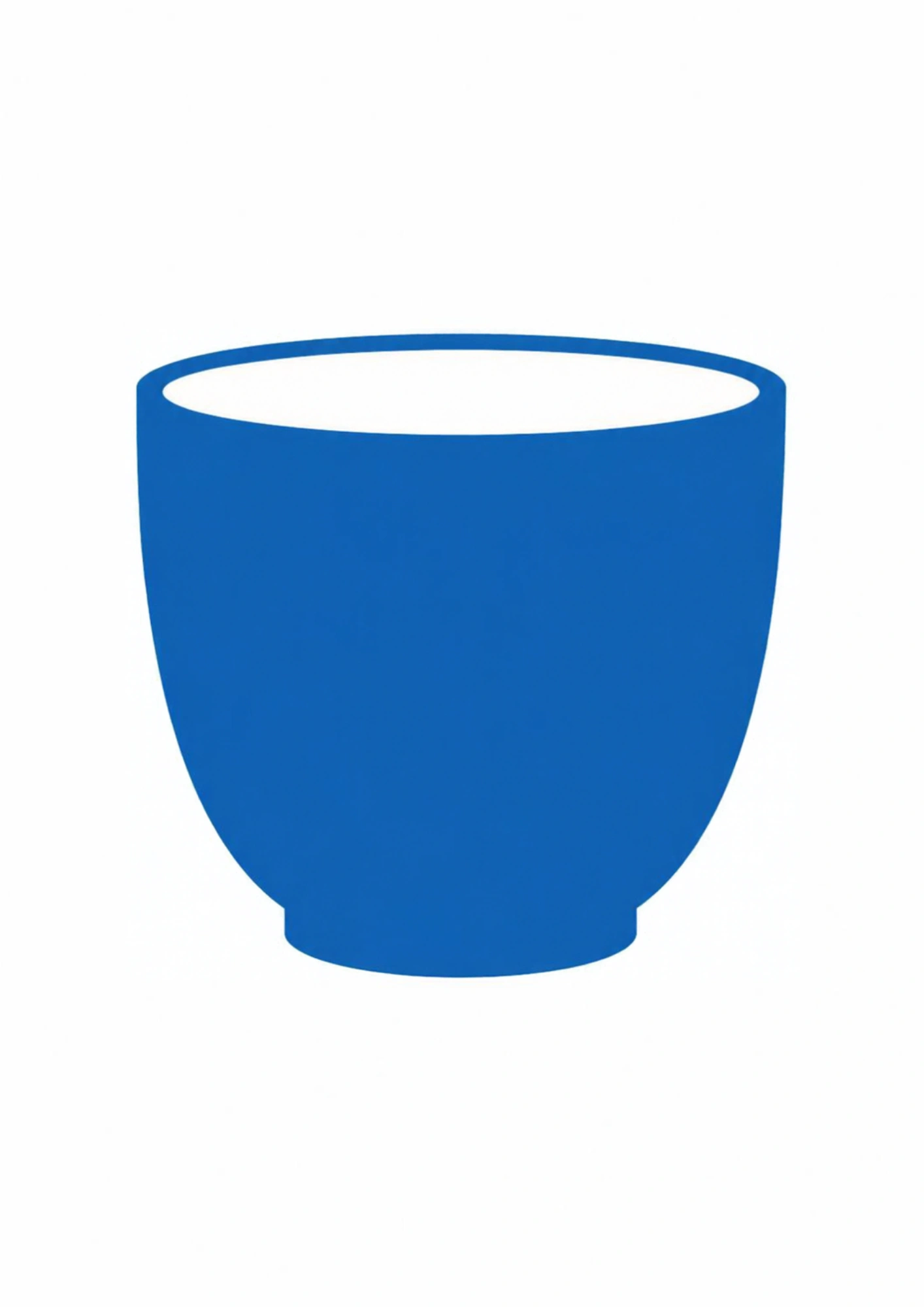
A cup is a drinking vessel, and your baby has watched one work since birth: lifted, tipped, returning full. The card gives that daily companion a simple portrait, and the lesson gives it a name said out loud.
What does it mean?
Everyday-object cards look plain next to colourful toys, but plainness is their engine: familiarity means your baby already has feelings, memories and expectations around this object. The card is not introducing a thing — it is naming a relationship.
What does the child need to know?
The replay is the lesson: at the next feed or meal, hold up the real cup, say "cup" once with a smile, and let ten quiet seconds do the work. Repeating that tiny ritual daily beats any long session — the word rides on routine.
Why this matters
Words that arrive attached to comfort — food, drink, the people who provide them — get deep processing for free. Cup is one of the highest-value first words in any language precisely because it turns up when your baby is already content and attentive.
What it teaches
Object recognition, word-object mapping through daily repetition, anticipation (the cup means feeding is coming), and early routine awareness.
Words to learn
cupdrinkmilkcupfulhello cupall gone
Say this to your child
“"Cup! This is the picture of a cup, and look — here is our real cup, coming for milk. Card cup, real cup, same word. You drink from your cup every day. Hello, cup. Here you come again."”
Step by step
- Show the card at close range in a calm moment and name it warmly: "Cup. You know cups — you see one every day."
- Trace the cup’s shape with your finger — round body, handle or not — and let your baby study it in silence.
- Bring the card back at the very next feed, before the real cup appears, and say "cup" once.
- Then lift the actual cup into view: "Here is our cup." Picture, then reality, ten seconds total.
- Repeat the pre-feed version daily for a week; by day three or four you may catch the flicker of recognition that makes this card famous.
Look closer at the picture
The artwork is a simple everyday cup — say that much, no decoration needed. The noticing worth keeping is behavioural: does your baby’s attention sharpen when the real cup appears after the card? Recognition at 3–4 months looks like brightening, not pointing.
Ask your child
Watch the pre-feed moment: does the gaze move to the card when you say the word, or hold on you? Does the real cup collect a longer look than the card? Wonder aloud: "I wonder which one feels like the real cup to you."
What your child can say or do
Brightening eyes at the word, a head turn towards the arriving real cup, hungry rooting that mistakes the lesson for lunch, or both hands waving as the feed begins — all of it is your baby telling you the routine is meaningful.
Out in the real world
Cups surround the day: the one you drink from, the little one waiting in the cupboard for weaning months, cups at cafes and grandma’s table. Every sighting is a replay of this card, for months to come.
Try it together
Cup hello: at each feed, lift the cup into your baby’s view before it starts its work and greet it — "hello, cup" — in the same voice every time. Within a week the greeting itself will make your baby look. That is ritual, memory and language in one.
Understanding check
Parent self-check: did the word "cup" get said at a real feed today, not just at card time? The card is the rehearsal; the feed is the performance. One performance a day is the whole curriculum.
Parent tips
Do not rush the card into weaning stories or sippy-cup shopping — this lesson is about the name, not the milestone. If feeds are chaotic, run the card hello at the calmest feed of the day and skip the rest guilt-free.
Staying safe
Hot drinks and babies do not share a lap — the cup you name is the baby’s feed cup or a cool empty one, never your boiling tea. Cards stay out of the feed zone entirely: milk and paper do not mix.
This lesson pairs with the Cup flashcard in the library — print it, show it, keep it on the fridge. Back to Colors & First Objects (Infant 1).