Age 6–9 MonthsSubject Talk & ThinkClass Baby 1Duration 3–5 minutes
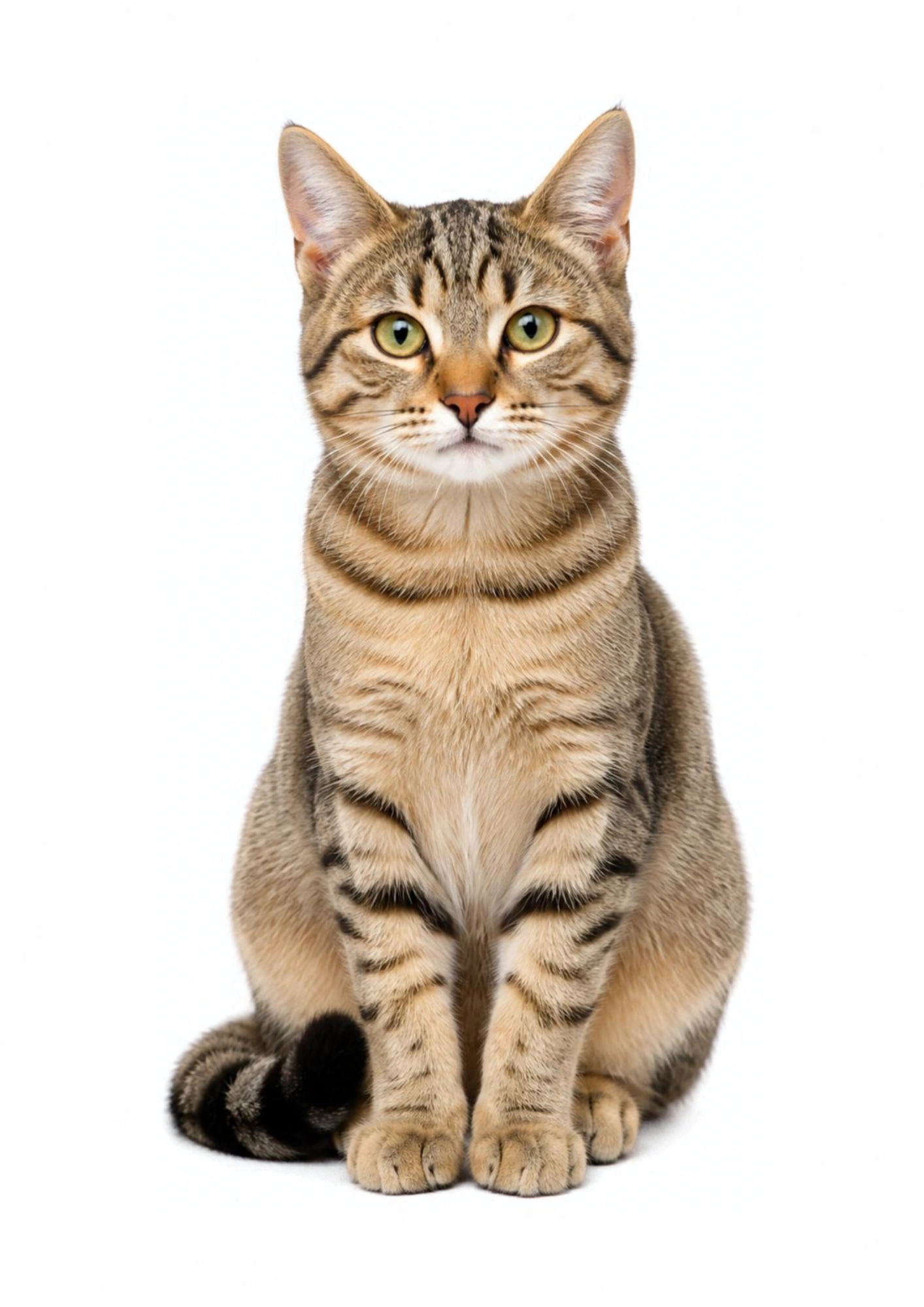
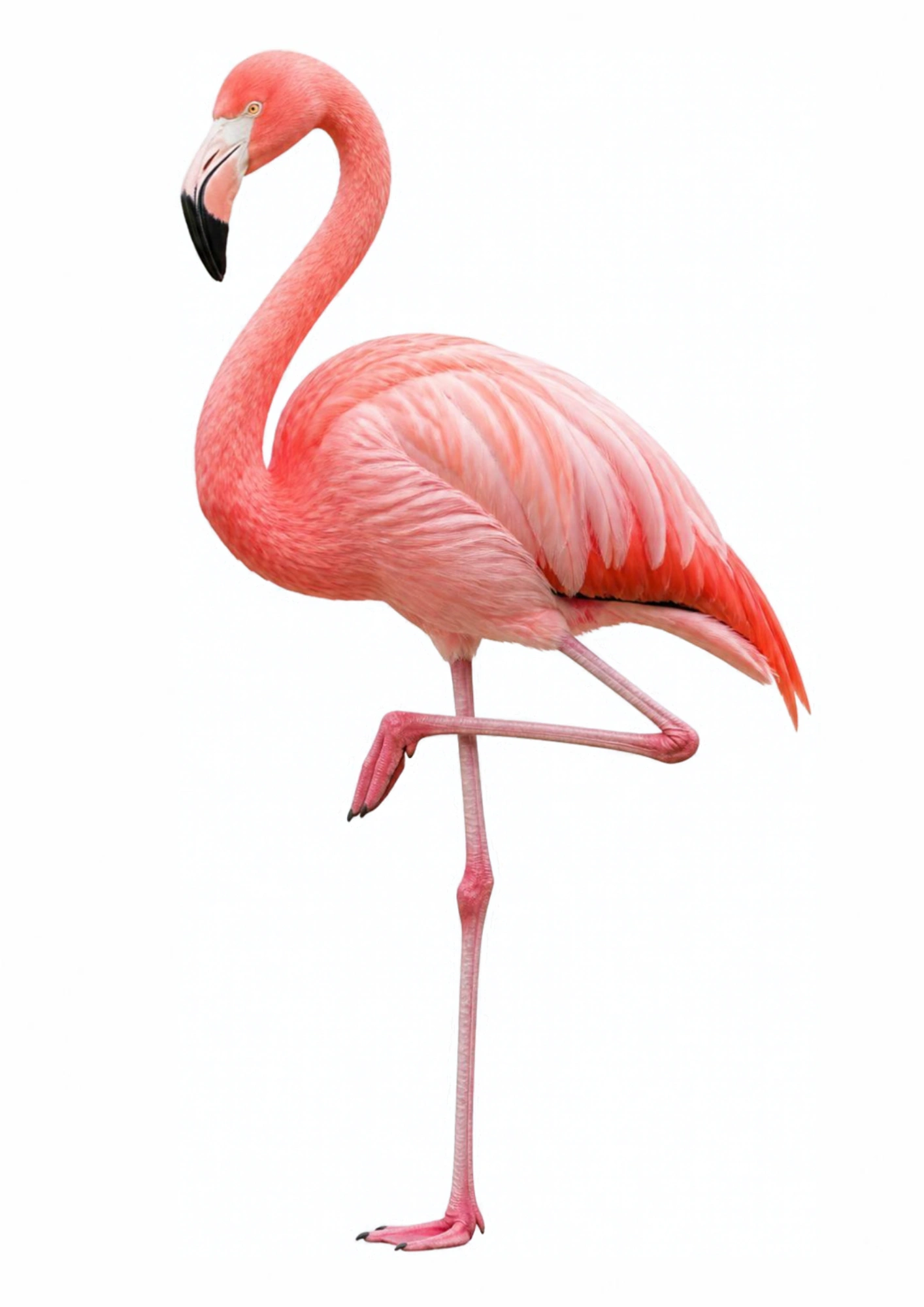
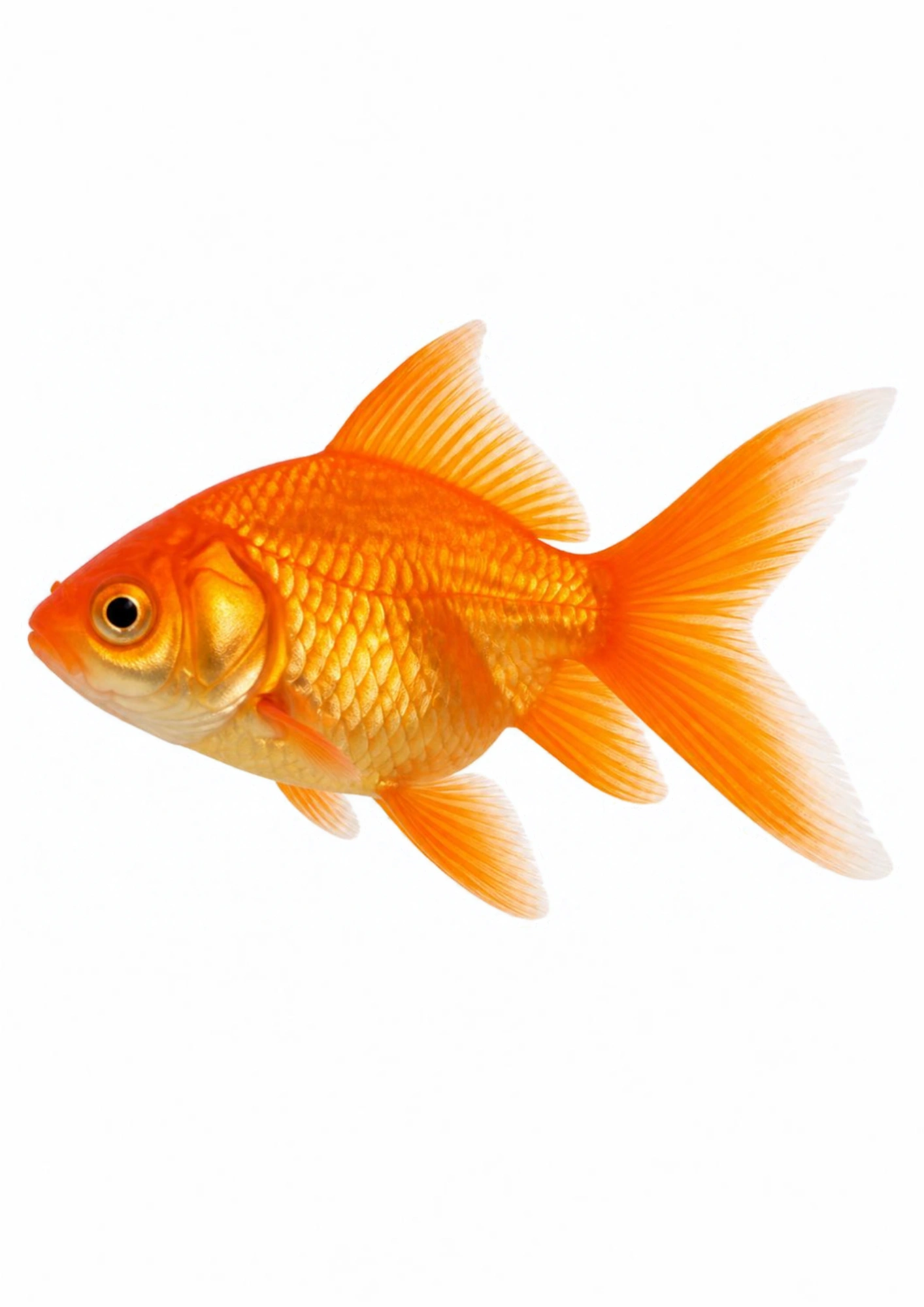
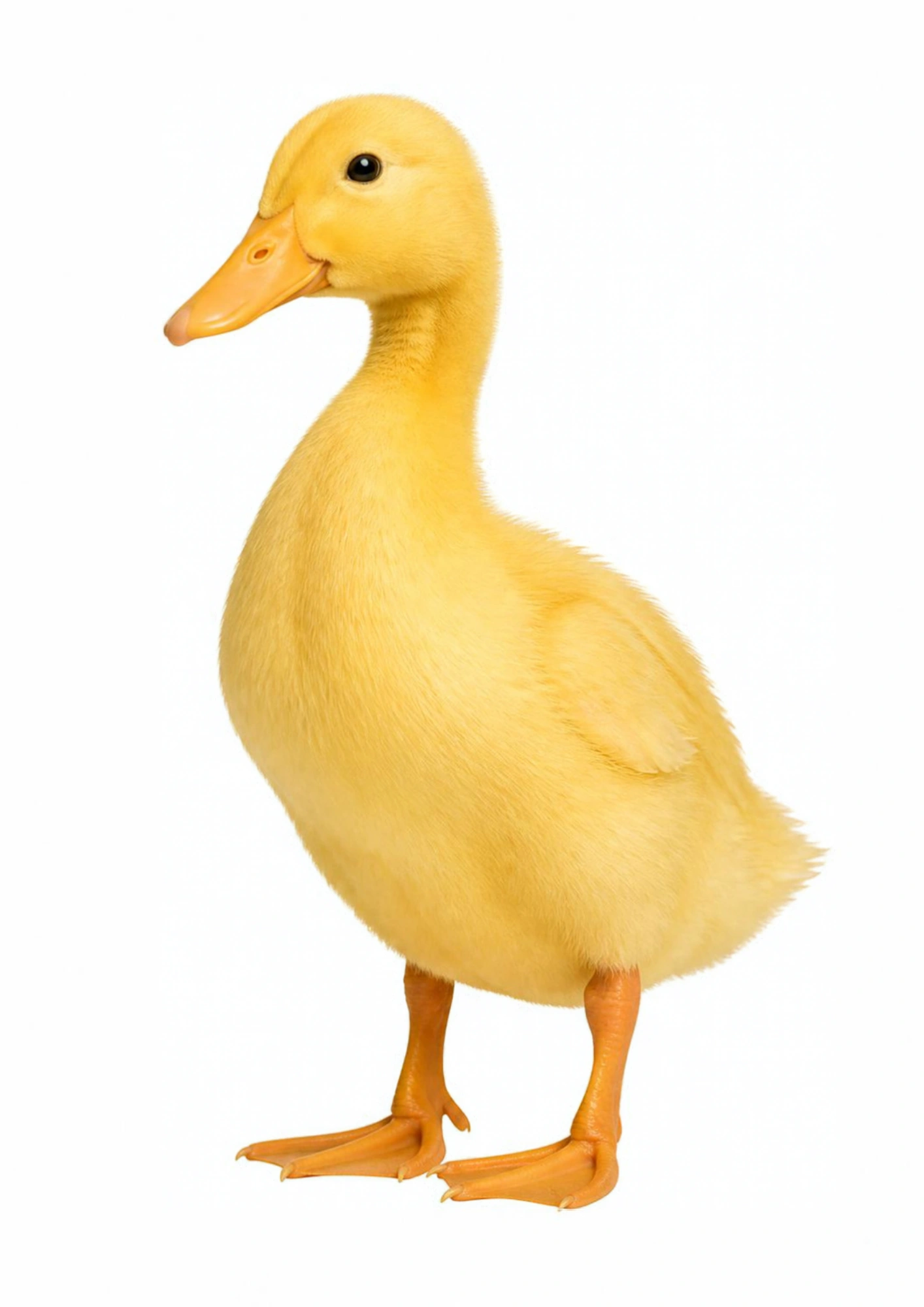
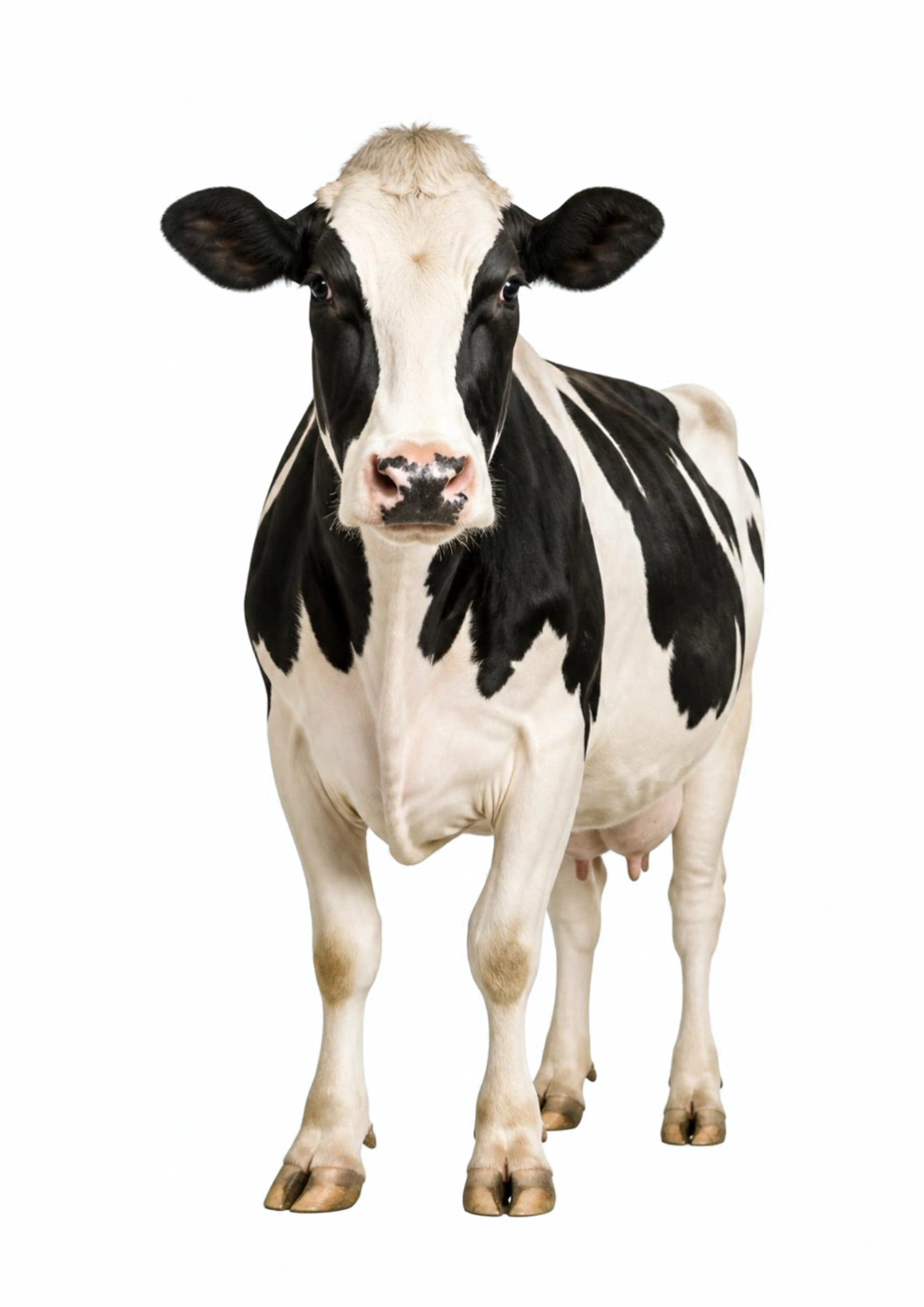
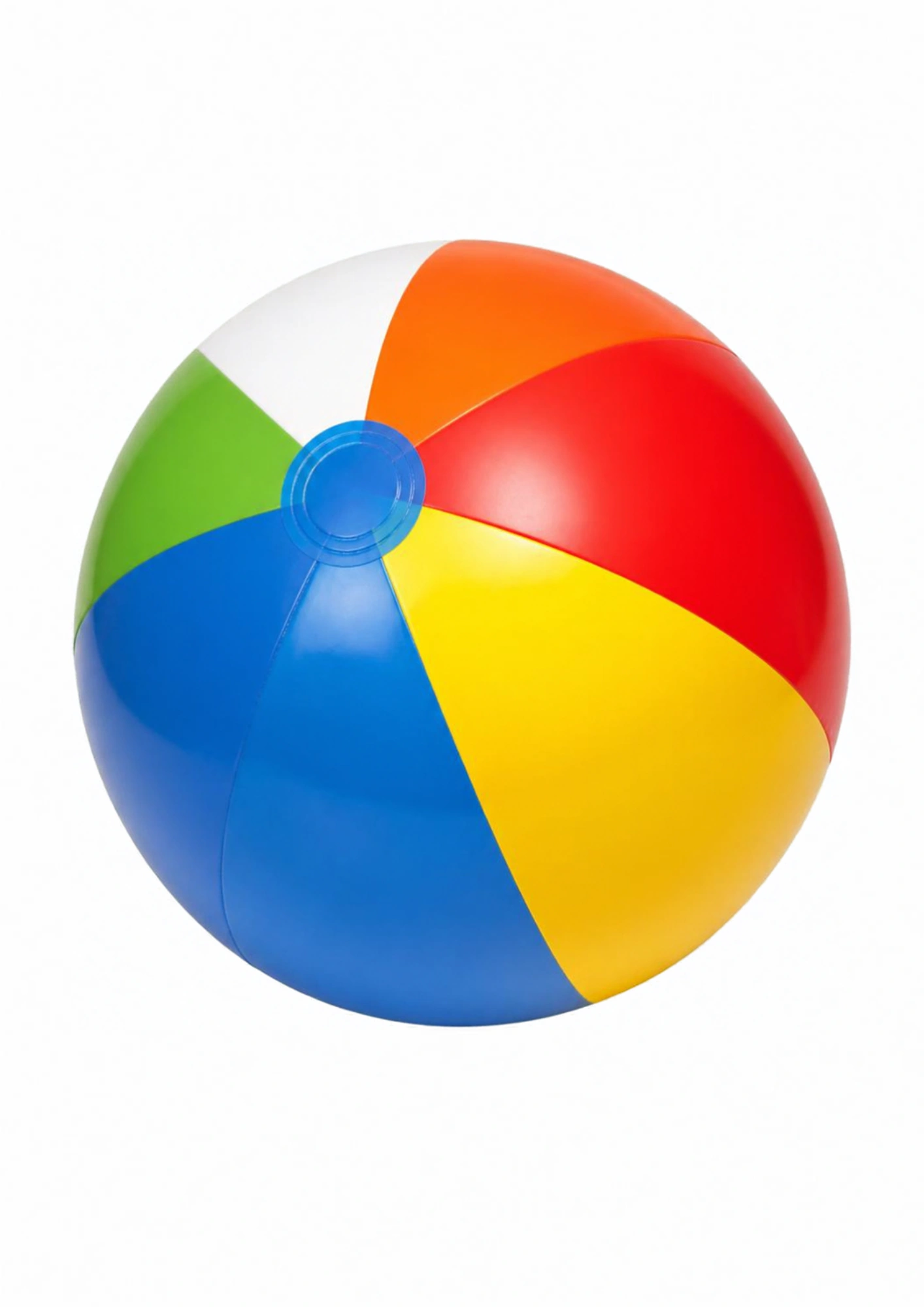
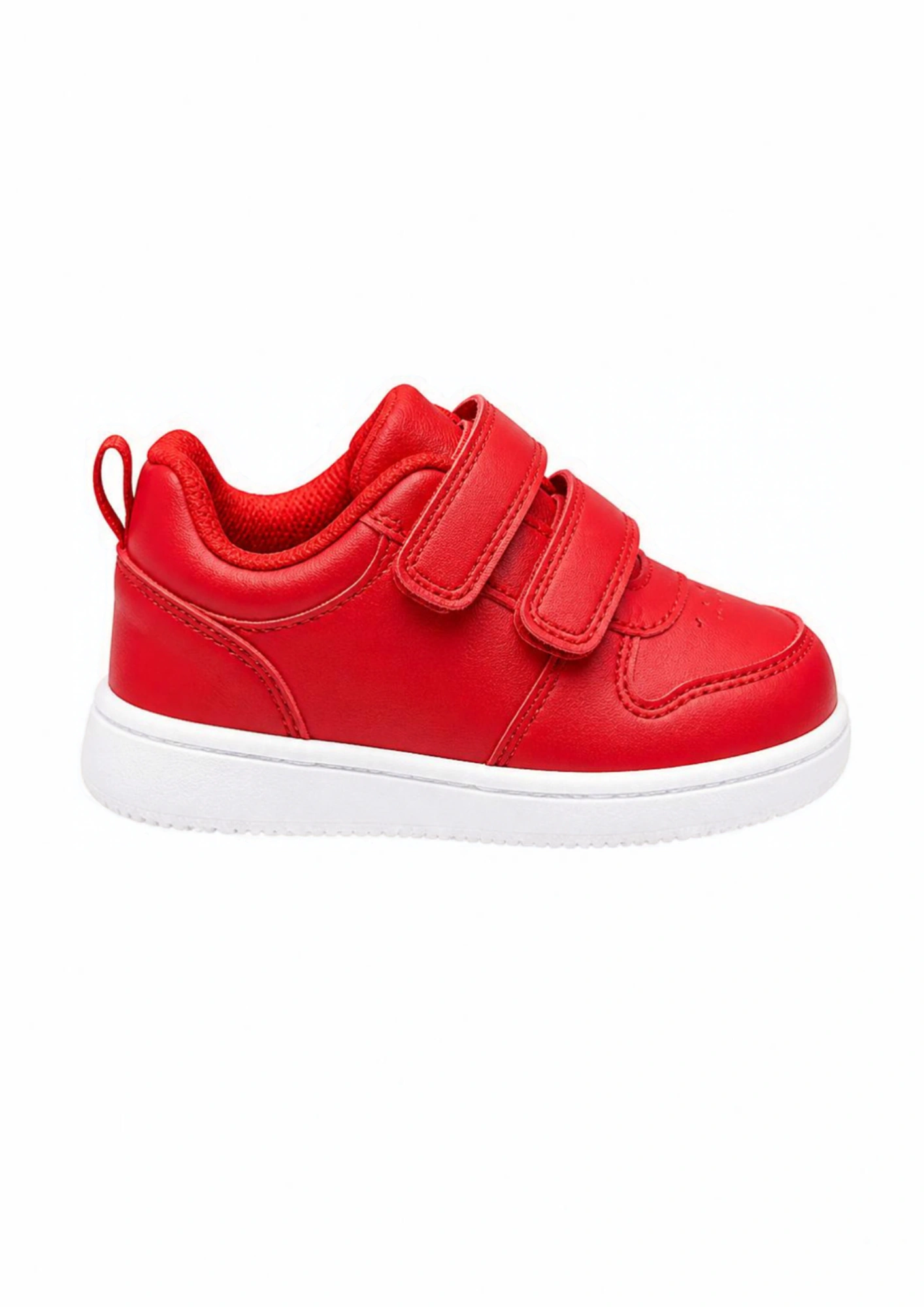
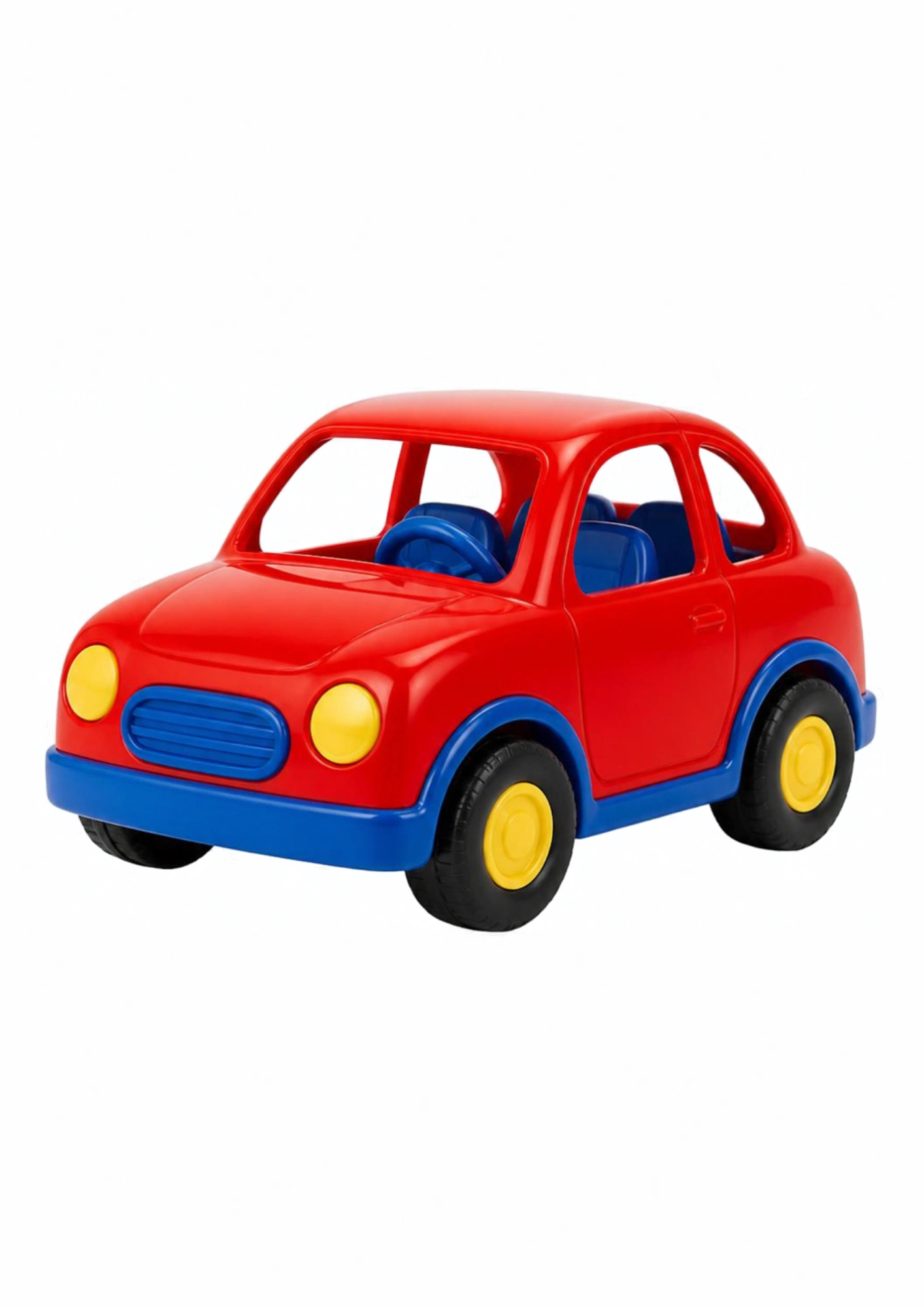
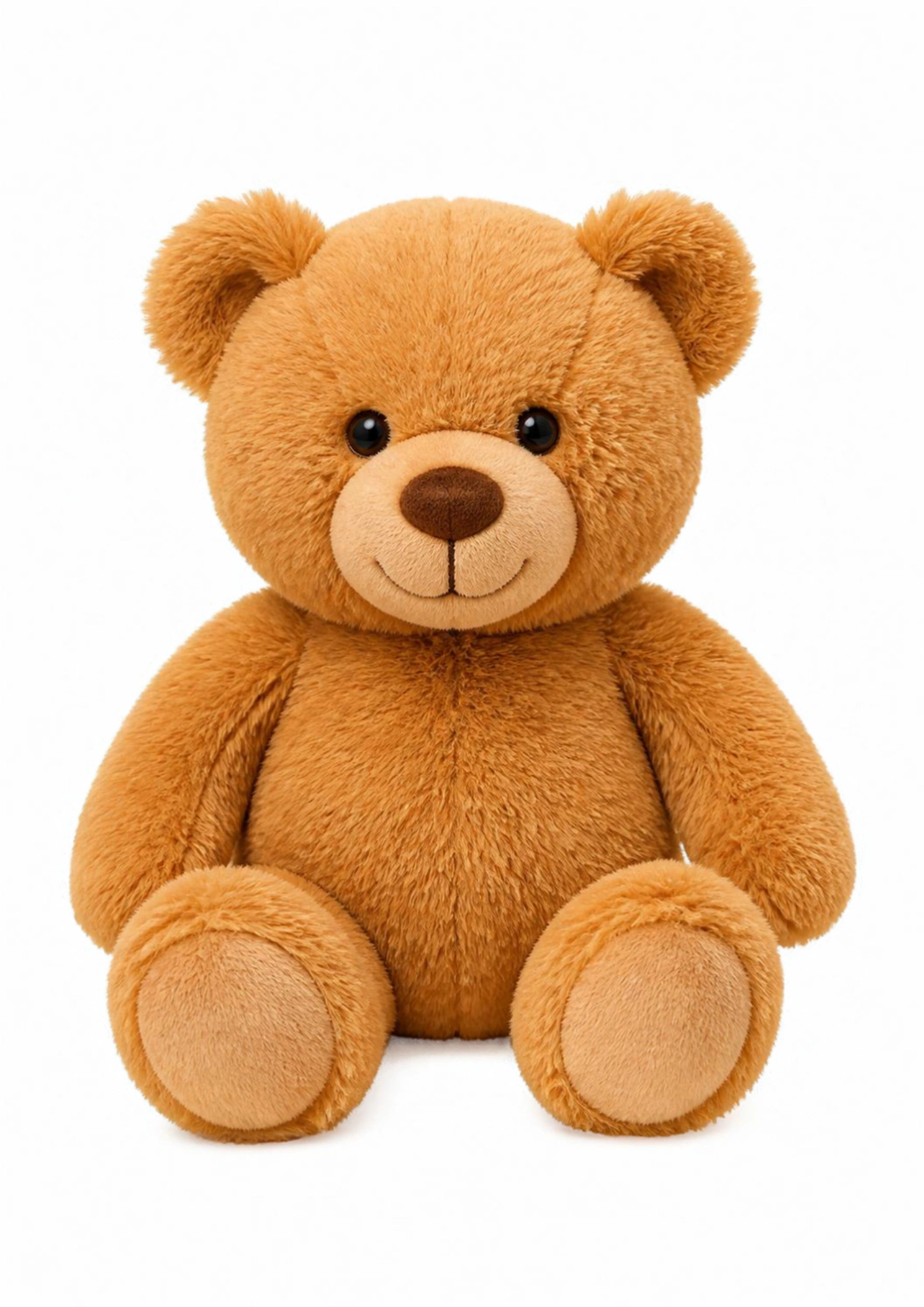
Around six to nine months, babies reach for what interests them, light up at familiar pictures and love a funny animal sound. This class pairs twelve realistic animals with everyday objects — a cat, a dog, a bird, a fish, a duck, a cow, then a ball, a shoe, a cup, a spoon, a car and a teddy bear — shown one at a time while you name what you see and play with simple sounds.
There is no script and nothing to test. Your baby looks and listens, you talk and play, and every little connection — woof, moo, ball, cup — grows early recognition at your baby’s own pace. Short, playful sessions of three to five minutes are all it takes.
Start Today’s Class ↓Twelve cards, one at a time. Name each picture and add an animal sound if you like — short and playful wins.
TODAY’S CLASS
Twelve cards, one at a time.
Card 1 of 12
Or simply scroll: all 12 cards are below.
Class complete — well done. However many cards your baby saw, however long it took, that was a full class. Rest is part of it too.
PARENT INSTRUCTIONS
How to use this activity
Sit with your baby when they are awake and comfortable. Show one card at a time and clearly name what you see. Keep your language simple: ‘cat’, ‘dog’, ‘ball’ or ‘Here is the cup.’
For animals, you can also make a simple sound such as ‘woof’ or ‘moo’. For everyday objects, point out the real object later when you see it together.
Give your baby time to look, listen and respond in their own way. There is no need to ask them to identify or name the pictures.
Keep the activity short and stop when your baby loses interest.
Every baby develops differently. Kiddo School age ranges are guides, not tests or developmental deadlines.
TRY TOGETHER
Little things to say.
Prompts for you, not for the cards — say them softly while your baby looks.
Dog. Woof woof!
Look, a bird.
Here is the ball.
That’s a cup.
Can you see the cow? Moo!
REAL-WORLD CONNECTION
Find It in Real Life
Learning can continue away from the screen. When you see one of these animals or objects during your day, point it out and name it naturally.
Your feedback helps us make Kiddo School better. This is feedback about the activity, for the grown-ups who make it — it is never about a child.
Comments from our school community
FLASHCARDS
Prefer printed cards?
The cards from this class also live in the flashcards library — every card has its own page with the picture, the words to say together and a download button, ready for away-from-screen time.






Comments from our school community