
Black and white baby flashcards.
Printable high-contrast cards, made for newborn eyes.
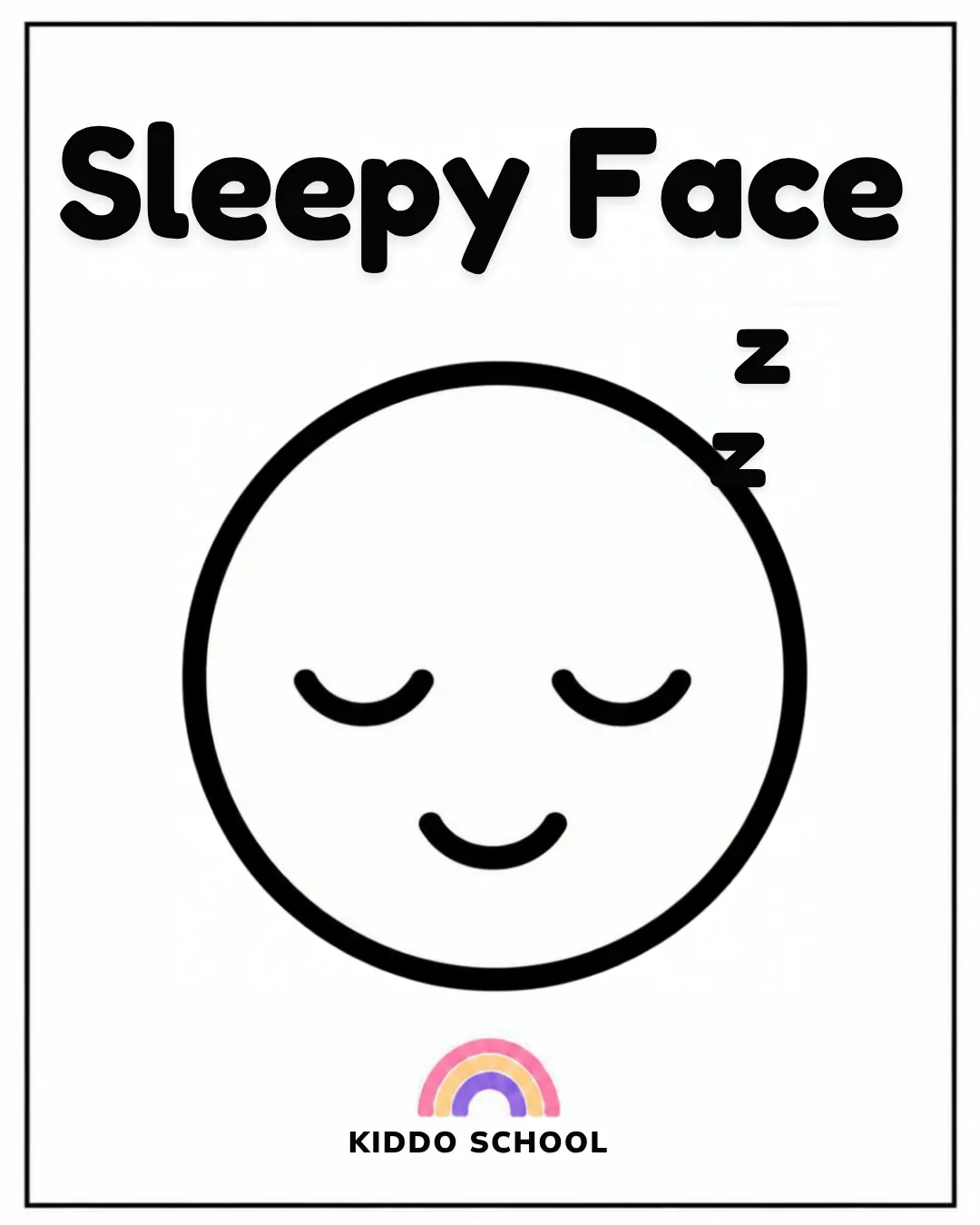
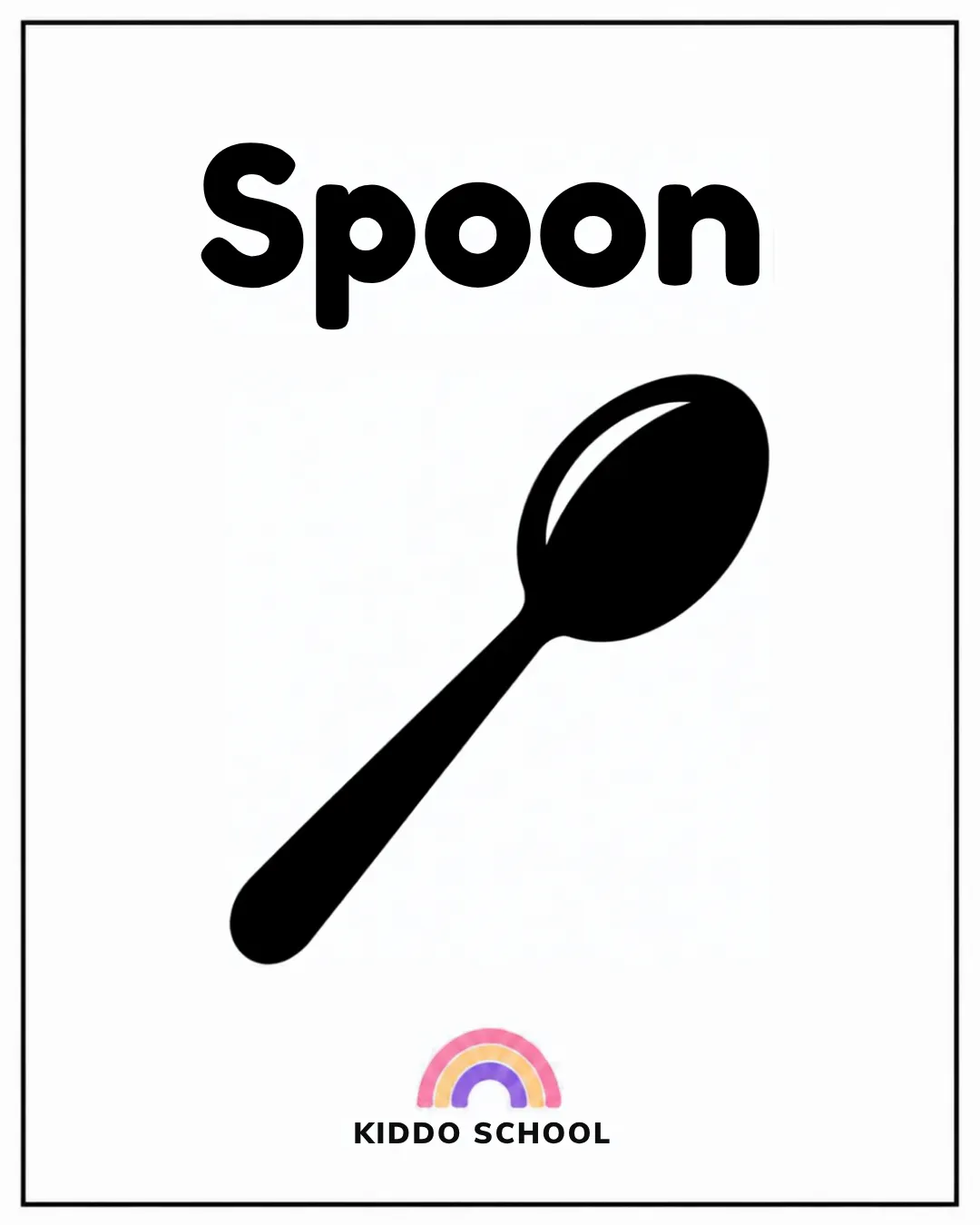
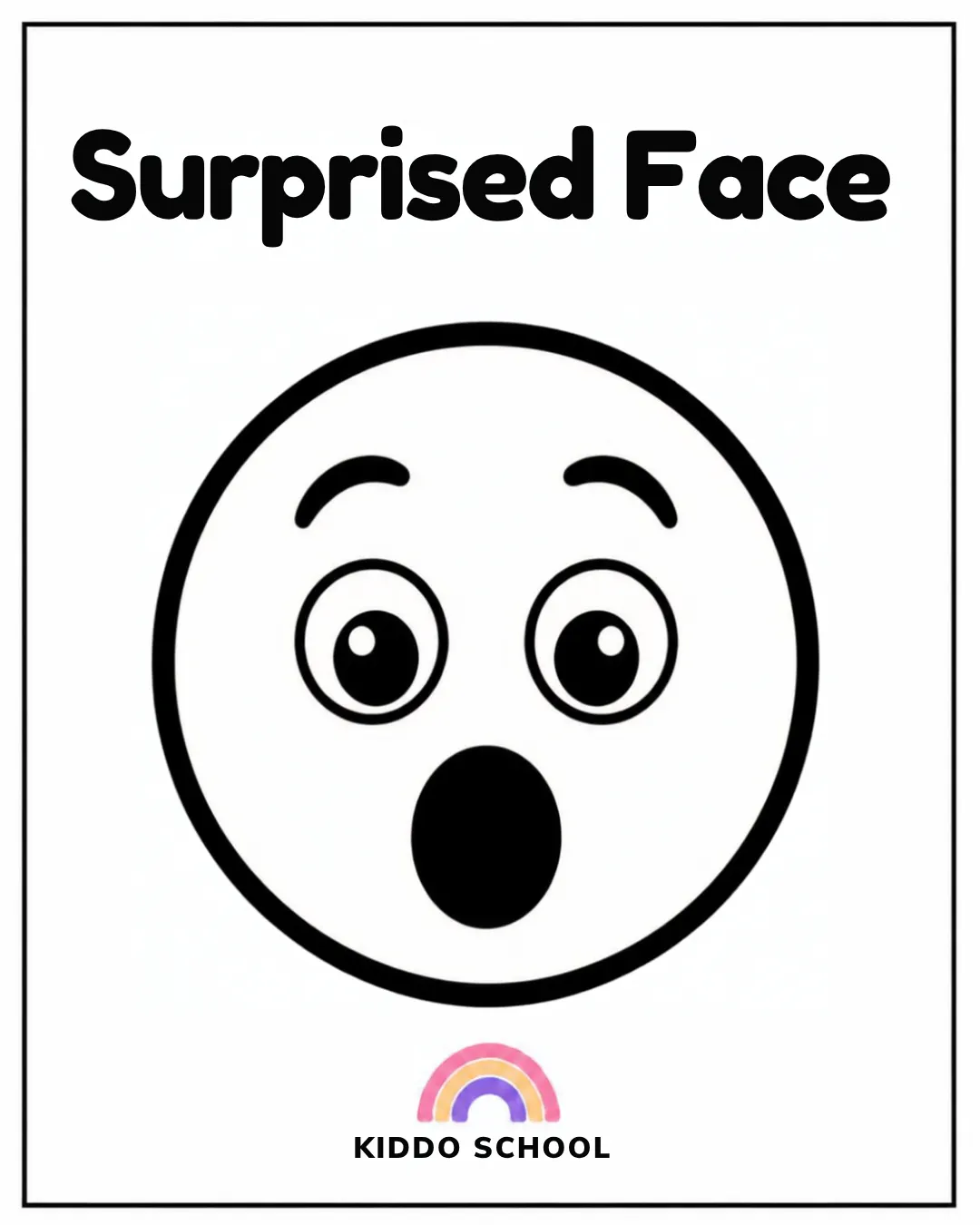
Newborn eyes see the world in black and white first. These fifteen cards use bold, high-contrast shapes that are easy for a baby to focus on, so early looking becomes calm, shared play. Print them at home, hold one up close and talk softly as your baby meets the bear, the bird, the butterfly, the fish, the cat, the elephant, the rabbit, the turtle, the ball, the cup, the spoon — and three friendly faces. There is nothing to teach and nothing to test: the whole point is a quiet minute of looking together.
What the cards are for, stage by stage.
The exact age, class and subjects for each stage, so you always know what your little one is working on.
Black and white bold shapes, stripes, circles and simple faces.
B&W patterns first, then very simple high-contrast images. Parent voice activities.
B&W plus strong single colors, faces and familiar objects.
Meet the whole set.
Every card has its own page with the words to say together, one thing to try and a full-size download. Tap any card to open it.
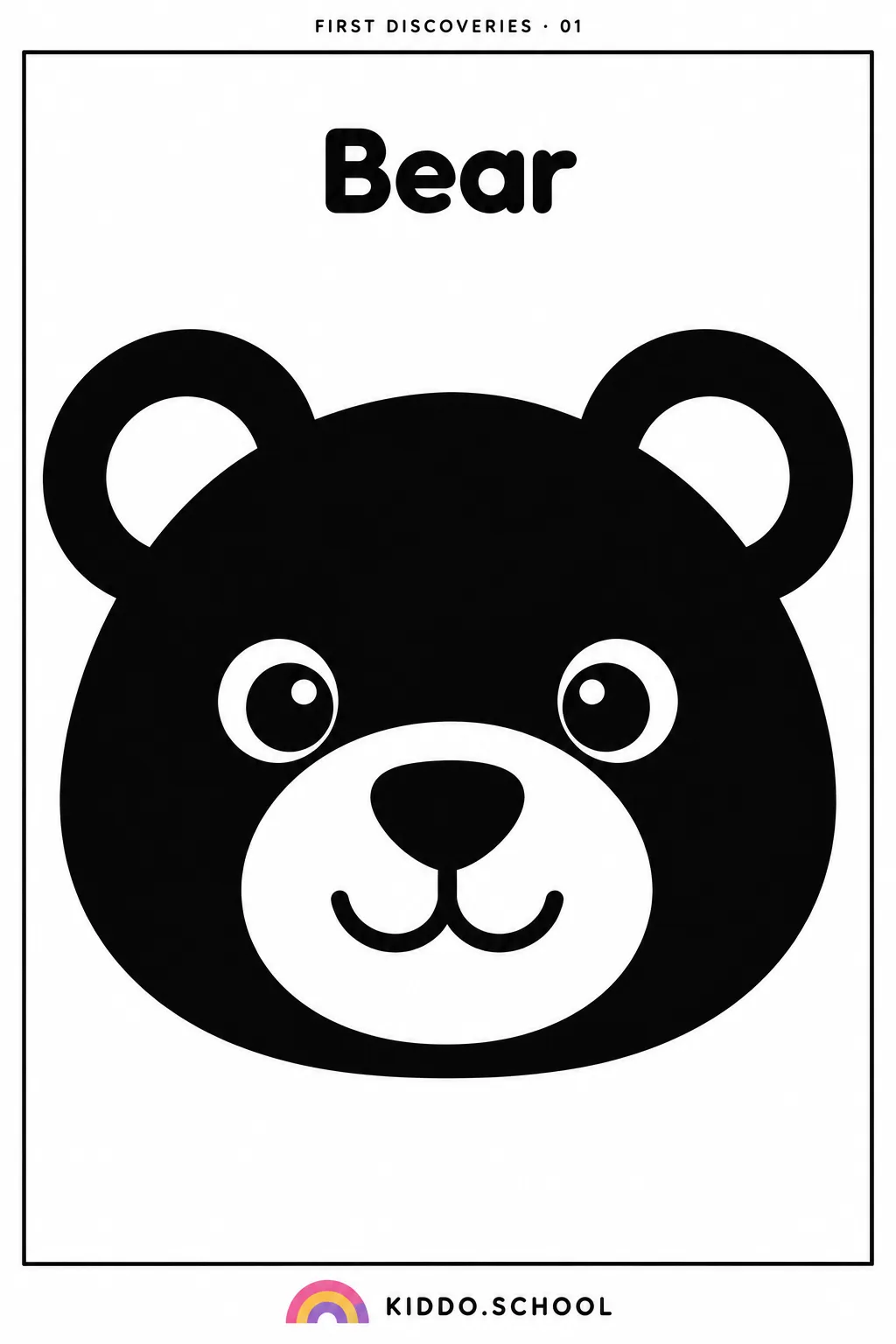
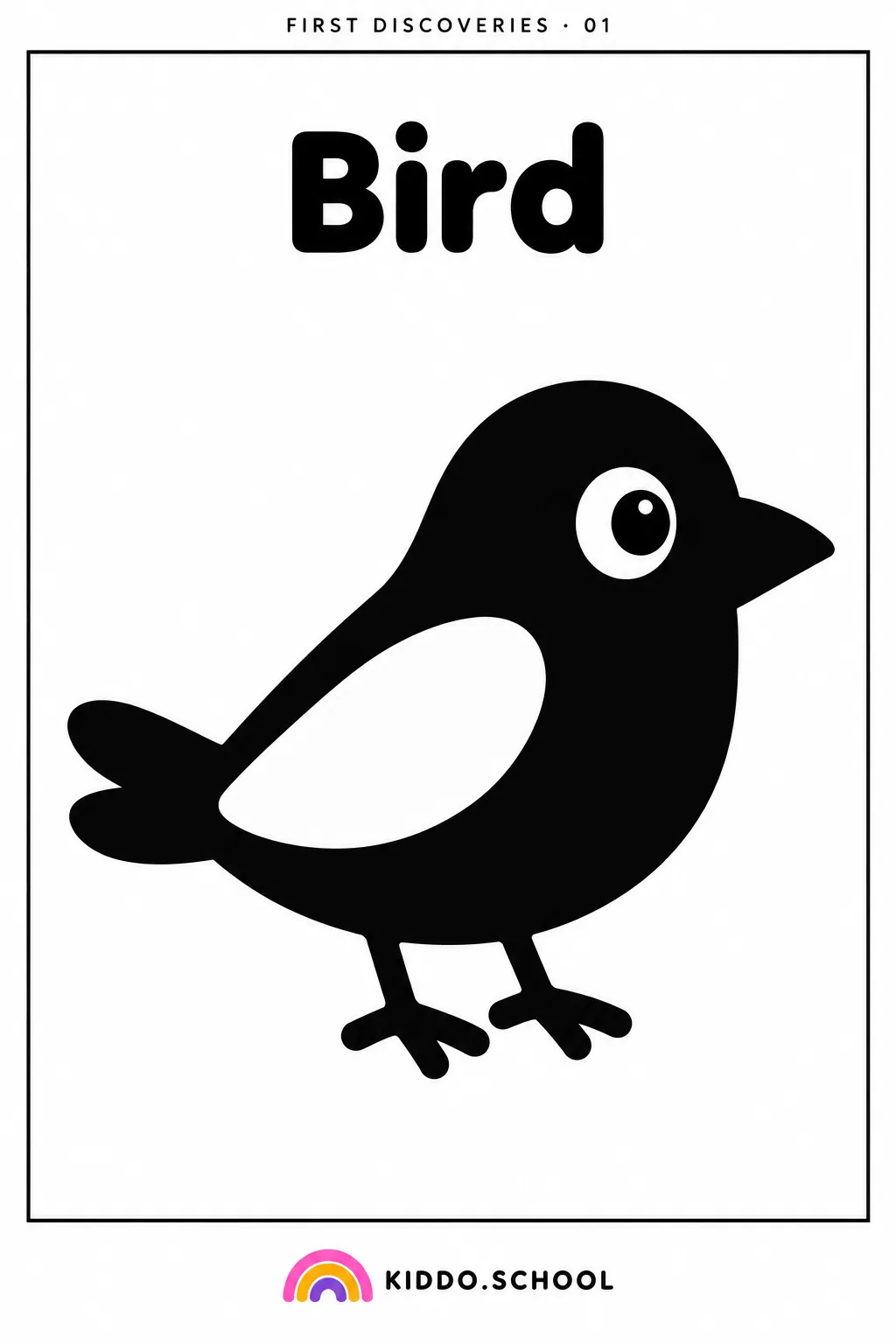
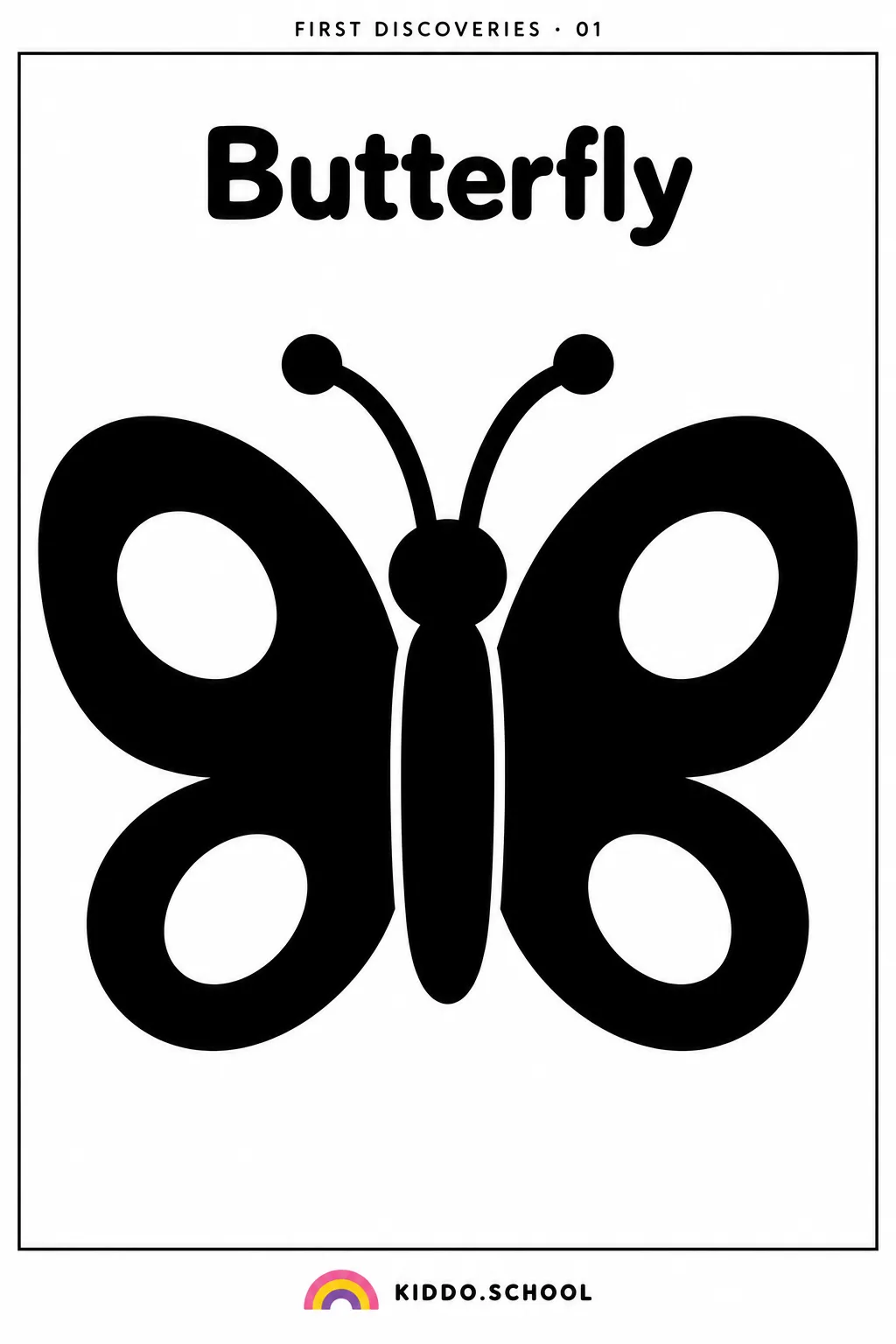
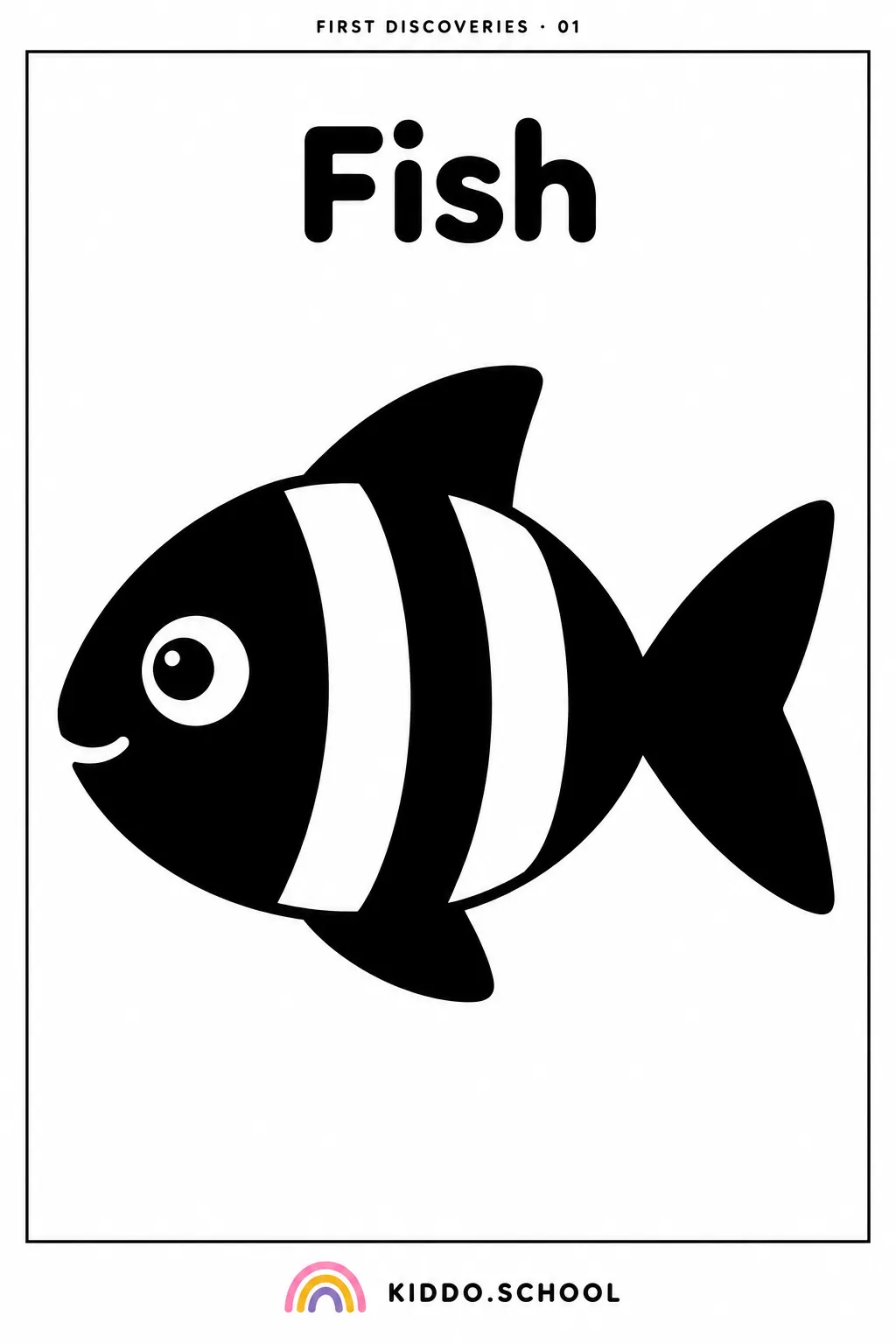
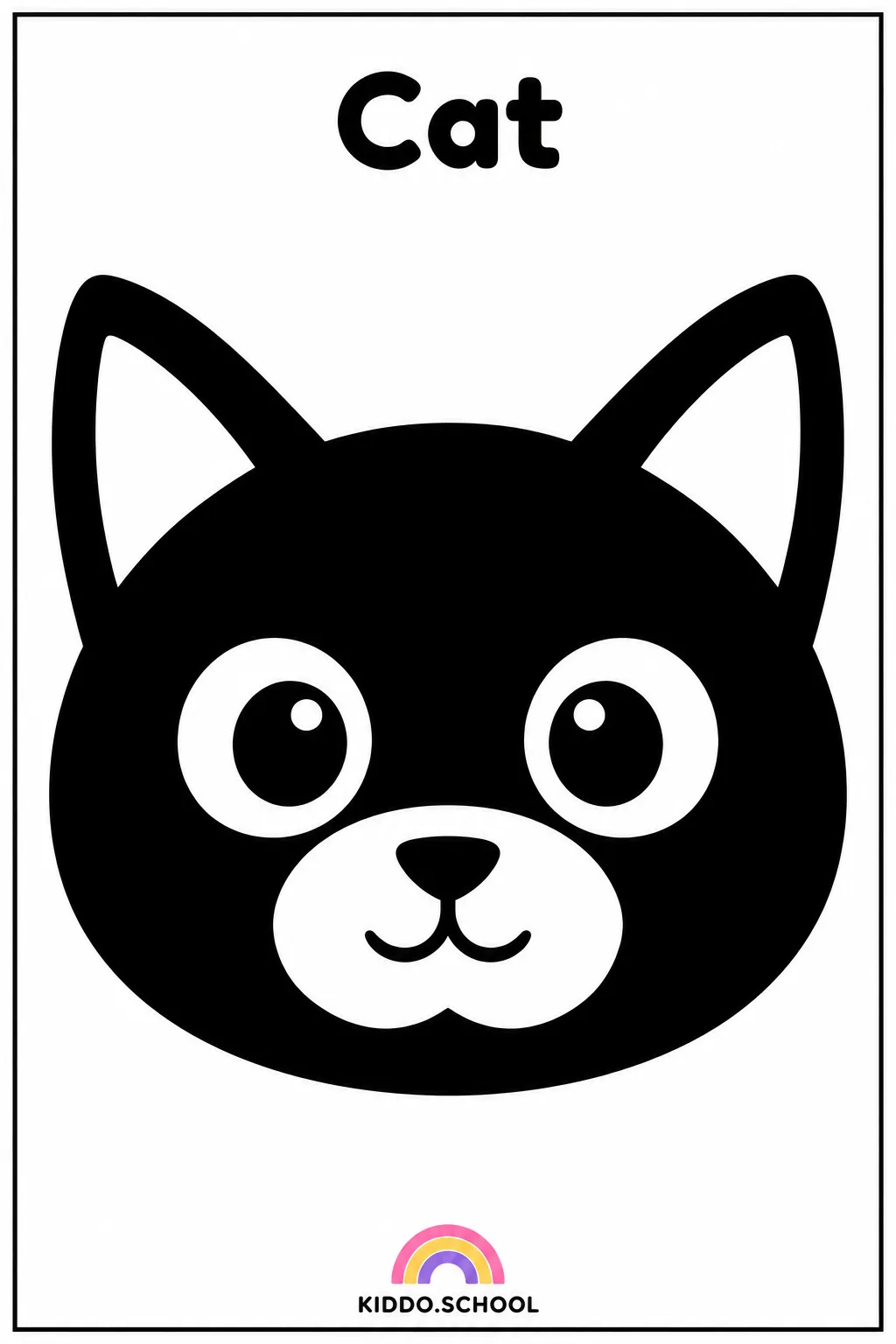
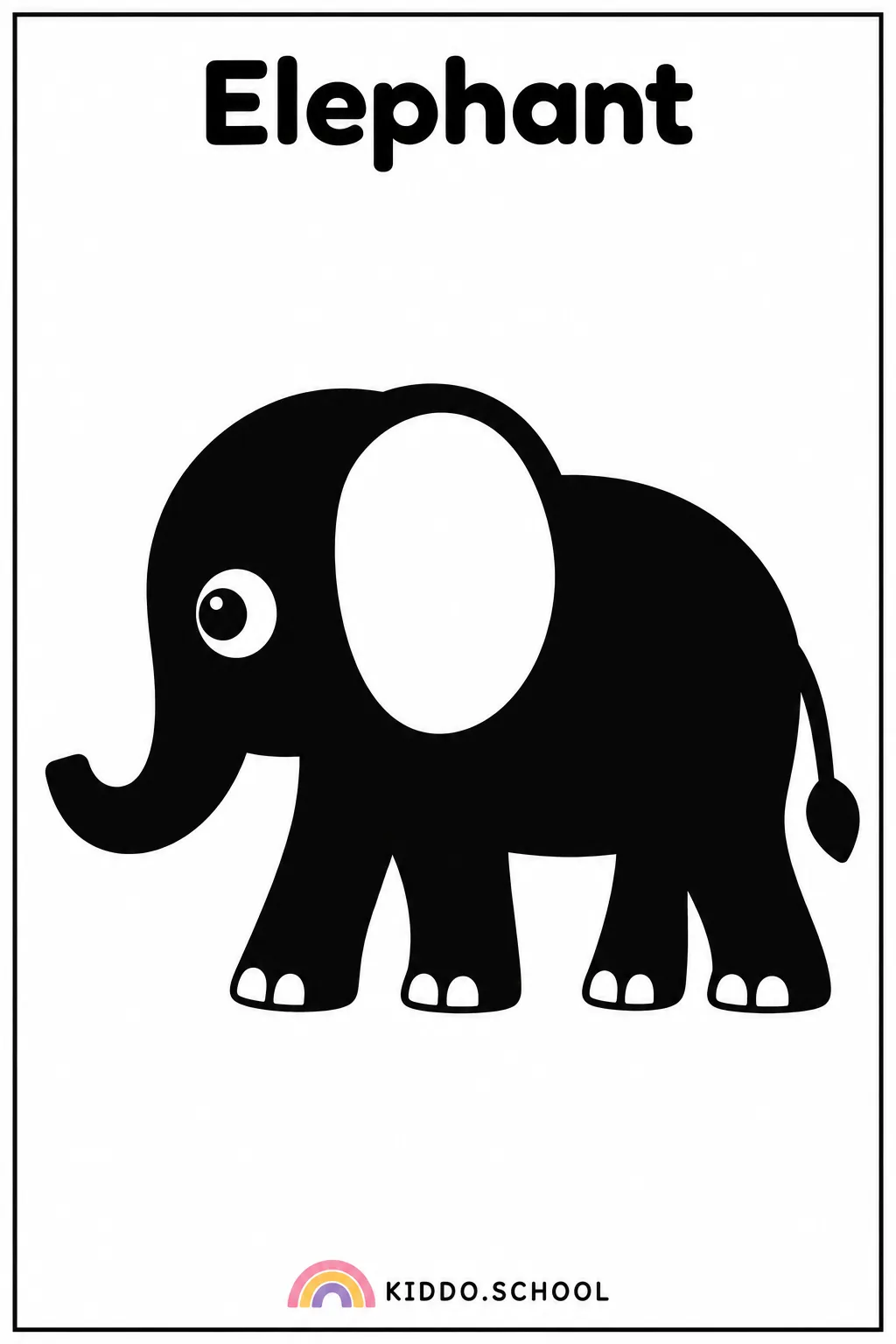
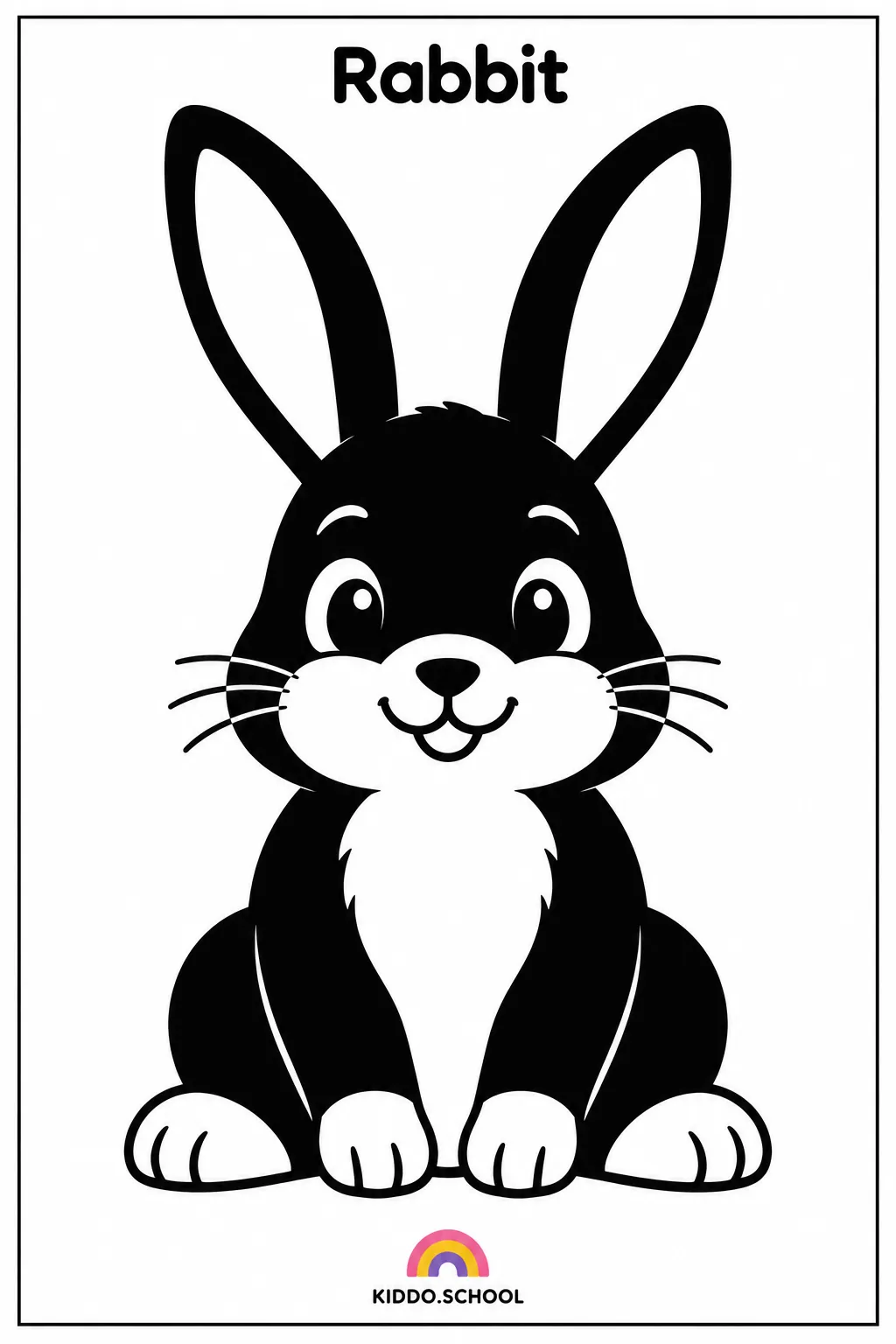
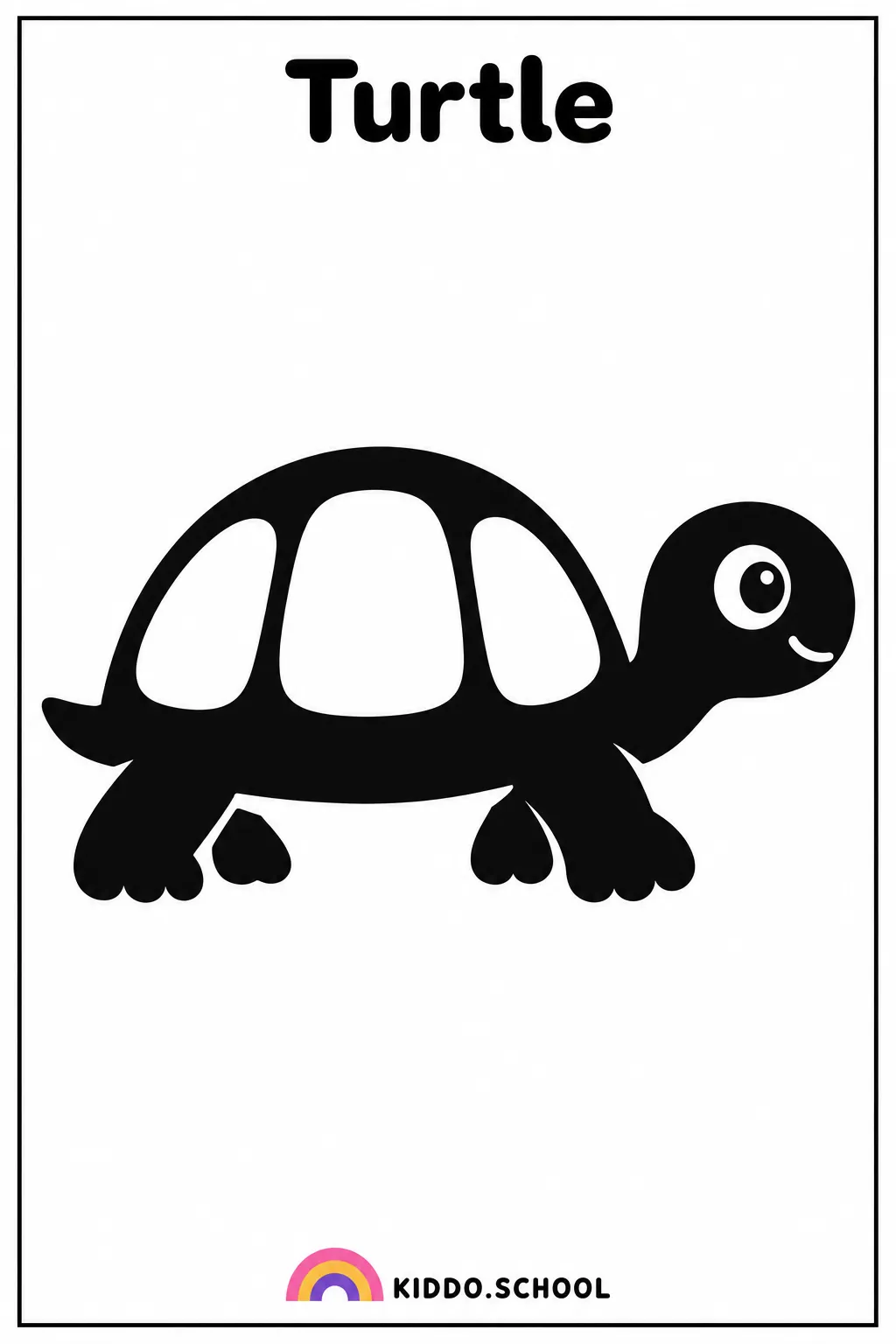
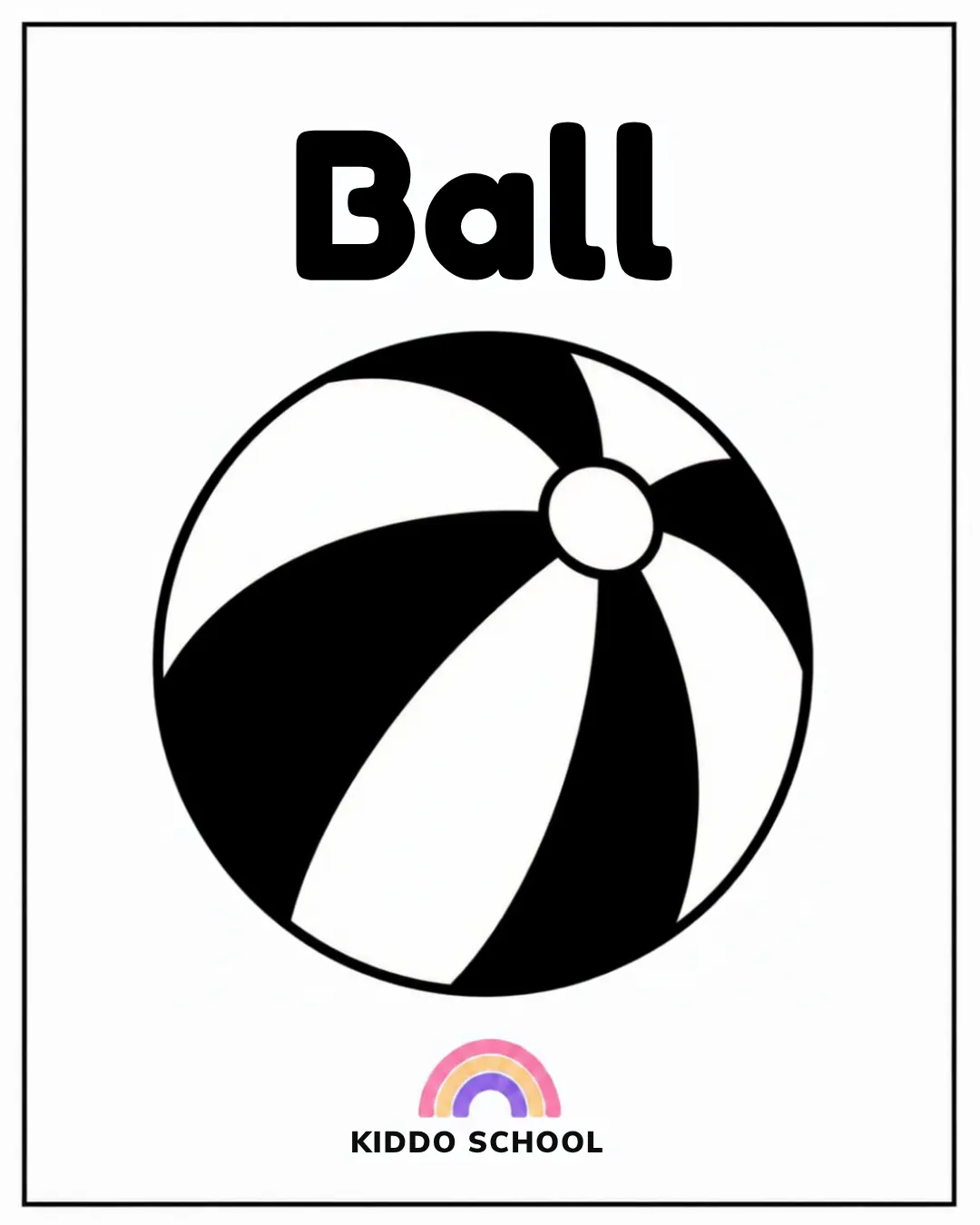
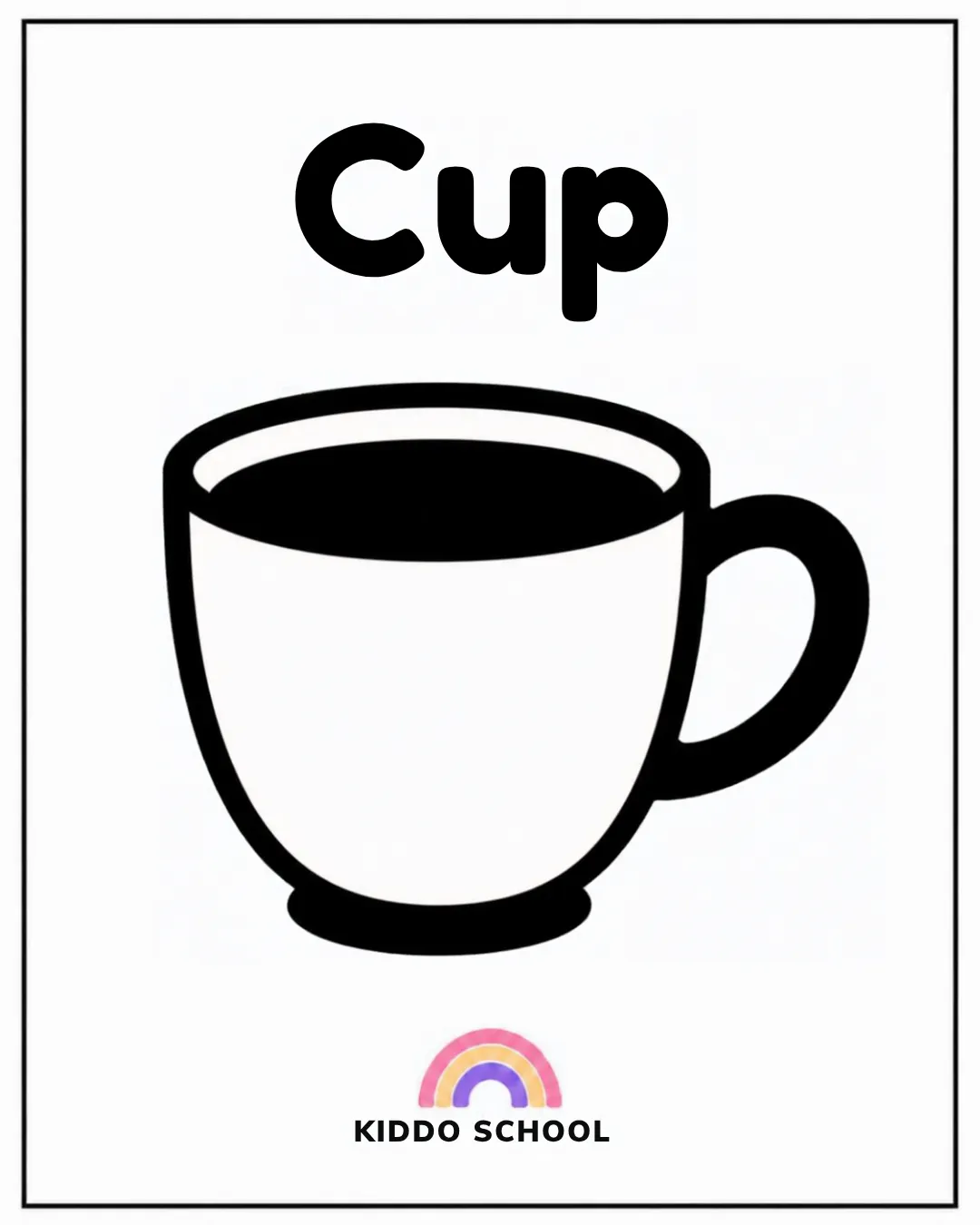
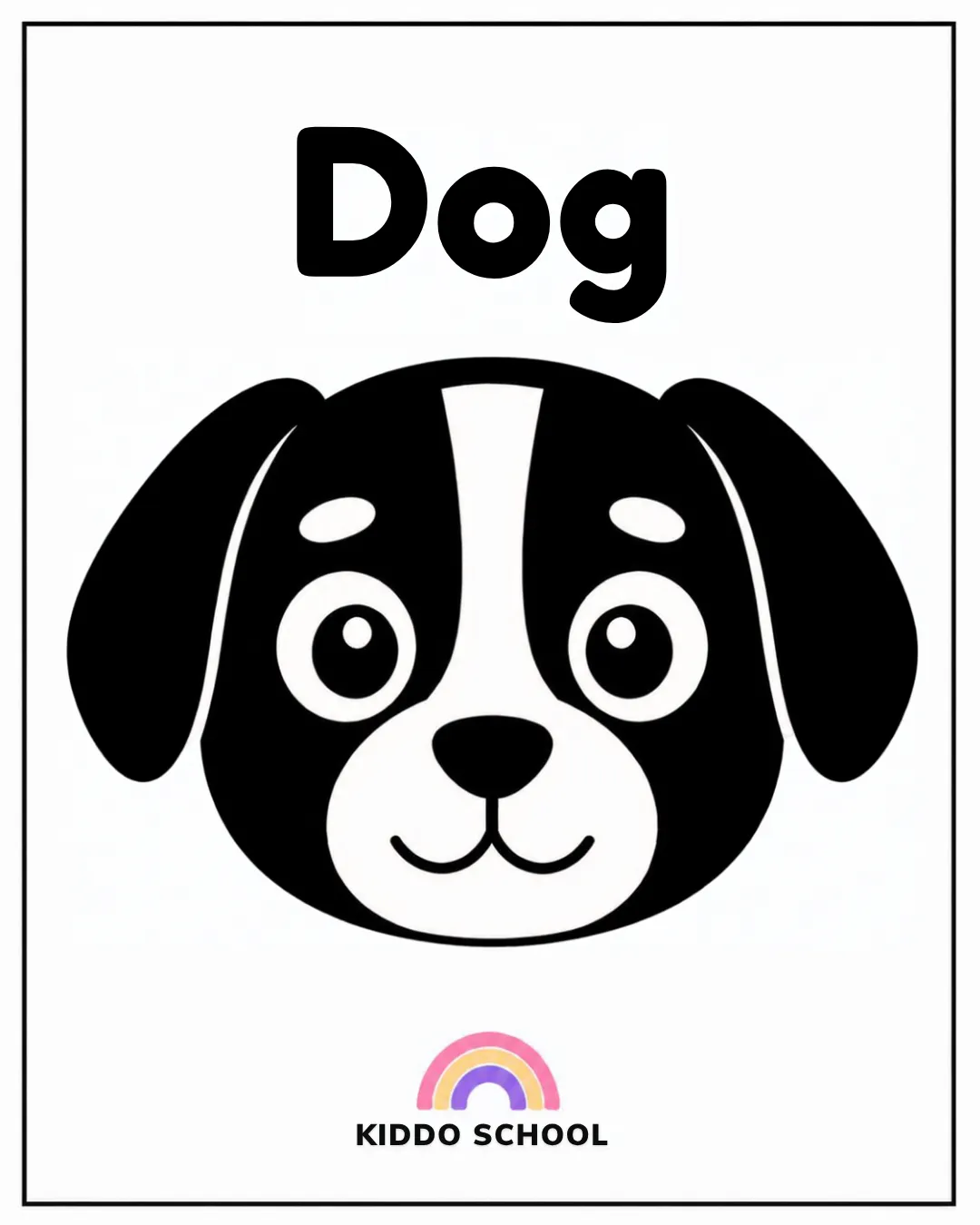
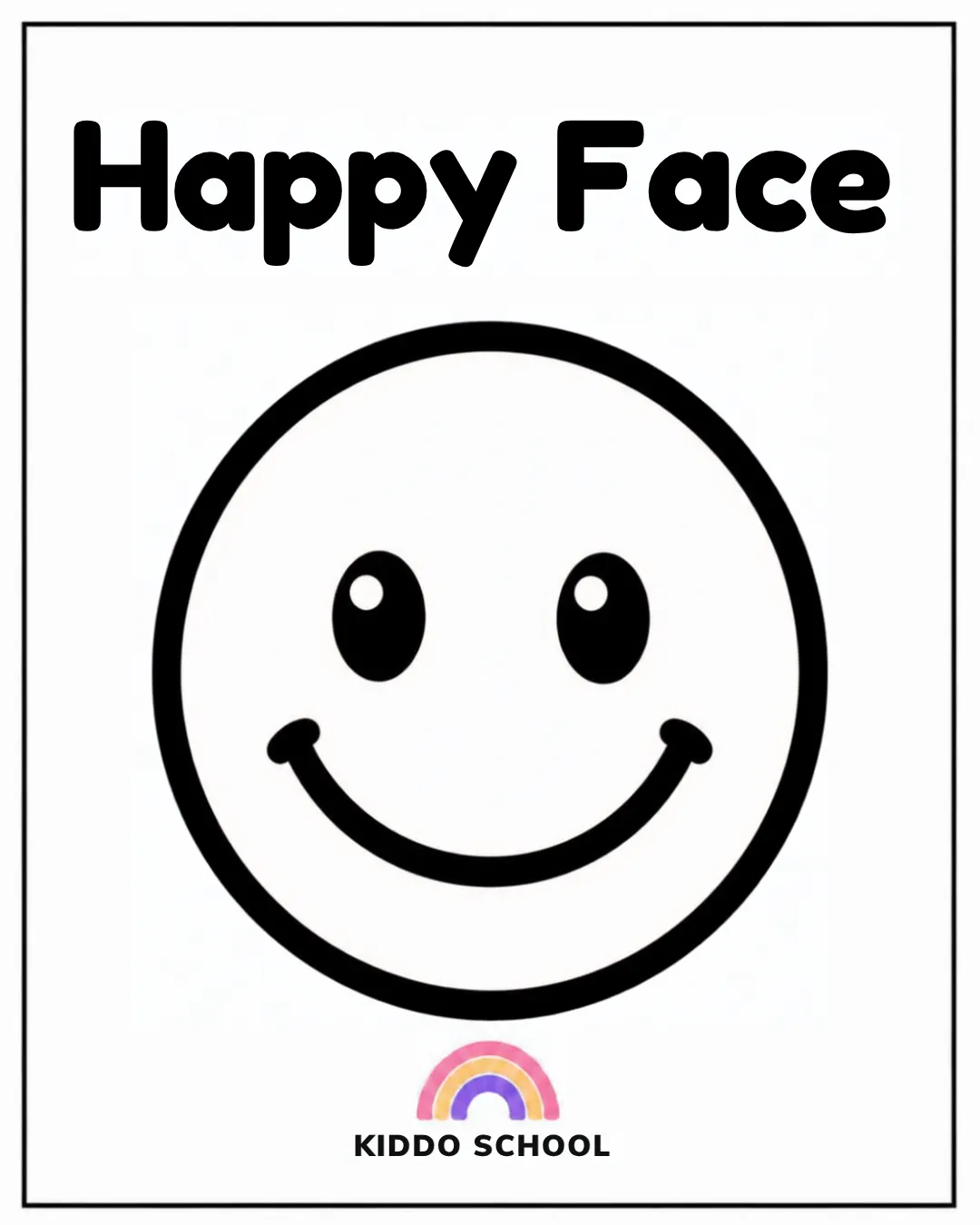
The parents guide.
One printable page for you, not for the baby: how to print, how to hold the cards, and when to stop. Handy to keep on the fridge or hand to babysitters and grandparents.
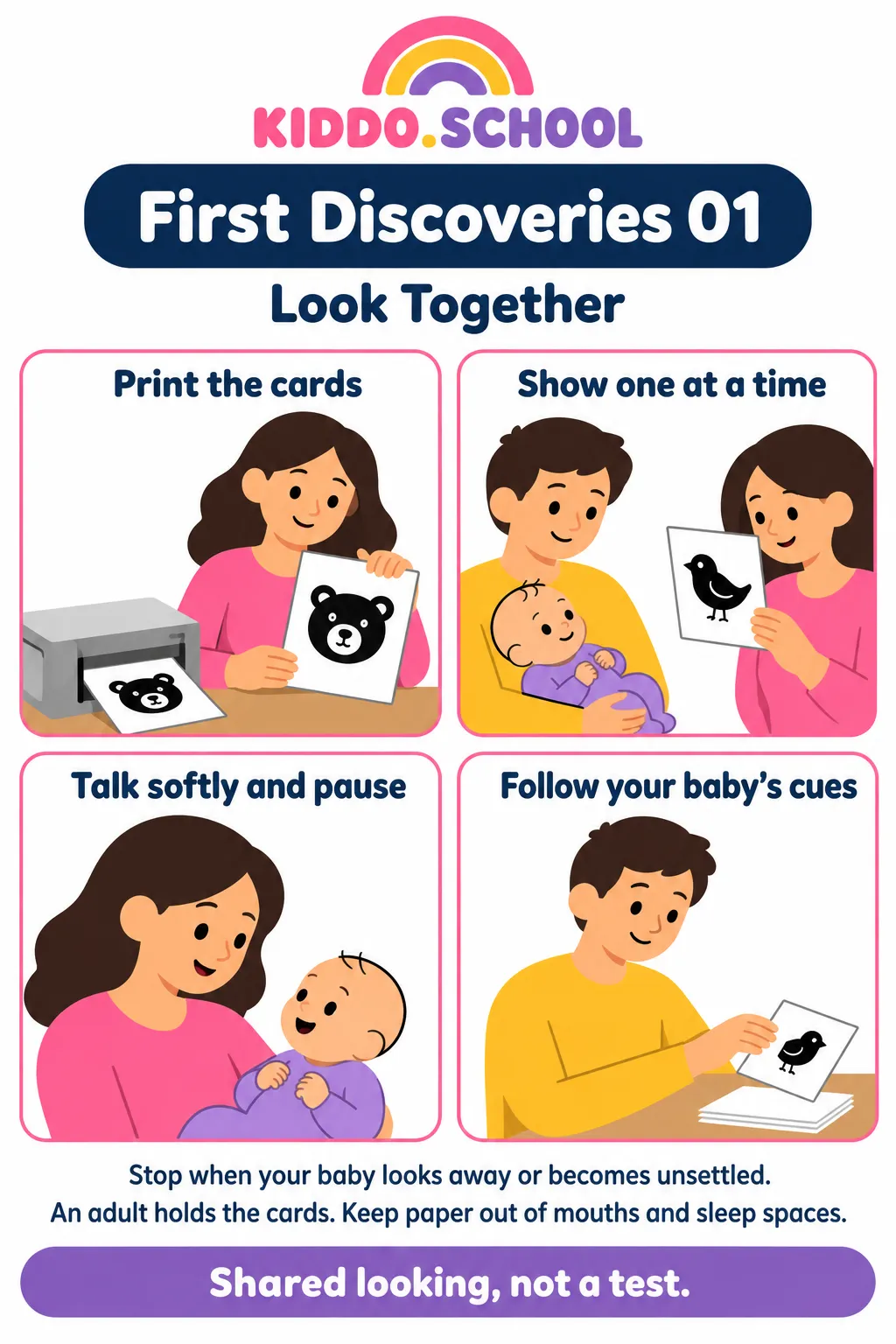
One card, one quiet minute.
- 01
Print the cards
Print on A4 or Letter paper using fit to page. Plain paper works; cardstock or a photo setting makes the cards last longer.
- 02
Find a calm moment
Pick a time when your baby is awake, fed and settled, such as after a feed or a nappy change. A few minutes is plenty: little ones work hard just by looking.
- 03
Hold one card close
Hold a card about 25 to 40 centimetres from your baby’s face, roughly the distance from your chest to your face during a cuddle. An adult always holds the cards.
- 04
Talk softly and pause
Name the animal in a gentle voice: bear. Then wait. Babies answer with stares, wiggles, coos or wide eyes, and the pause is where the conversation happens.
- 05
Follow your baby’s cues
When your baby looks away, yawns or wriggles, the session is over. Try a different card another day; the bear will still be there tomorrow.
Why black and white?
A newborn’s vision is still under construction, and contrast is what develops first. Black shapes on a white background are the easiest thing for brand-new eyes to lock onto, which is why high-contrast cards hold a baby’s attention longer than colourful toys. Following a card with their eyes builds early tracking and focus, and hearing you name each animal wires words to what they see. Shared looking is not a lesson: it is your baby’s first conversation.
Make it work for you.
Keep it simple
Newborns to three months love the simplest, boldest shapes. Hold the card still at first, then move it slowly from side to side a few centimetres so your baby can practise following it.
Take it further
From around three months, babies reach and bat. Let them touch the card, tap the bear’s nose and crumple a spare sheet to explore. Around this age, black, white and red pictures become extra interesting.
A note for grown-ups: An adult always holds the cards. Keep paper away from little mouths and out of sleep spaces, and choose a calm moment for card time. Stop when your baby looks away or becomes unsettled: shared looking, not a test.
How did it go?
One tap, no writing, no name. Pick the face that matches how it went — reactions are counted instantly and stay anonymous.
Parent reviews.
A different thing from the quick faces above: a star rating for the grown-ups, plus an optional line about how it went. Every review is read by the school office before it appears.
No parent reviews yet — yours could be the first.
Parent comments.
How did you use this page Share the game, the moment or the trick that worked in your house. Comments are read by the school office before they appear, and they are about your ideas — never about your child.
No parent comments yet — yours could be the first.