Age 3 YearsClass Preschool 5Subjects Opposites & comparing
Twelve cards in six honest opposite pairs — big and small, tall and short, long and short, full and empty, hot and cold, open and closed. Printable opposite sheets to compare at the table, and a house full of things to compare: this class follows Colors & Color Mixing on the preschool path.
Opposites only work side by side, so show every pair together: the big ball next to the small ball, the open door next to the closed one. Start with the pair your child already feels — full and empty at snack time is a fine one — and let the rest of the set wait its turn.
Start Today’s Class ↓Grown-up nearby, little one on the lap or wandering the room — both work.
TODAY’S CLASS
How today’s class works.
Four little steps, in any order that suits you: a welcome from your teacher, the opposite pairs, solving the opposite sheets together, an off-screen hunt, and a warm goodbye. Stop after any step — that is a complete class, and there is never a score at the end.
1 Teacher welcome
2 Learn the opposite pairs
3 Solve the sheets
4 Take it off screen
5 Class complete
TEACHER WELCOME
“Hello, my friend — and hello to you, grown-up helper! Today we are playing the opposite game: big and little, full and empty, open and shut. Show each pair side by side, say both words together, and let your child shout the difference. Ready?”
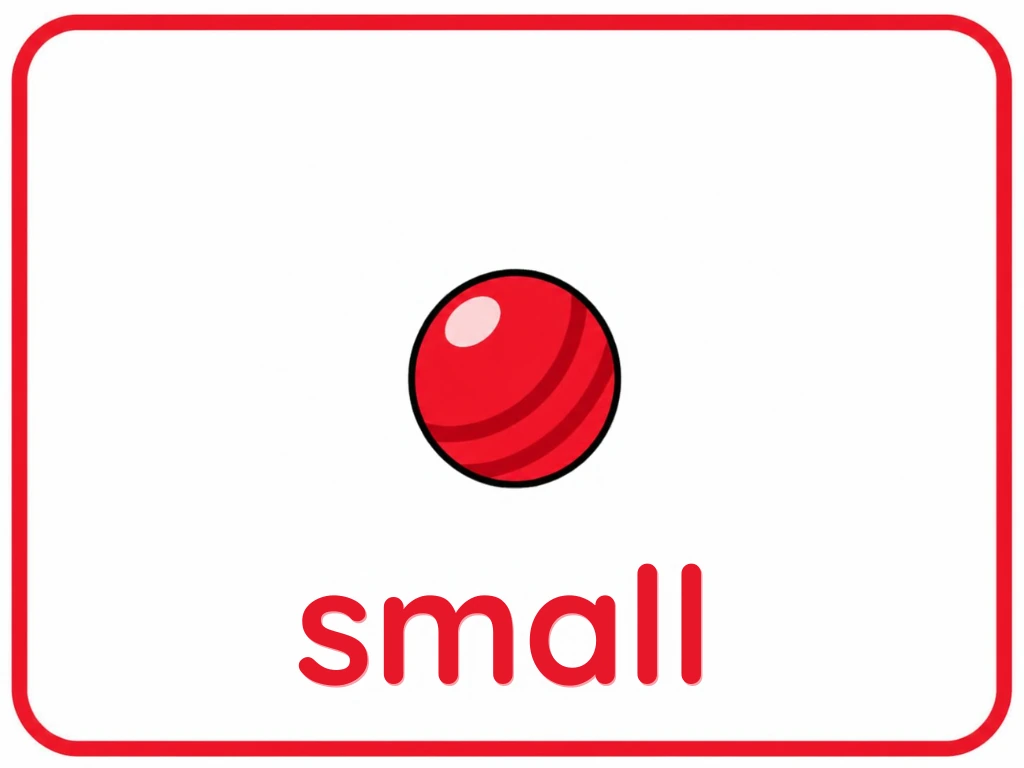
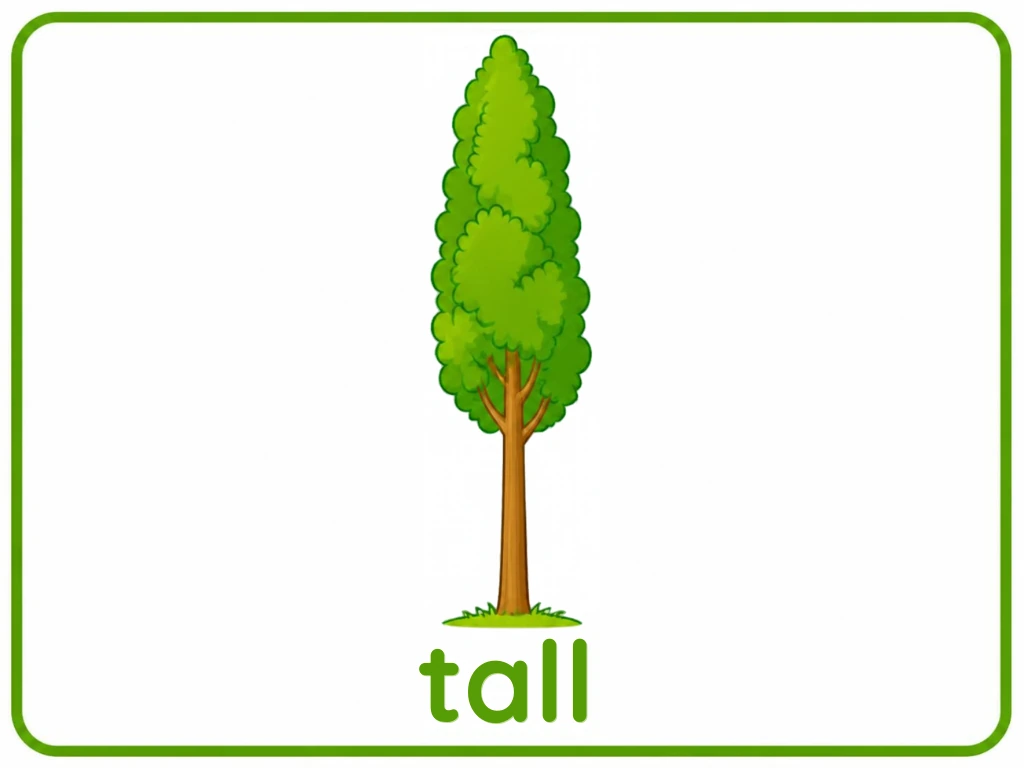
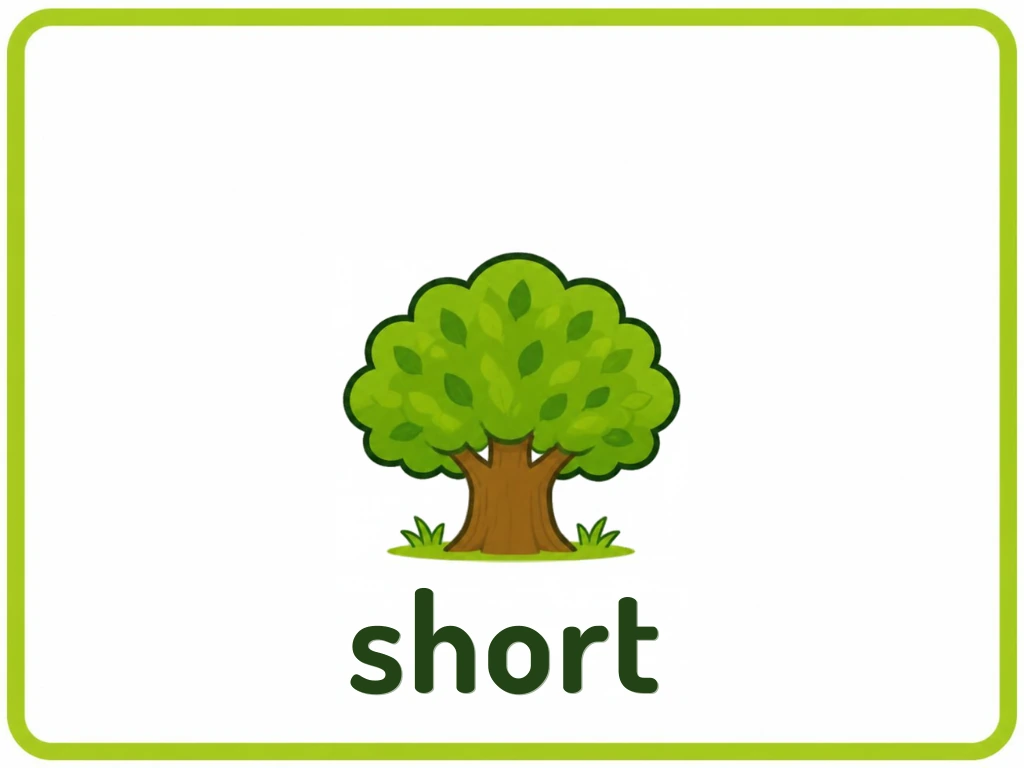
Every opposite arrives with its partner: big ball then small ball, tall tree then short tree. Say both words in one breath — “big ball… small ball!” — and let your child point at the difference before you move on. Use the arrows to wander, or simply scroll: all twelve cards are below.
Card 1 of 12
Or simply scroll: all 12 cards are below.
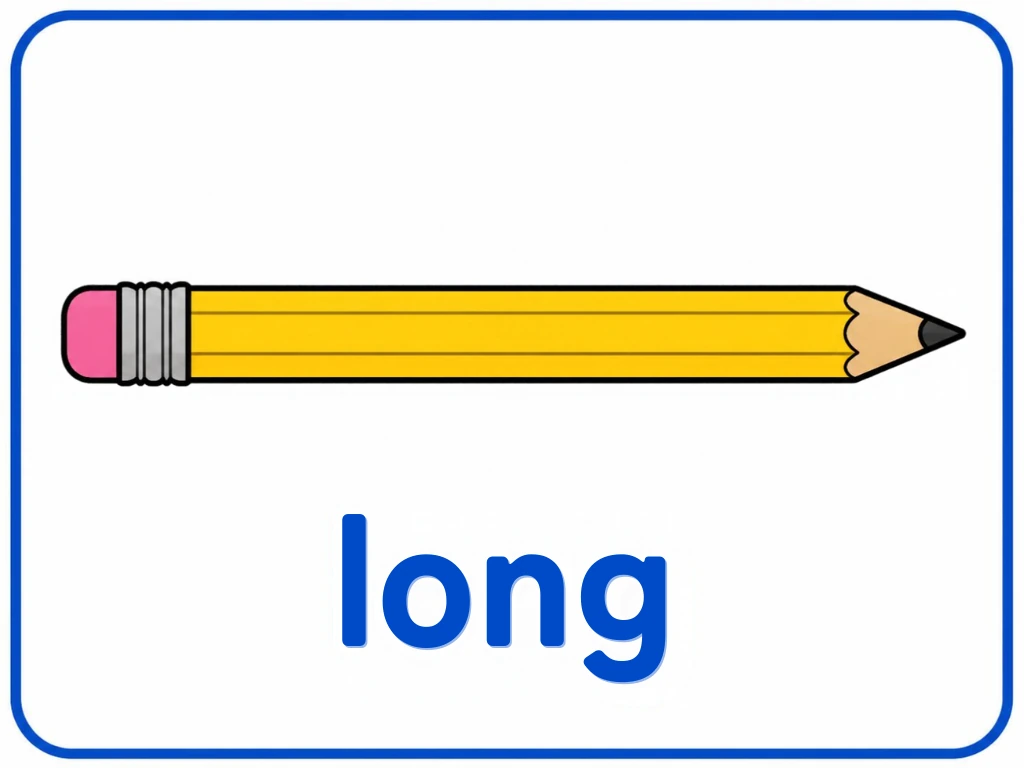
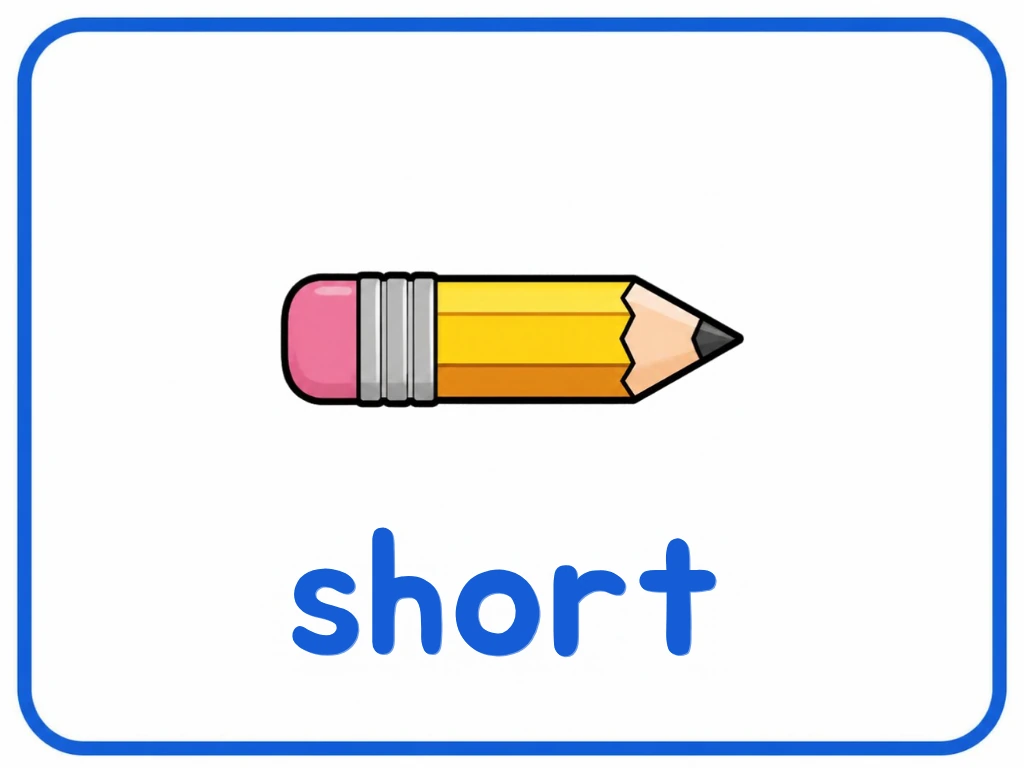
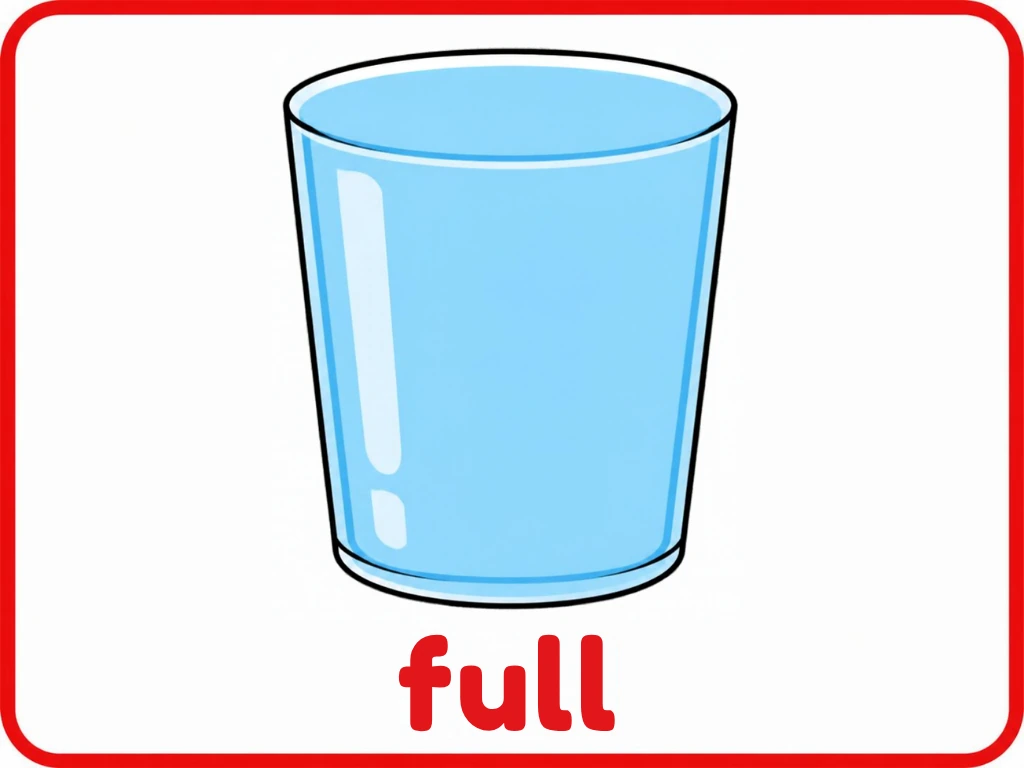
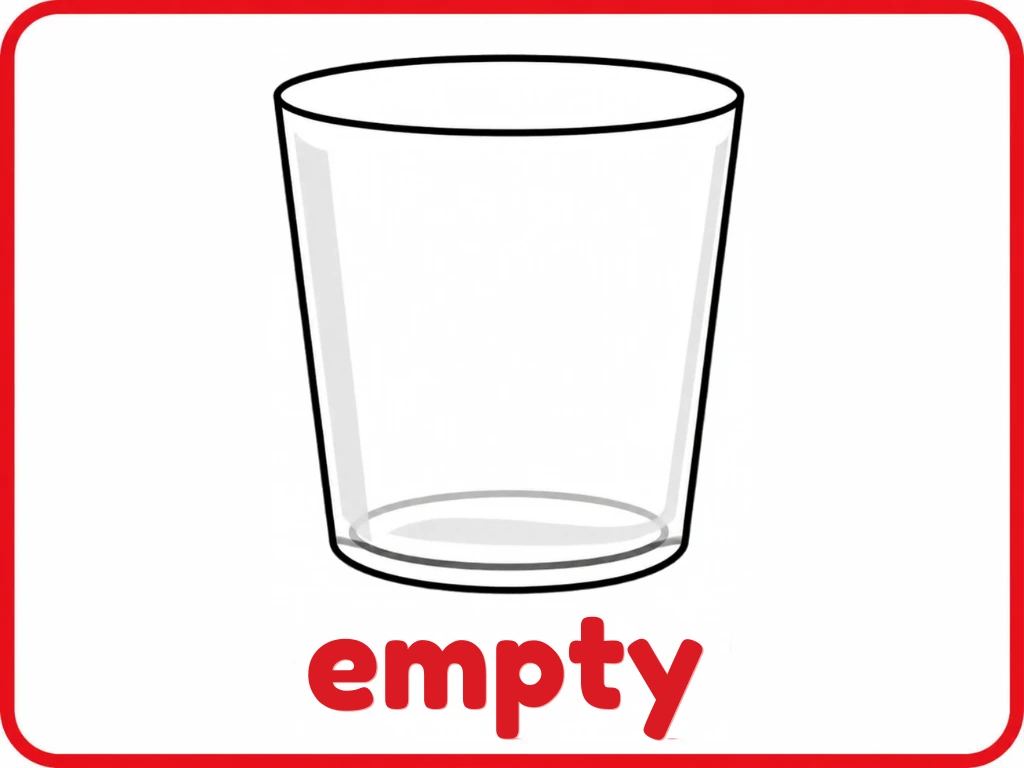
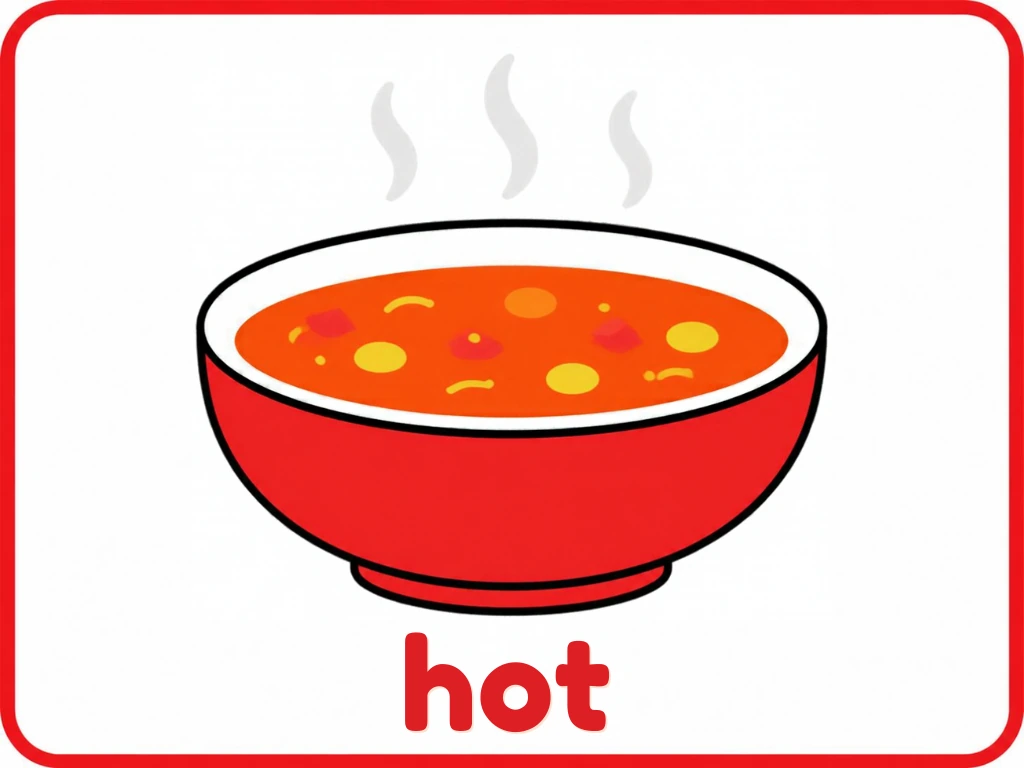
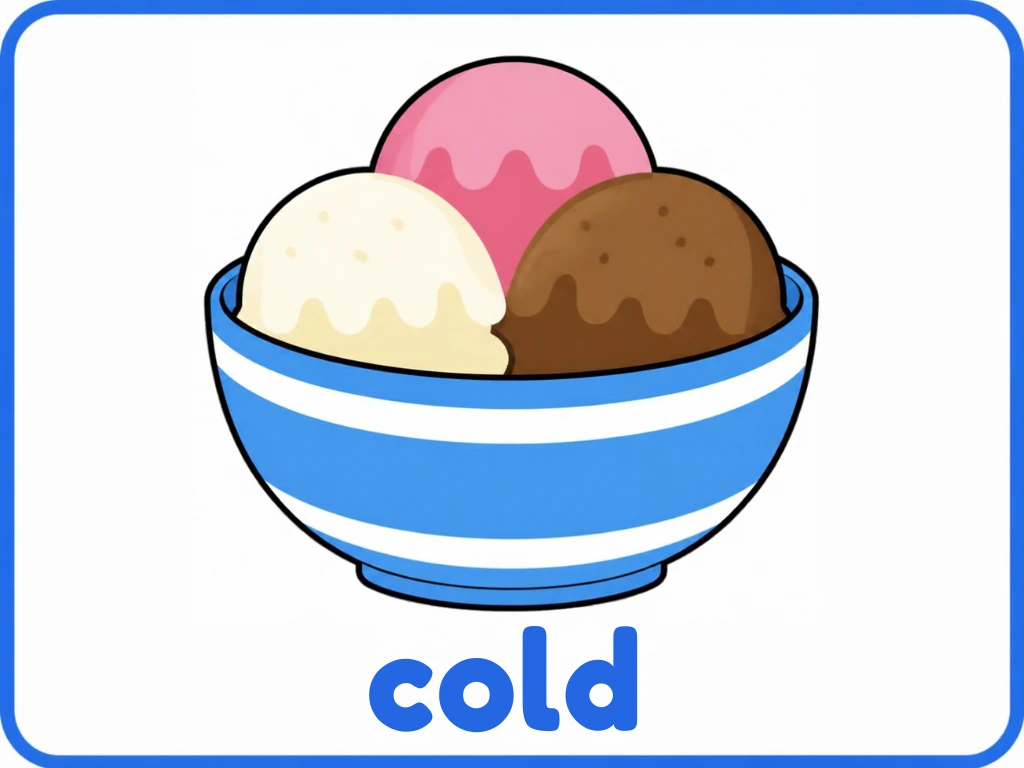
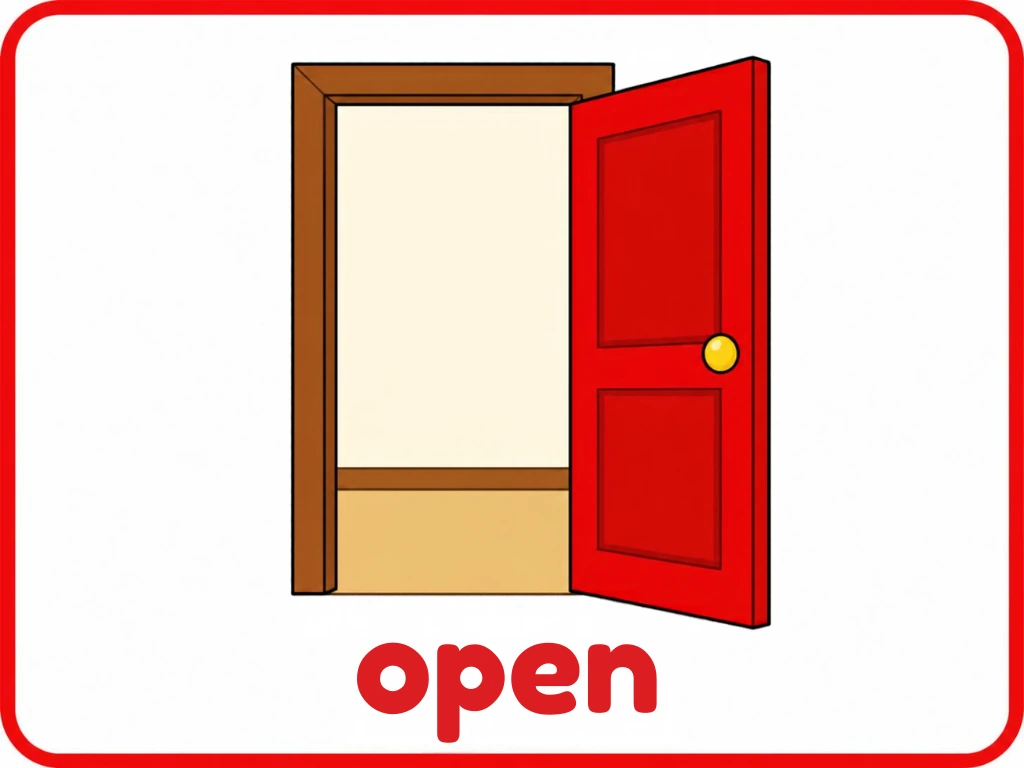
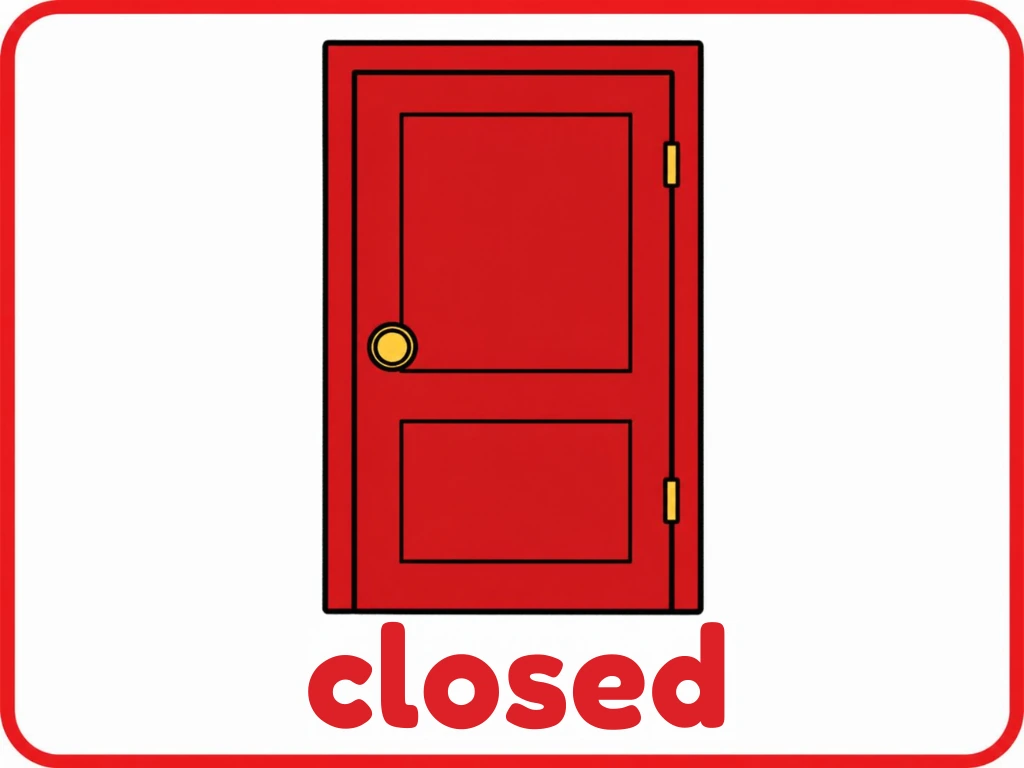
Big ballSmall ballTall treeShort treeLong pencilShort pencilFull glassEmpty glassHot soupCold ice creamOpen doorClosed door
Say the pairs together
big ball and small ball, tall tree and short tree, long pencil and short pencil — the measuring words. Hold your arms wide for big, pinch two fingers for small.
full glass and empty glass, hot soup and cold ice cream, open door and closed door — the everyday opposites. These three already happen at your house every single day.
SOLVE THE SHEETS — ON PAPER OR ON SCREEN
Solve the opposite sheets together.
The six opposite pairs print two to a page, straight from your browser. Printed, cut and compared, they are the class’s real worksheets — and on screen, every card page can be drawn on directly.
01
Print the pairs
Open the printable cards and print all twelve, two to a page. Cut them out together, saying each word as it is cut.
02
Lay the pairs side by side
Put big next to little, tall next to short. Comparing two real cards is where the word difference actually means something.
03
Act the pair out
Arms wide for big, arms close for small; a tall stretch, a short crouch. Bodies learn opposites fastest.
04
Find them at home
Find one pair in the house — a full cup and an empty cup is the classic. Then draw the pair on the card page with the Write & Color layer.
Every card page has a Write & Color layer: your child can draw right on the card with a finger, a stylus or the mouse, then save the finished work. Nothing is uploaded anywhere.
TAKE IT OFF SCREEN
Opposites that live in your house.
Comparing words stick away from the screen, on real things your child can hold, pour, knock and line up. Pick one of these — two minutes is plenty — and follow your child’s lead.
The big-and-small basket
Collect two sizes of the same things: a big spoon and a small one, a big book and a small one, a big sock and a little one. Drop them in a basket.
Pull them out one at a time and sort into two piles, saying the words each time: “big spoon — small spoon!” Your child does the sorting; you do the announcing.
Fill and pour
Sink, bath or a bowl on a towel: fill a cup right to the top and say “full!” Then pour it out slowly — “empty!” — and do the whole story again.
Spilling is part of the lesson, so the towel is part of the game. Full and empty are sink words; the cards just introduce them.
Hot and cold kitchen talk
Warm toast in one hand, cold yogurt in the other: “warm… cold!” A warm bath and a cool drink work just as well. Your child names the pair; you keep every truly hot thing far away.
Say it as a game, not a warning — the word “hot” lands best when it is about comparing soup and ice cream, not about being told off.
Open, shut them
Cupboard doors, box lids, books and your own two hands all play this game: shout “open!” and “closed!” together as each one happens.
Real front doors stay a grown-up job — slow and supervised. Books and hands can open and shut as fast as your child likes.
Stay close, keep it playful and stop while it is still fun. There is nothing to finish here.
PRINT THE CARDS
Take the opposites to the kitchen table.
All twelve cards print two to a page, in pair order, straight from your browser — no PDF, nothing to install. Cut them out and the whole set plays on the table.
Printed cards love fridges, bedroom doors and kitchen tables. The same cards also live in the flashcards library, each with its own page.
TEACHER NOTE
One last word from class.
“What a day of comparing! Big and small, full and empty — your child spotted differences everywhere today, and every single one counts. Keep the words alive at snack time and bathtime, and let your child win the comparing game sometimes. See you in class!”
— Your Kiddo School teacher
A NOTE FROM THE PRINCIPAL
For the grown-ups.
At three, comparing is body-first: arms stretched wide for big, fingers pinched for small, a whole-body crouch for short. The words settle fastest when they ride on real actions — pouring, measuring, knocking — which is why the games here lead back to your kitchen and bathroom. If your child mixes up tall and long, that is exactly on track: the differences between comparing words take years, and the joy of announcing “bigger!” matters more today than getting every word right. Everything gives calm feedback with no scores, and the match board works with pointing alone.
Whether you met two pairs or all six, that was the whole class — and stopping early is always allowed. The cards will be right here, and so will the match board, whenever you come back. The comparing words are already busy in your house: at snack time, in the bath, at every door.
Show every pair side by side and say both words in one breath — “big ball, small ball”. The two words together are what make an opposite stick; a single word on its own is just a name. Let your child do the tapping in the games, even when the answer looks obvious to you — the finger teaches the eye.
Then hand the game over: your child shows two cards and asks YOU which is bigger. Getting one wrong on purpose keeps the game alive for weeks, and being the quiz master is powerful practice for a three-year-old.
Age 3 is a guide, not a deadline. If today’s class was one full cup and one empty one at the sink, today’s class was a success.
FAMILY FEEDBACK
How was this activity?
Your feedback helps us make Kiddo School better. This is feedback about the activity, for the grown-ups who make it — it is never about a child.
Comments from our school community
FLASHCARDS
Prefer printed cards?
The cards from this class also live in the flashcards library — every card has its own page with the picture, the words to say together and a download button, ready for away-from-screen time.




Comments from our school community