
Cup — a step-by-step lesson for grown-up and child
Cup is an old friend from the earlier sets, and the reunion is the lesson: your toddler meets a word they half-know in a new place, and the word gets stronger for it.
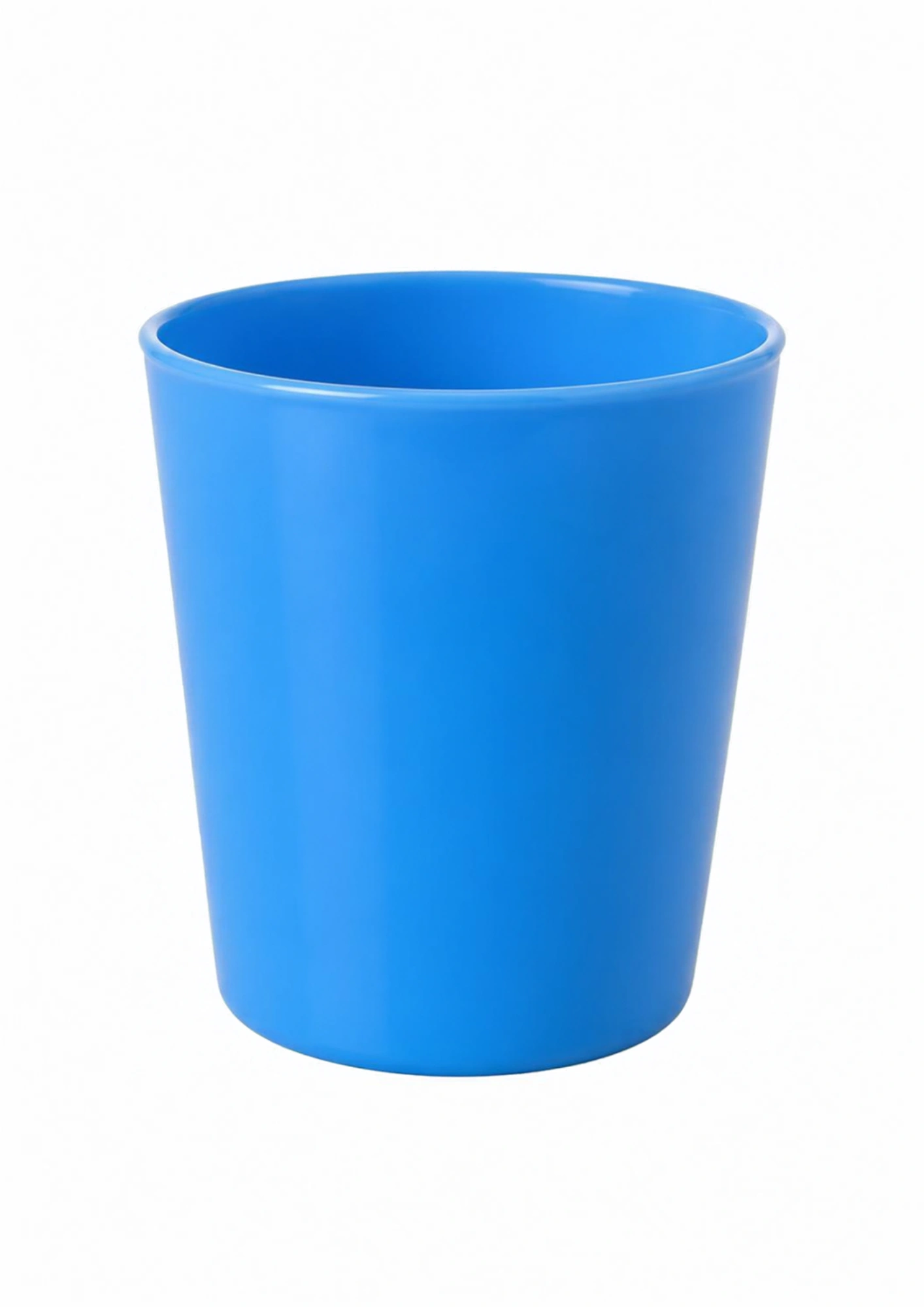
What is this?
A cup is the drinking vessel your toddler has been mastering for months — held, tipped, thrown, retrieved. The card shows the family cup; the word has history now, and this card lets your toddler show you how much of it they own.
What does it mean?
A word that returns across sets is not wasted breath — returning words are the spine of early vocabulary. Meeting "cup" again in a new place teaches your toddler that words are stable: the same name for the same thing, wherever it appears.
What does the child need to know?
Let your toddler lead: hand over the card and wait. Many will "read" it from memory — a word, a sound, a point — and that is reading in its first form. Confirm warmly and add the sip: "Cup. Drink."
Why this matters
Recognising a known word in a new place is comprehension deepening — your toddler is learning that pictures, objects and sounds all file under one name. That filing system is where every later word will be stored.
What it teaches
Vocabulary consolidation, picture-to-object matching, recall and "reading" from memory, and drinking skill — the word and the expertise growing together.
Words to learn
cupholddrinktipemptymore
Say this to your child
“"Cup! You know this one — your cup. Here is the picture cup, and here is your real cup, waiting. Hold it, tip it, sip, sip. Drink from your cup, my clever one. All gone — empty! The cup goes back for next time."”
Step by step
- Hand your toddler the card before you say anything, and see what comes back unprompted — a word, a point at the kitchen, a beeline for the real cup.
- Confirm whatever arrives: "Yes! Cup. Your cup." The confirmation is the lesson; the leading was the test you never had to run.
- Bring the real cup beside the card: "Cup and cup. Same word." Say the rule once, lightly, and let the matching finish the argument.
- Name the action at the next sip: "Drink from your cup." The word now covers thing and action — a two-for-one.
- Finish with the empty cup held high — "all gone!" — the ending that always gets a grin.
Look closer at the picture
The artwork is the family cup, plain and familiar — a picture your toddler has effectively met before, in sets and in kitchens. Say the word and let the recognition show; the response is the content of this lesson.
Ask your child
Watch the reunion: does a word come before you offer one, does the card get carried to the real cup? Wonder aloud: "I wonder how long you have known this word better than you can say it."
What your child can say or do
The word "cup", "kah" or "duh" delivered on sight, the card matched to the real cup with a proud double-tap, both hands lifting the real cup for a solo drink, or the card handed to you as a drink order — recall plus request is the full circuit.
Out in the real world
Cups are everywhere: the bathroom beaker, the picnic cup, the one at grandma’s. Every one is a replay of a word your toddler already owns — and owned words get stronger every time they work.
Try it together
Cup stack and name: two plastic cups, stack them, knock them, name each knock "cup!". Simple, physical, repeatable — and the word gets said by both of you until the game dissolves into giggles.
Understanding check
Parent self-check: did your toddler get the first turn at the word, and did you confirm rather than correct? Leading and confirming keep the recall loop warm; quizzing switches it off.
Parent tips
Do not quiz — "what is this?" pressure turns recall into performance. Offer the silence and let the word volunteer itself. If your toddler brings you the card as an order, fill it: symbols that get results get used again.
Staying safe
Keep drinks upright and within reach but never poised above heads — a tipped cup from height is a cold surprise. And keep the card dry: once it has met actual milk, it retires to the memory shelf with honour.
This lesson pairs with the Cup flashcard in the library — print it, show it, keep it on the fridge. Back to First Words: Food & Home (Toddler 1).