
Milk cup — a step-by-step lesson for grown-up and child
Milk is the centre of the day, and the cup that holds it is this set’s grammar lesson in disguise: two words, one thing. This lesson names the ritual your toddler would happily run anyway.
What is this?
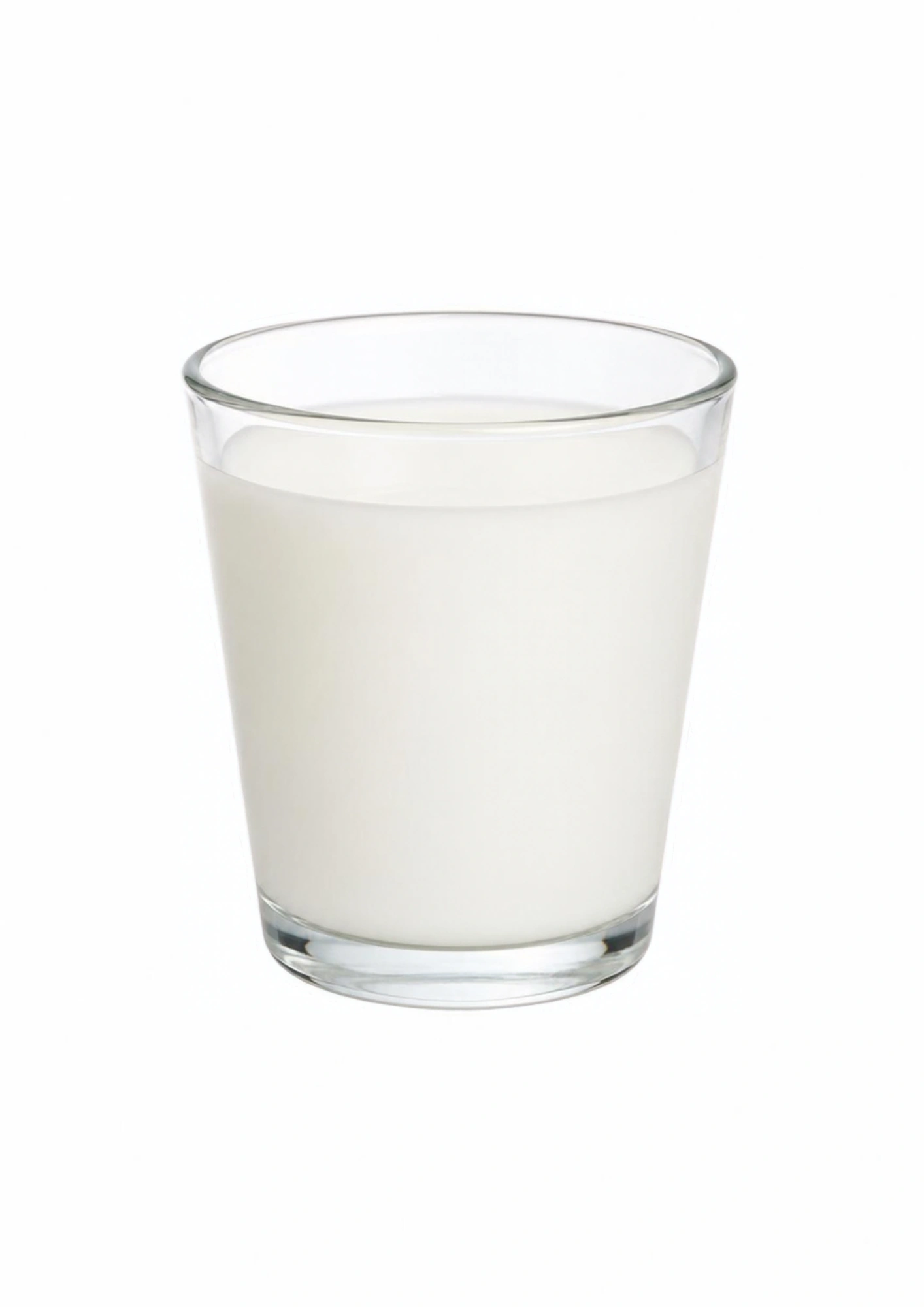
A milk cup is the cup that brings the milk — at 12–18 months possibly the most sought object in the home. The card shows a cup of milk; the name is two words, which makes it your toddler’s first taste of how words combine.
What does it mean?
Two-word names are grammar seeds: hearing "milk cup" teaches that small words can join to make a bigger idea. Months before your toddler builds a first sentence, they are hearing the technique demonstrated on the thing they want most.
What does the child need to know?
Show the card just before the milk moment and say the whole name: "Milk cup. Your milk is coming." The routine teaches the word almost by itself — your job is the pairing and the pause, not the repetition.
Why this matters
Ritual words arrive early because they come with perfect timing, built-in motivation and daily rehearsal. A named milk cup also gives your toddler a route to requesting — understanding the name is the first step towards asking for it, which is power they will use.
What it teaches
Two-word comprehension, routine vocabulary, requesting (reaching, pointing, soon words), and sequence learning — cup, milk, sit, drink, finished.
Words to learn
milkcupdrinkmorepleasefinished
Say this to your child
“"Milk cup! The milk cup card. Here it comes — your very own milk cup. Milk, then cup: milk cup. Sit down, drink up, sip by sip. All gone — finished! The milk cup goes back to the kitchen until next time."”
Step by step
- Show the card just before milk time, while the wanting is visible: "Milk cup! Here comes the milk cup."
- Say both words slowly and let the cup arrive: "Milk... cup." The pause between them is your toddler’s first compound word, served in two parts.
- Hand the cup over and name the drink quietly once: "Drink your milk." No commentary track; the ritual is running.
- When the cup is empty, close the scene: "All gone! Finished." The ending word is as useful as the name, and easier to feel.
- Later in the week, hold up the card at an odd moment and watch: a word, a sound or a beeline for the kitchen means the name has moved in.
Look closer at the picture
The artwork is a cup of milk, plain and unmistakable. Name it, then step back — the real ceremony at your kitchen table is the fuller production, and your toddler is its director.
Ask your child
Watch the routine across the week: does the word, a sound or a beeline to the kitchen arrive when the card appears? Wonder aloud: "I wonder when the name and the want became the same thing for you."
What your child can say or do
A beeline for the high chair at the words "milk cup", both hands out and opening, the word "milk" or "mah" delivered at the cupboard, or the card carried to you as an order form — using a symbol to request is the biggest kind of news.
Out in the real world
The milk cup runs the day: morning, after the park, before bed. Each ritual is a full replay — the name before, one quiet word during, "finished" at the end. Three words a day, and every one of them does work.
Try it together
Doll’s milk time: pour pretend milk for a teddy, name the teddy’s milk cup, and let your toddler do the pouring. Pretend versions of rituals are how this age rehearses the words that matter most.
Understanding check
Parent self-check: did the name arrive before the cup rather than after, and did the ritual stay calm, un-narrated to death? Timing and restraint — the two skills this card quietly teaches you.
Parent tips
Two words said as one name — resist sliding into long sentences; "milk cup" is the whole payload. If your toddler calls every cup "milk cup", that is normal sorting-in-progress, and the folders fix themselves with time.
Staying safe
Check warm milk at your wrist before serving, keep drinking seated, and keep the card out of the ritual’s splash zone — paper and milk part badly. Cots stay card-free, milk or no milk.
This lesson pairs with the Milk cup flashcard in the library — print it, show it, keep it on the fridge. Back to First Words: Food & Home (Toddler 1).