Age 2 YearsSubject Nature & TalkClass School GardenDuration 3–5 minutes
A bird in the hedge, a worm after the rain, an owl you might only hear — meet the animals that live around gardens and the great outdoors, one big picture at a time.
Nothing to prepare and nothing to read to your toddler. You say the name, they point or hop — a moment on a card counts, and the real outdoors can wait for your next walk.
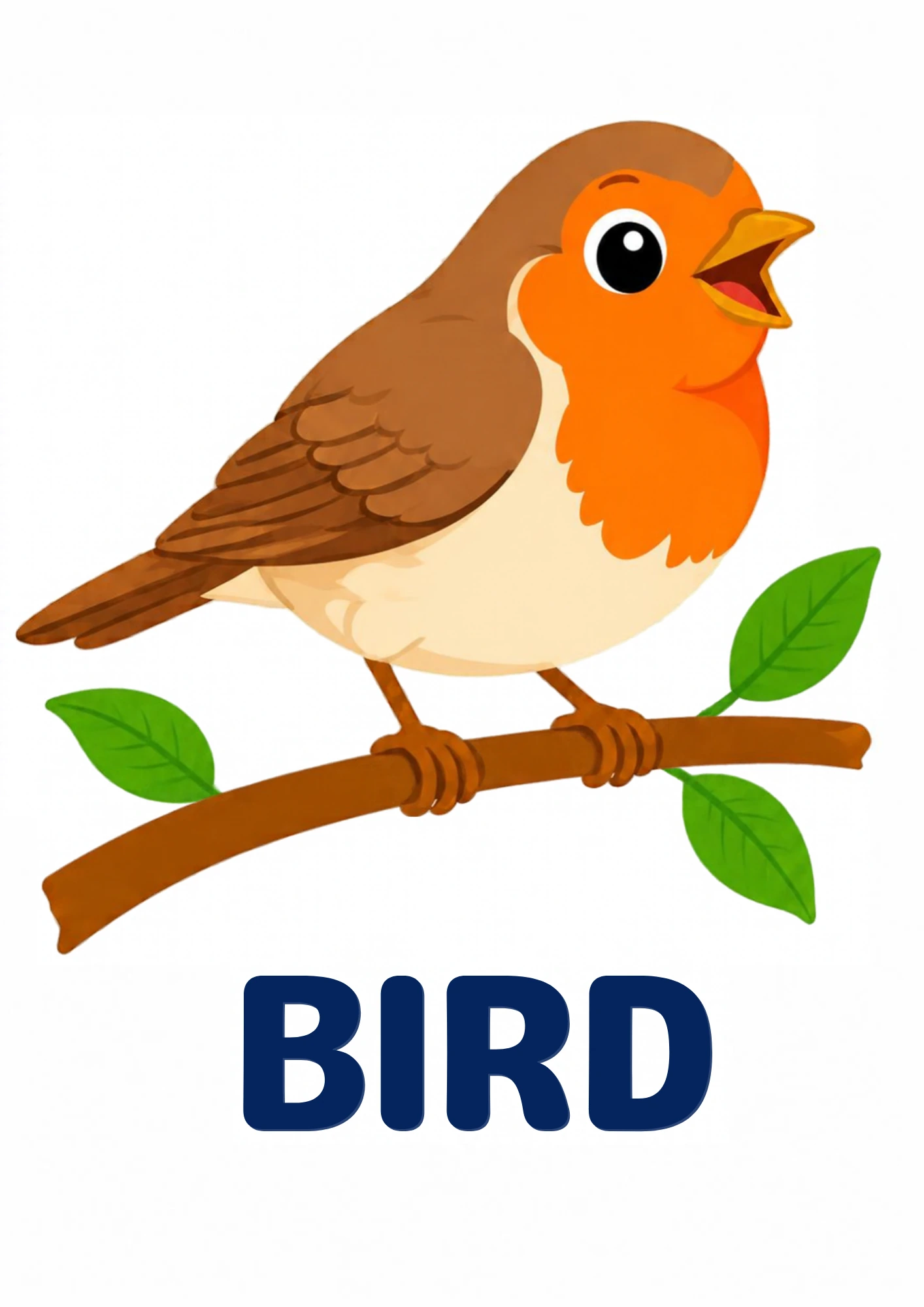
Start the Class ↓Start with the bird — the easiest friend to spot from a window.
TODAY’S CLASS
How today’s class works.
Seven little steps, in order: a welcome from your teacher, all eighteen garden friends, where might we see it, solve the garden cards on paper, then off to the real garden and cards to print. Stop after any step — that is a complete class.
1 Teacher welcome
2 Meet the garden friends
3 Where might we see it?
4 Solve the sheets
5 Take it off screen
6 Print the cards
7 Teacher note
TEACHER WELCOME
“Let’s meet some animals we might see around gardens and outdoors!”
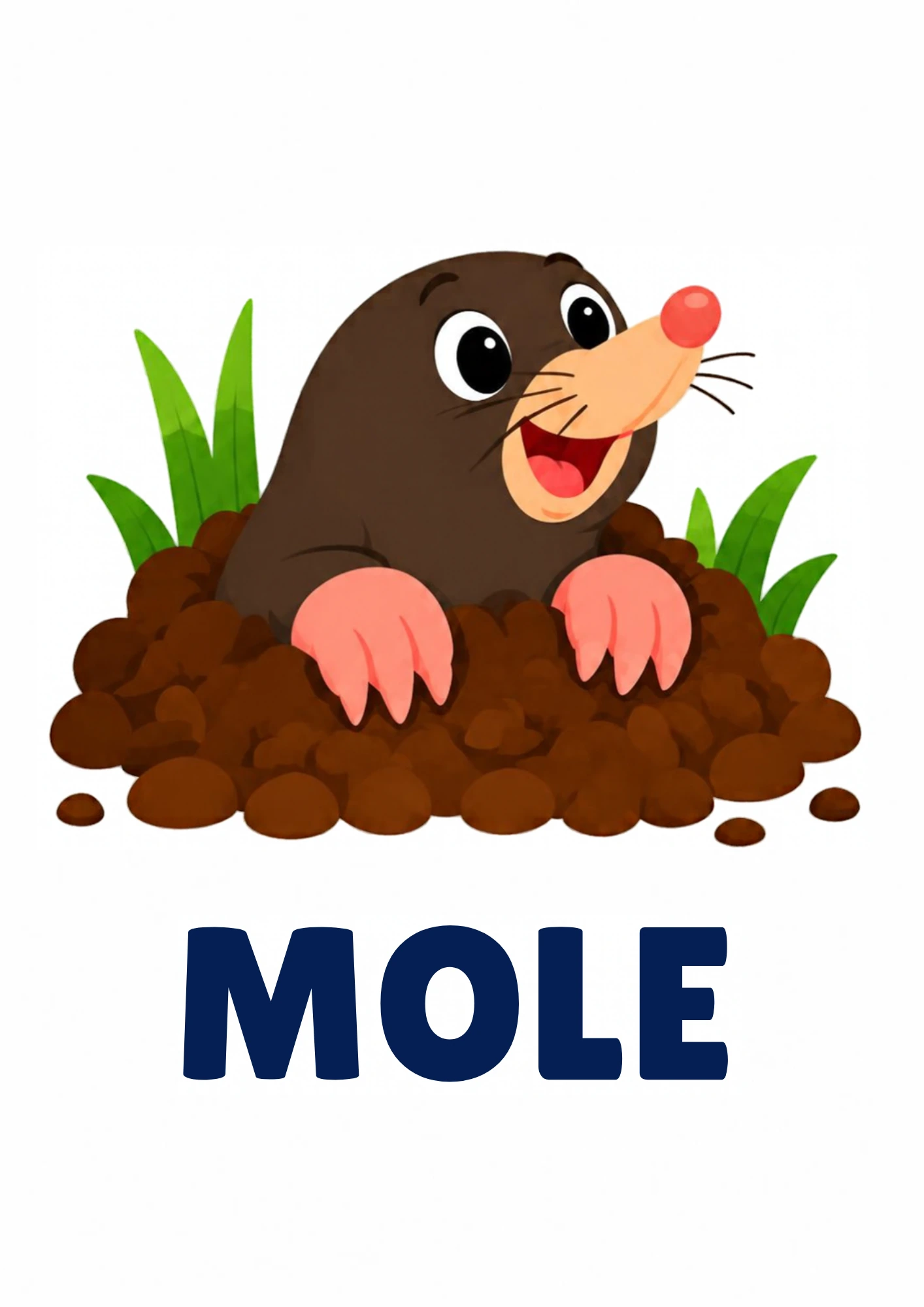
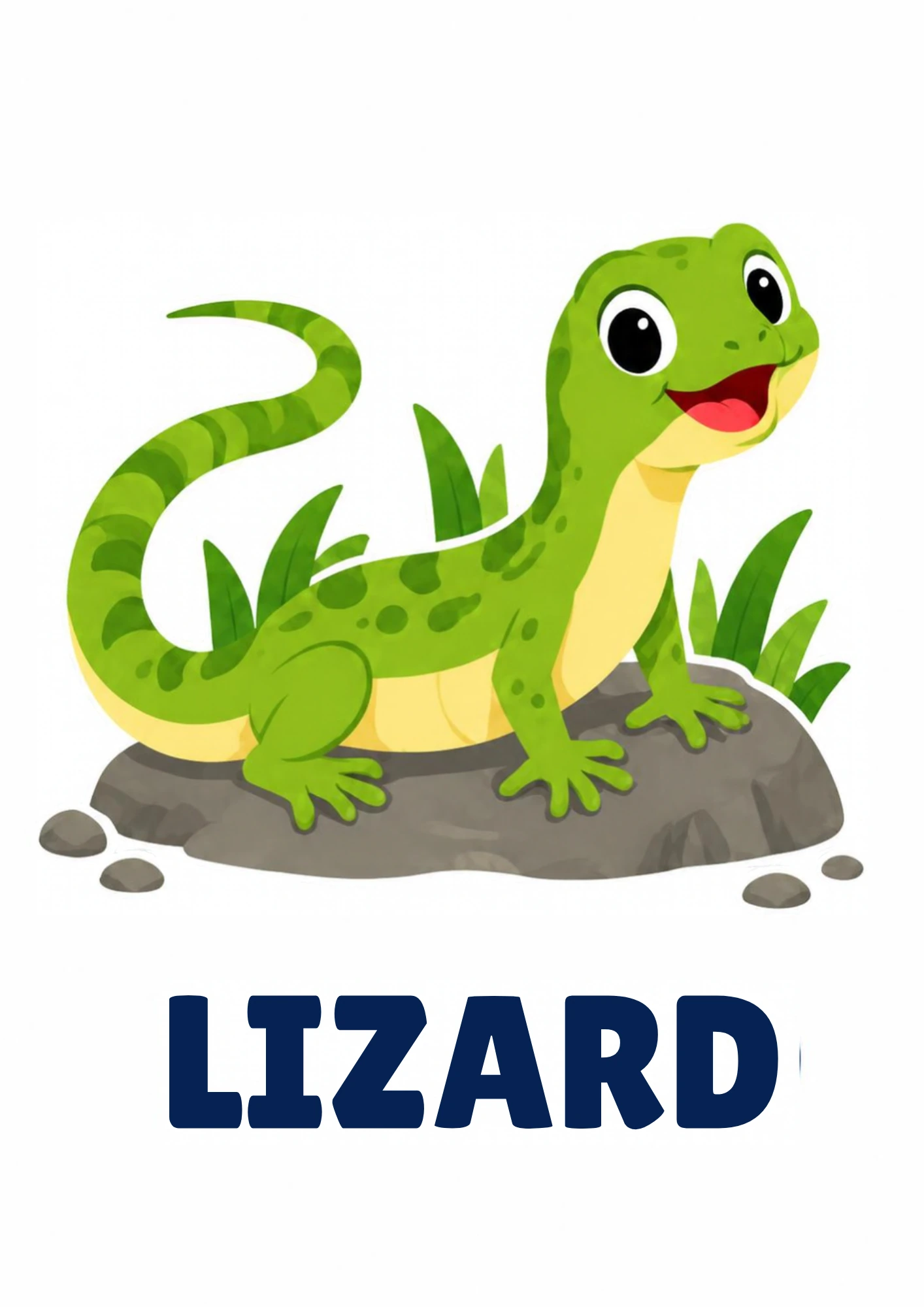
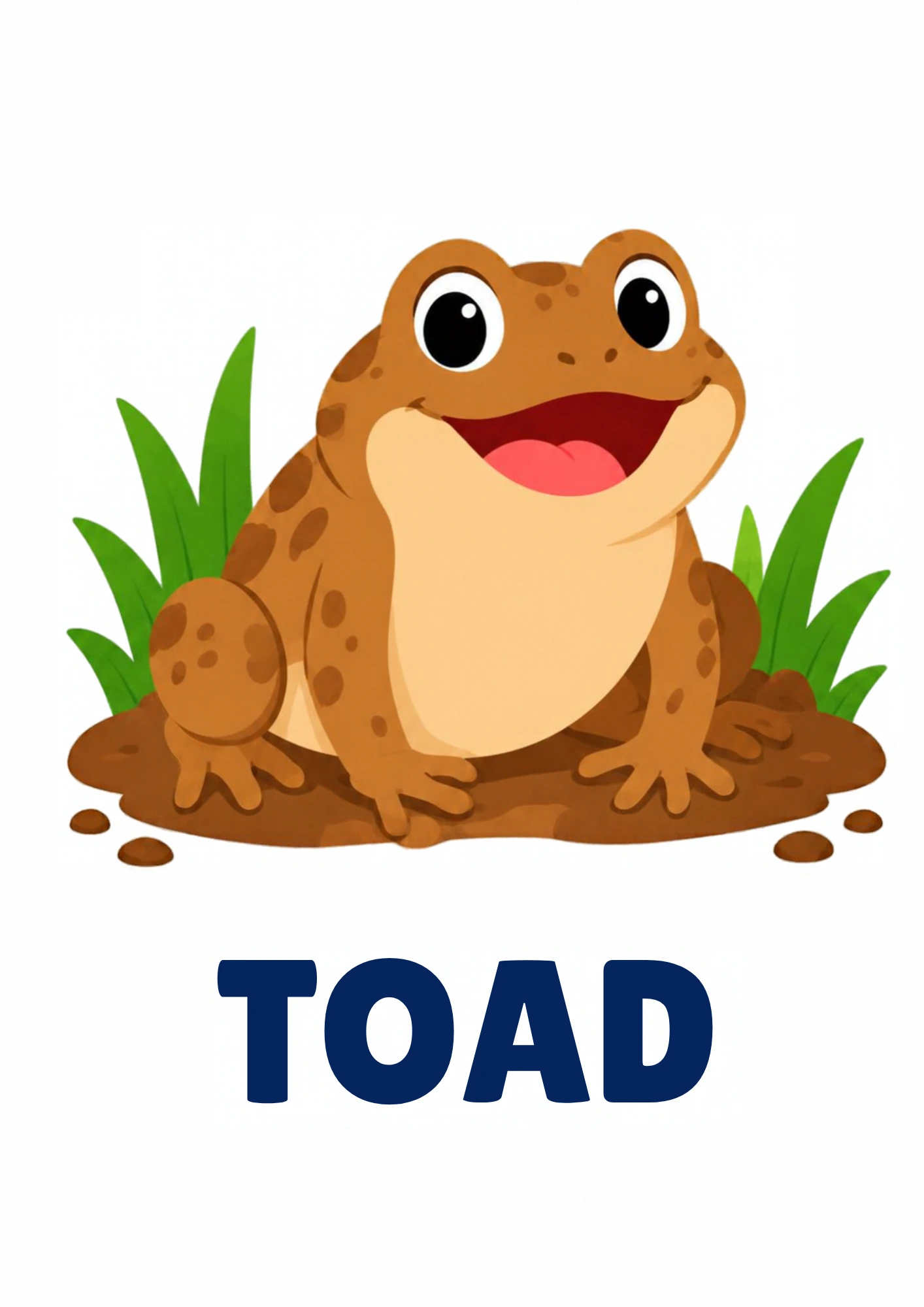
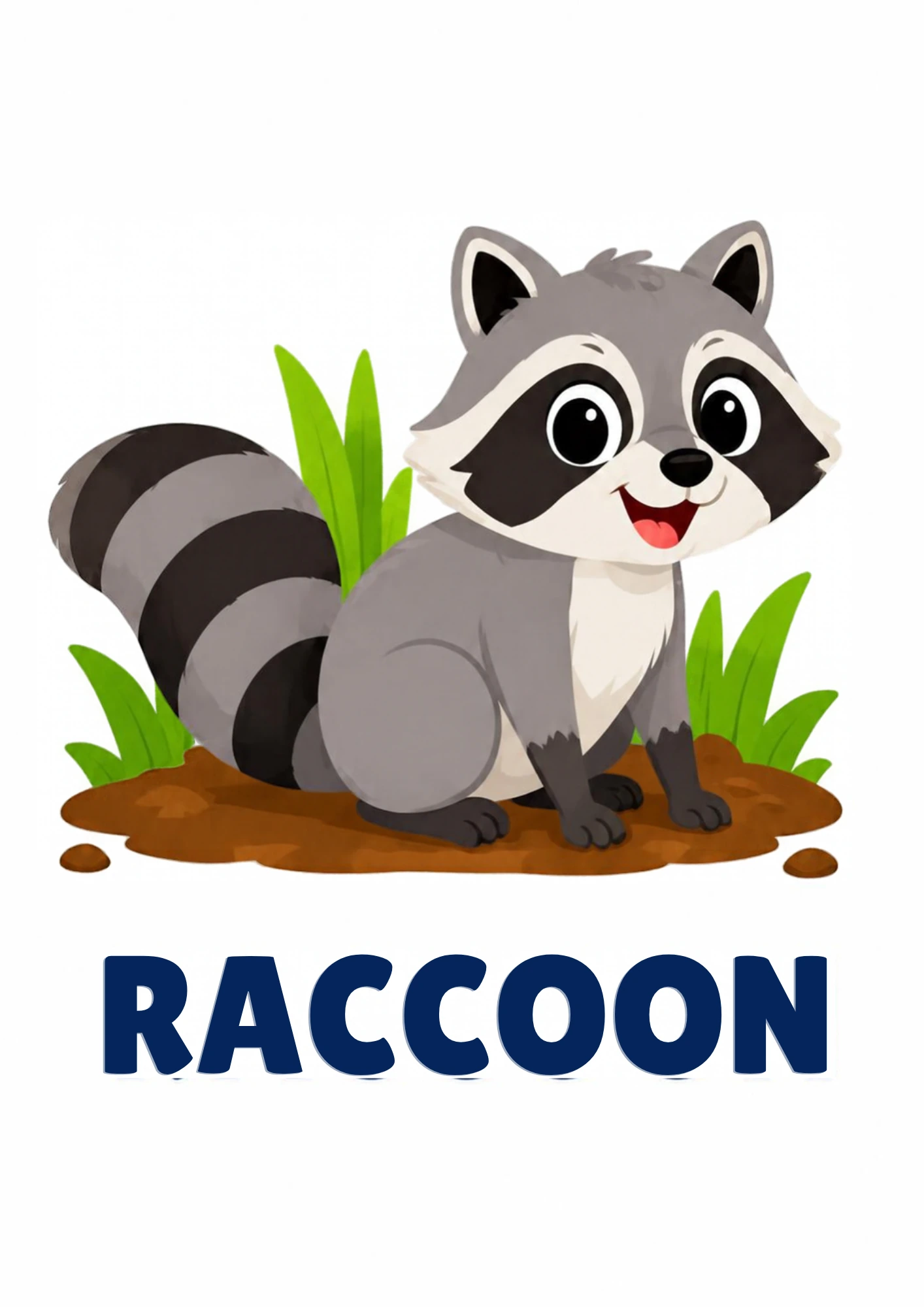
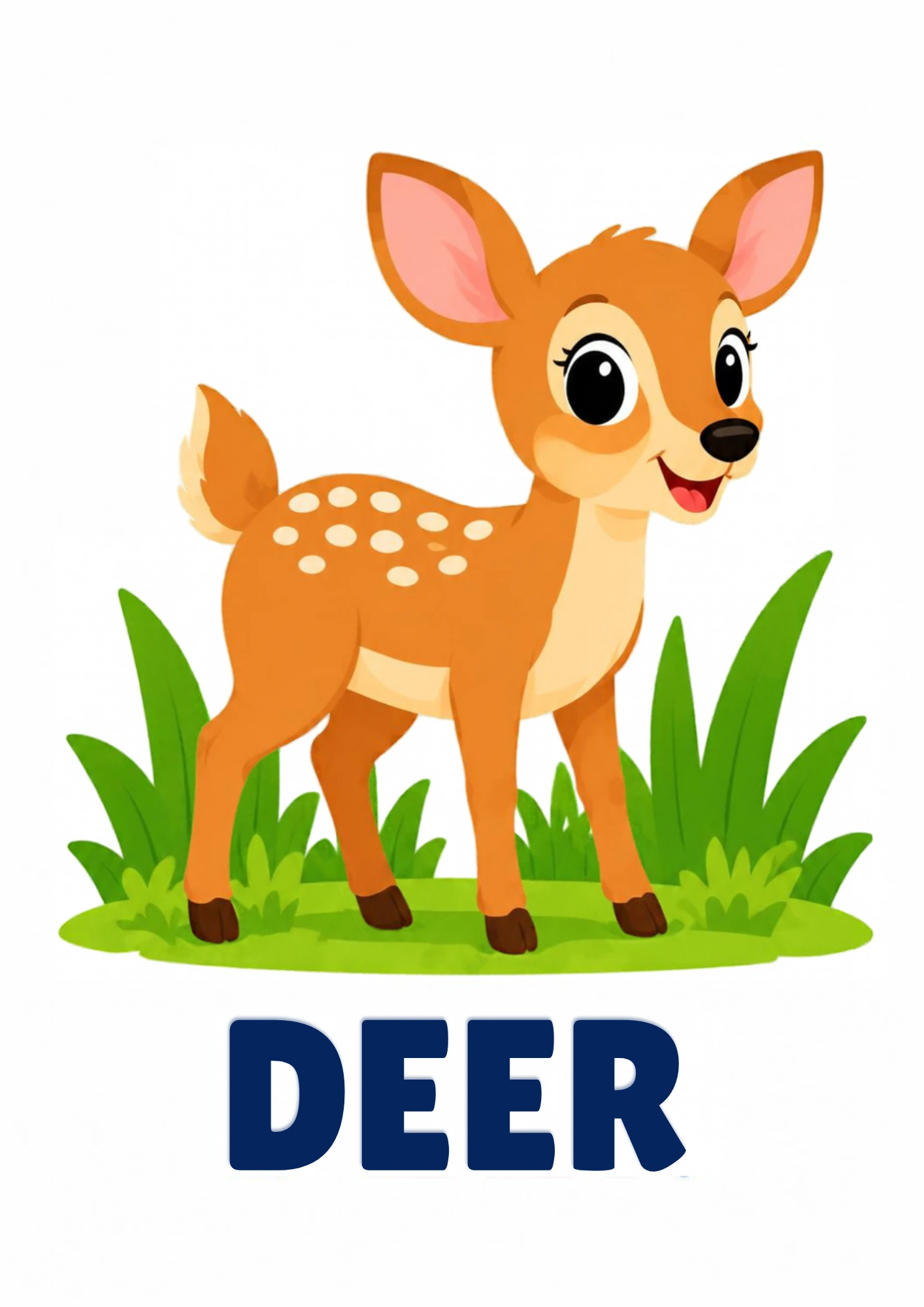
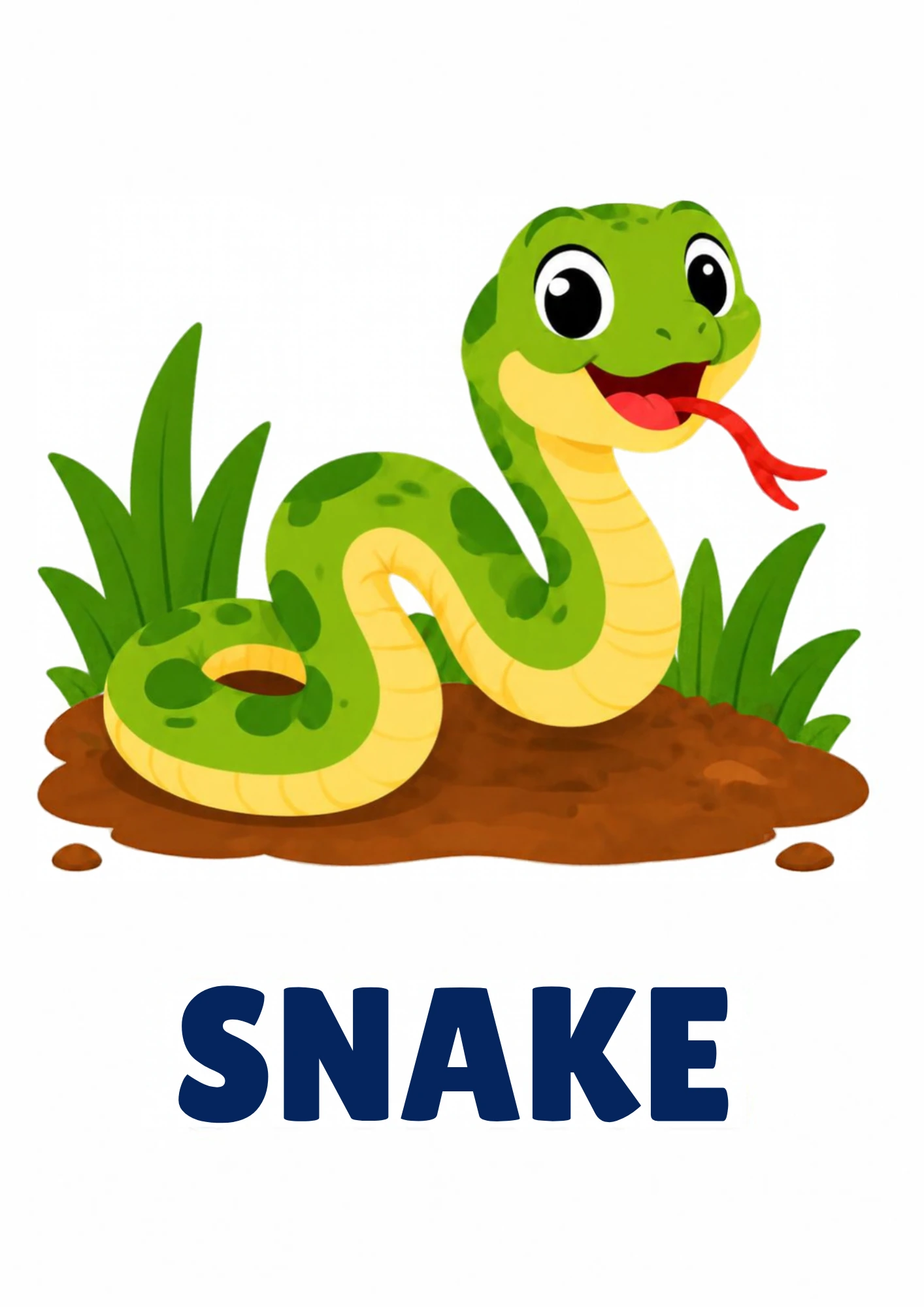
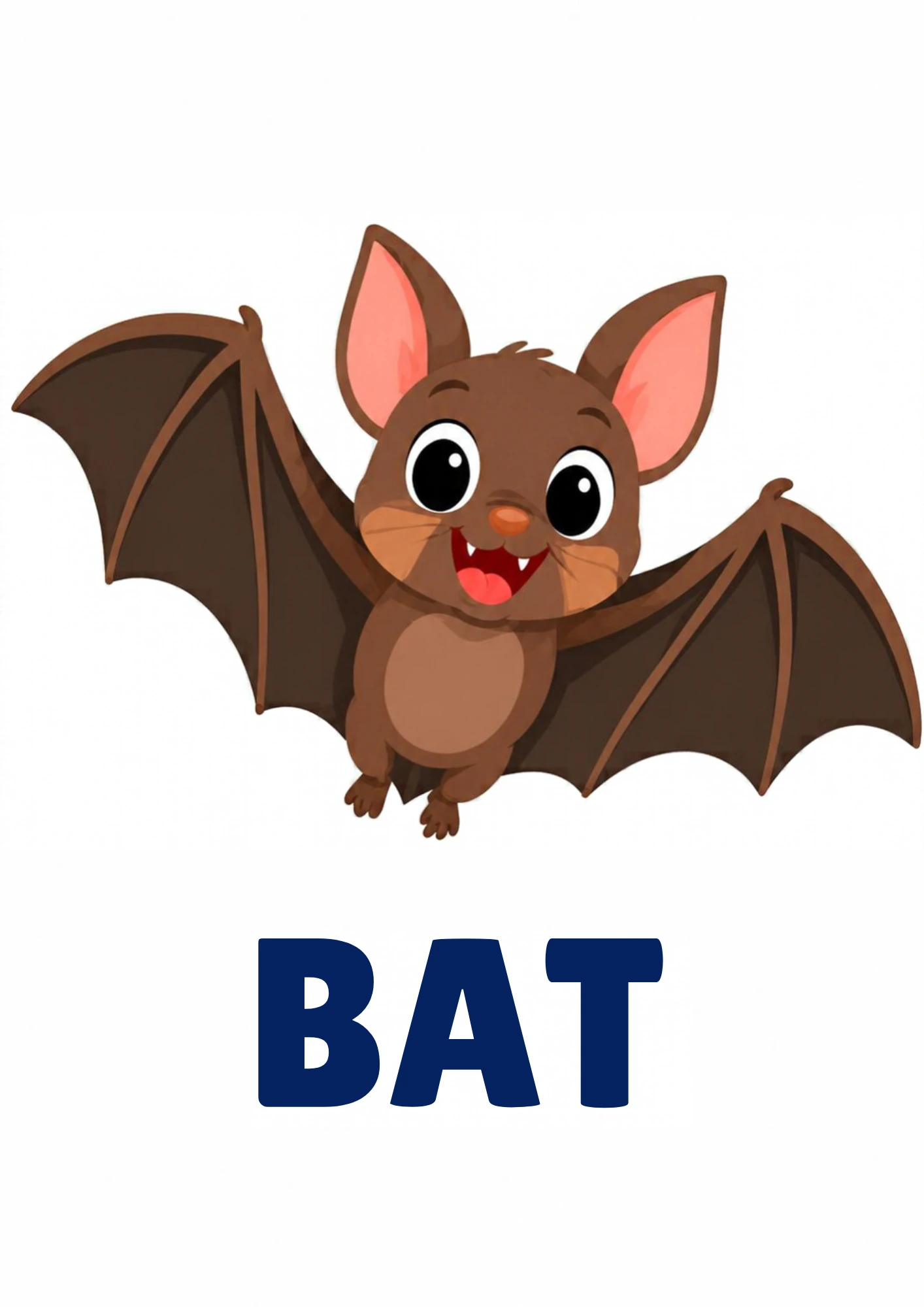
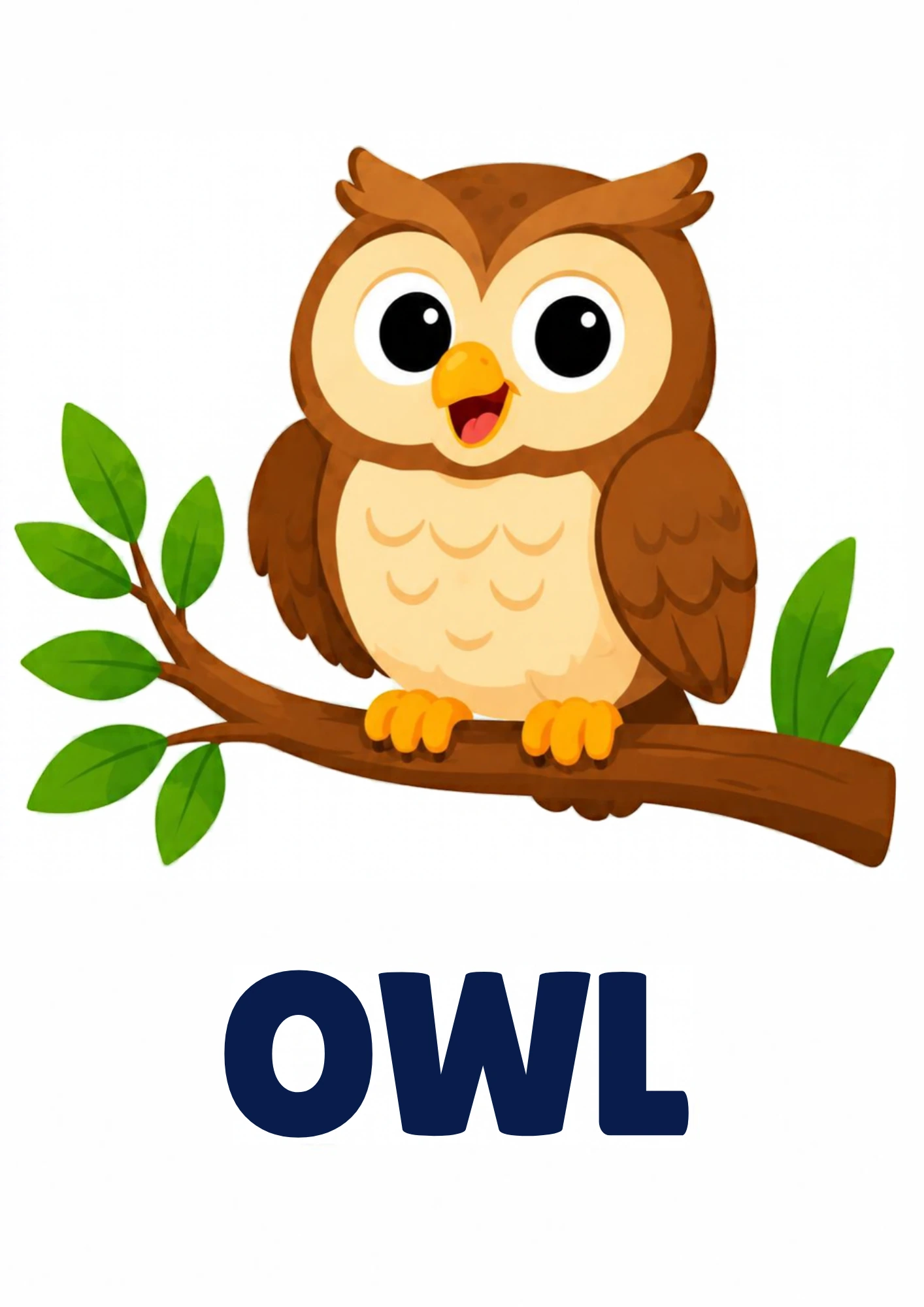
Eighteen big picture cards, one at a time. Say the name clearly, make the sound together, and let your toddler point, giggle or move along.
Card 1 of 18
Or simply scroll: all 18 cards are below.
TOGETHER · WHERE MIGHT WE SEE IT?
Where might we see it?
Some of these friends live in gardens, some just visit, and some live in the wider outdoors — here is where to look, gently and from a distance.
Bird
“Hedges, parks and balconies — you will hear one before you see it.”
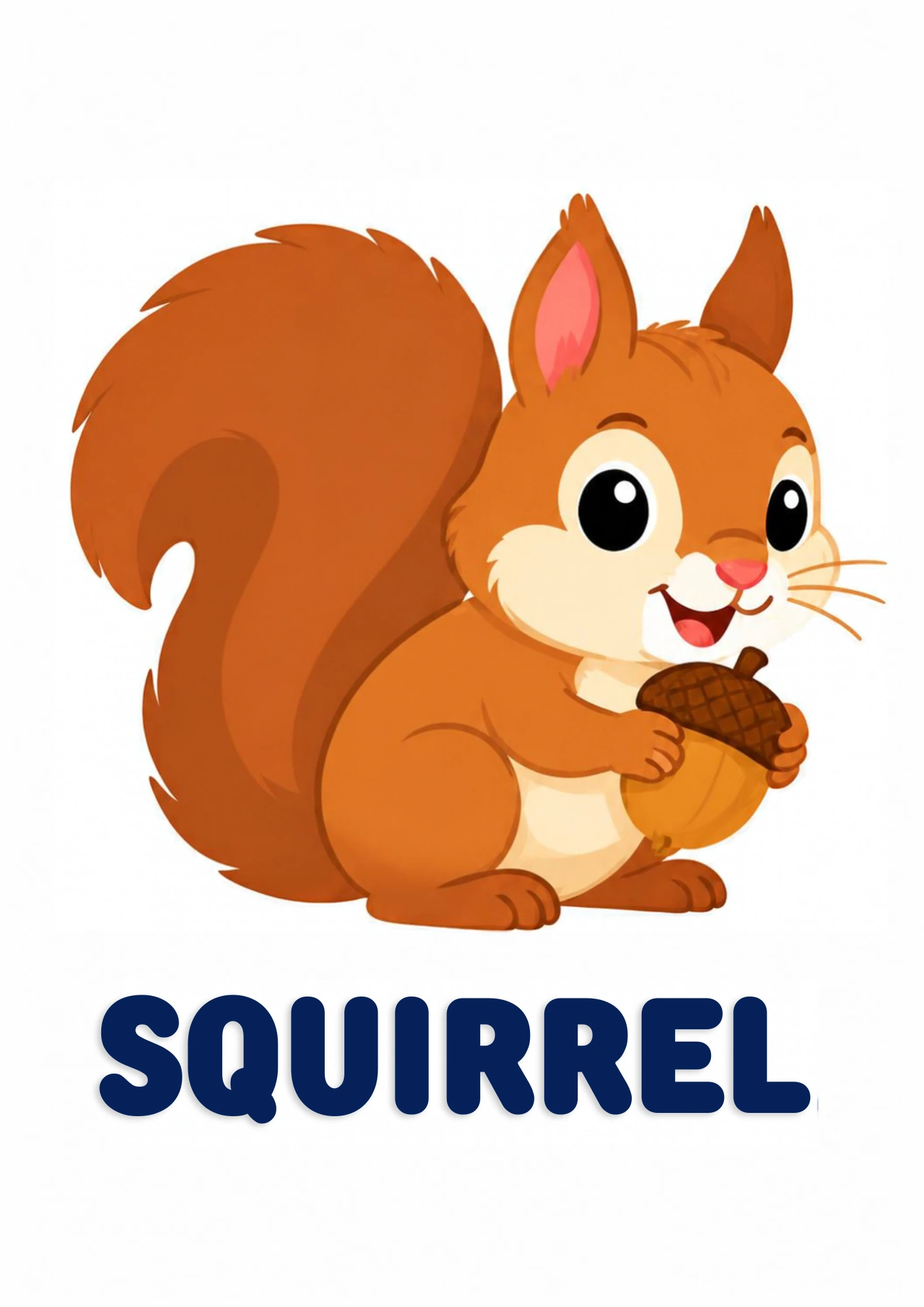
Squirrel
“Up in the trees of any leafy park, tail twitching.”
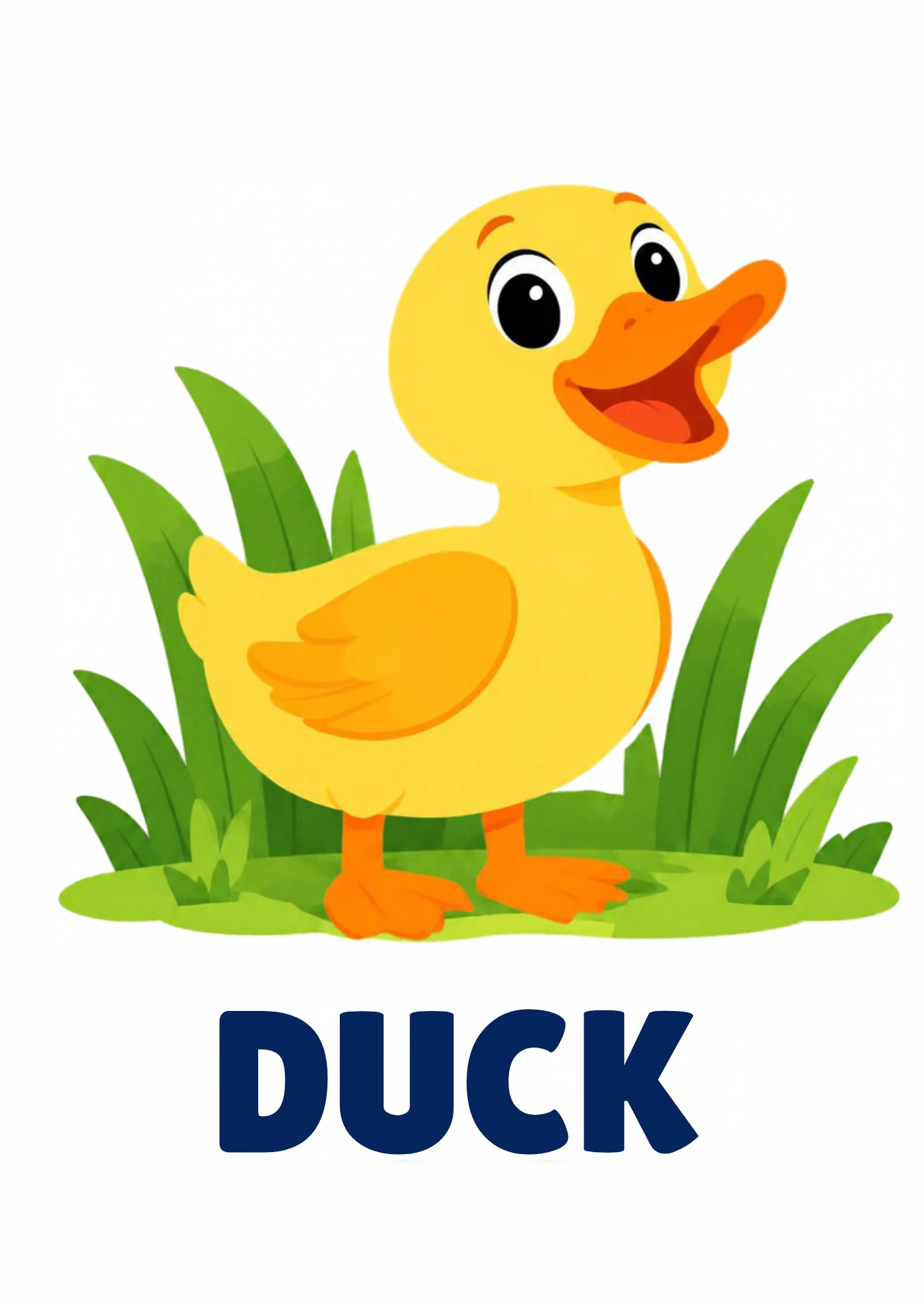
Duck
“On ponds and canals, paddling along in a little line.”
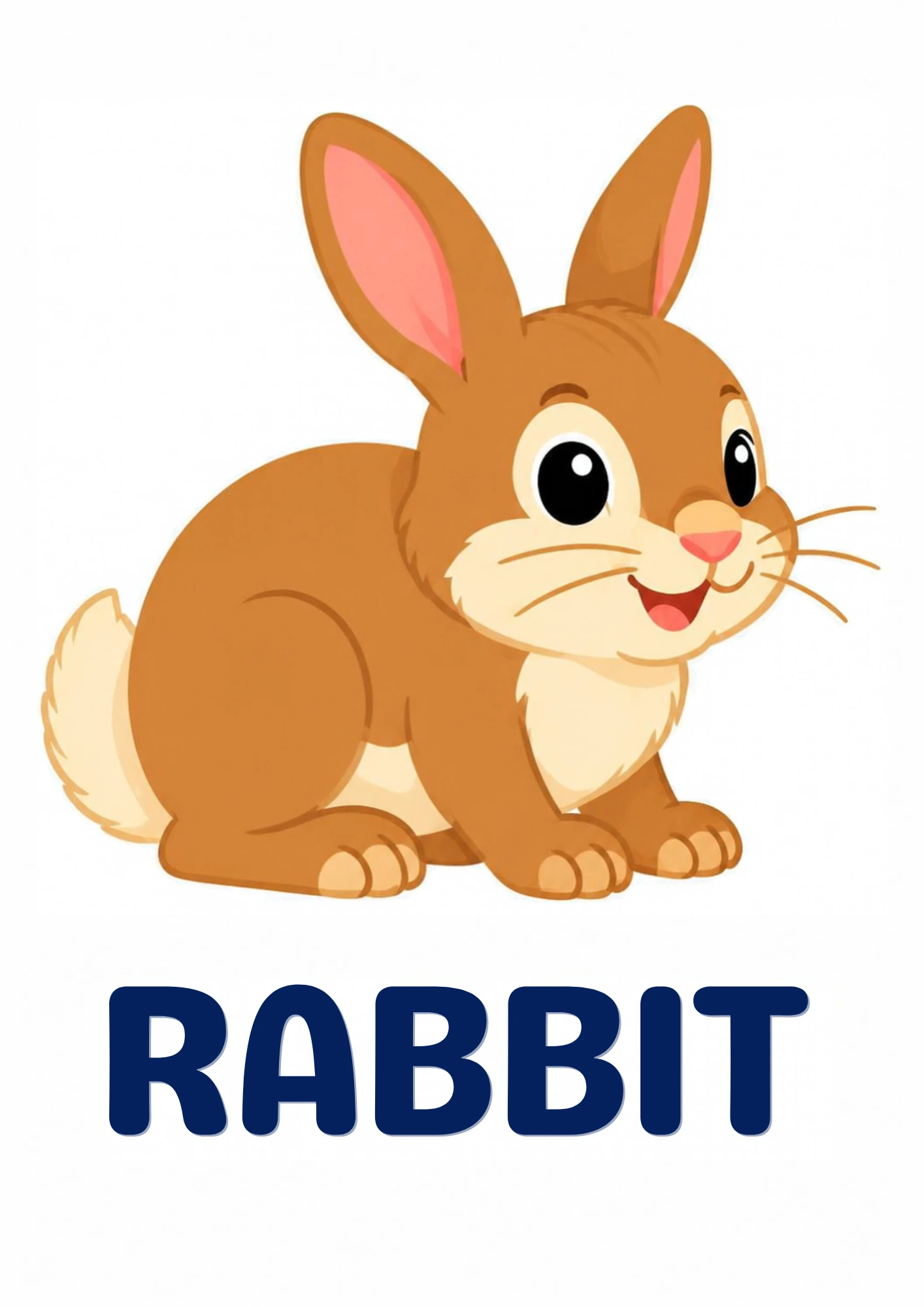
Rabbit
“At the edges of meadows and gardens, early in the morning.”
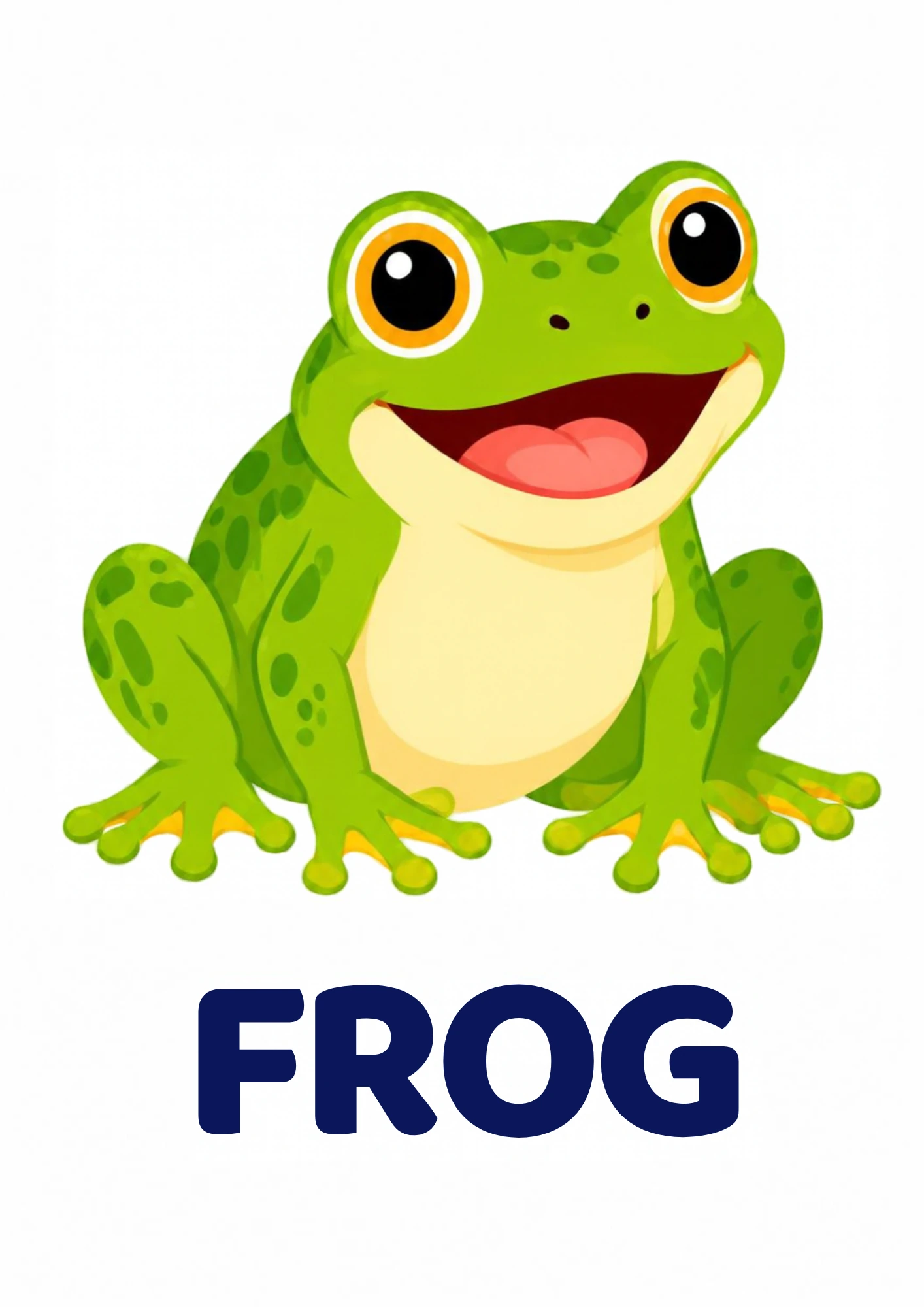
Frog
“Near ponds, puddles and damp grass, especially after rain.”
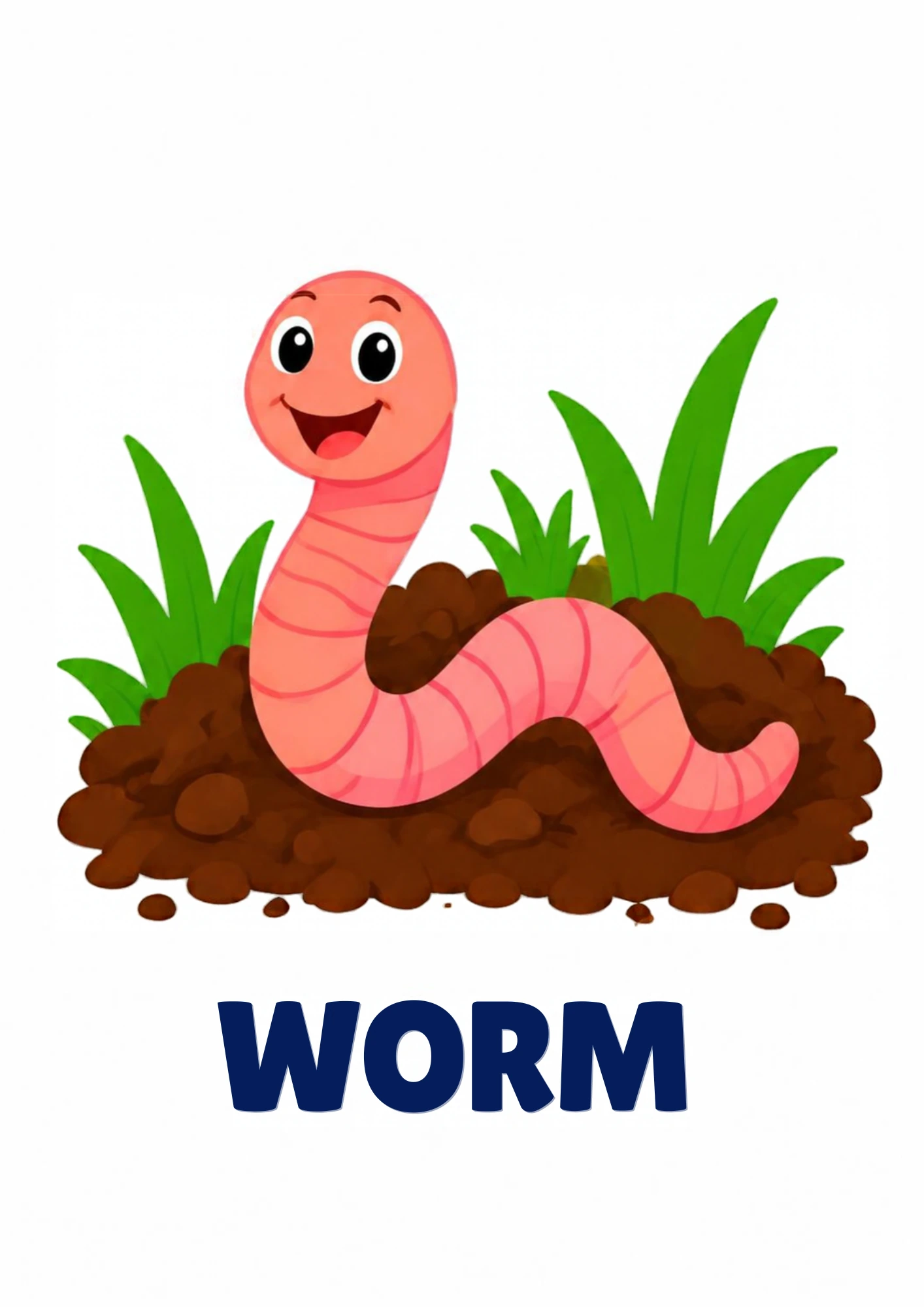
Worm
“In the soil and under flowerpots after it rains — look, then leave them be.”
Hedgehog
“In hedges and leaf piles after dark, if you are lucky.”
Bat
“Flitting through the evening sky just after sunset.”
Owl
“High in old trees at night — usually a whooo long before a look.”
SOLVE THE SHEETS — ON PAPER OR ON SCREEN
Solve the garden animal cards together.
The twenty garden animal cards print two to a page, straight from your browser. Printed, cut and named, they are the collection’s real worksheets — and on screen, every card page can be drawn on directly.
01
Print the cards
Open the printable cards and print all twenty, two to a page. Cut them out together, naming each garden animal as it is cut.
02
Name and greet
Hold up a card and greet the friend — “hello, owl!”. Naming warmly is how animal words stick at two.
03
Move like them
Hop like a frog, flap like a bird, twitch like a squirrel. Guessing from a movement is the game the whole room can play.
04
Find them outside
Carry two or three cards on the next walk and find their real twins. We look, we talk, and the animals stay where they live.
Every card page has a Write & Color layer: your child can draw right on the card with a finger, a stylus or the mouse, then save the finished work. Nothing is uploaded anywhere.
TAKE IT OFF SCREEN
A look-don’t-touch nature hunt.
Take the names outside — or to a window, a book or a video if the outdoors is far away. Wild animals are looked at, never touched, chased or fed.
Try one today
Spot a bird from the window and say its name together.
Watch a squirrel’s tail twitch in the park.
After rain, look for a worm on the path — look with your eyes, then walk on by.
At dusk, look up and search for bats — pointing and whispering is plenty.
Hop like a frog and wiggle like a worm yourselves — the safest animals to touch are you two.
Never feed wild animals, never touch or pick up an unknown animal, and never follow one for a closer look. A grown-up stays close the whole time — one spotted friend is a complete hunt.
PRINT THE CARDS
Print the garden animal cards.
Print the cards for simple naming games and window-spotting warm-ups.
The same eighteen cards from today’s class — handy for a quiet naming chat at the kitchen table.
TEACHER NOTE
One last word from class.
“A duck on the pond, a bird in the hedge — every walk becomes a naming game. You do not need a garden; a window and a little patience will do.”
— Your Kiddo School teacher
A NOTE FROM THE PRINCIPAL
For the grown-ups.
Your toddler does not need every animal name to stick. Saying words while they look and hop is the whole lesson — the vocabulary rides along, and no garden is required. Some of these friends live in gardens, some only visit, and some live in the wider outdoors — all of that is fine to wonder about together.
From the twitchy squirrel to the owl you may only ever hear — what a little tour of the outdoors. However many rounds you played, however long it took, that was the whole class — and stopping early is allowed too.
Follow your toddler’s favourites. If the frog gets five rounds in a row, the frog gets five rounds in a row — repetition is how little ones learn.
Sounds and movement before facts. Hopping, wiggling and quacking teach the names better than any explanation, so be as silly as your toddler needs you to be.
Keep it honest and gentle: some of these animals live in gardens, some just visit and some stay far outdoors — and all of them stay wild. Looking is the game; touching, feeding and chasing are not part of it.
Your feedback helps us make Kiddo School better. This is feedback about the activity, for the grown-ups who make it — it is never about a child.
Comments from our school community
FLASHCARDS
Prefer printed cards?
The cards from this class also live in the flashcards library — every card has its own page with the picture, the words to say together and a download button, ready for away-from-screen time.



Comments from our school community