

Duck — a step-by-step lesson for grown-up and child
The duck arrives with everything included: a sound babies can almost make, a walk everyone can mock, and a bath-toy twin already floating in most homes. This lesson lets the comedy lead.
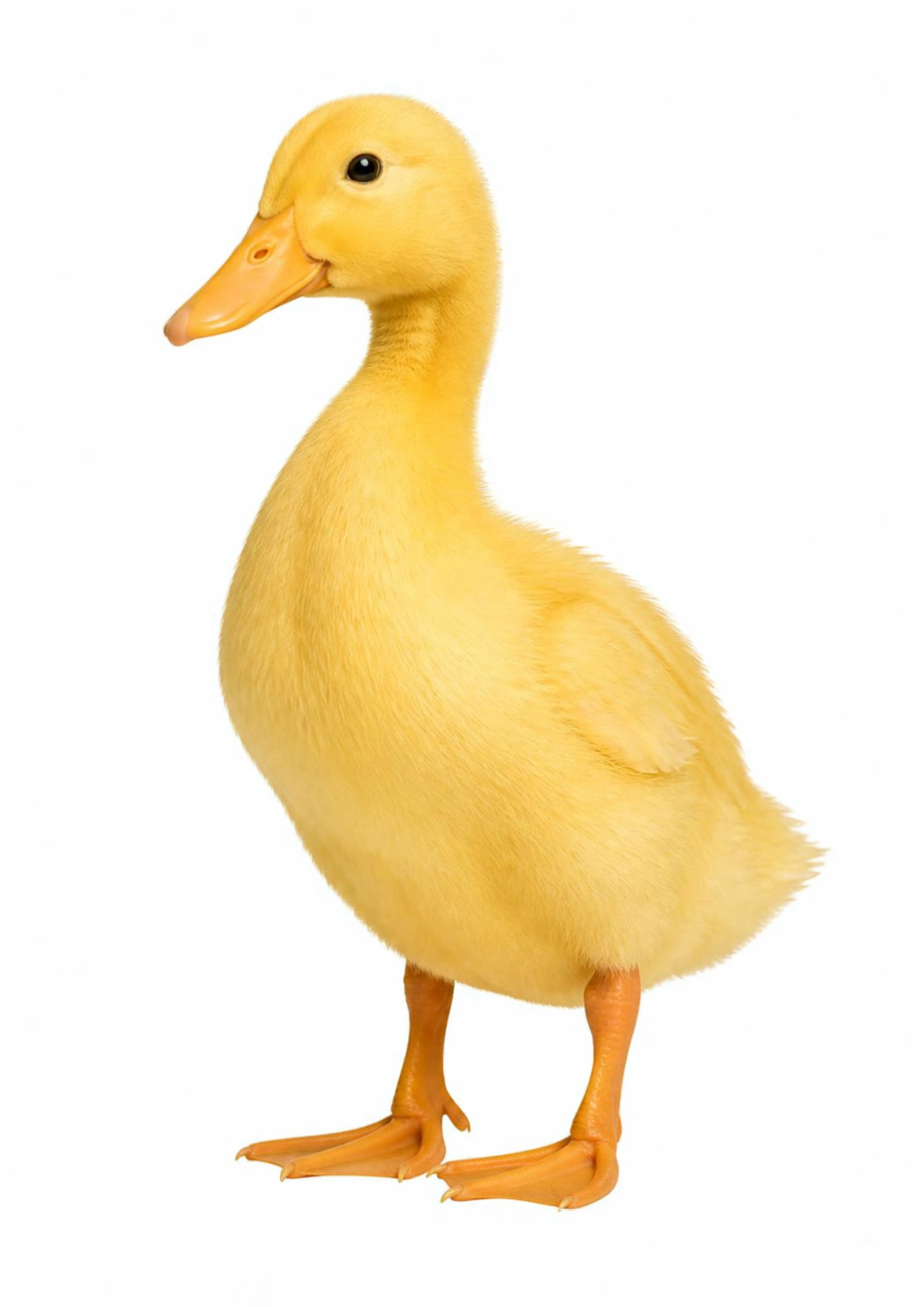
What is this?
A duck is a water bird that quacks, waddles and paddles — practically a ready-made game. The card gives the cheerful portrait; your hand does the waddle; and somewhere in the house, most weeks, a rubber duck confirms everything.
What does it mean?
Physical comedy lands hard at this stage: unexpected movement makes babies laugh before any joke does. The waddling hand across the card is funny the first time and funnier the fifth — and every laugh attaches the word to a moment your baby enjoyed being alive in.
What does the child need to know?
Quack twice, waddle your hand across the card, and let the laughter finish before you go again. Comedy needs rhythm: sound, waddle, pause, repeat. And the bath-twin is this card’s secret weapon — a real duck-duck at bathtime ties the word to the happiest room in the house.
Why this matters
Laughter is a memory glue at every age, and at 6–9 months it is free. A word learned in giggles gets recalled with a smile — duck is the set’s word-your-baby-will-grin-at, and that association is worth more than any drill.
What it teaches
Sound imitation attempts (quack is wonderfully plosive), anticipation of repeated jokes, cause-and-effect joy (I laugh, the duck goes again), and animal recognition in the water-bird family.
Words to learn
duckquackwaddlewatersplashfunny
Say this to your child
““Duck! Look at this cheerful duck, standing by the water. A duck says quack! Quack, quack! And here it goes — waddle, waddle, waddle, all the way across. Ducks walk like tiny sailors. Isn’t that the funniest thing you ever saw?””
Step by step
- Bring the card up and announce it brightly: “Duck! A cheerful duck, ready to waddle.”
- Do the quack — two crisp ones — and watch your baby’s face rather than the card.
- Now the waddle: walk two fingers slowly across the card’s surface, beak to tail, tipping side to side.
- Pause. Laughter, kicks, a reaching hand — whatever lands, answer it, then run the act once more if invited.
- At the next bath, hand over or float the rubber duck with the same word — the card’s joke, performed live by the bathroom cast.
Look closer at the picture
The artwork is a cheerful duck — bright bill, round body, pond behind it. Say what you see. The live noticing: does the waddling hand earn more than the quack, or the other way round? Your baby is telling you whether they are an ears-first or eyes-first learner this month.
Ask your child
Watch the rhythm: does the anticipation build by the second round — eyes going to the card before the quack arrives? Wonder aloud: “I wonder when the joke became predictable to you — and whether predictable is the part you love.”
What your child can say or do
Big open-mouth laughter at the waddle, a reaching grab for the walking fingers, babble that tries the k-sound after quack, or a bath-time excitement that starts at the word alone — the last one means the joke has left the card and moved into the bathroom.
Out in the real world
Ducks live in parks, ponds, books and baths. The park version — real, noisy, bread-free — is the deluxe replay; the bath version is the daily one. Both take the same word, and the word gets stronger every time.
Try it together
Bath duck theatre: at bath time, make the rubber duck quack and waddle across the water’s edge, then under a washcloth — duck gone! — and back out. Object permanence, animal vocabulary and comedy in one small splashy show.
Understanding check
Parent self-check: did you wait for the laugh before repeating the joke, and did the rubber duck get its word at bath time too? The laugh-gap and the bath-twin are this card’s two engines — run both and the word flies.
Parent tips
If the quack delights and the waddle baffles, drop the waddle; the animal lesson survives on sound alone. Keep the act identical across days — babies love jokes they can predict, and predictability is what turns comedy into ritual.
Staying safe
Bath versions happen inside normal bath supervision — one hand on the baby at all times, ducks in the water not the mouth. Park duck-watching happens from the pushchair, at a respectful duck-distance; real water birds are admirers-only.
This lesson pairs with the Duck flashcard in the library — print it, show it, keep it on the fridge. Back to Animals & Everyday Objects (Baby 1).