Age 3 YearsClass Preschool 7Subjects Body parts & the five senses
Twenty-four cards about the one thing your child knows best: their own body. Meet your head, your hands and your wiggly fingers, meet the five senses that explore the world, point, find and match — this class follows Animals & Their Sounds on the preschool path.
Body-part words are words your child uses all day long: hands for clapping, feet for stomping, ears for listening. You say the word, your child points to it — that is the whole lesson, and it never feels like one.
Start Today’s Class ↓Grown-up nearby, little one wriggling like a finger — both work.
TODAY’S CLASS
How today’s class works.
Five little steps, in any order that suits you: a welcome from your teacher, the body-part cards, the five senses, solving the body sheets together, off-screen play, and a warm goodbye. Stop after any step — that is a complete class, and there is never a score at the end.
1 Teacher welcome
2 Meet your body
3 My five senses
4 Solve the sheets
5 Take it off screen
6 Class complete
TEACHER WELCOME
“Hello, my friend — and hello to you, grown-up helper! Today’s class is all about YOU: your head, your wiggly fingers, your stomping feet — and the five amazing senses that help you explore the whole world. Hands on your head — let’s go!”
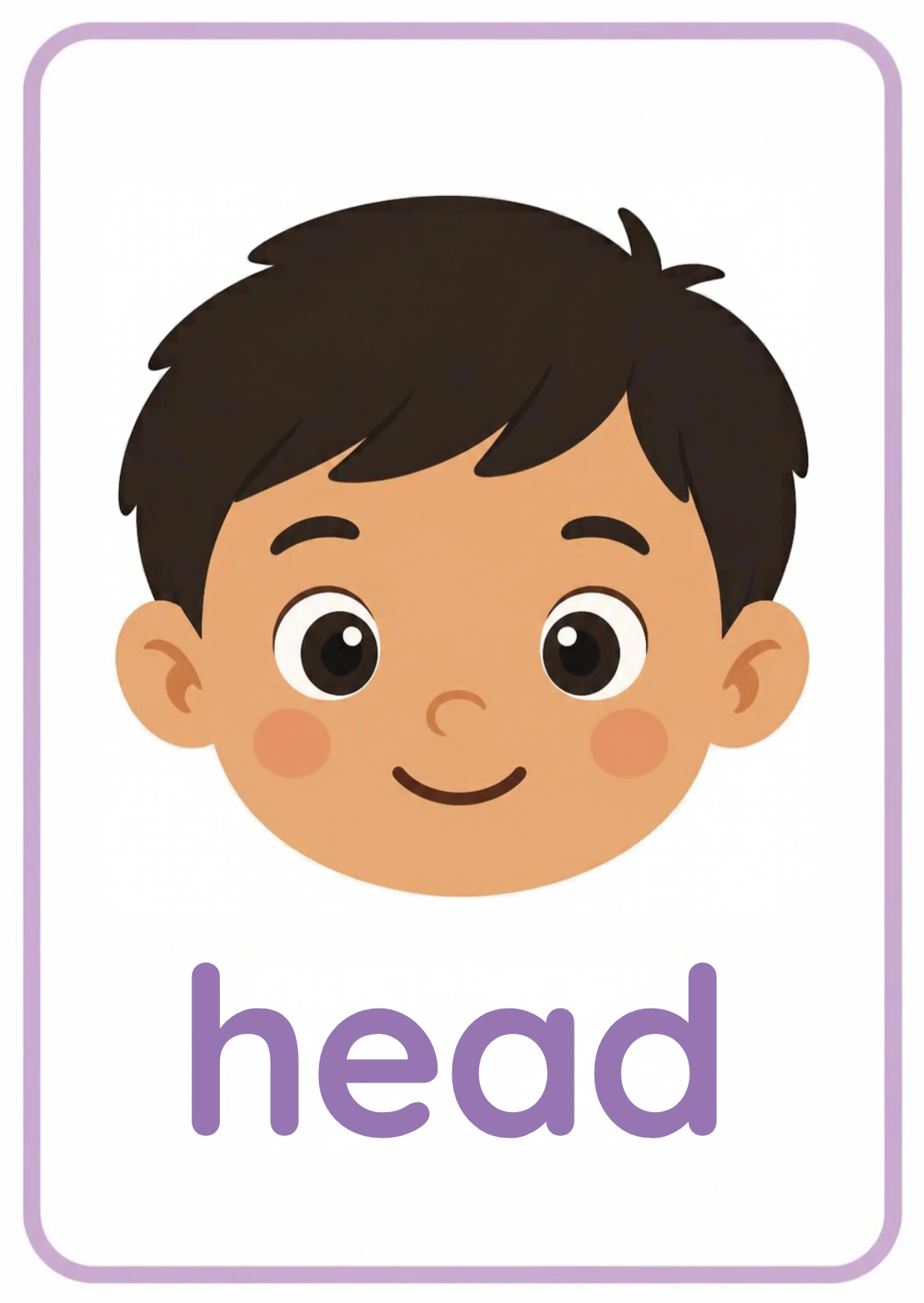
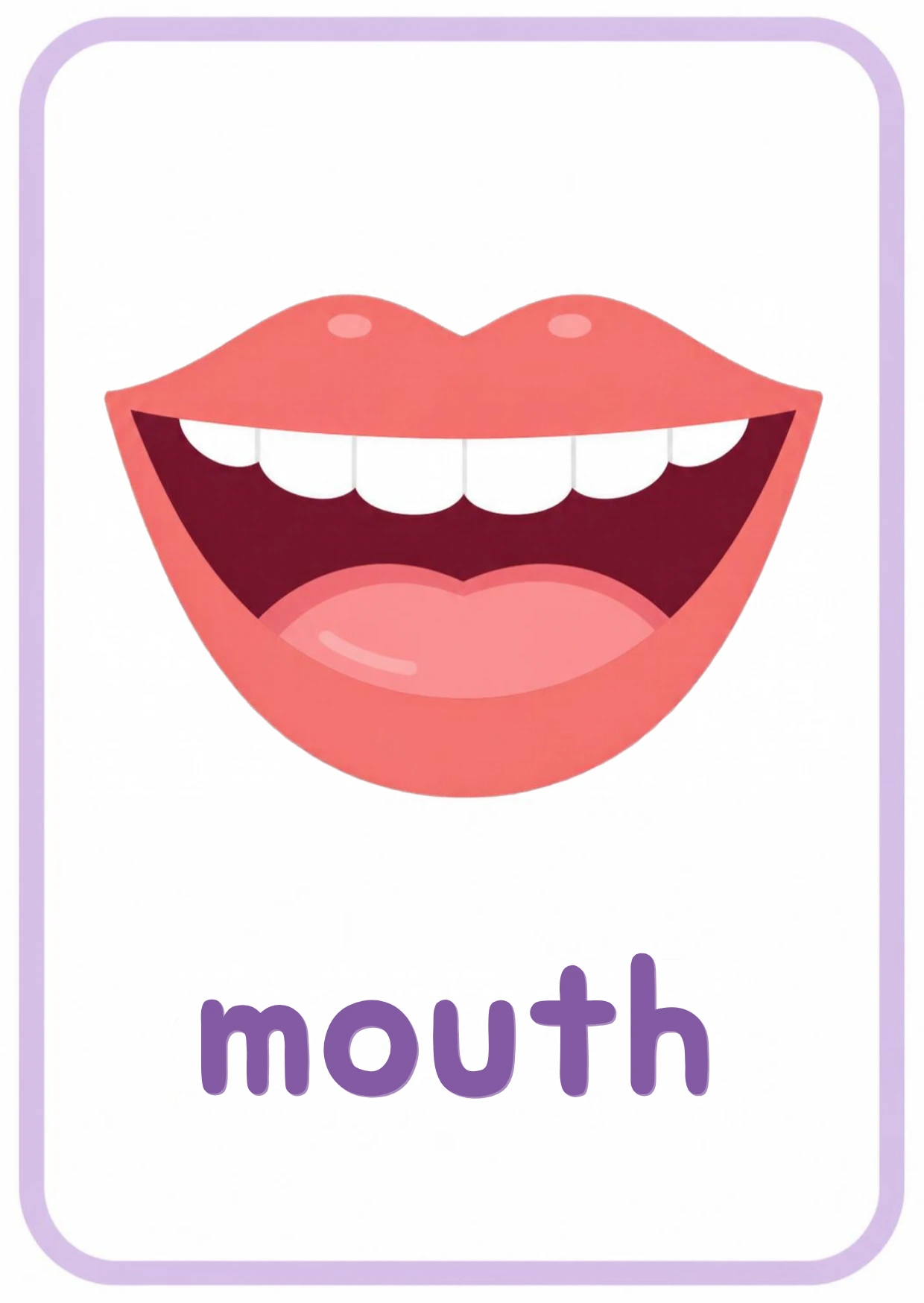
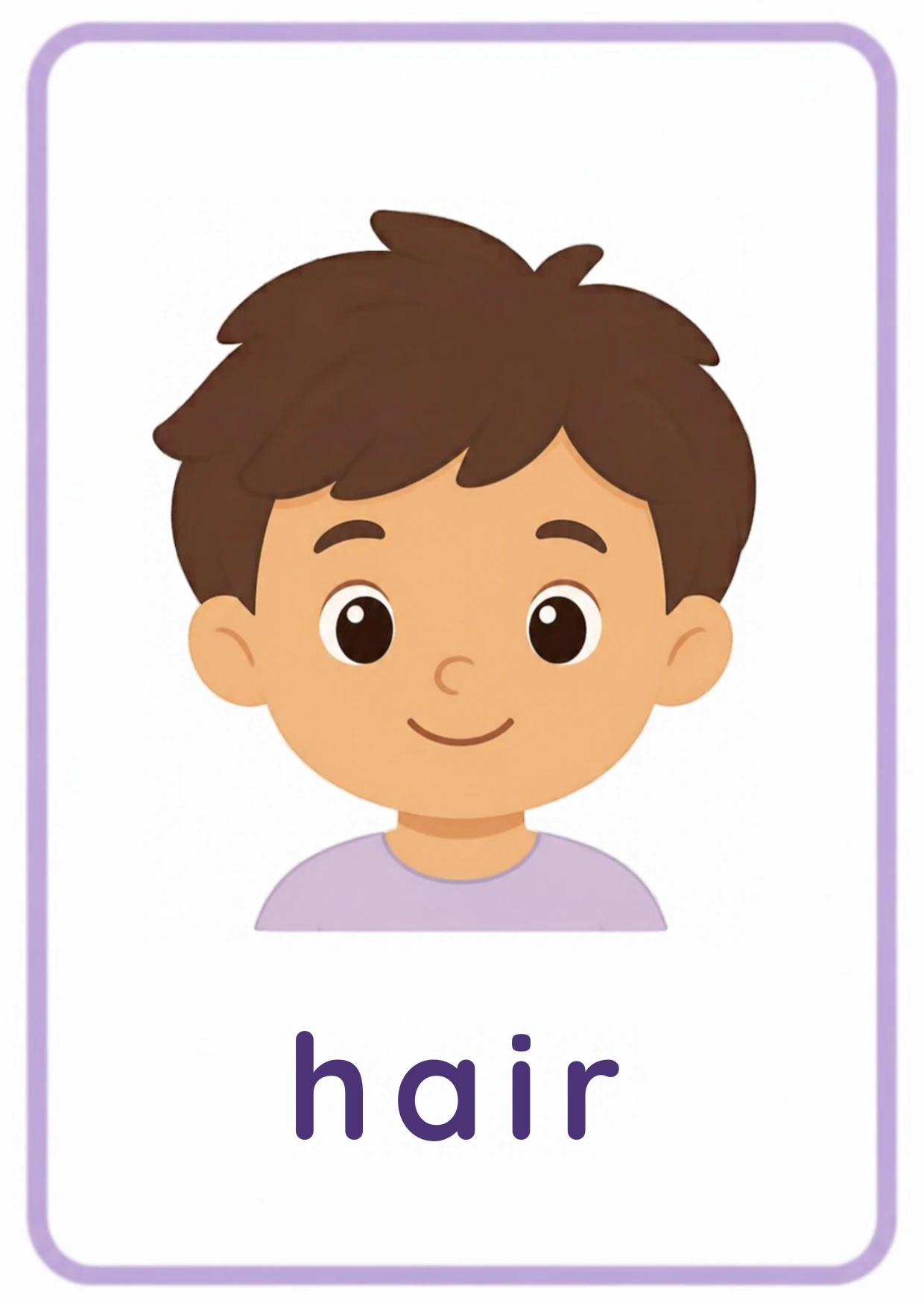
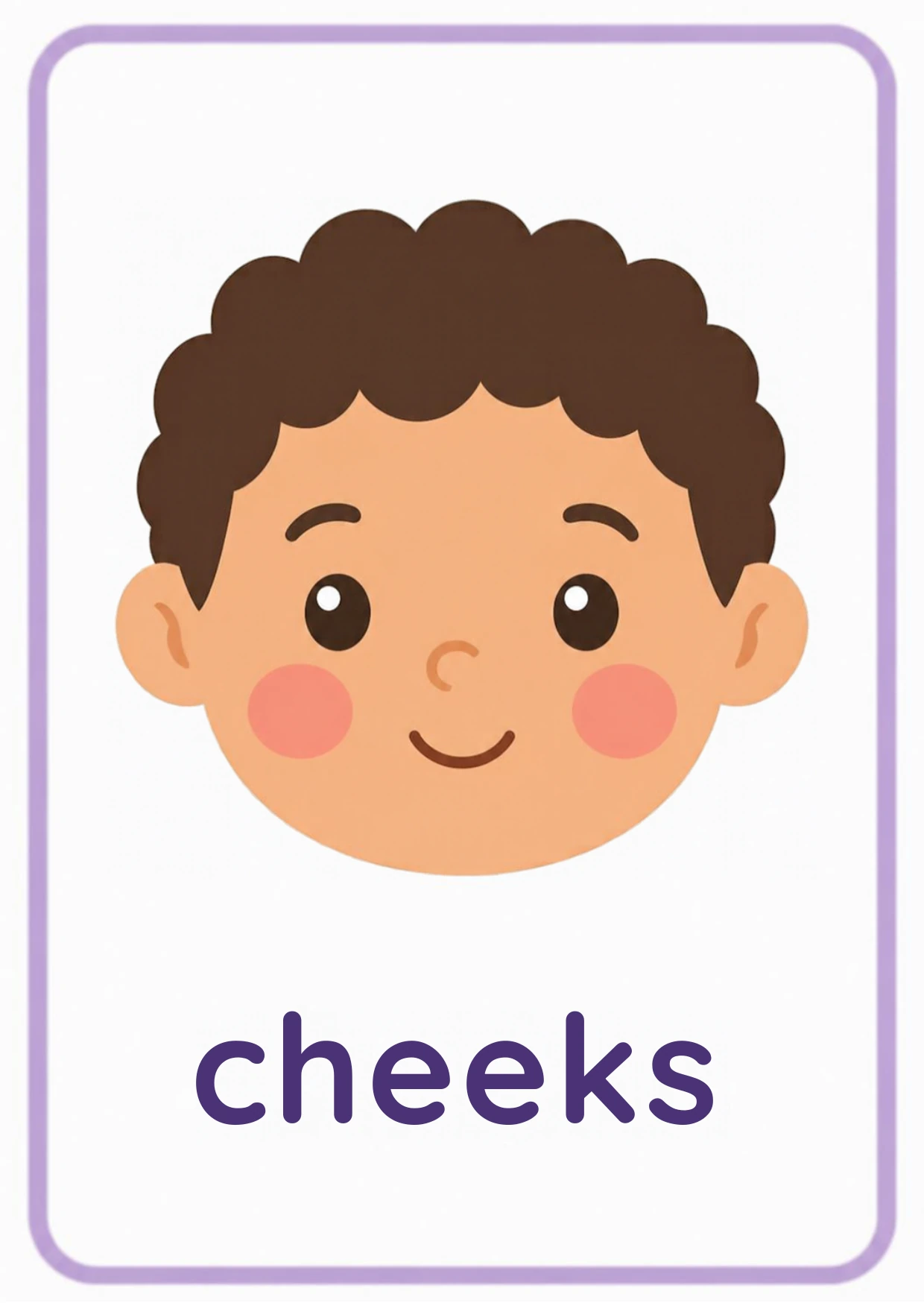
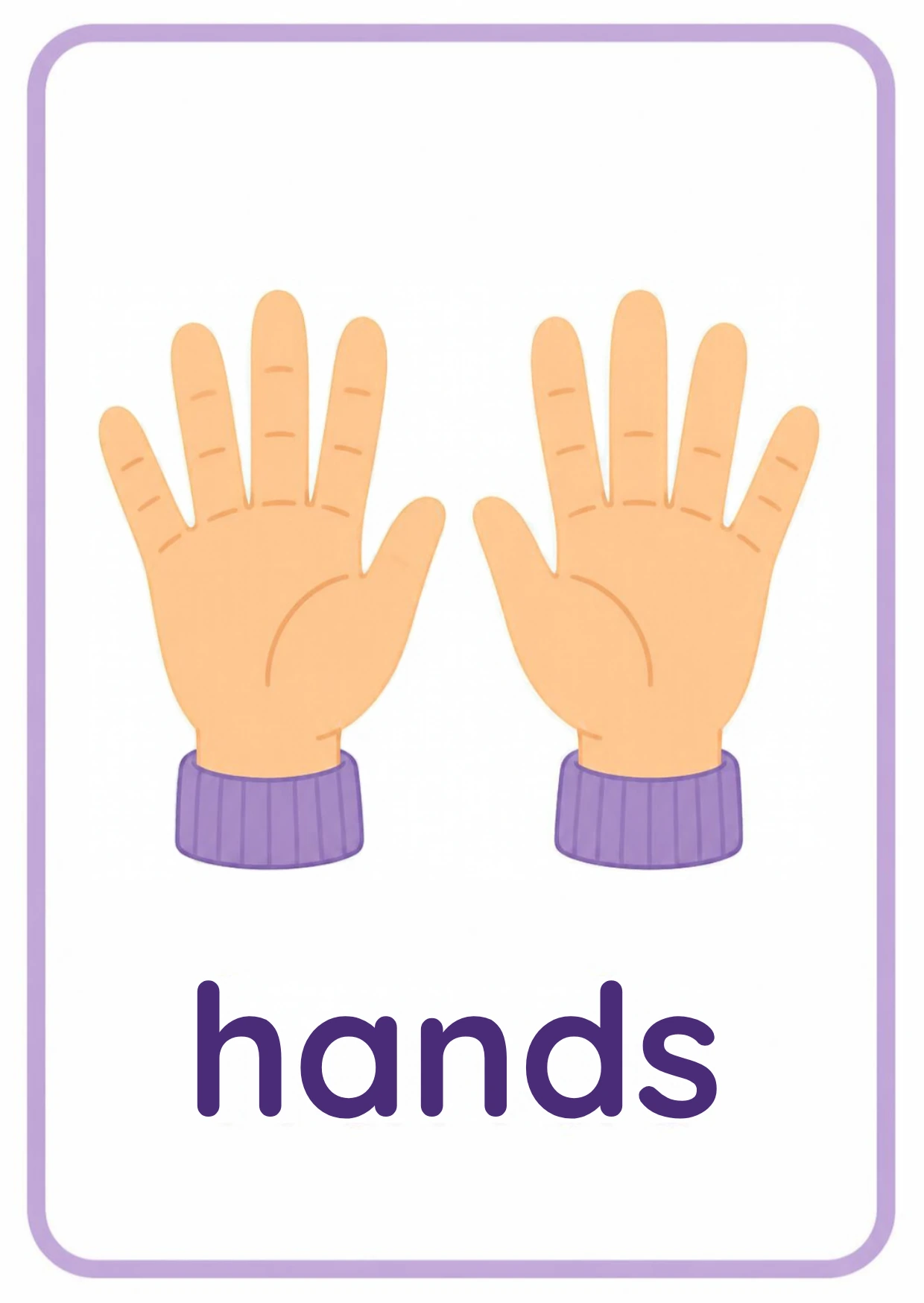
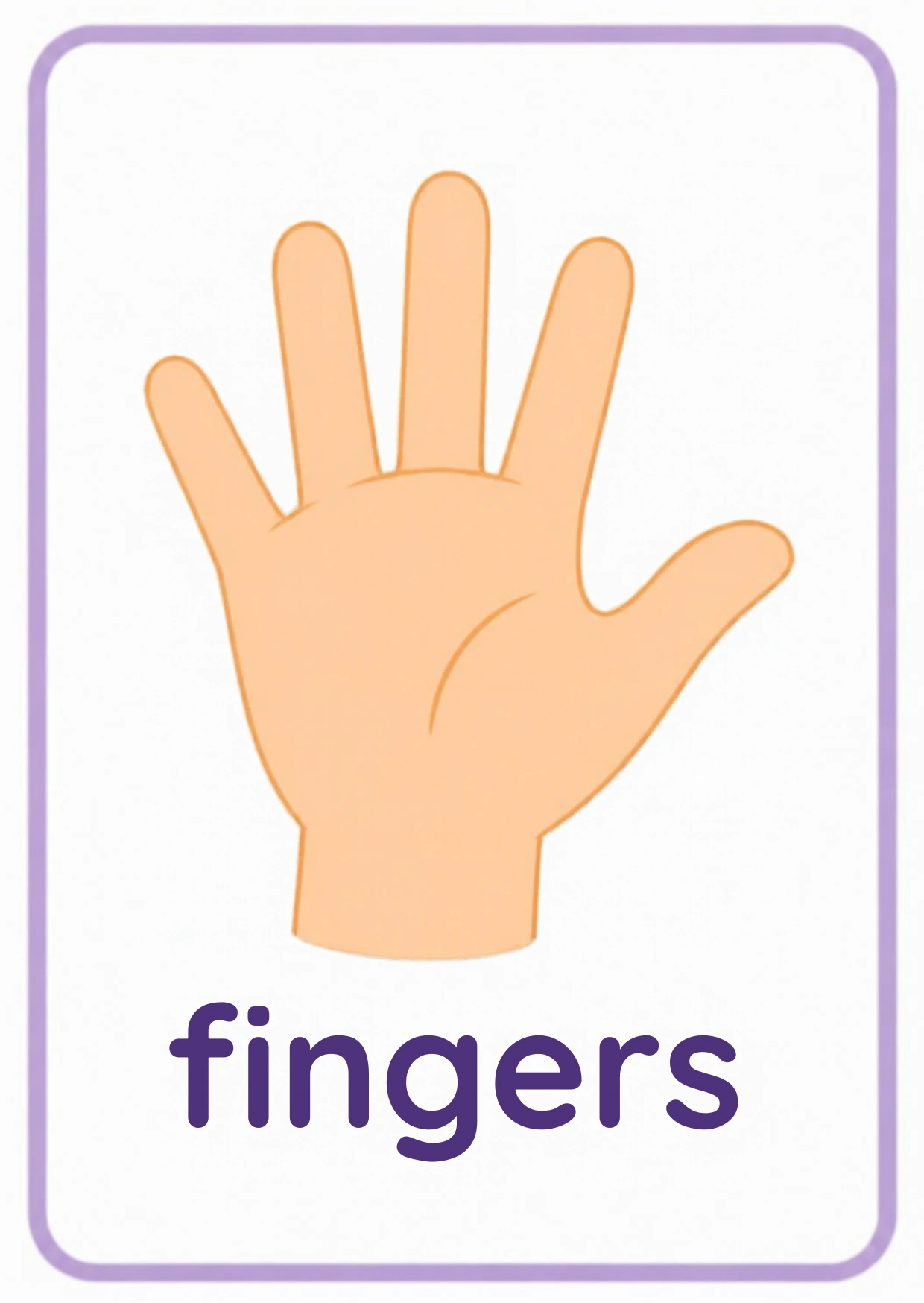
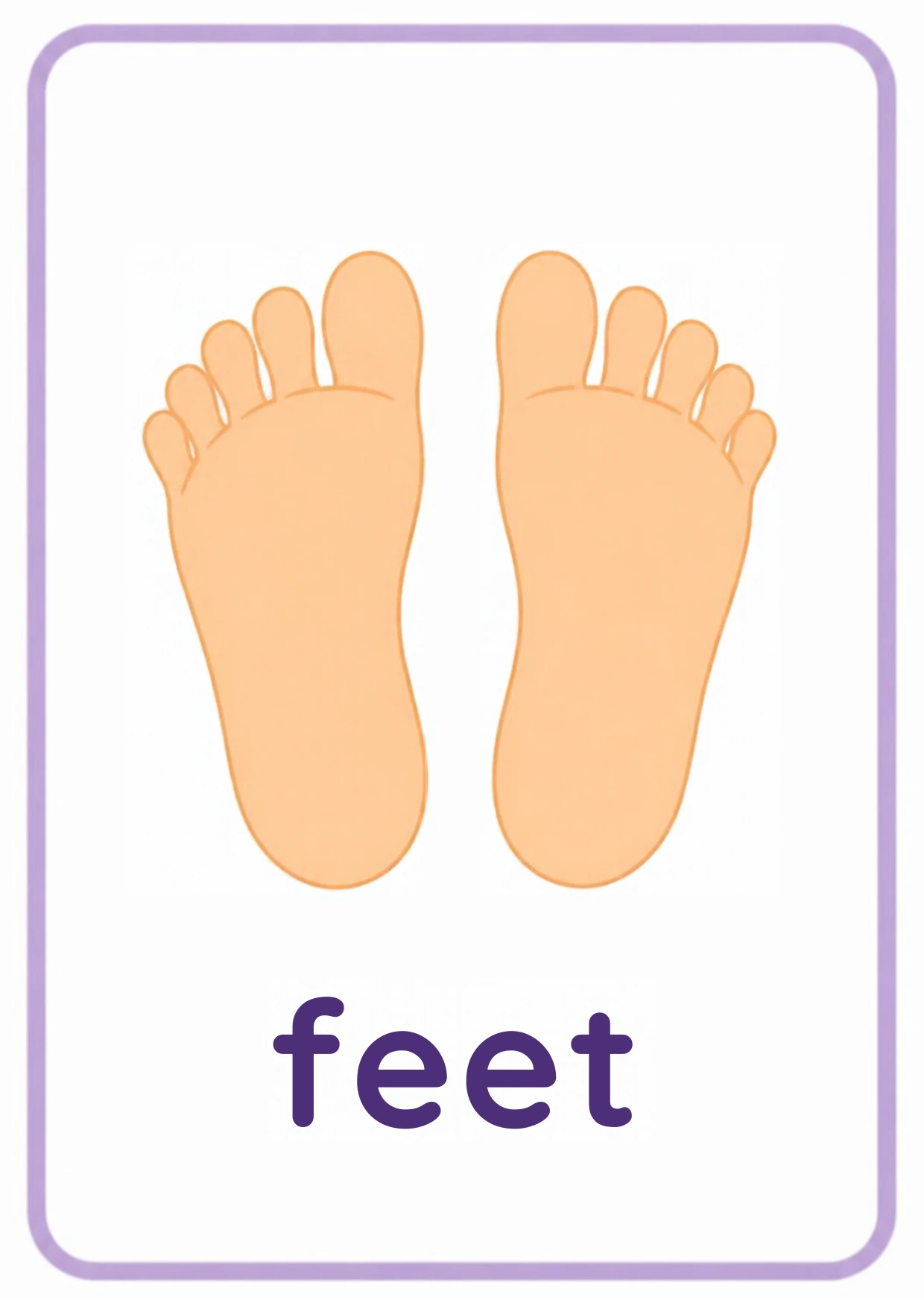
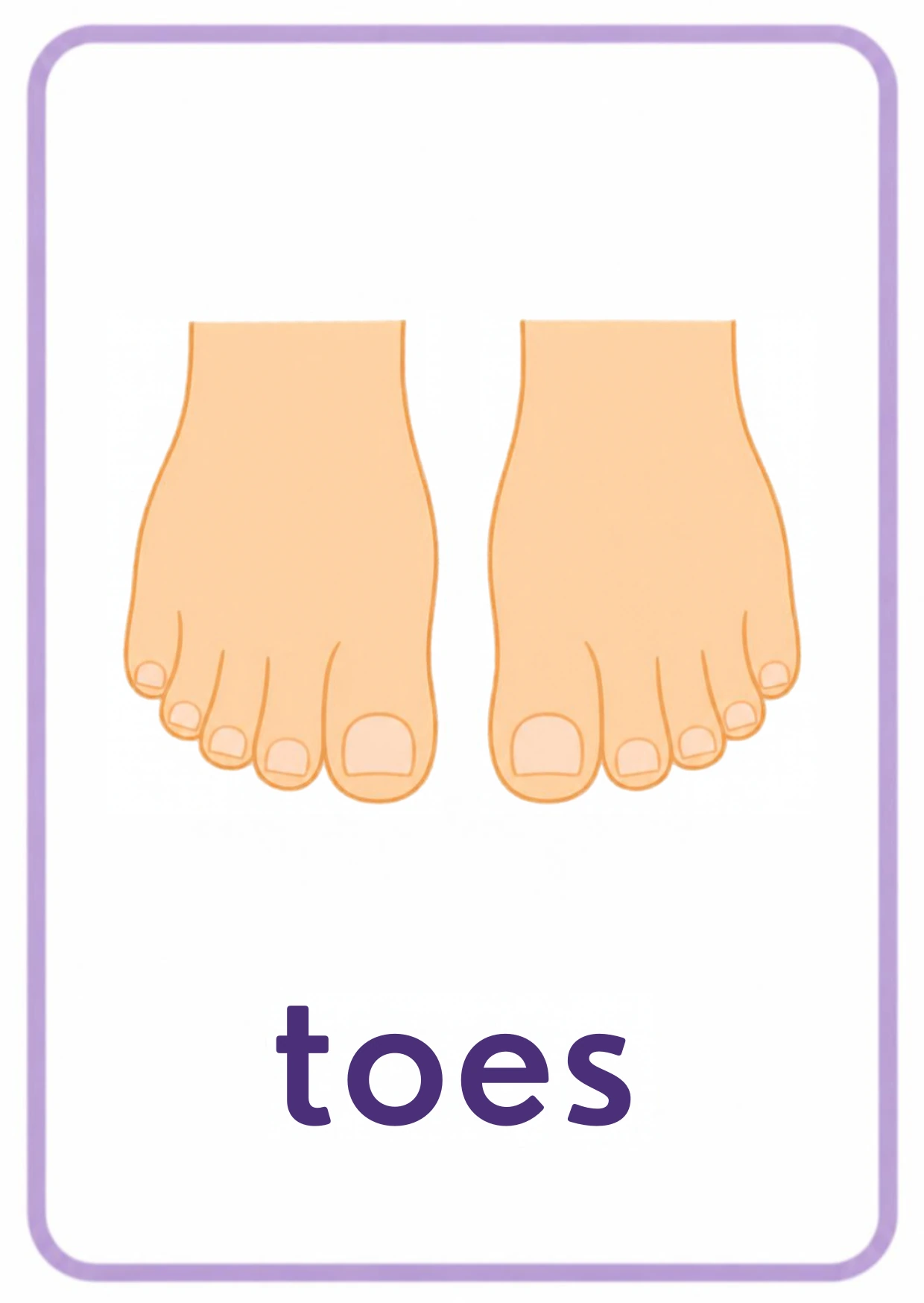
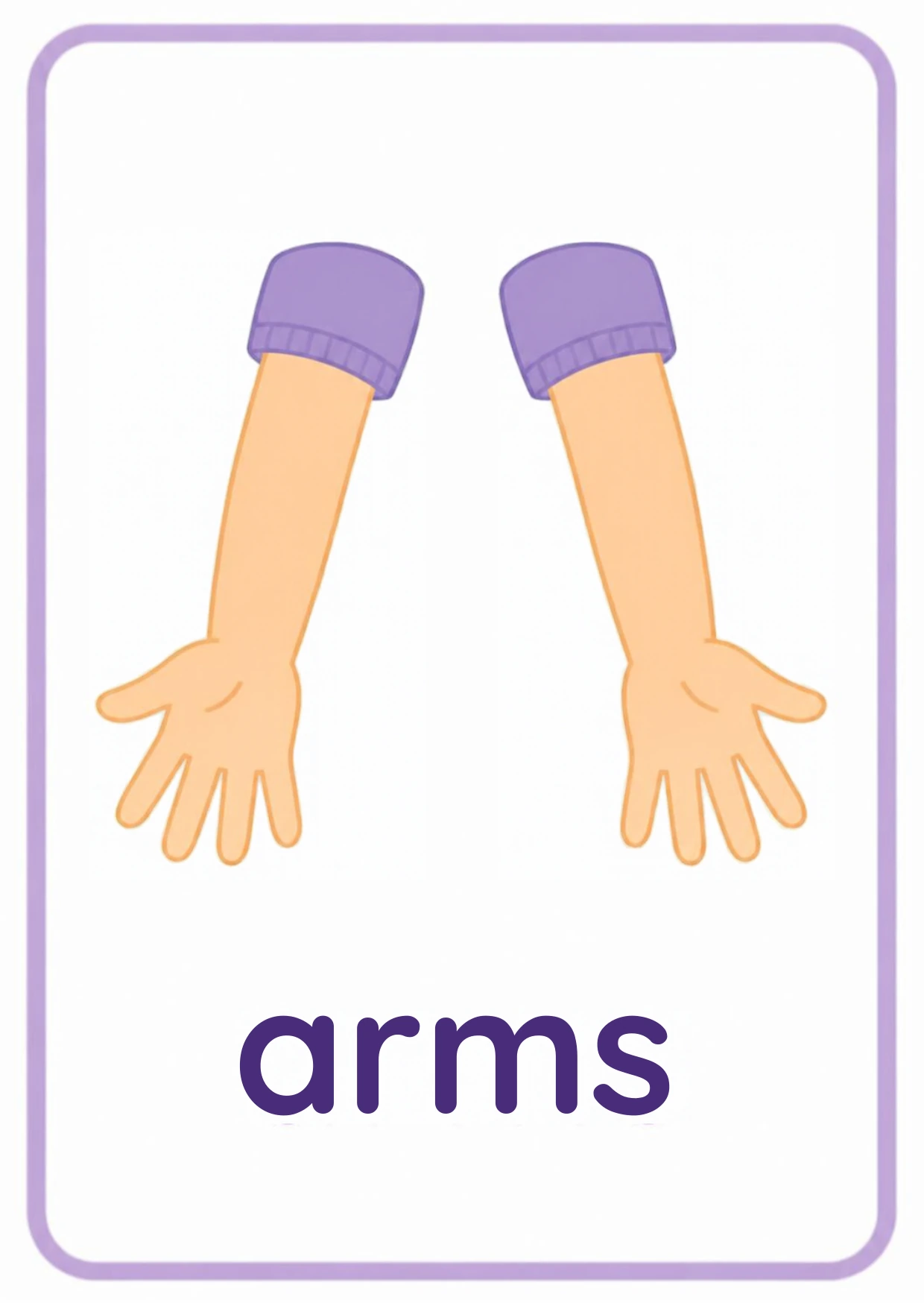
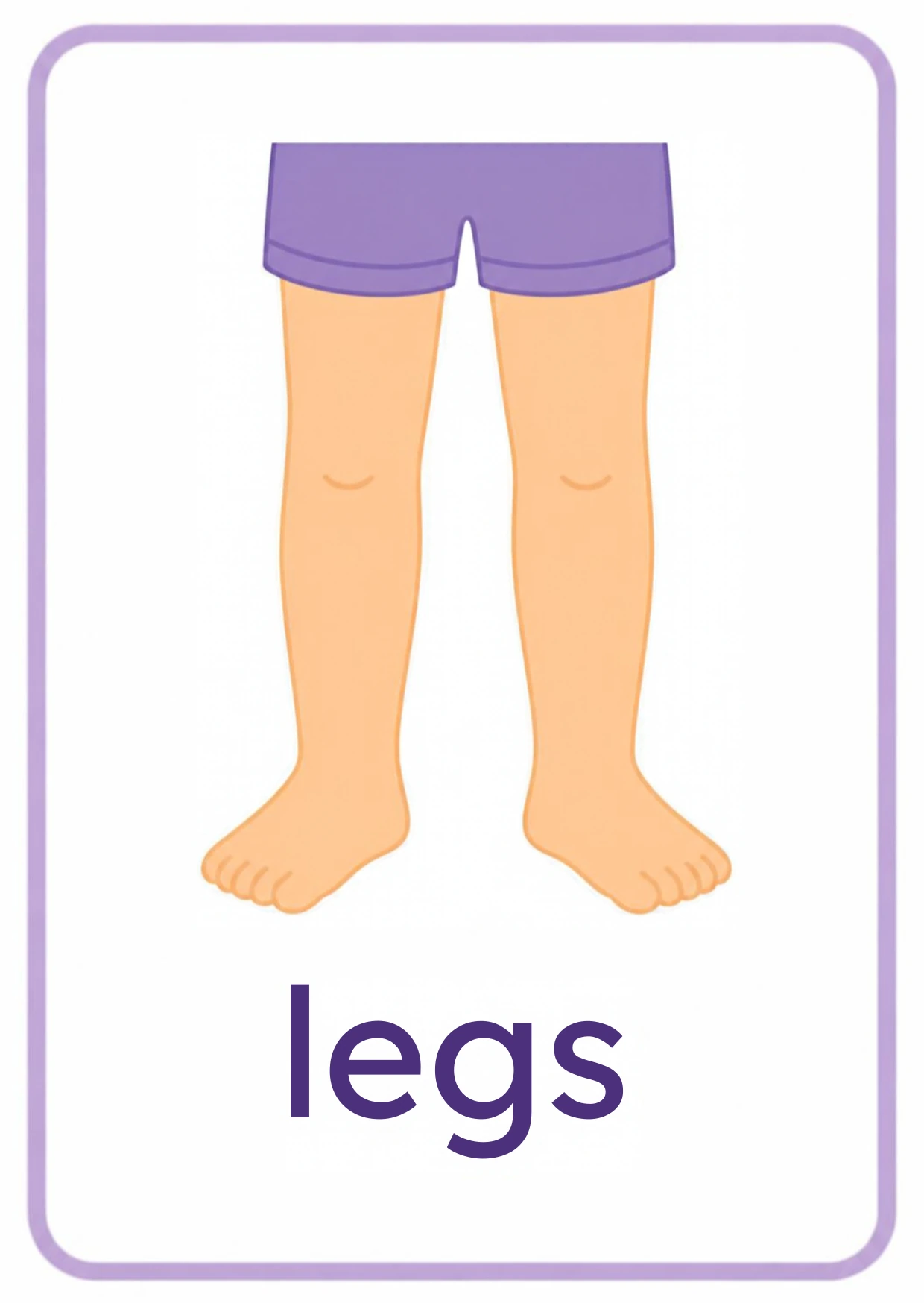
Say each body part’s name as it arrives, then point to it on yourself — the pointing is the lesson. Use the arrows to wander, or simply scroll: all fifteen cards are below.
The pair is the whole game: “hands!” — then clap, clap. “feet!” — then stomp, stomp. Every body part gets a word and an action.
MY FIVE SENSES
Five ways to know the world.
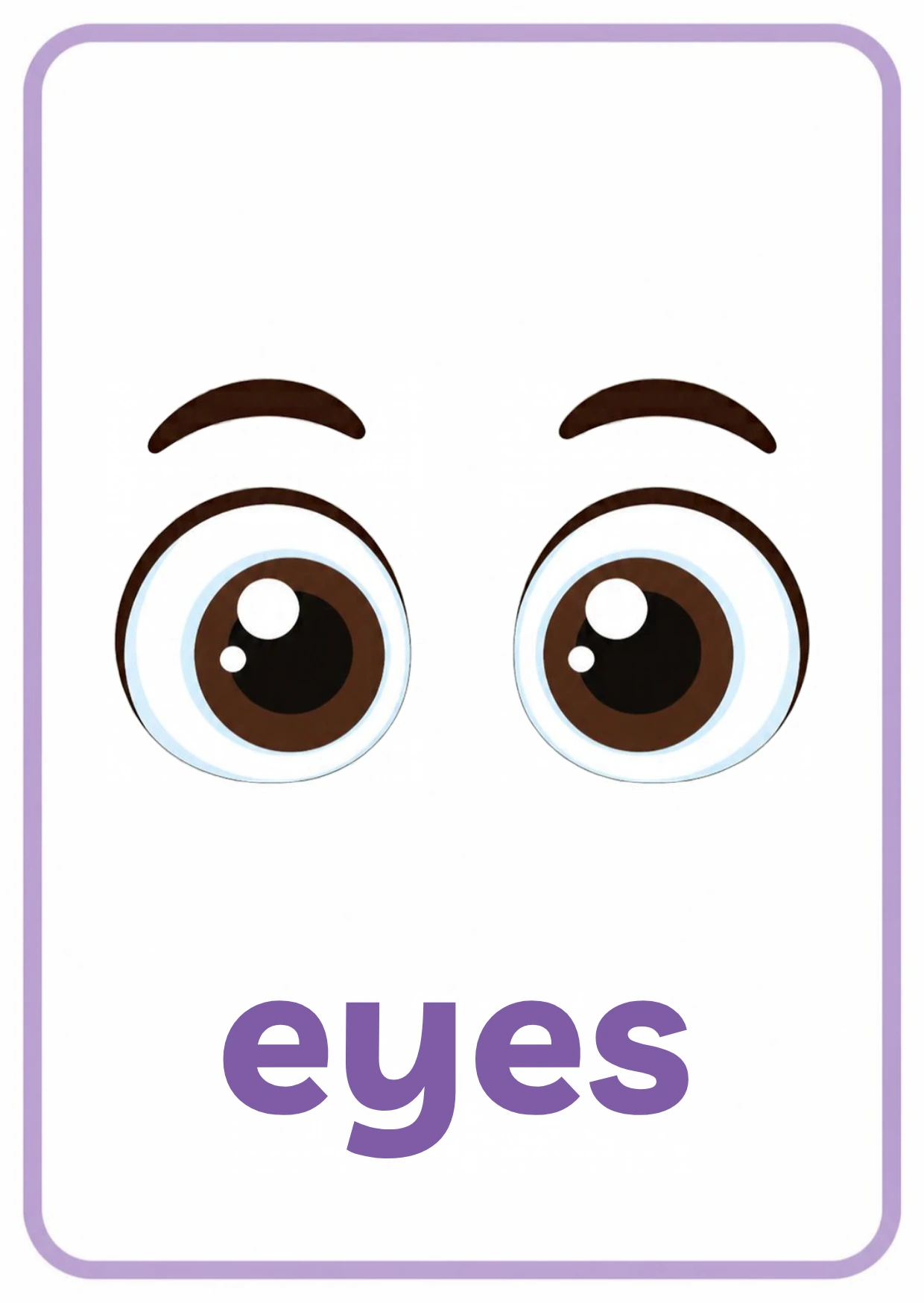
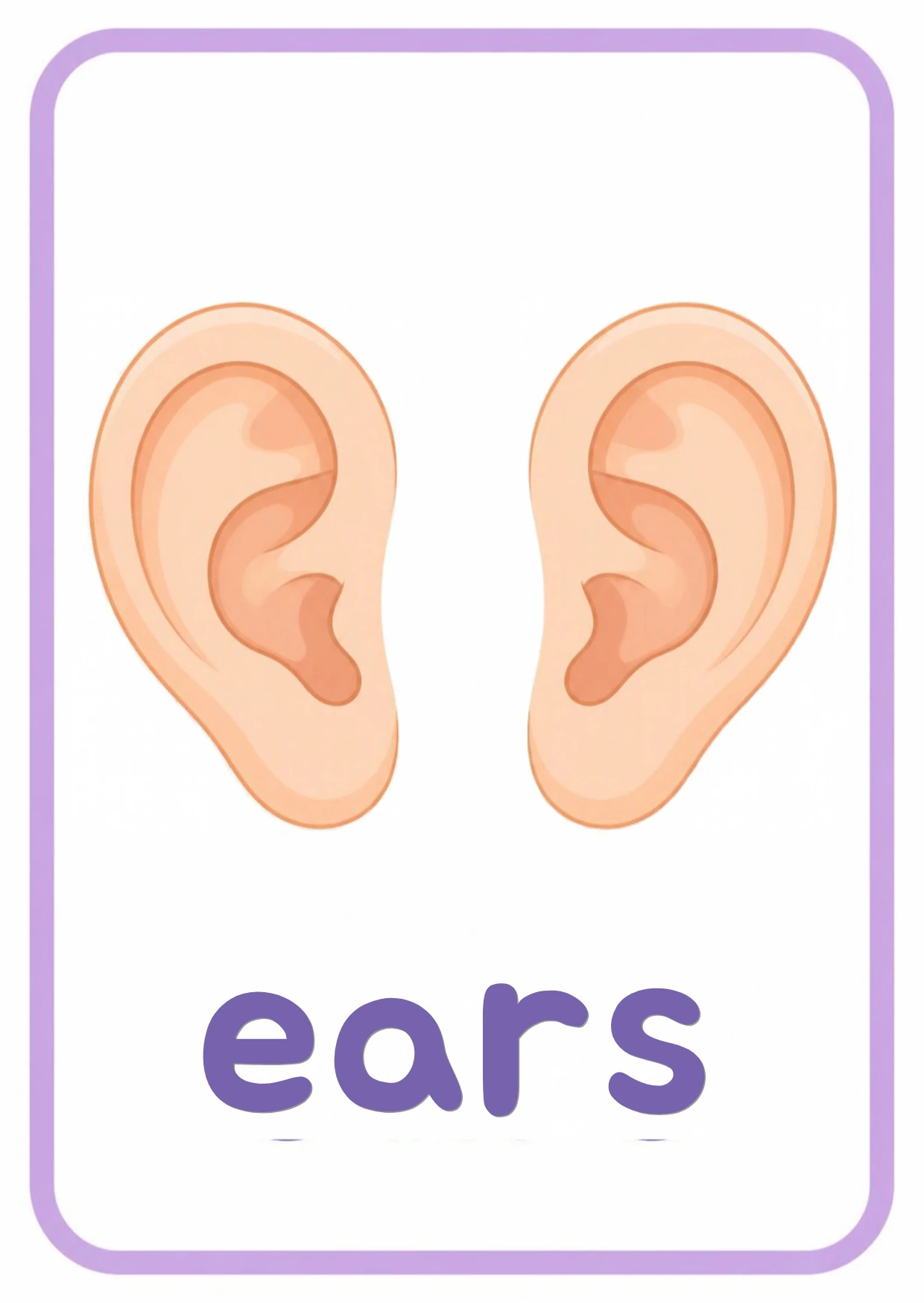
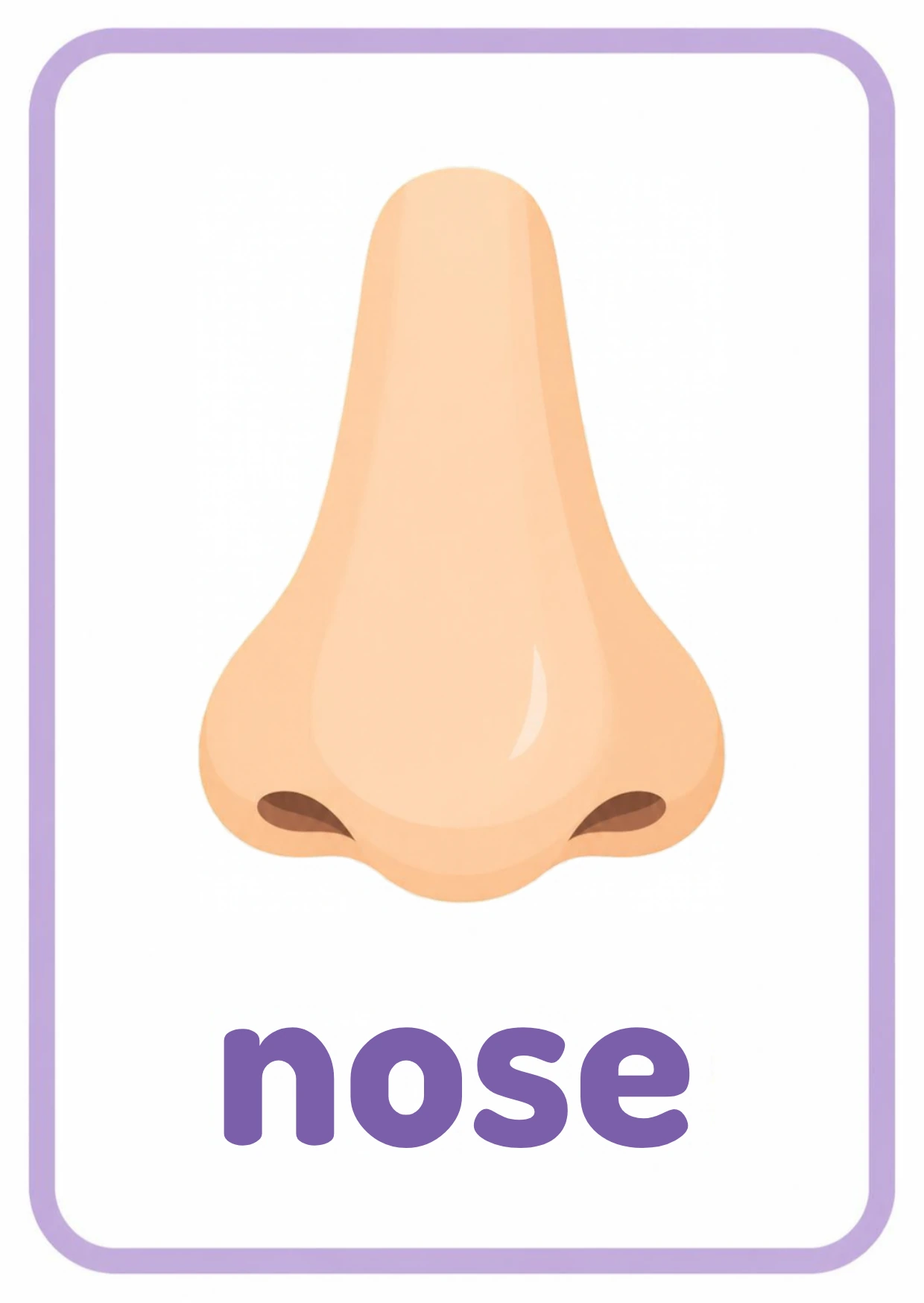
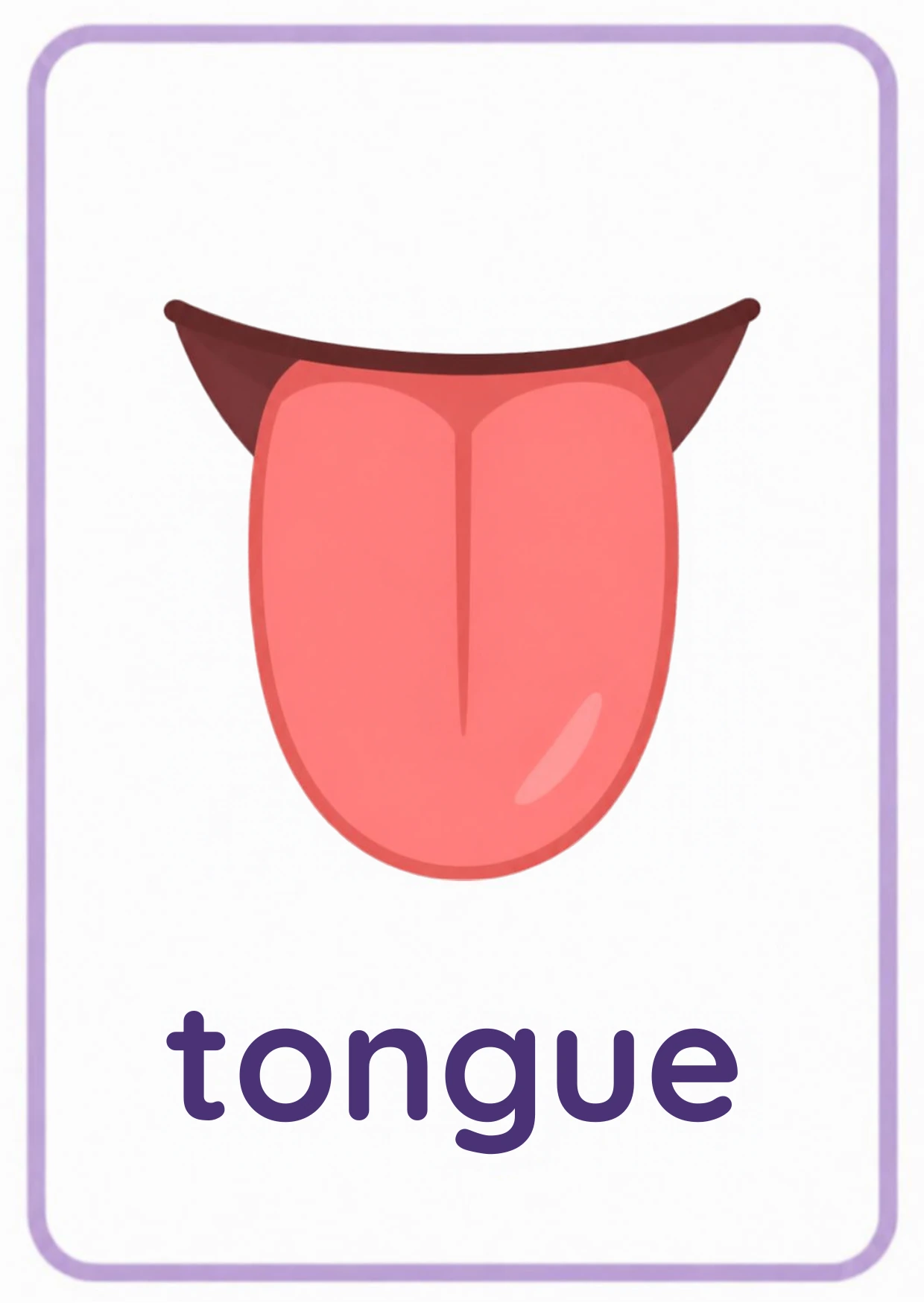
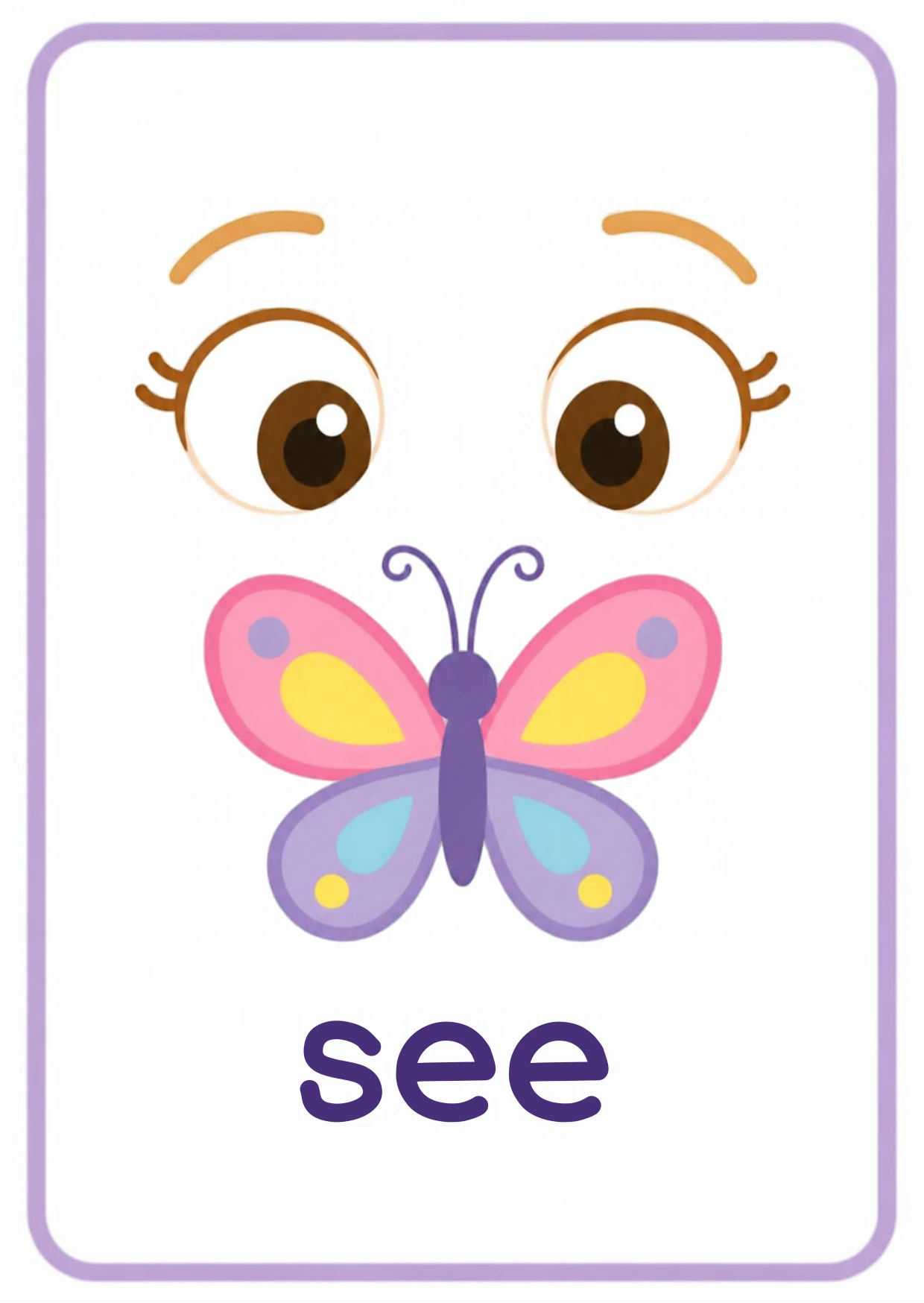
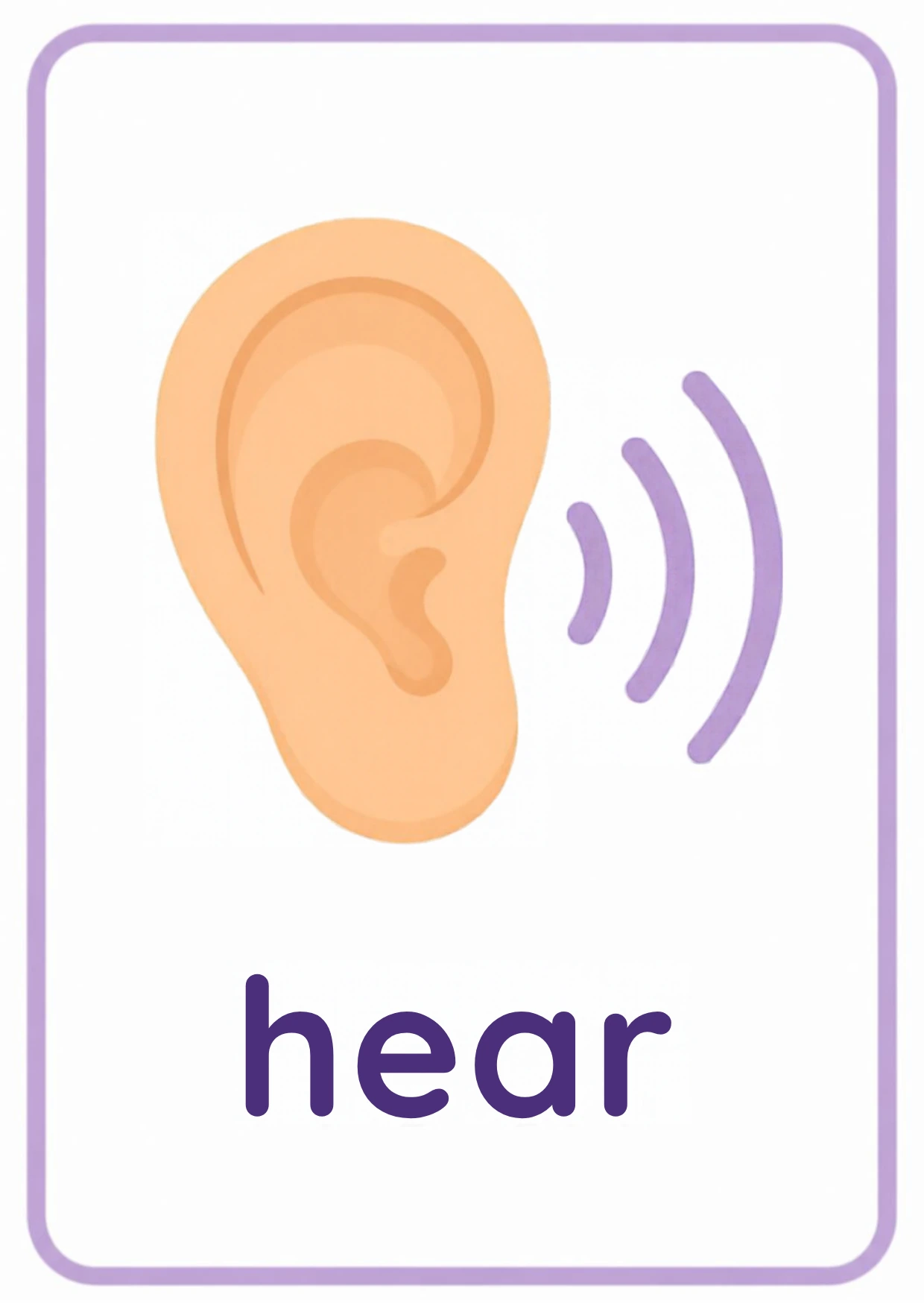
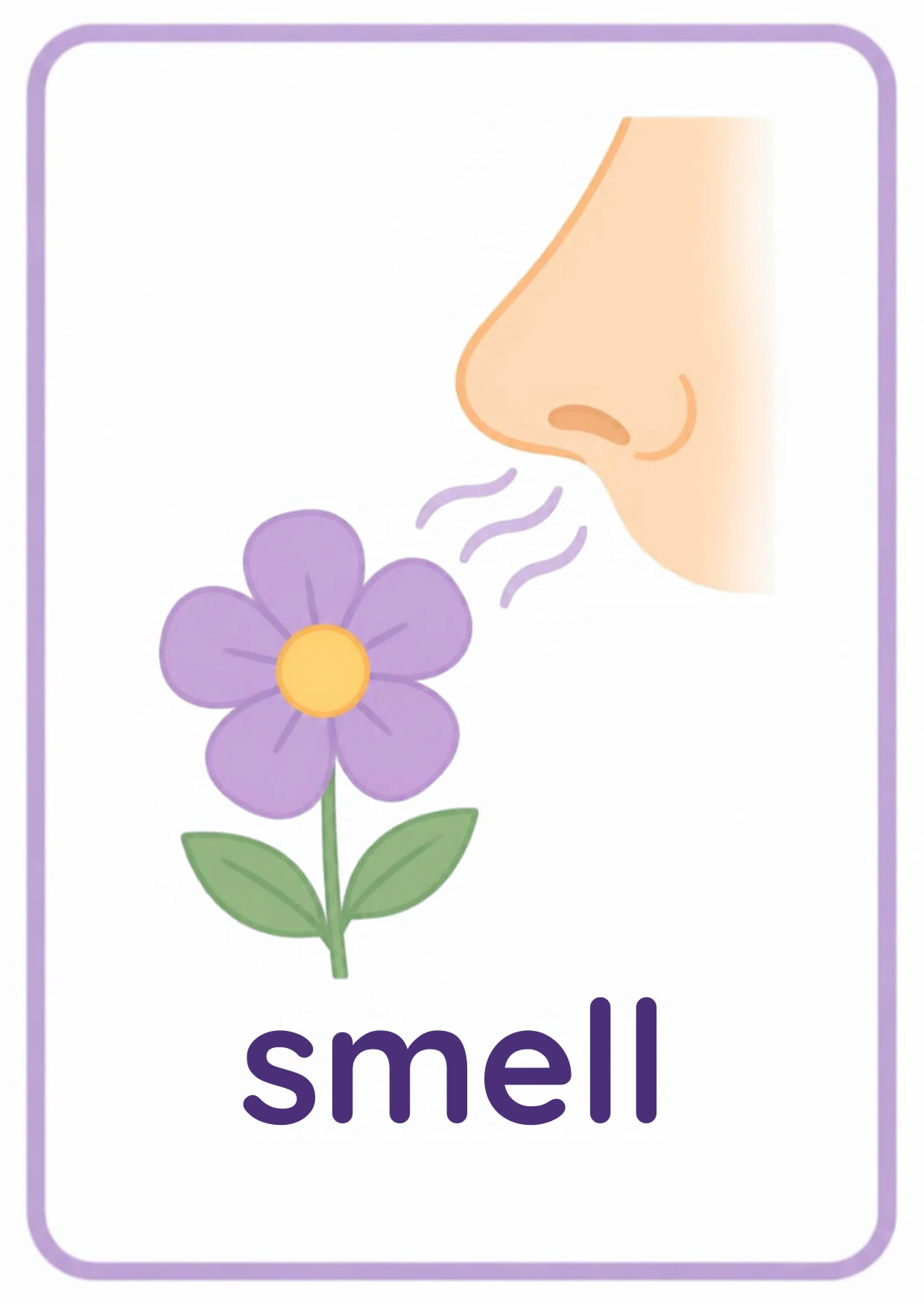
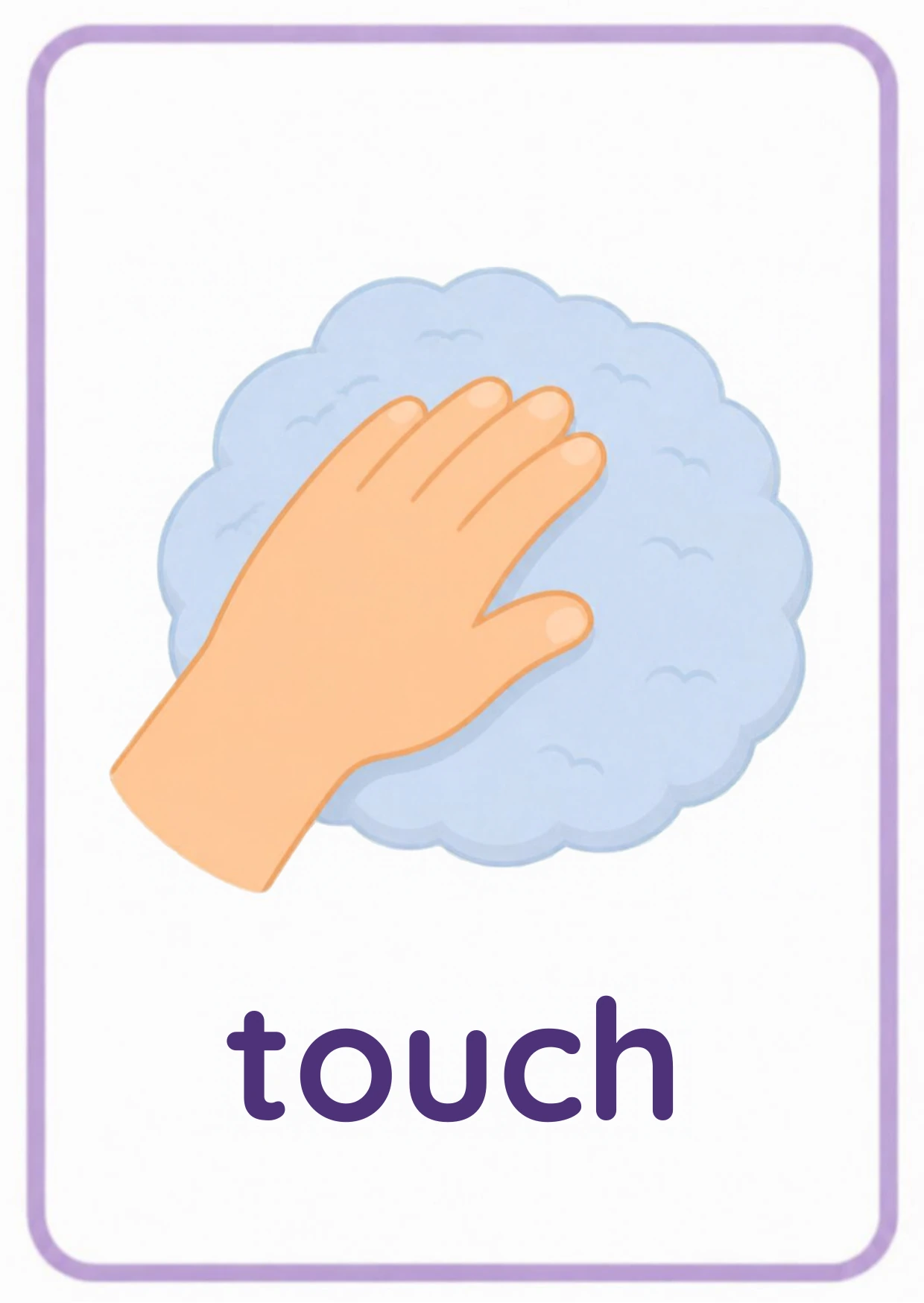
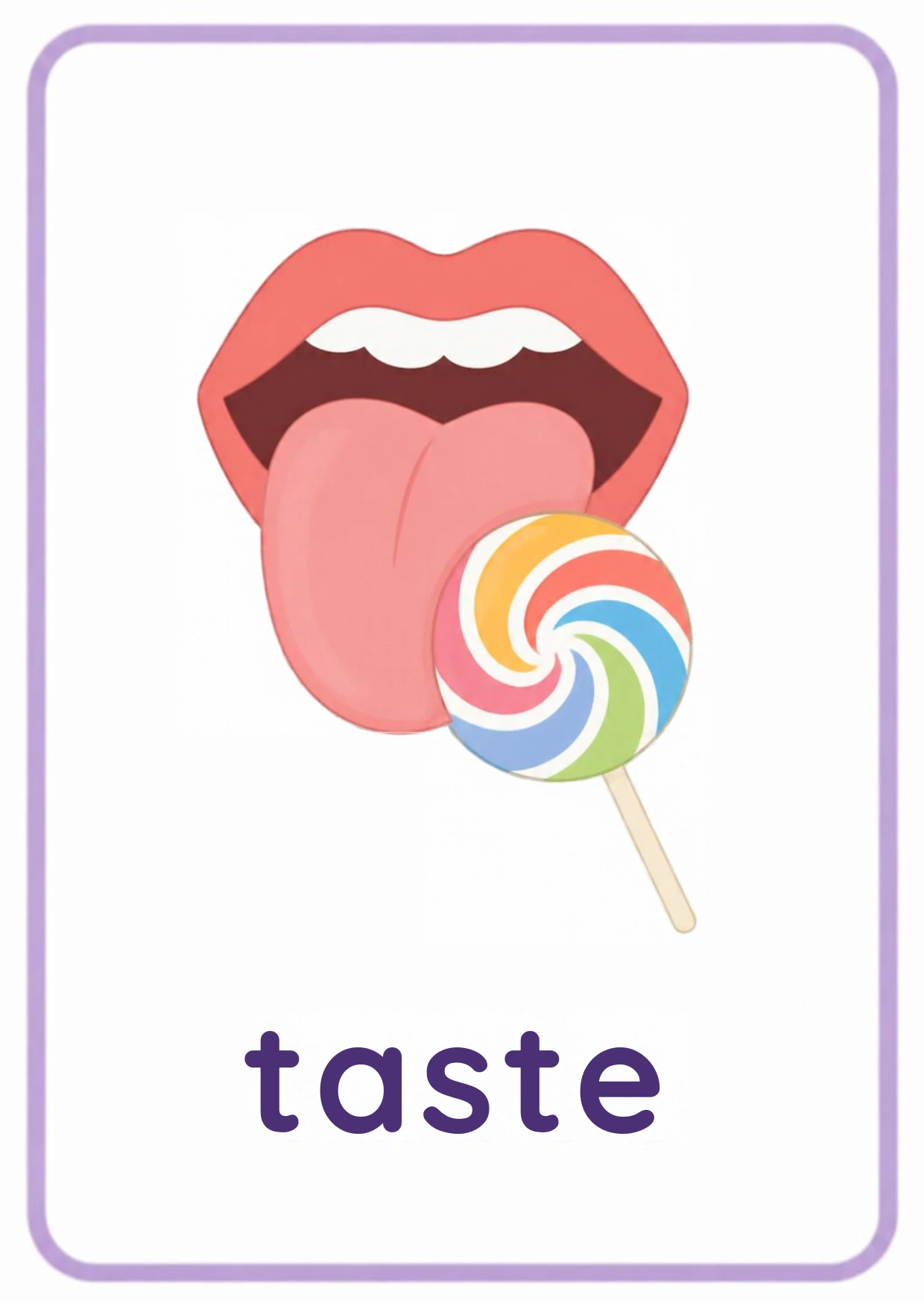
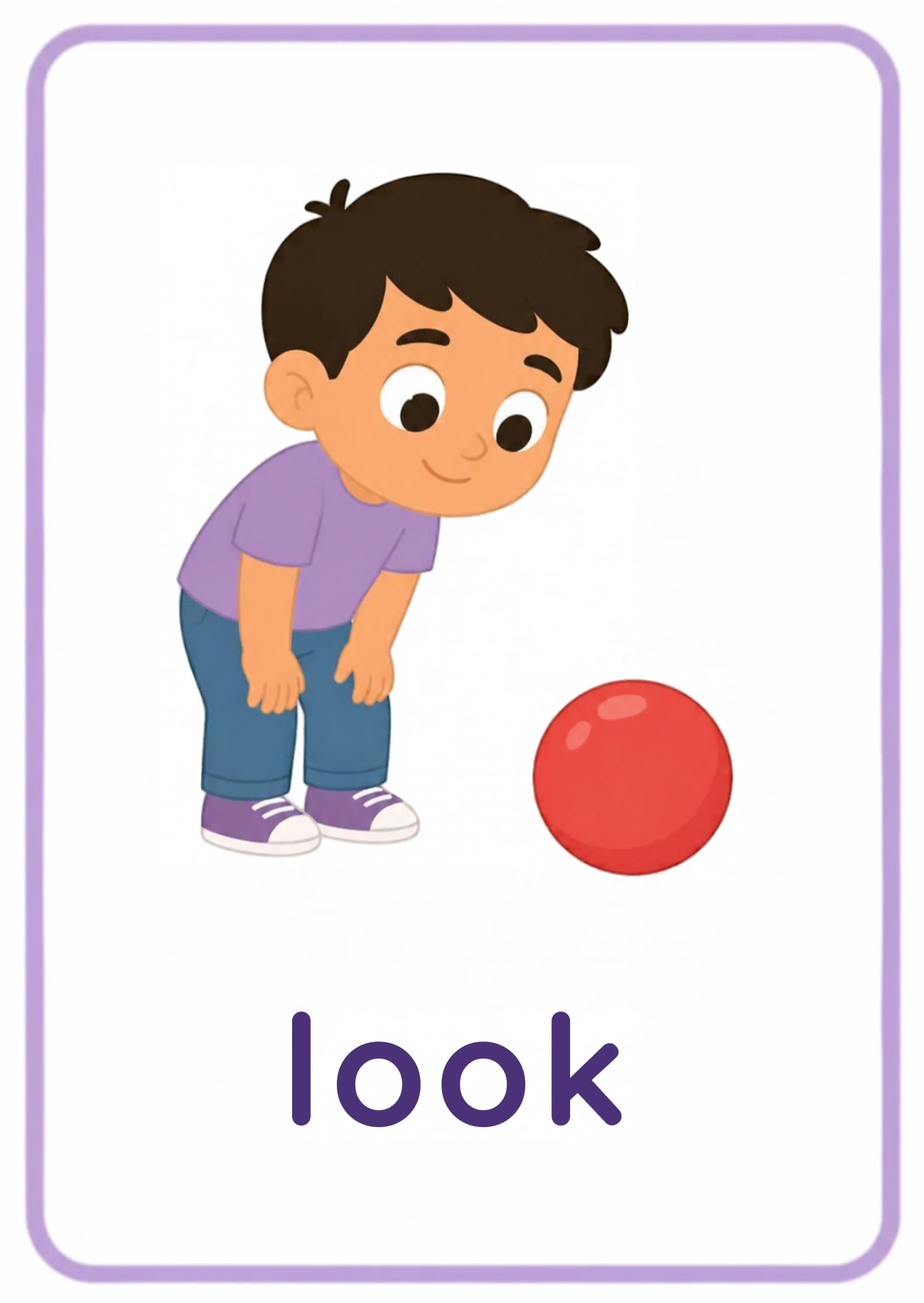
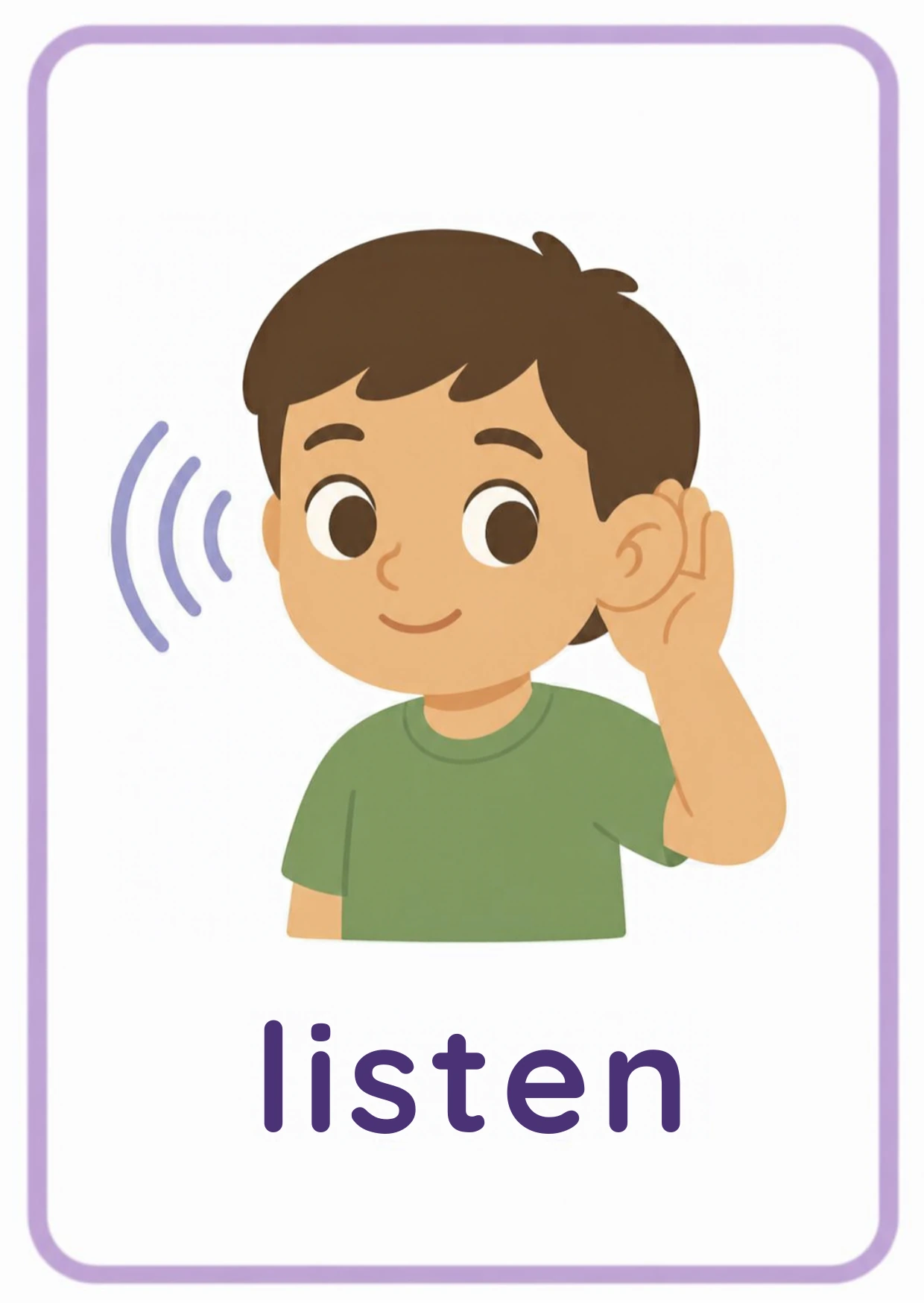
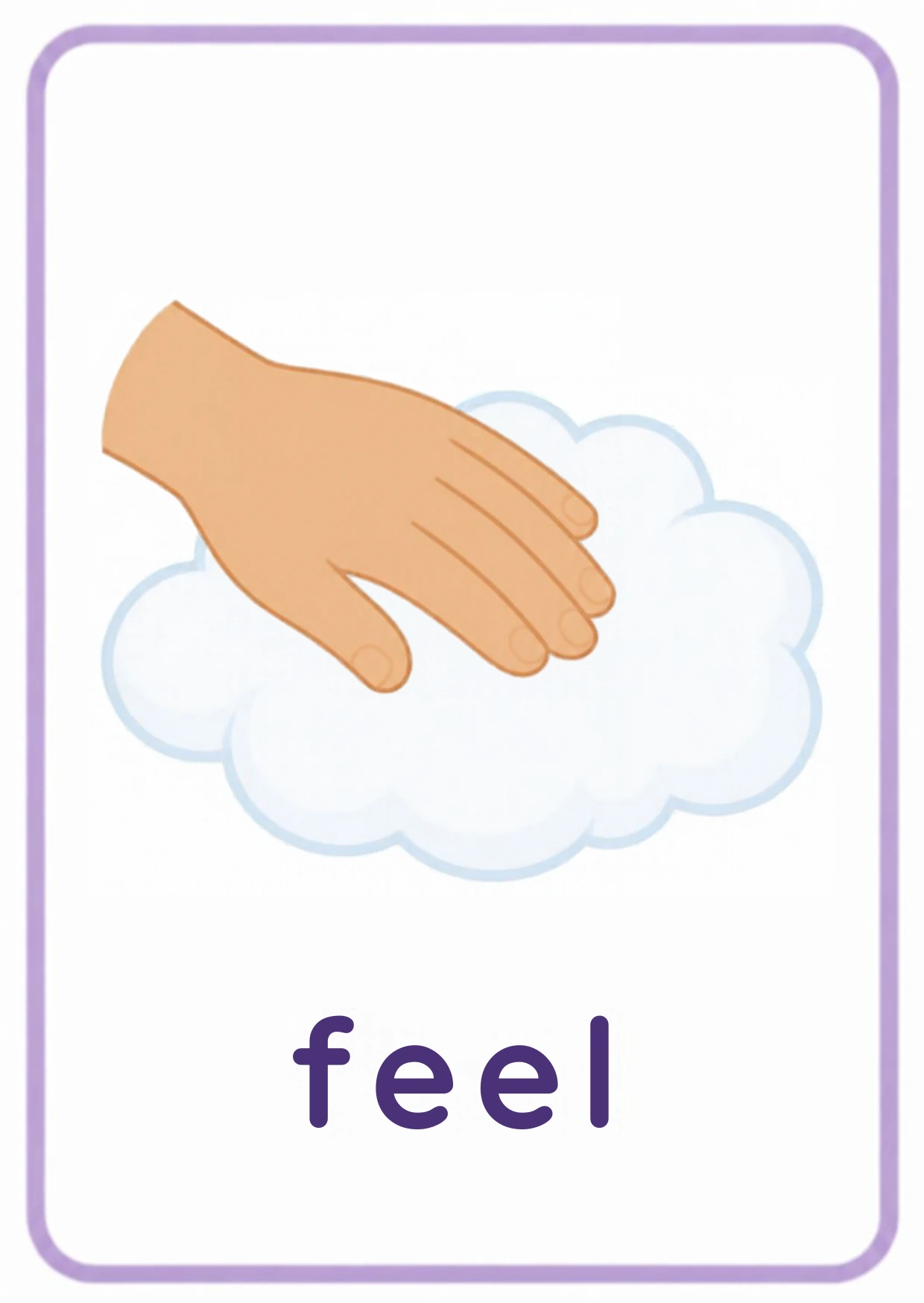
Eyes see, ears hear, the nose smells, the tongue tastes, the skin touches — five senses, always working together. Read each card slowly, then try the little experiment it offers.
Card 1 of 9
Or simply scroll: all 9 cards are below.
SeeHearSmellTouchTasteLookListenFeelSkin
The five senses, in one breath
Eyes see. Ears hear. Nose smells. Tongue tastes. Skin touches. Say it like a little song, with a point for each line — three times through is a whole sense class.
SOLVE THE SHEETS — ON PAPER OR ON SCREEN
Solve the body sheets together.
The twenty-four body and sense cards print two to a page, straight from your browser. Printed, cut and named, they are the class’s real worksheets — and on screen, every card page can be drawn on directly.
01
Print the cards
Open the printable cards and print all twenty-four, two to a page. Cut them out together, naming each body part as it is cut.
02
Point to your own
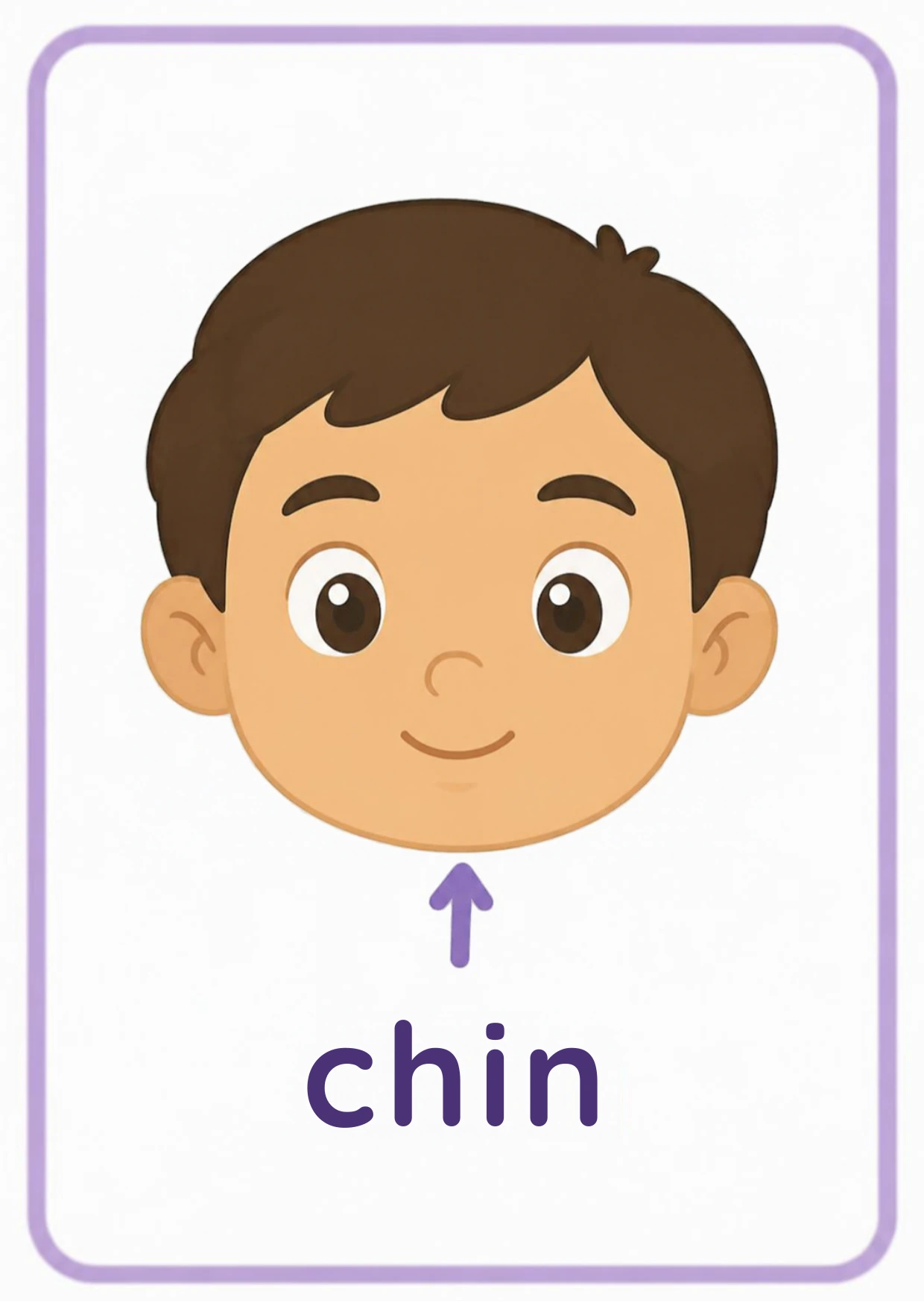
Hold up a card — head, chin, knee — and point to that part on your own body. The word lands where the part lives.
03
Try the senses
On the sense cards — see, hear, smell, taste, touch — try each sense out loud: what can you hear right now? One sense a day is a lovely pace.
04
Trace the body
On paper, trace your child’s hand on the back of a card and label the fingers together. On screen, the card page’s Write & Color layer is the crayon.
Every card page has a Write & Color layer: your child can draw right on the card with a finger, a stylus or the mouse, then save the finished work. Nothing is uploaded anywhere.
OFF-SCREEN PLAY
Your body, live from your living room.
Body parts and senses are made for away-from-screen play: no toys needed, and the star of the show is standing right in front of you. Pick one of these — two minutes is plenty.
Simon says, Kiddo edition
“Simon says touch your nose! Simon says clap your hands! Stomp your feet!” — leaving Simon out now and then is the best part, and getting caught means a giggle, not a loss.
A quiet listening minute
Sit together, close your eyes and count the sounds you can hear: a car, a bird, the fridge, a footstep. Ears on, voices off — five seconds to start, longer if it catches on.
A looking walk
On the way anywhere, be sense detectives: find something red, something tiny, something high up, something that smells interesting. Every find gets its sense word said out loud.
The feel basket
Collect three things that feel different — a soft blanket, a smooth spoon, a bumpy sponge. Touch each one and say the word: soft, smooth, bumpy. Eyes closed doubles the fun.
One safety word for this class: hands, ears and noses explore everything, but mouths only taste real food that a grown-up has checked — never anything found on the ground or handed over by curiosity.
PRINT THE CARDS
Take the body to the kitchen table.
All twenty-four cards print two to a page, in card order, straight from your browser — no PDF, nothing to install. Cut them out and the whole class plays on the table.
Printed cards love fridges, bedroom doors and kitchen tables. The same cards also live in the flashcards library, each with its own page.
TEACHER NOTE
One last word from class.
“What a wonderful class! Your child named body parts, pointed to every one of them, and met all five senses — that is real body awareness, and it starts with words. Keep playing through the day: where are your ears? What does the bathwater feel like? See you in class!”
— Your Kiddo School teacher
A NOTE FROM THE PRINCIPAL
For the grown-ups.
Body-part words are the beginning of three big things: self-care (hands wash, feet get socks), safety (a child who can say where it hurts is easier to help) and science (the five senses are the first scientific instruments anyone owns). None of this needs a lesson plan — naming body parts while dressing, bathing and walking does the whole job. When your child points and names, answer with the word and one more: “Yes — and what do your ears do?”
Whether you met two body parts or all fifteen, that was the whole class — and stopping early is always allowed. The cards will be right here, and so will the match board, whenever you come back. The body words are already busy in your house: at bath time, at dressing time, at every where-are-your-toes moment.
Say the word and point to it — the pair is what sticks. “Head!” while you pat your head teaches faster than any worksheet, because your child’s own body is the picture book. Let your child take the taps in every game, even when the answer looks obvious to you: the finger teaches the mind.
Then flip the game: your child says the word and YOU point. Getting one wrong on purpose — patting your elbow when they say chin — keeps the game alive for weeks, and being the caller is powerful practice for a three-year-old.
Age 3 is a guide, not a deadline. If today’s class was two round cheeks and one loud stomp, today’s class was a success.
FAMILY FEEDBACK
How was this activity?
Your feedback helps us make Kiddo School better. This is feedback about the activity, for the grown-ups who make it — it is never about a child.
Comments from our school community
FLASHCARDS
Prefer printed cards?
The cards from this class also live in the flashcards library — every card has its own page with the picture, the words to say together and a download button, ready for away-from-screen time.



Comments from our school community