
Full — a step-by-step lesson for grown-up and child
This lesson fills the third pair’s first half: full, taught with a cup, some dry rice, and a brim worth waiting for. Your toddler watches the level rise and the word lands at the top.
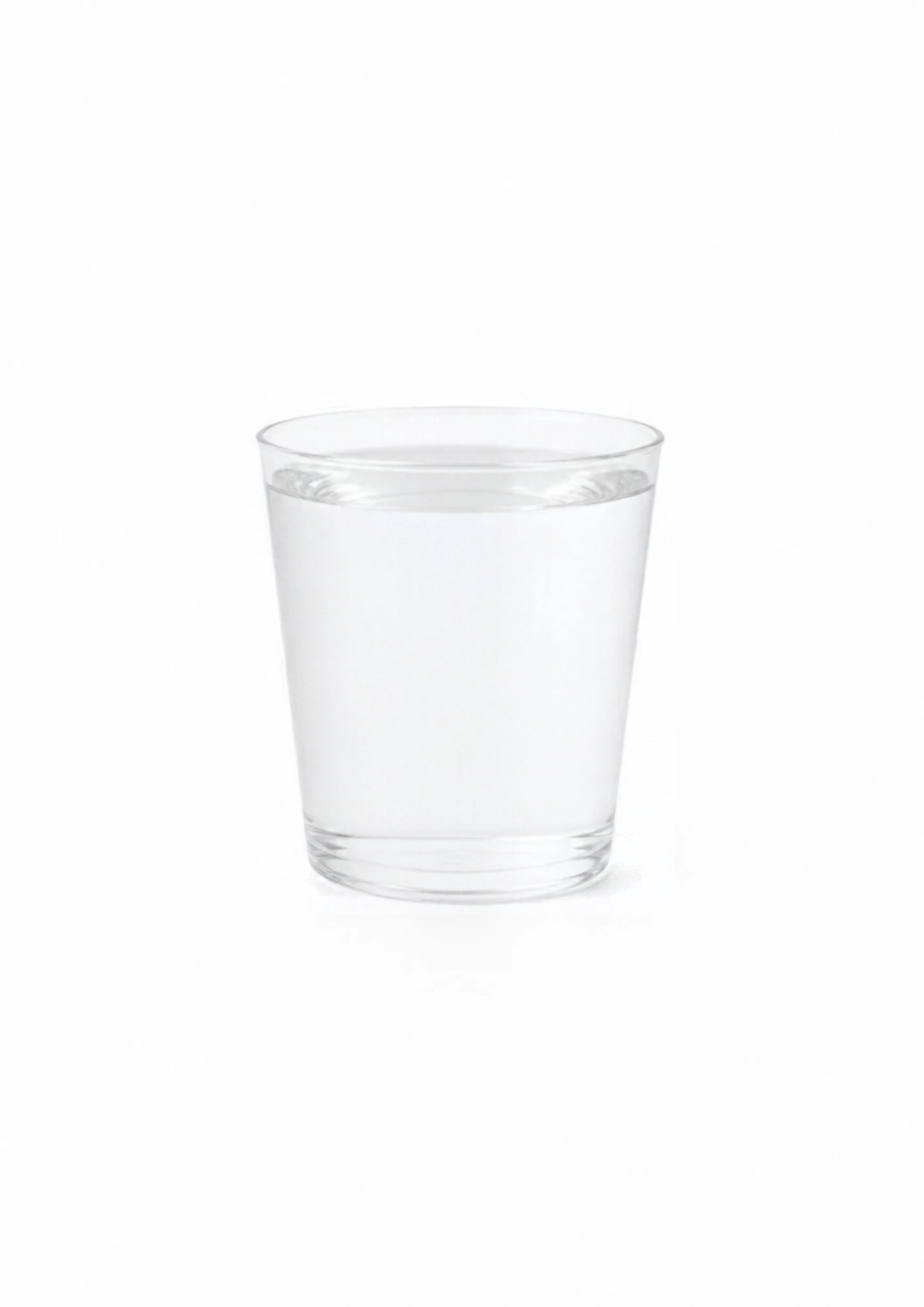
What is this?
Full is a state word — the container that has everything it can hold. The card shows a full container, and the kitchen supplies the moving version in under a minute.
What does it mean?
States change, and the change is where the word lives: the cup goes from not-full to full in front of your toddler’s eyes. Naming the moment of change — there, full! — is what makes the state visible.
What does the child need to know?
Expect watching, pointing at the brim, or a announced foo! at the top — all are answers. Pouring is the game; the spill is the comedy; the word is the point.
Why this matters
Full shows up three times a day: the cup, the bowl, the bath. A state word with mealtimes built in rehearses itself without a single extra minute.
What it teaches
State vocabulary, watching a level rise, and cause-and-effect pouring — the fine-motor and cognitive gains share the same cup.
Words to learn
fulltopfillcupbrimmore
Say this to your child
“"Full! Watch the cup — pouring, pouring, more and more… there! Right to the top. Full! Can you say full? Now you pour… careful… careful… FULL! Right to the brim. Full up!"”
Step by step
- Show the card and trace the idea with your finger: full — right to the top, not one drop more.
- Set out a clear cup and a jug of dry rice, and pour slowly while your toddler watches the level climb: more… more… and — full! Stop at the brim on the word.
- Let your toddler try the pour, with your hands hovering: fill it up! Say full together when the top arrives.
- Too-full is the sequel: add one extra grain past the brim and let the tiny scandal spill. Full has an edge, and the edge is worth meeting once.
- Catch the real states all week: the cup at lunch, the bath filling, the basket of blocks. Say the word when the top arrives, not before.
Look closer at the picture
The card shows a full container demonstrating the concept full for toddlers — one container, filled right up. Ask your toddler to point at the top, where the fullness reaches the brim.
Ask your child
"Where is the cup full?" "Can you say full?" "Is your cup full yet?" "What happens if we add more?"
What your child can say or do
A pointed finger at the brim, a solemn full!, or a pour that stops exactly when you say the word — all are answers. Expect the word attached to requests too: more! is full’s hungry cousin.
Out in the real world
Meals run this lesson: the cup fills, the bowl empties, the bath rises. Two named fulls a day and the state word lives where the eating happens.
Try it together
Fill-the-basket: pour blocks into a basket together, slowly, until it is full to the top — then tip it all out for the empty card, coming next. The pair shares one basket and one mess.
Understanding check
Show the card and ask where the cup is full. A point at the top, a full!, or a demonstrated pour-to-the-brim all pass. Then watch lunch: a toddler who announces full when their own cup tops up has taken the lesson to the table.
Parent tips
Say the word at the moment the top arrives — the timing is the teaching. Use dry rice instead of water for less mopping and more replay; the spill is part of the fun, and the floor forgives rice.
Staying safe
Rice and water both end up on the floor and, briefly, in mouths: stay close, sweep promptly, and keep the pour small enough to finish. Water play of any kind at this age is arms-reach-only, every second.
This lesson pairs with the Full flashcard in the library — print it, show it, keep it on the fridge. Back to First Concepts (Toddler 2).