
Up — a step-by-step lesson for grown-up and child
This lesson takes the most requested direction in toddler life — up! — and gives it a card, a gesture and a game: arms high, toys flying, and the word rising with the voice.
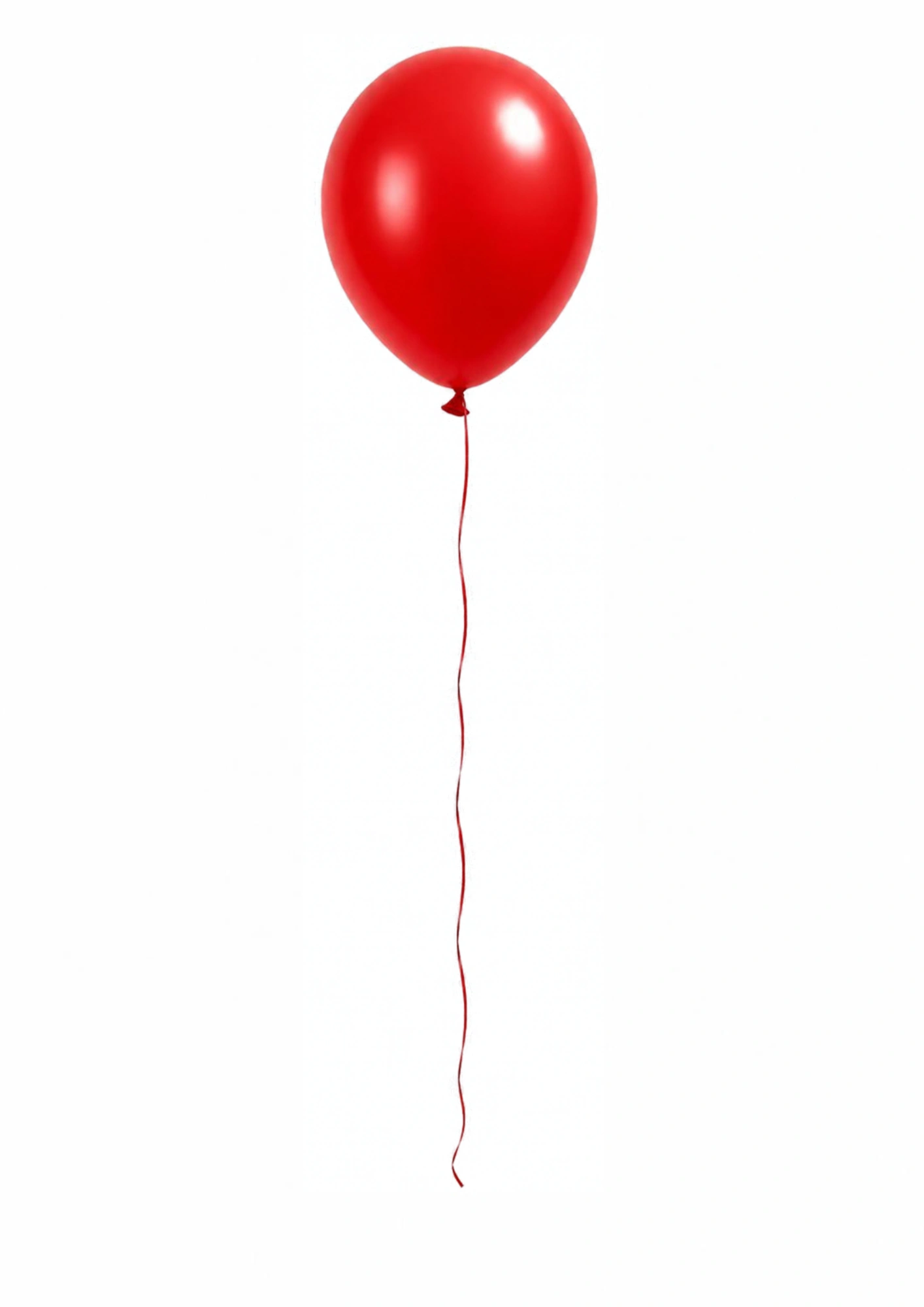
What is this?
Up is a direction word — the way your arms go, the way the bubble goes, the way you lift your toddler. The card shows an object positioned up, and the pointing finger knows exactly where to go.
What does it mean?
Up is learned with the body first: the lift, the reach, the stretched fingers. Saying it with a rising voice while arms go up welds the sound to the direction — pitch and position teaching together.
What does the child need to know?
Expect the raised-arms gesture, a demanding up!, or a pointed finger at the ceiling — all are answers, and the pointing counts first. Lift requests are fair payment for this lesson.
Why this matters
Up is in constant demand: up to be carried, up to the shelf, balloons, birds, aeroplanes. A word with this many live applications rehearses itself every hour of the day.
What it teaches
Direction vocabulary, gesture-word linking, and reaching-and-lifting coordination — the physical grammar of space, installed with giggles.
Words to learn
uphighliftskyreachrise
Say this to your child
“"Up! Reach up high — can you touch the sky? Uuuup! Watch the block go up, up, up… and down. Up! Want me to lift you? Say up — and uuuup you go!"”
Step by step
- Show the card and send your arm up: up! — arm rising, voice rising with it, finger pointing at the ceiling.
- Invite the reach: can you go up? Both arms over the head is the toddler signature — let them hold the pose.
- Fly a toy: lift a soft block slowly from floor to ceiling saying uuuup the whole way, and let your toddler’s eyes ride along.
- Answer the real request with the word attached: up? Up! — and lift. The word and the reward land in the same second, which is how it sticks.
- Hunt ups all week: birds, bubbles, kites, lamps, the moon. Point, stretch, say the word — the sky is the second deck.
Look closer at the picture
The card shows an object positioned up for toddler concept learning — one thing placed high. Ask your toddler to point at it, then stretch their own arms as high as they will go.
Ask your child
"Can you reach up high?" "Where did the block go?" "Which way is up?" "What else lives up high?"
What your child can say or do
Raised arms are the first answer, an insistent up! the second, and a pointed ceiling the third — every version counts. Expect lift requests to spike during this lesson; that is the word doing exactly what it should.
Out in the real world
Ups fill the sky and the house: the lamp, the kite, the aeroplane’s drone, the balloon at the party. One named up per outing keeps the direction pointing the right way.
Try it together
Up-and-hold: lift your toddler up on request — up! — and hold for one delighted second before the landing. Three rounds is a workout for both of you and a vocabulary lesson wearing a fairground costume.
Understanding check
Ask for up from across the room: can you show me up? Raised arms, a point at the ceiling, or a lifted-object demonstration all pass. Then watch a bubble rise together — if up arrives unprompted, the word owns the sky.
Parent tips
Let the voice rise as the arm rises — the pitch teaches as much as the word. Give the real lifts generously and happily; a word that pays in actual flights is a word worth saying.
Staying safe
Lifting means lifting safely: bend with your knees, keep the flight short, and stay clear of ceiling fans and lamps. The reaching game stays on the floor — toddlers who learn up will soon try it on chairs.
This lesson pairs with the Up flashcard in the library — print it, show it, keep it on the fridge. Back to First Concepts (Toddler 2).