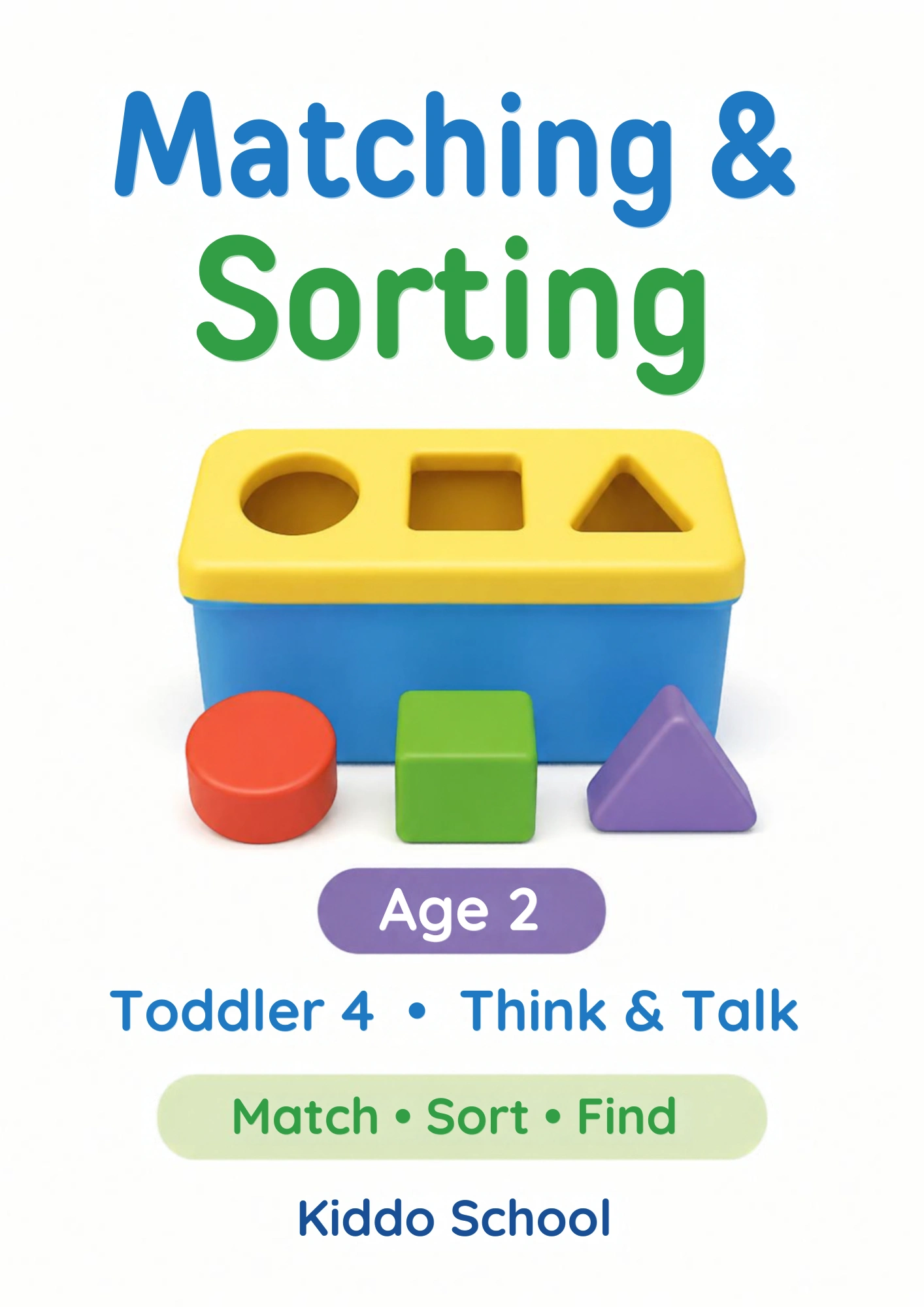
Age 2 YearsSubject Think & TalkClass Toddler 4Duration 3–5 minutes
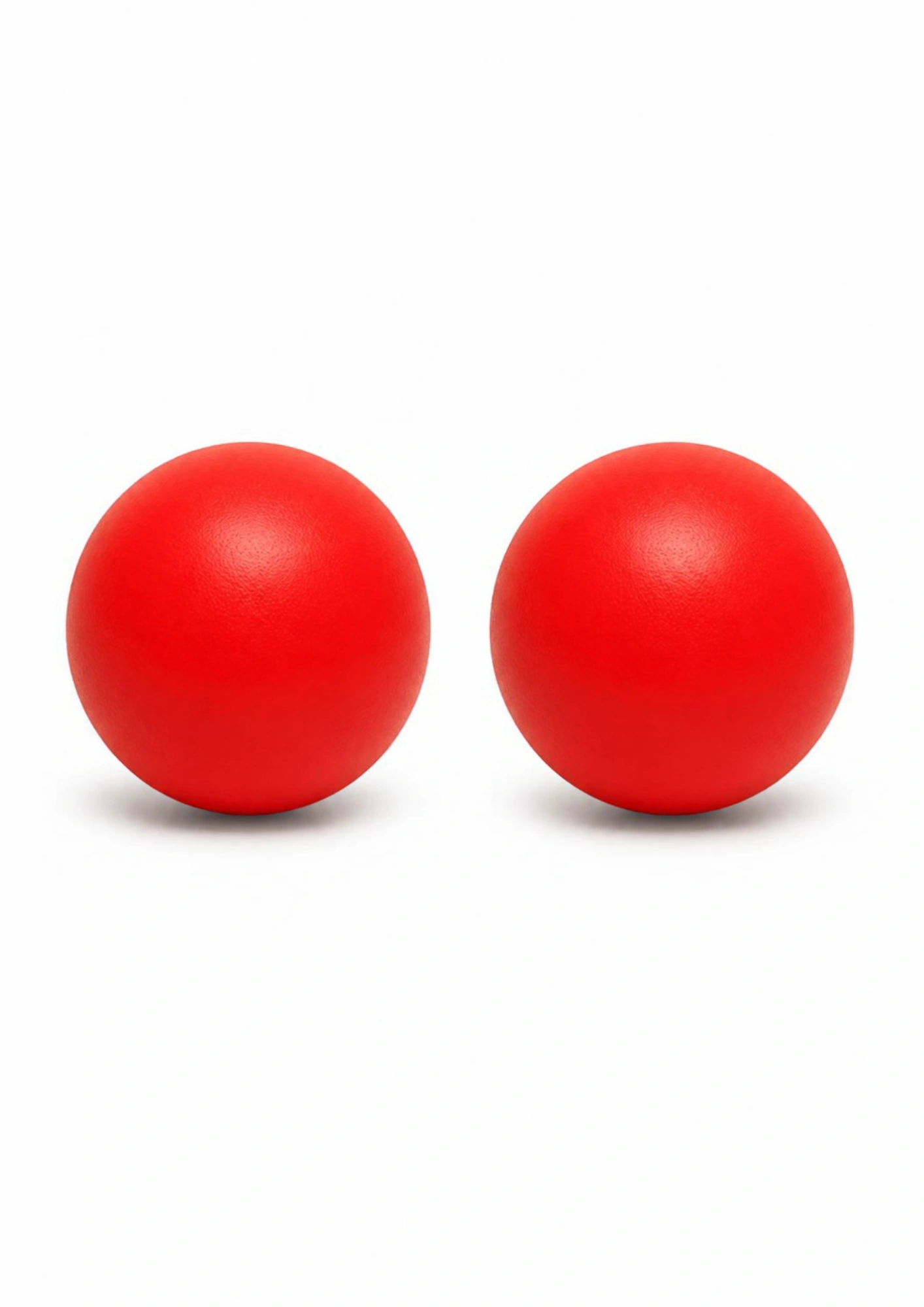
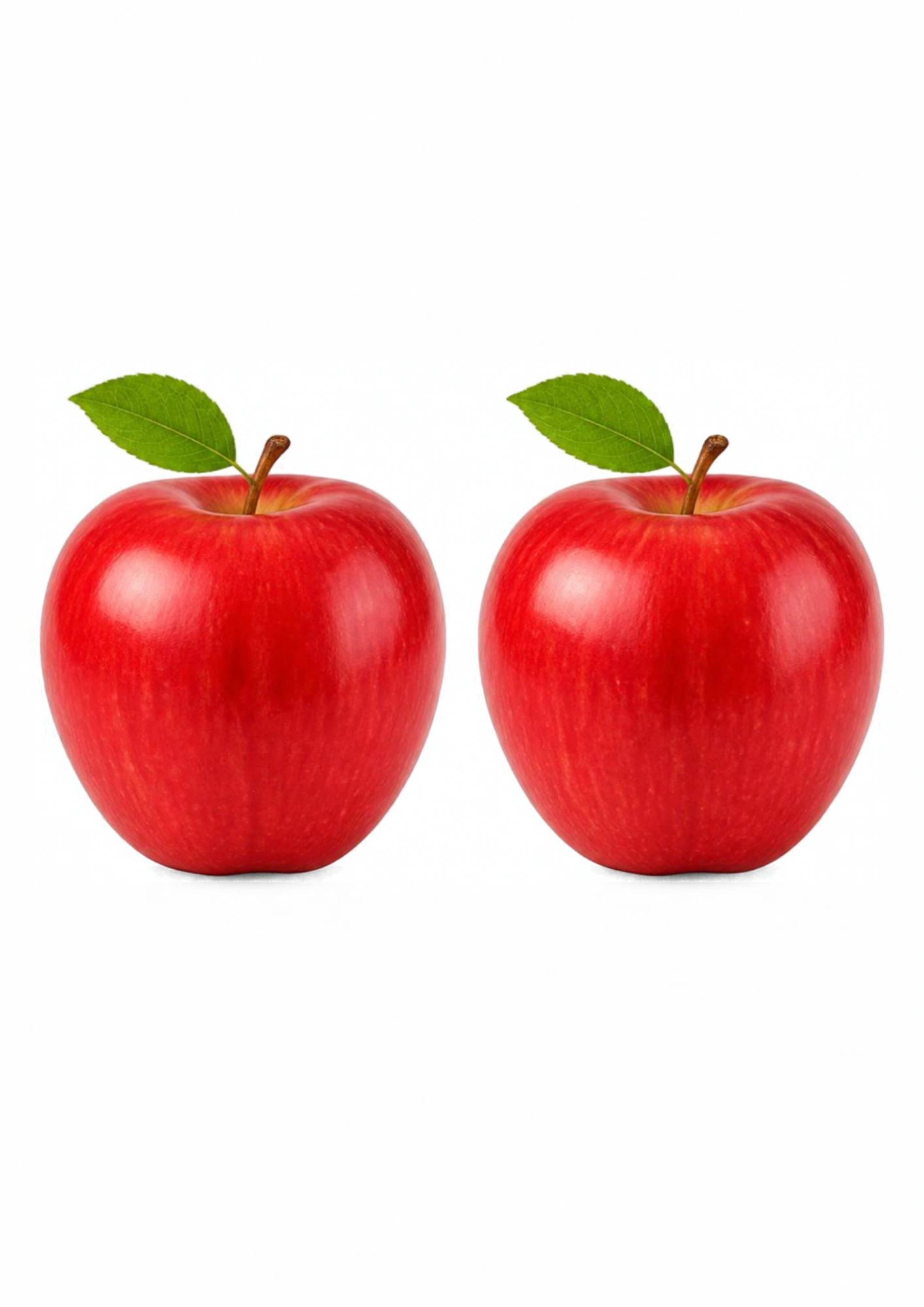
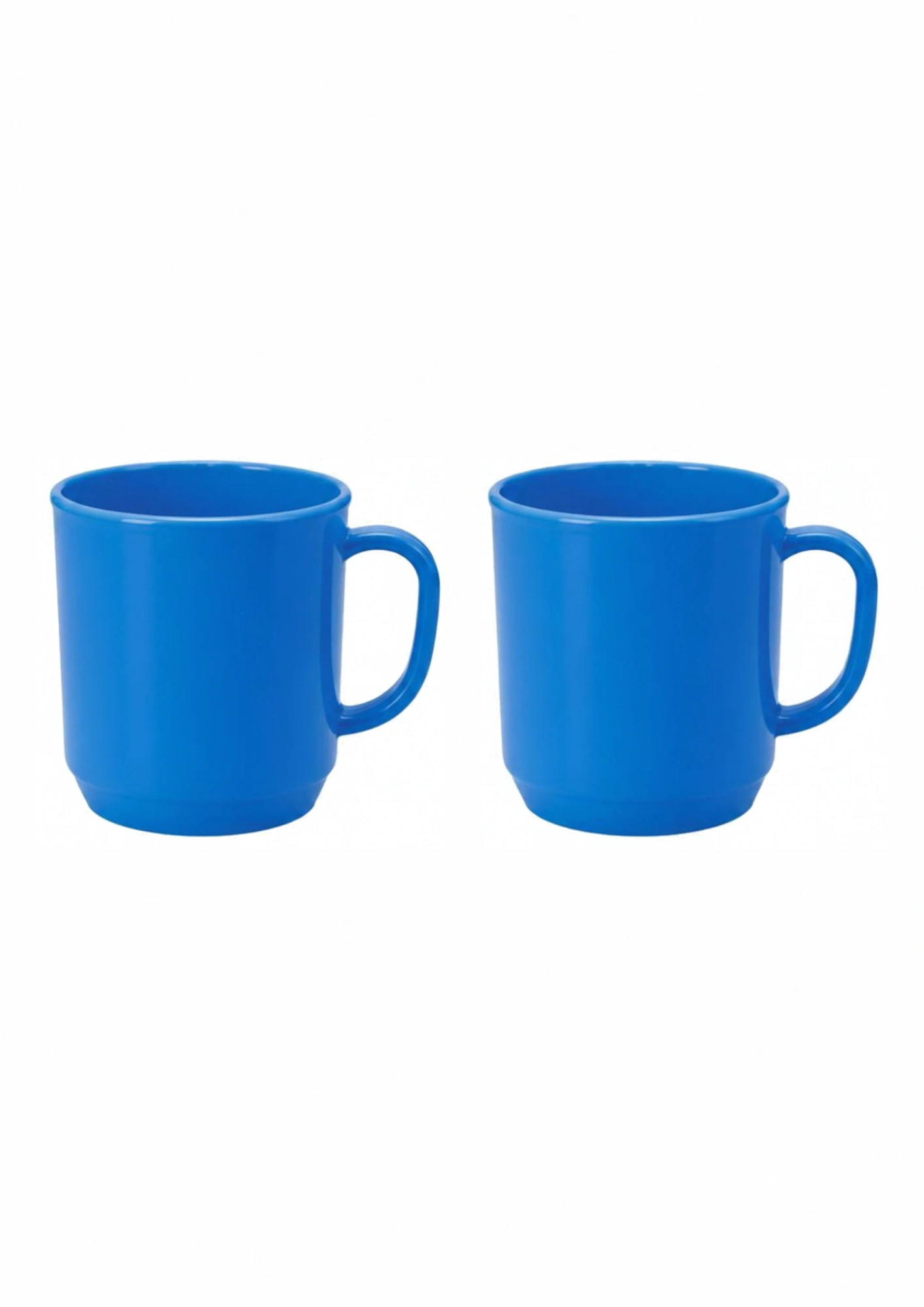
By two, children notice that things match: two balls, two cups, two socks that go on two feet. This class turns that noticing into a short game — looking at same and different, finding the match, sorting by color and shape, grouping fruit and animals, and spotting the one that is different.
There is no reading and nothing to test. You ask the question, your toddler taps or points, and every round ends in encouragement, never a score. Three to five playful minutes is plenty.
Start Today’s Class ↓Look, find, sort, then head off screen. Short and playful wins.
TODAY’S CLASS
How today’s class works.
Five little steps, in order: a welcome from your teacher, same and different, sort together, solve the matching cards on paper, then take it off screen. Stop after any step — that is a complete class, and there is never a score at the end.
1 Teacher welcome
2 Same & different
3 Sort together
4 Solve the sheets
5 Take it off screen
TEACHER WELCOME
“Today we’re going to find things that match and things that are different. Let’s look together!”
— Your Kiddo School teacher
Begin the class ↓Grown-up nearby, toddler on the lap, phone at a comfy distance.
LEARN · SAME & DIFFERENT
Same and different.
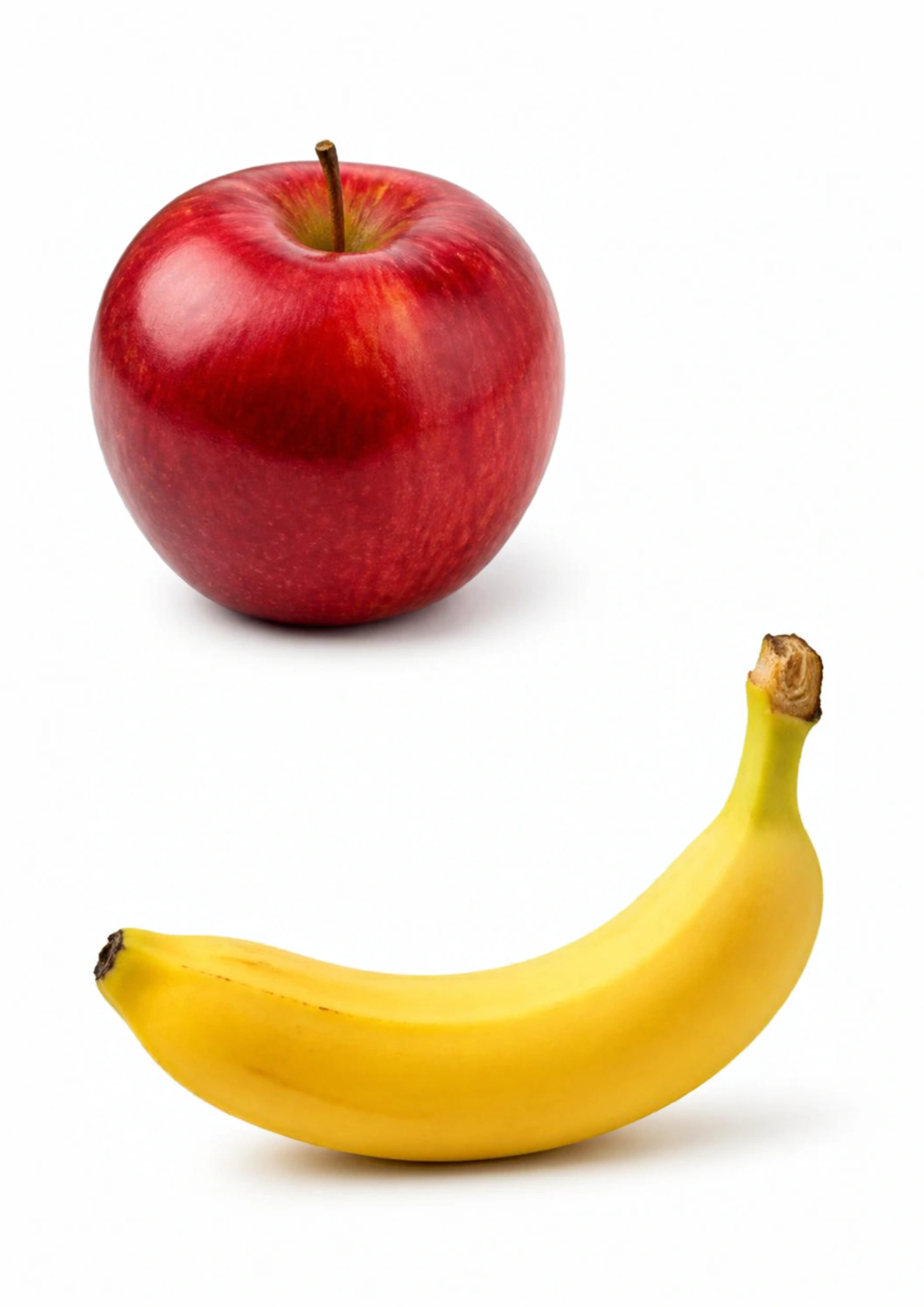
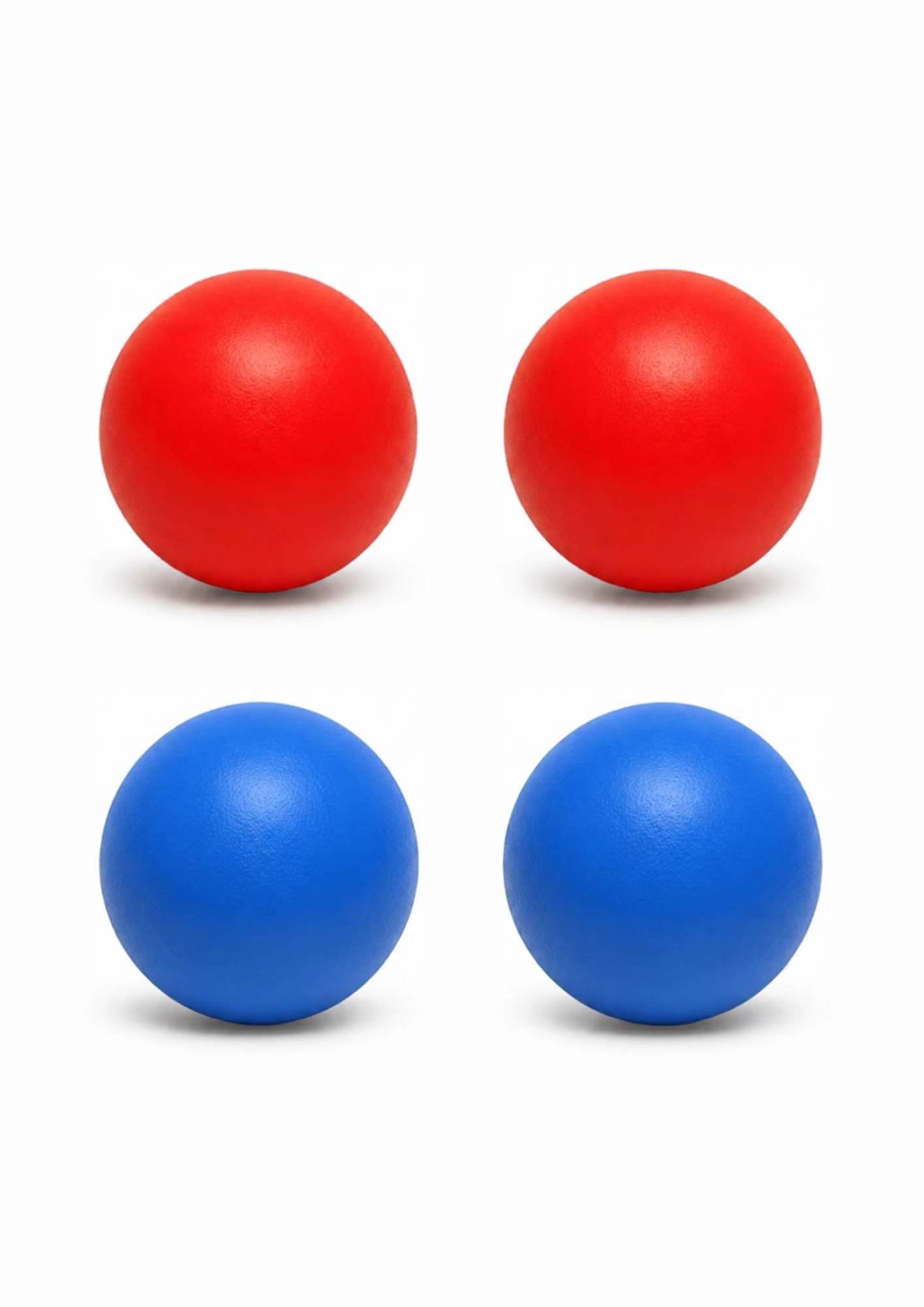
Six cards to look at together: three pairs that are the same, three pairs that are different. Say what you see in your own words and pause — the questions are for you, and nothing here is a quiz.
Card 1 of 6
Or simply scroll: all 6 cards are below.
SORT TOGETHER
Sorting colors and shapes.
Sorting starts gently: noticing that some things go together and some do not. Talk through each card in your own words — pointing, helping and finishing each other’s taps is all playing.
Card 1 of 2
Or simply scroll: all 2 cards are below.
SOLVE THE SHEETS — ON PAPER OR ON SCREEN
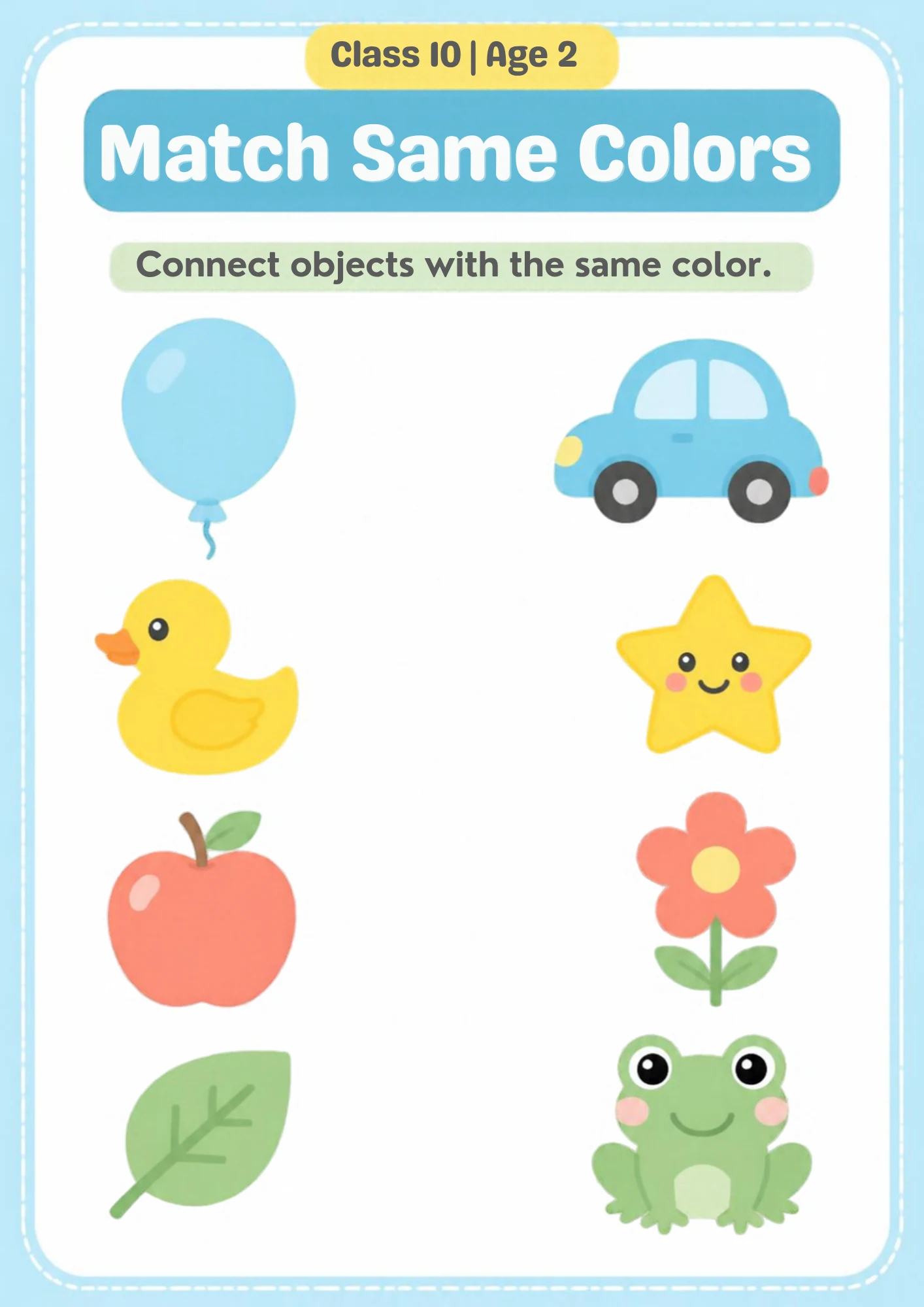
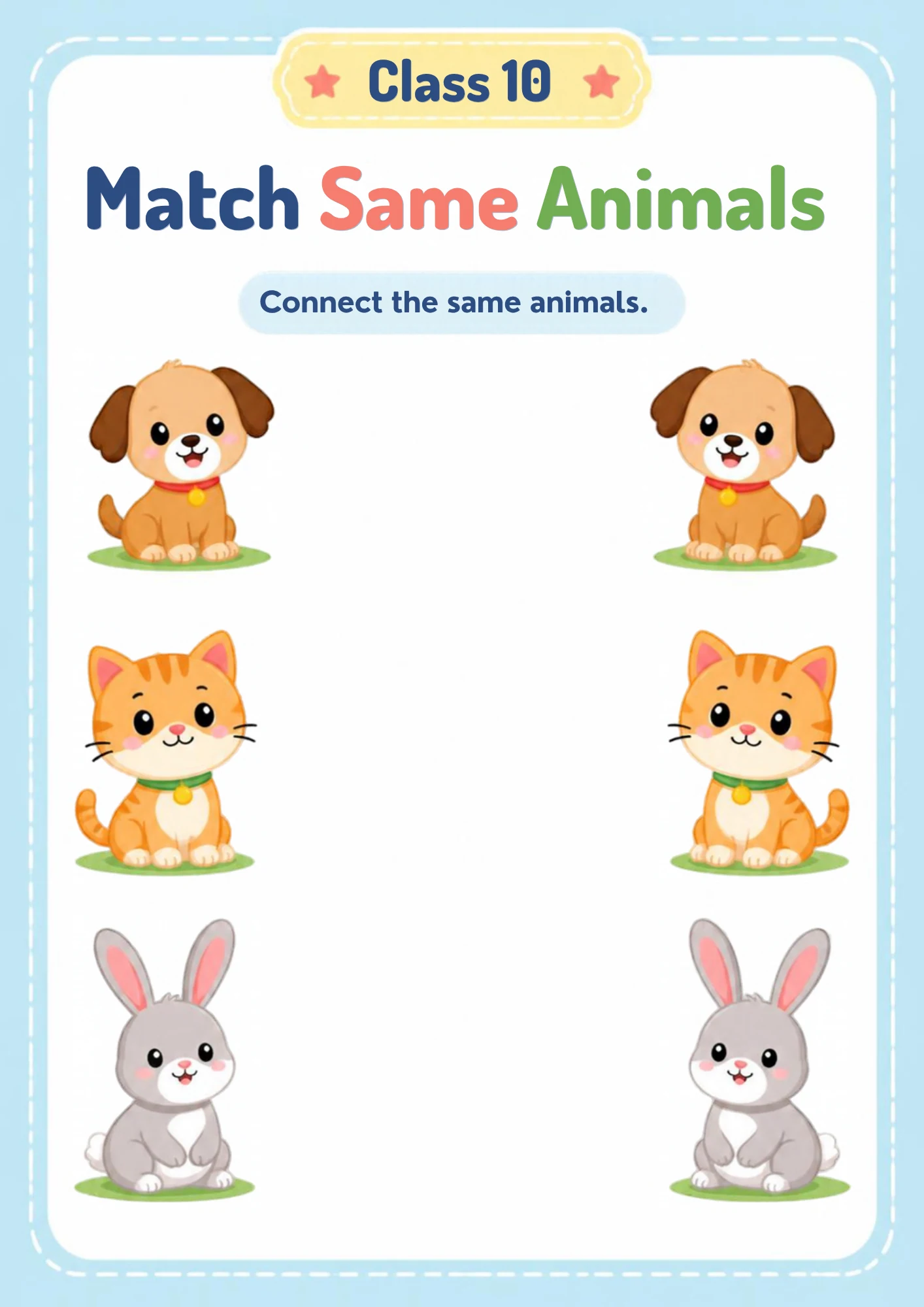
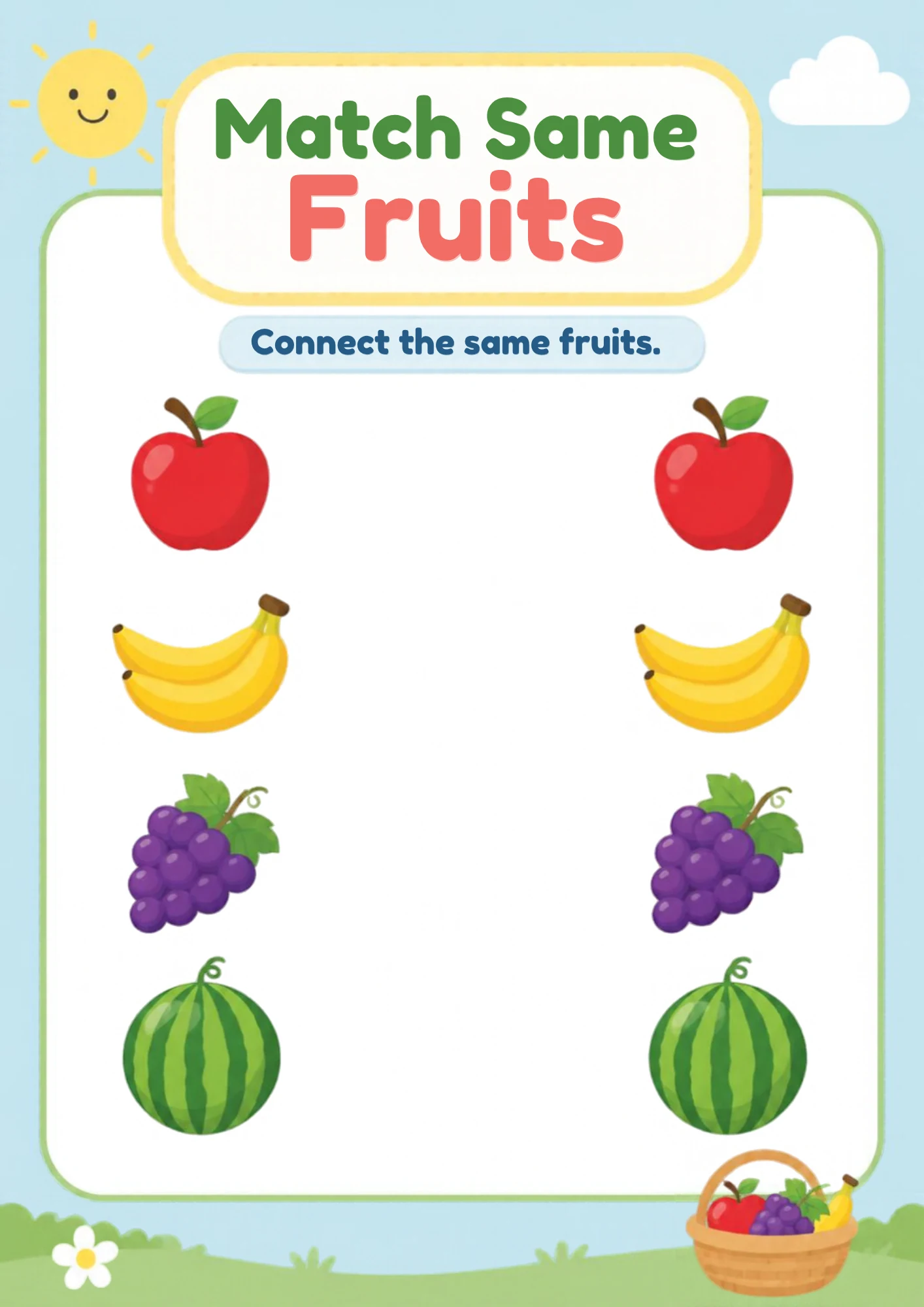
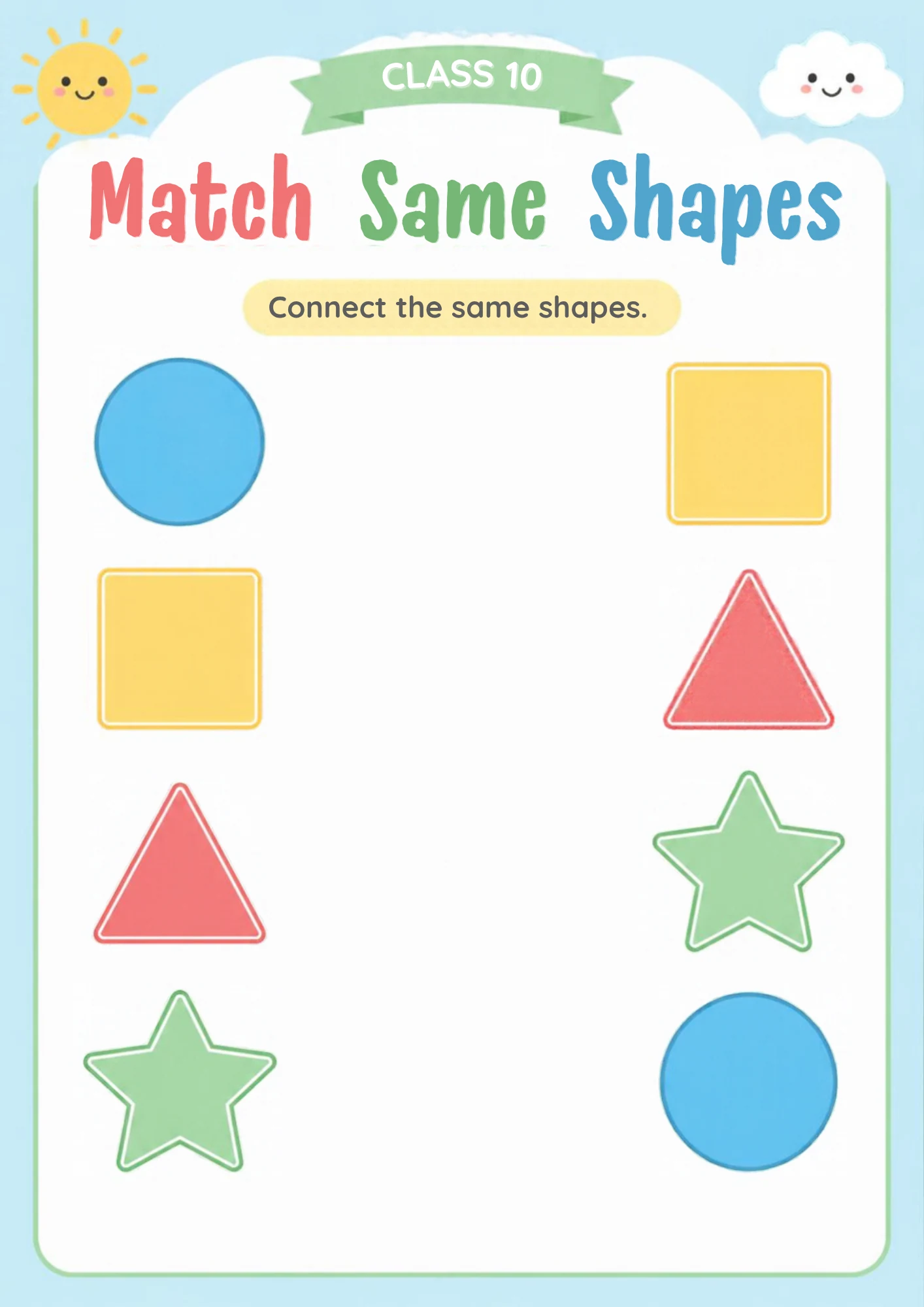
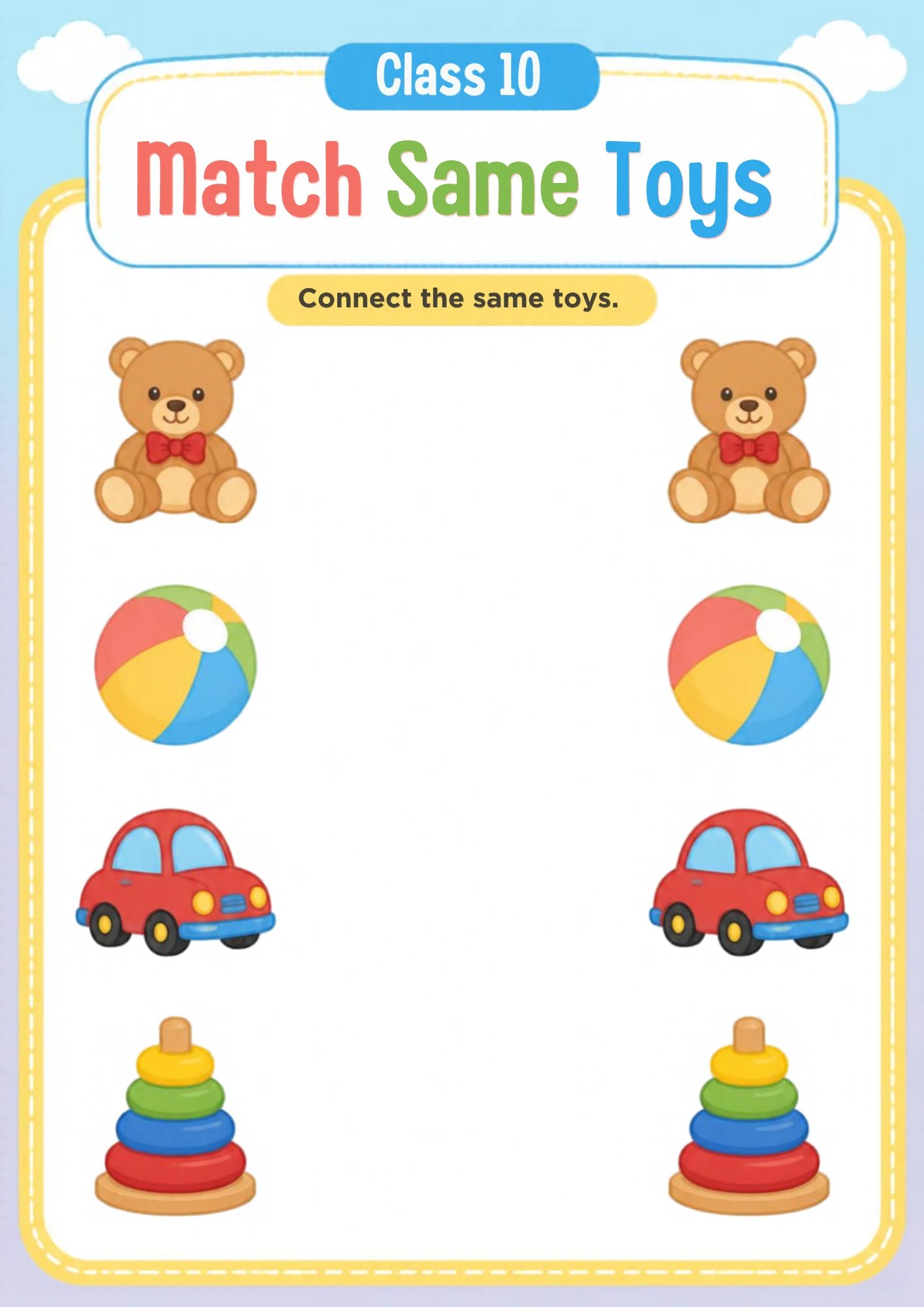
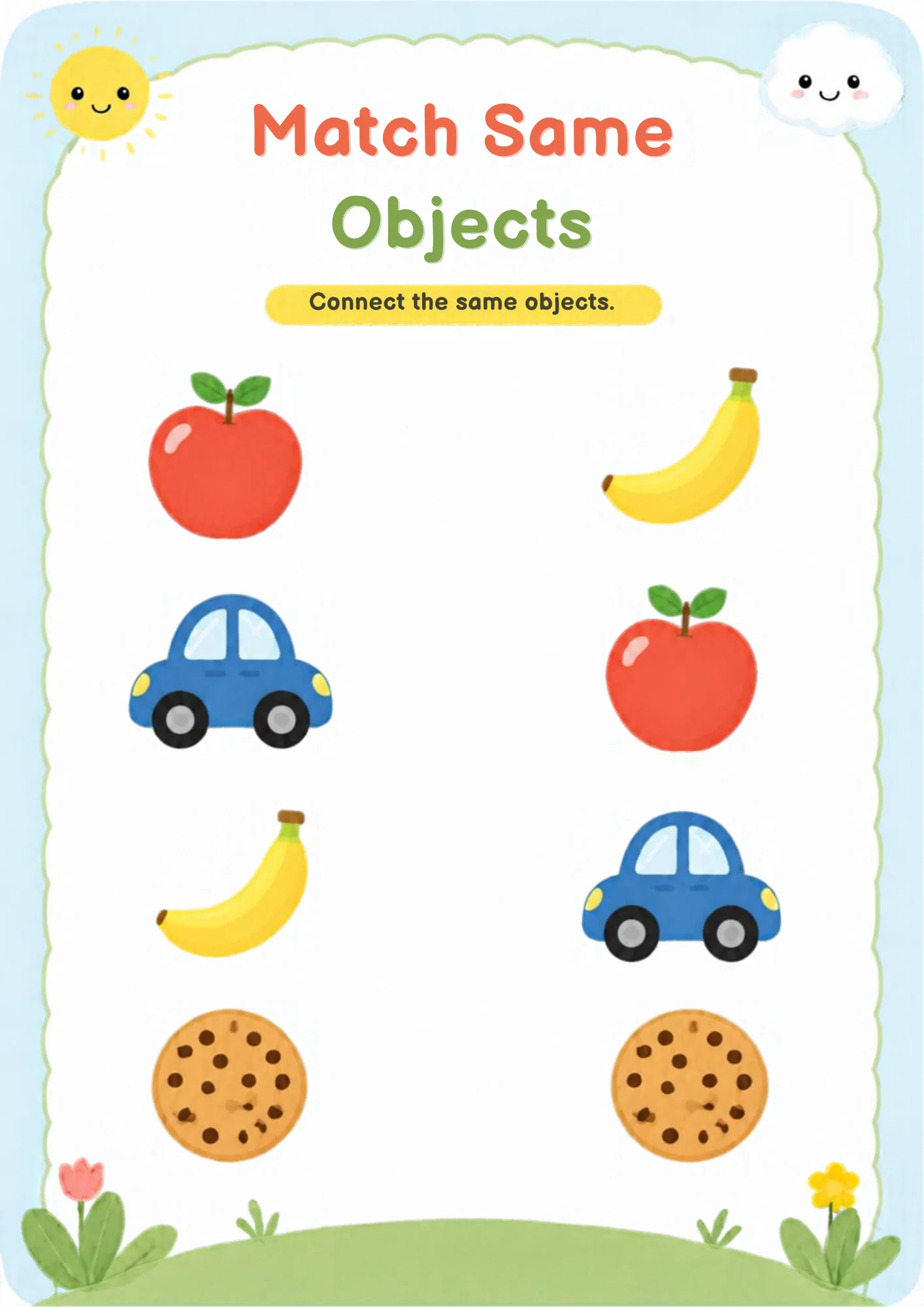
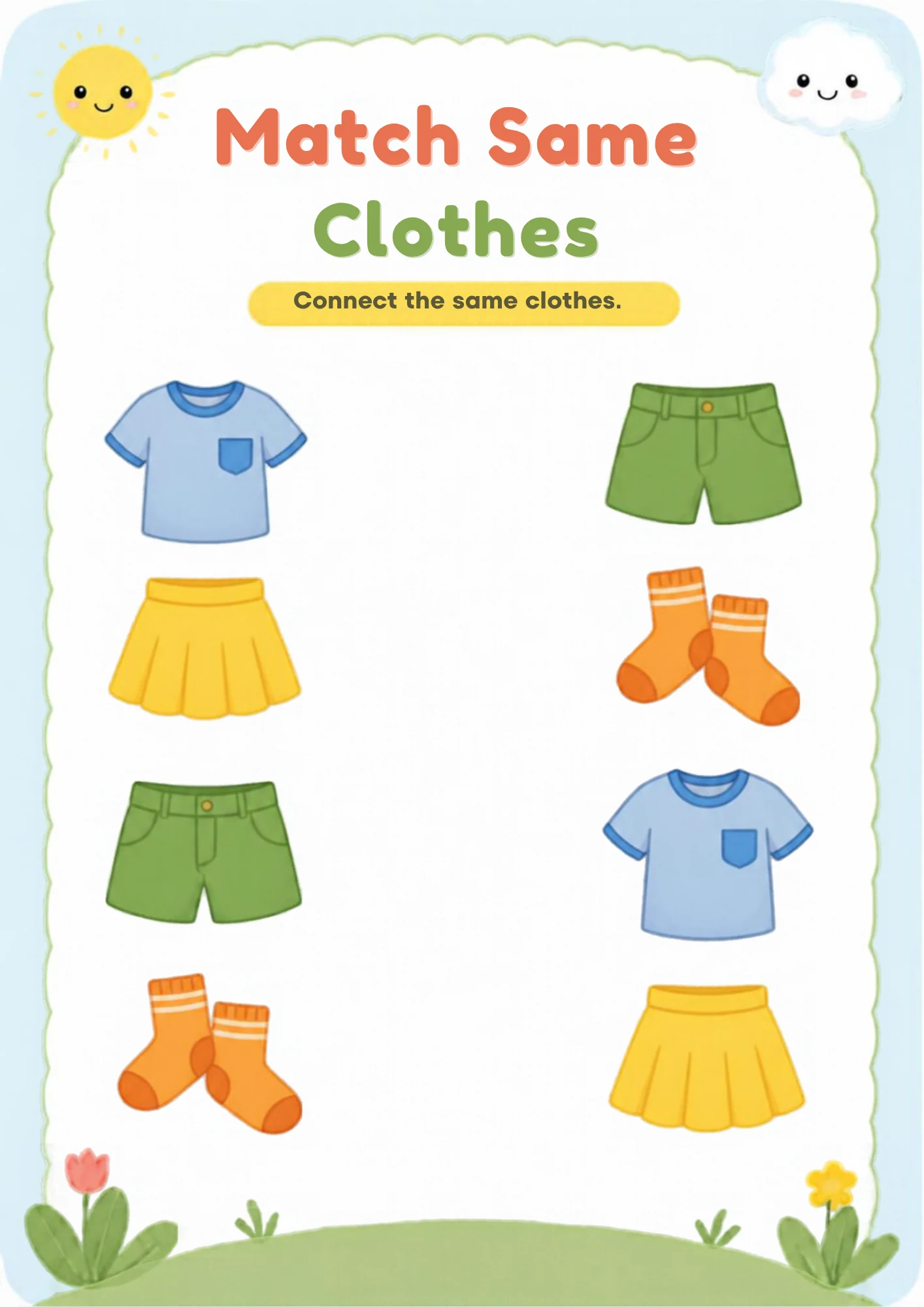
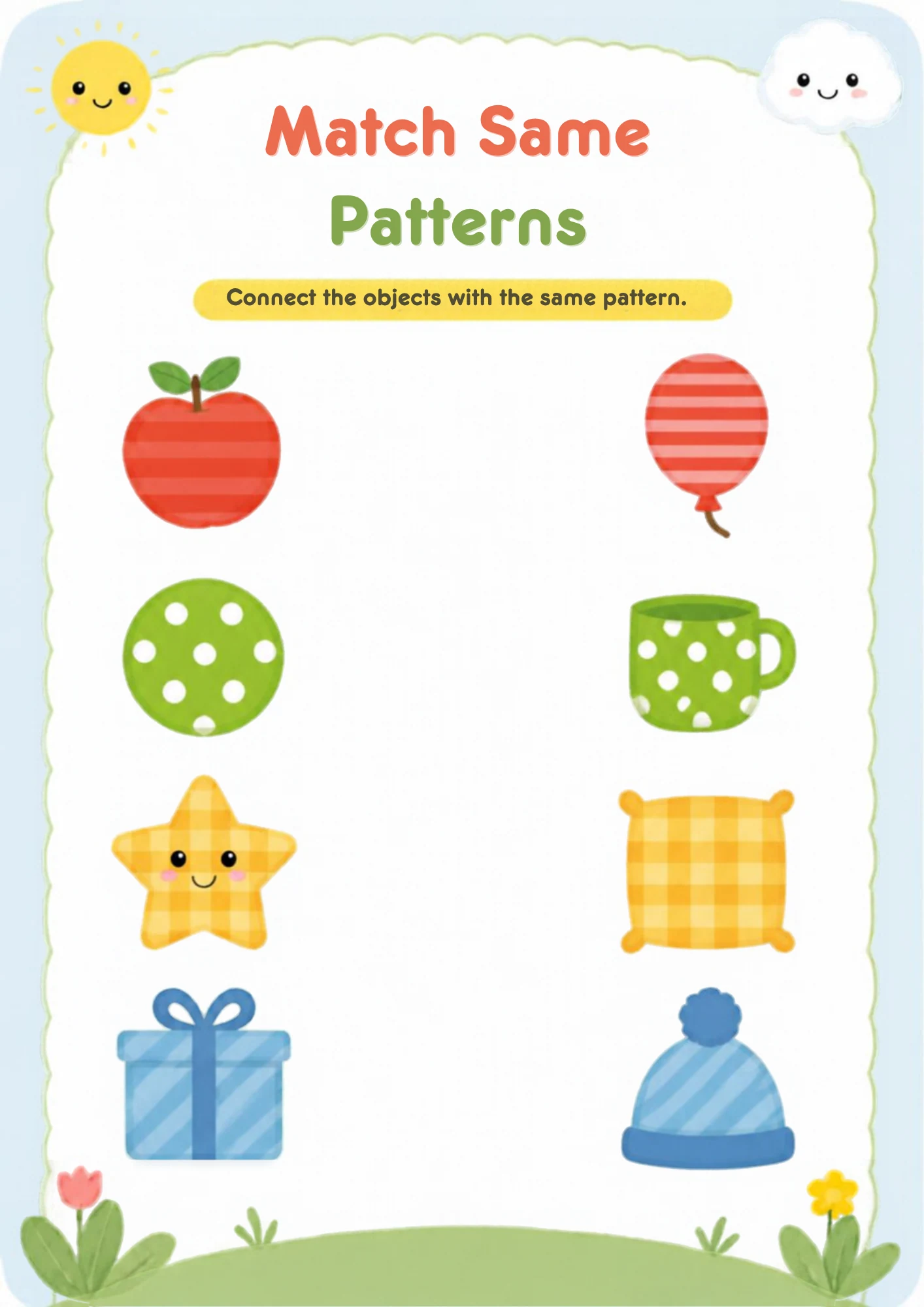
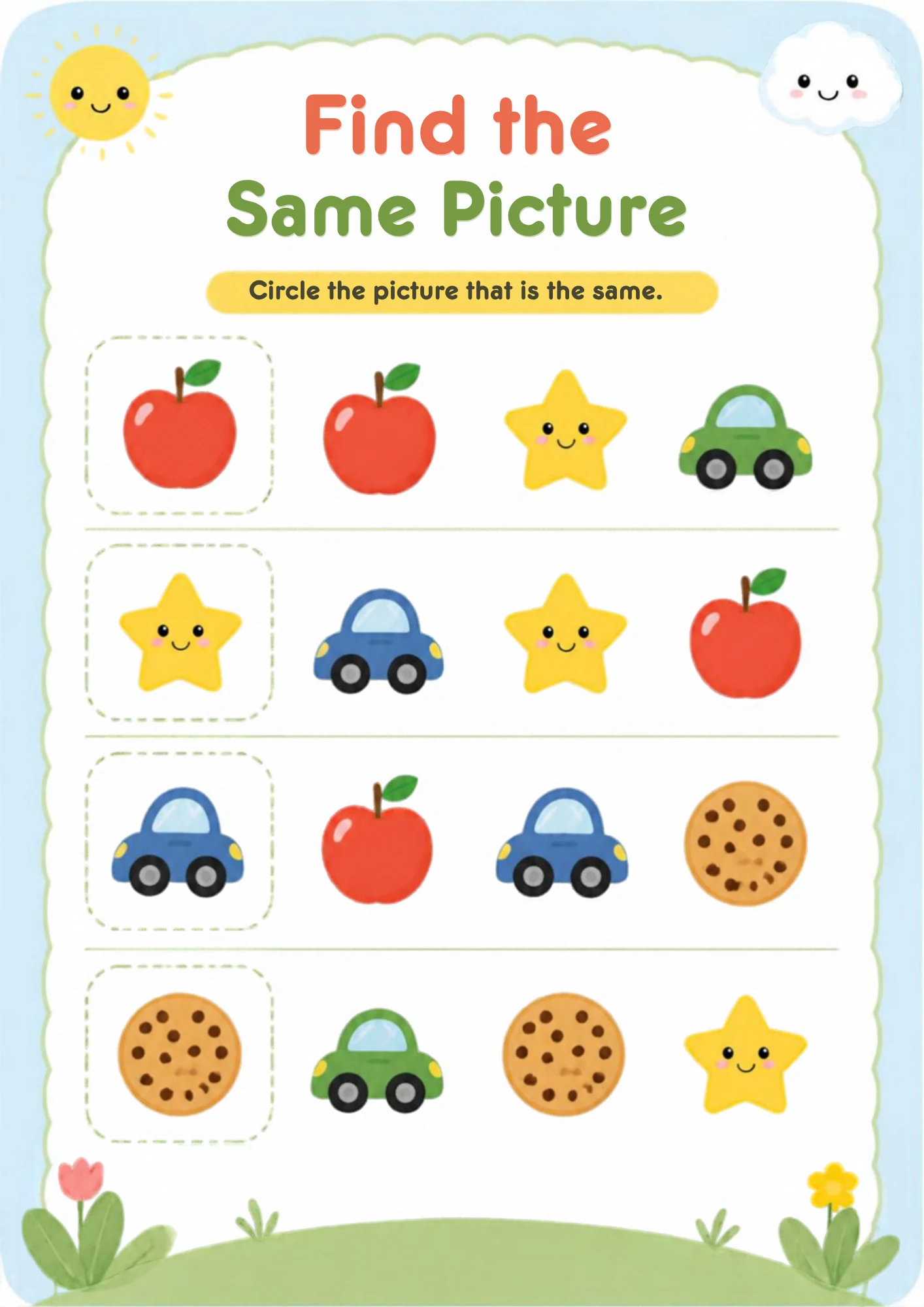
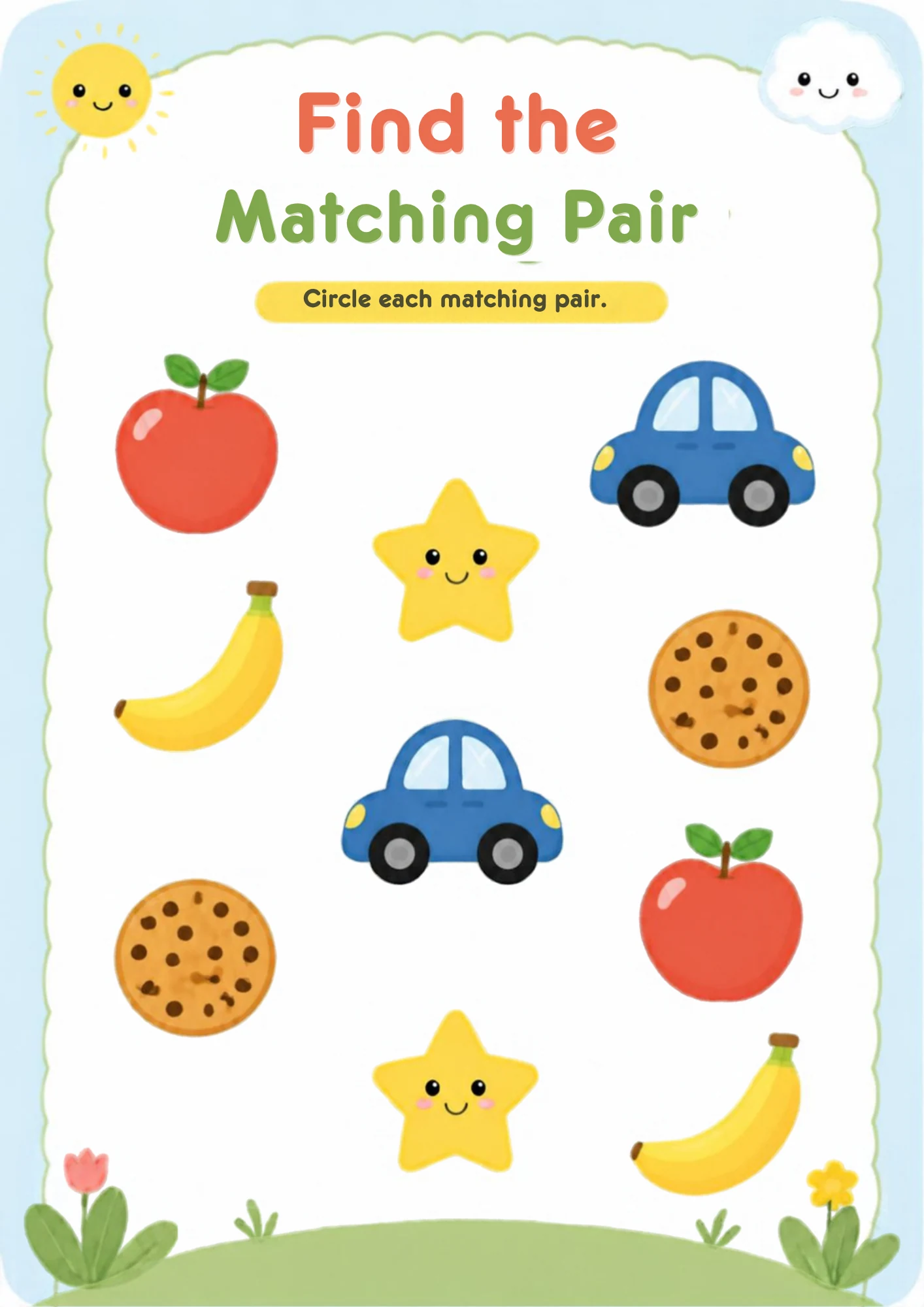
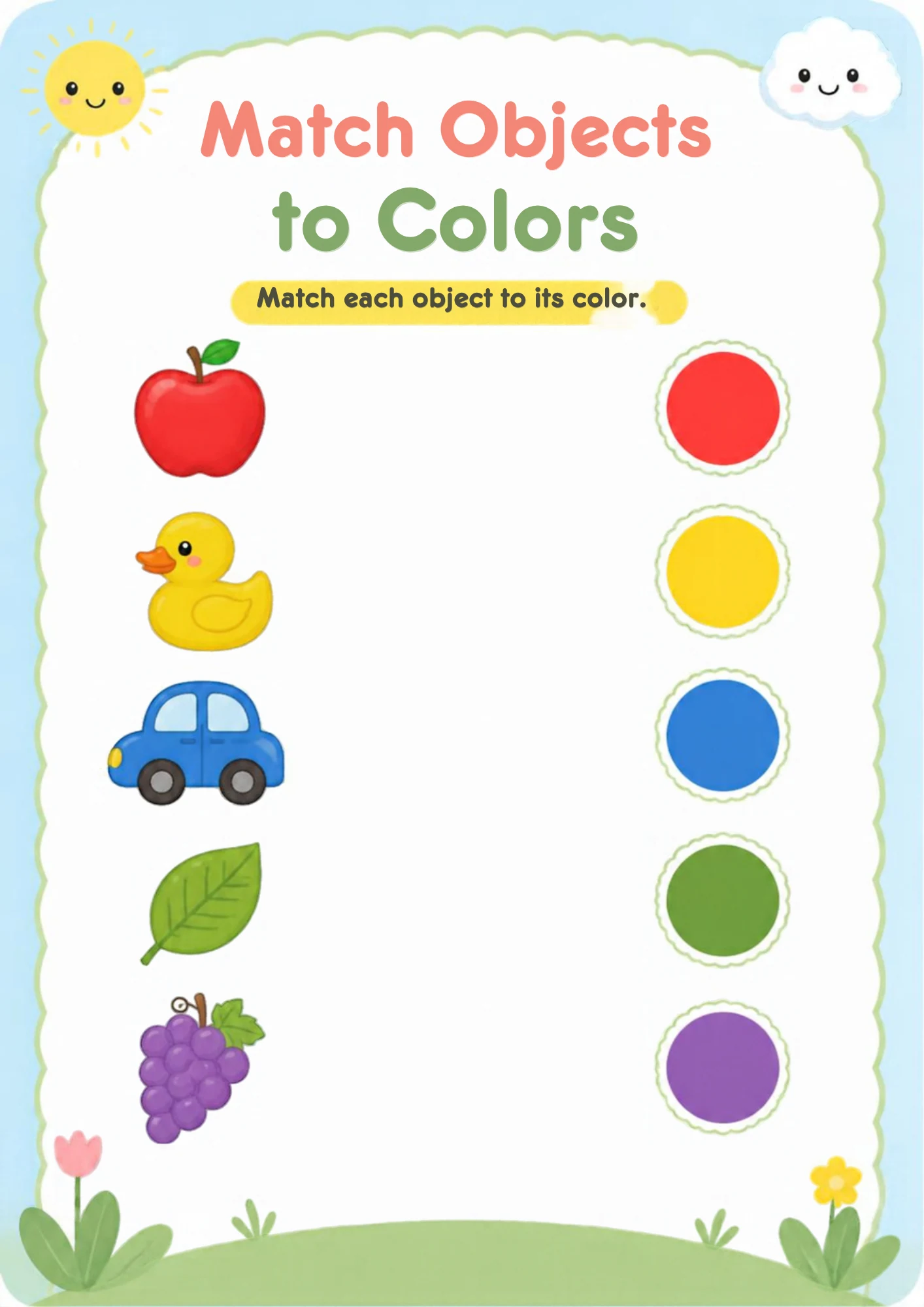
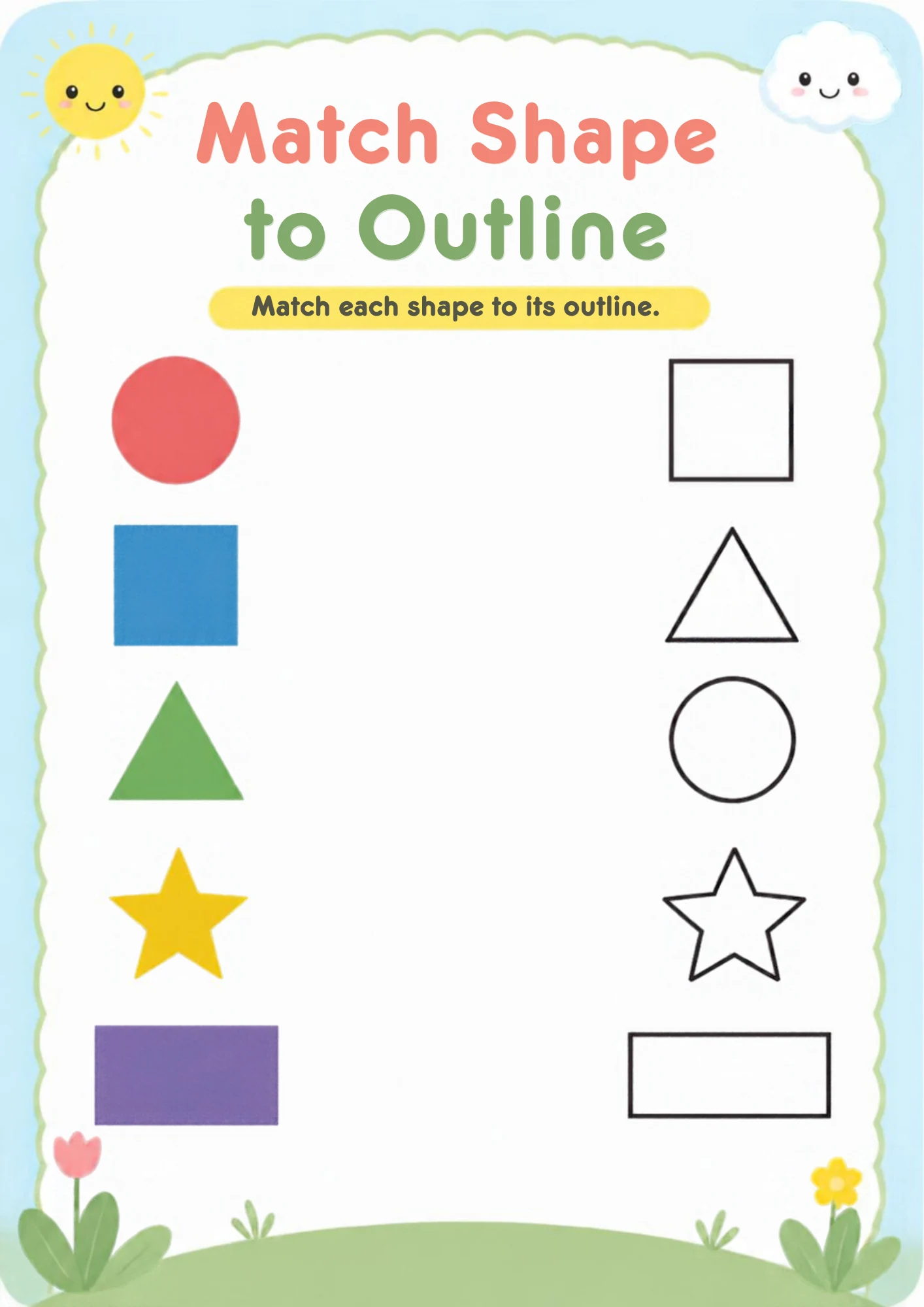
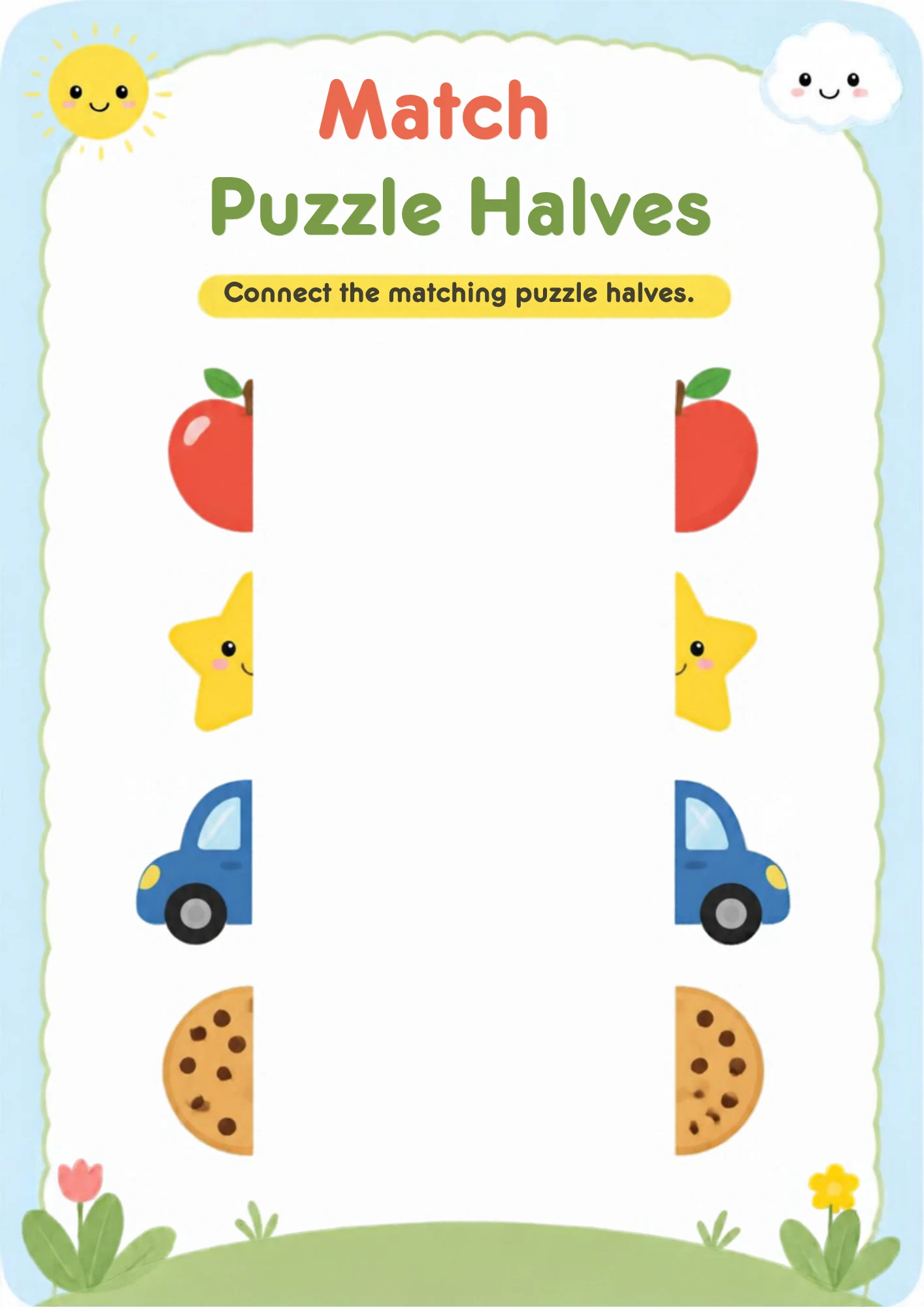
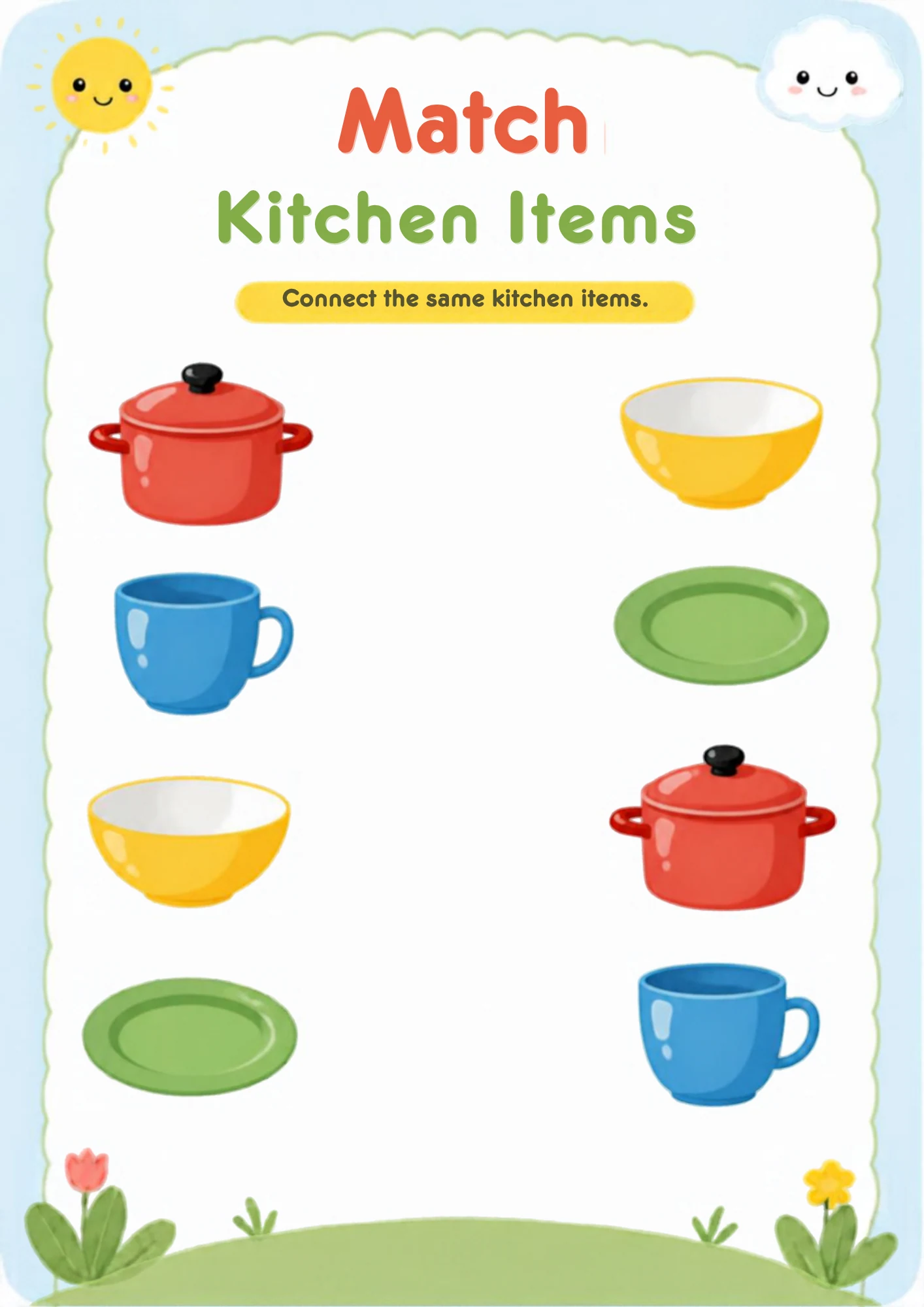
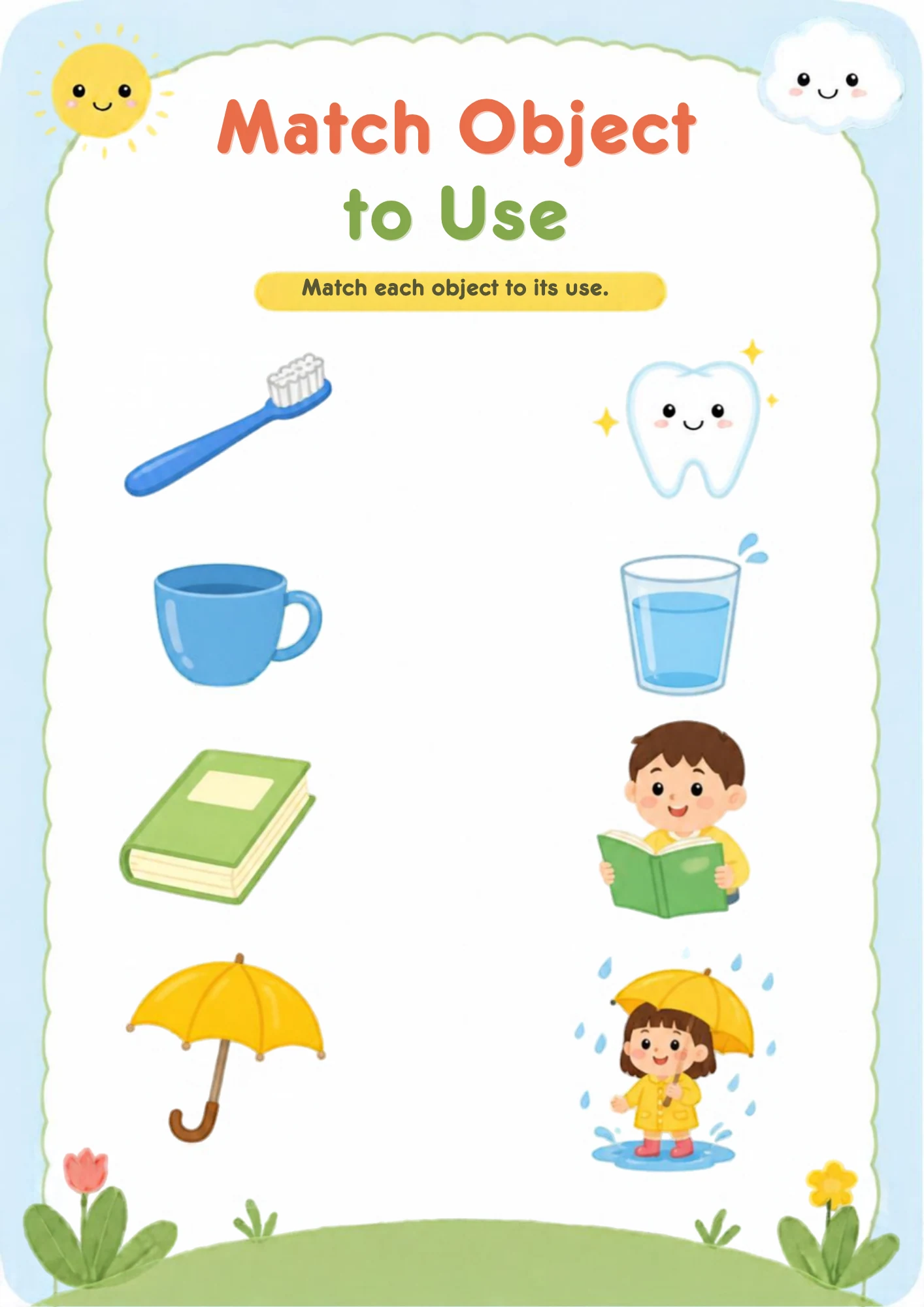
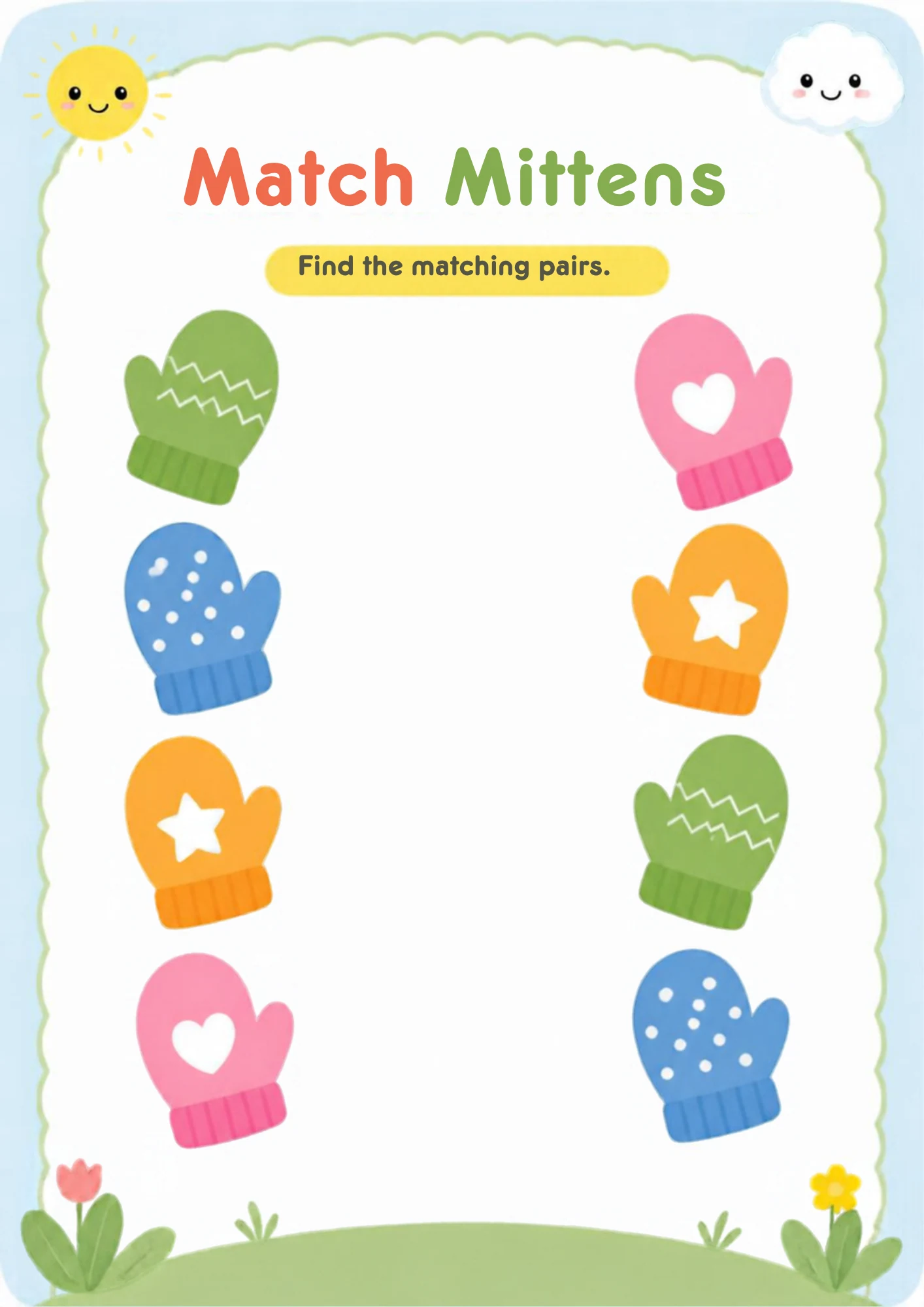
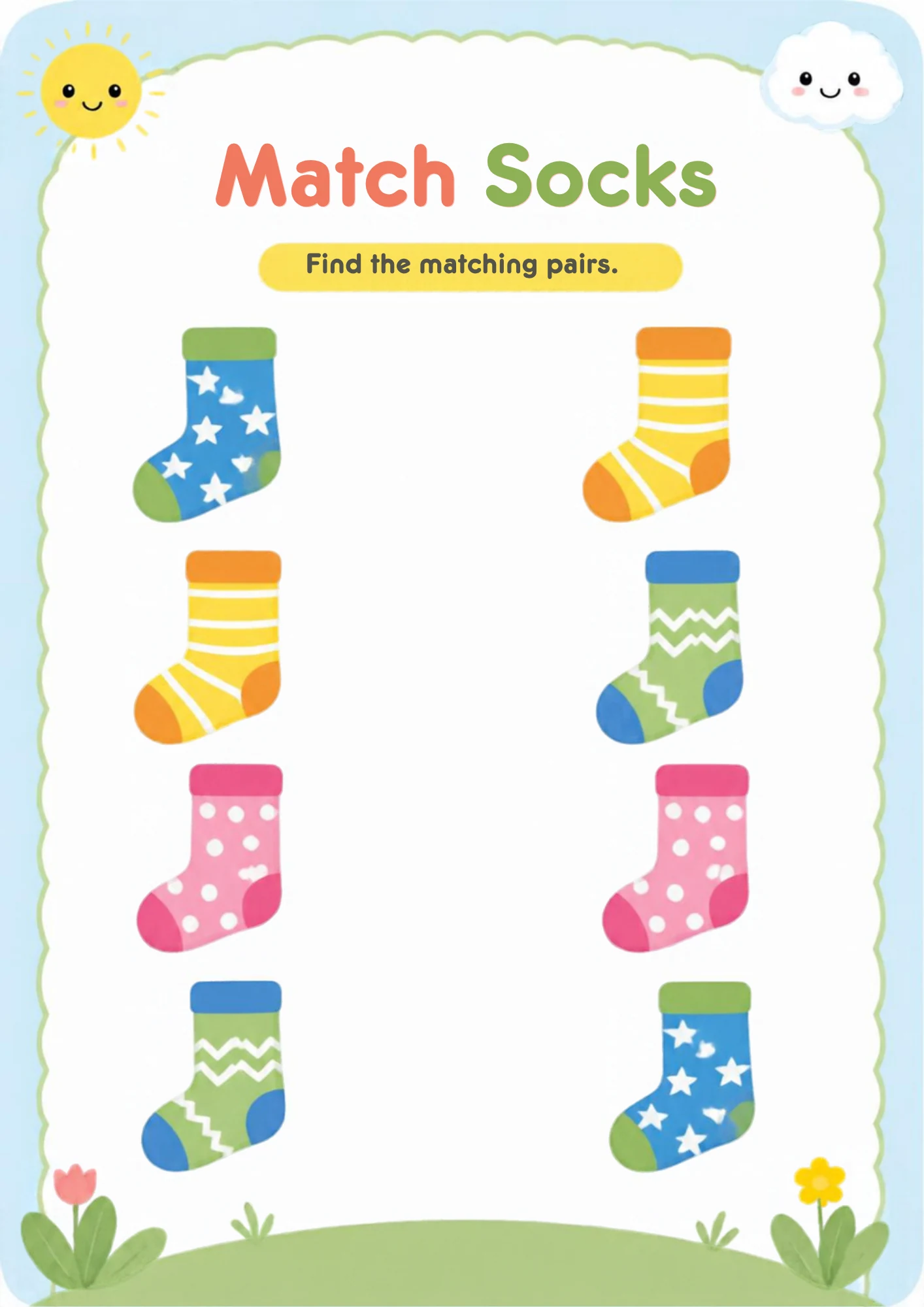
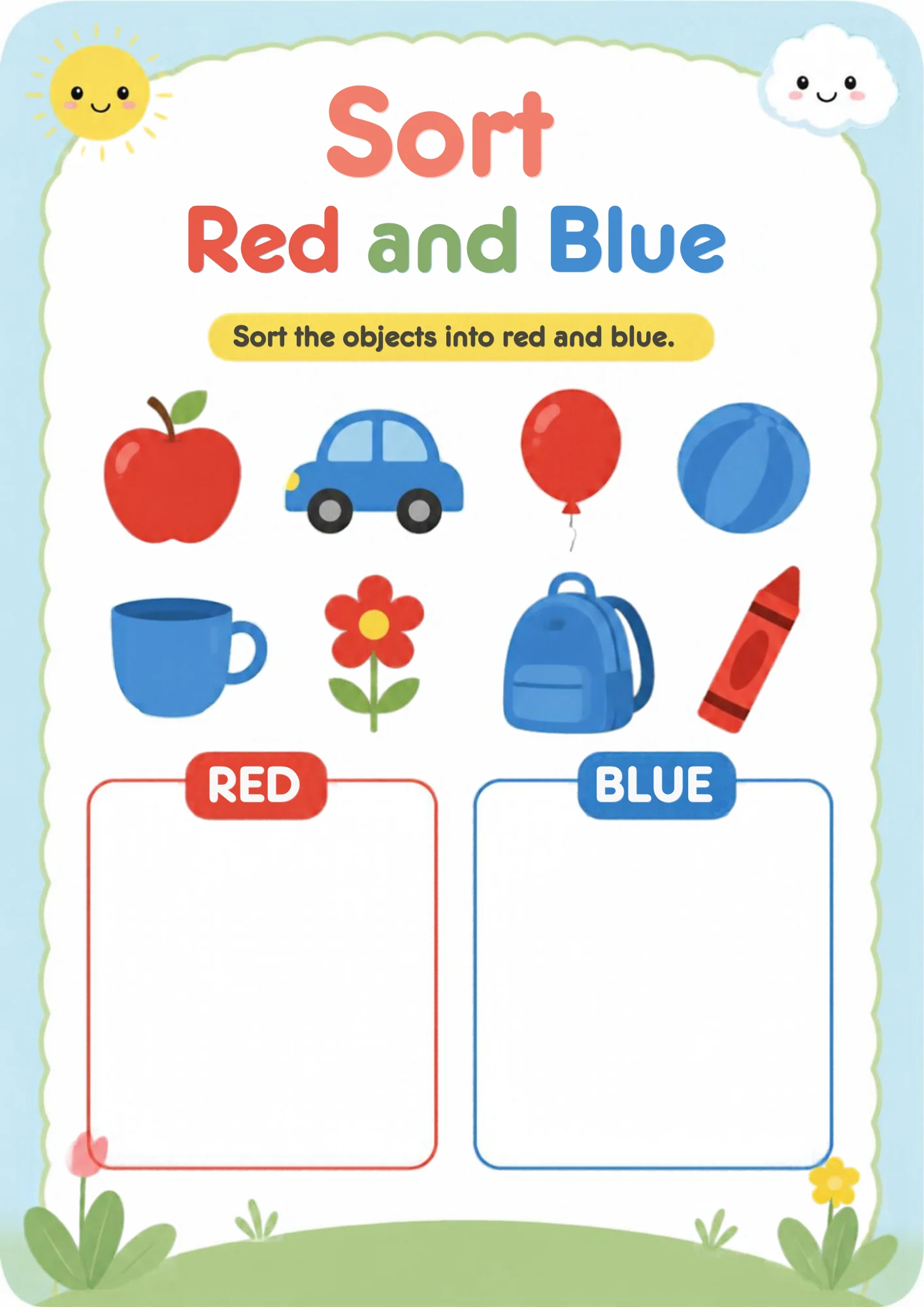
Solve the matching cards together.
This class’s cards live in the flashcards library — every card has its own page, and every card page can be printed, downloaded or drawn on right on the screen.
01
Print the cards
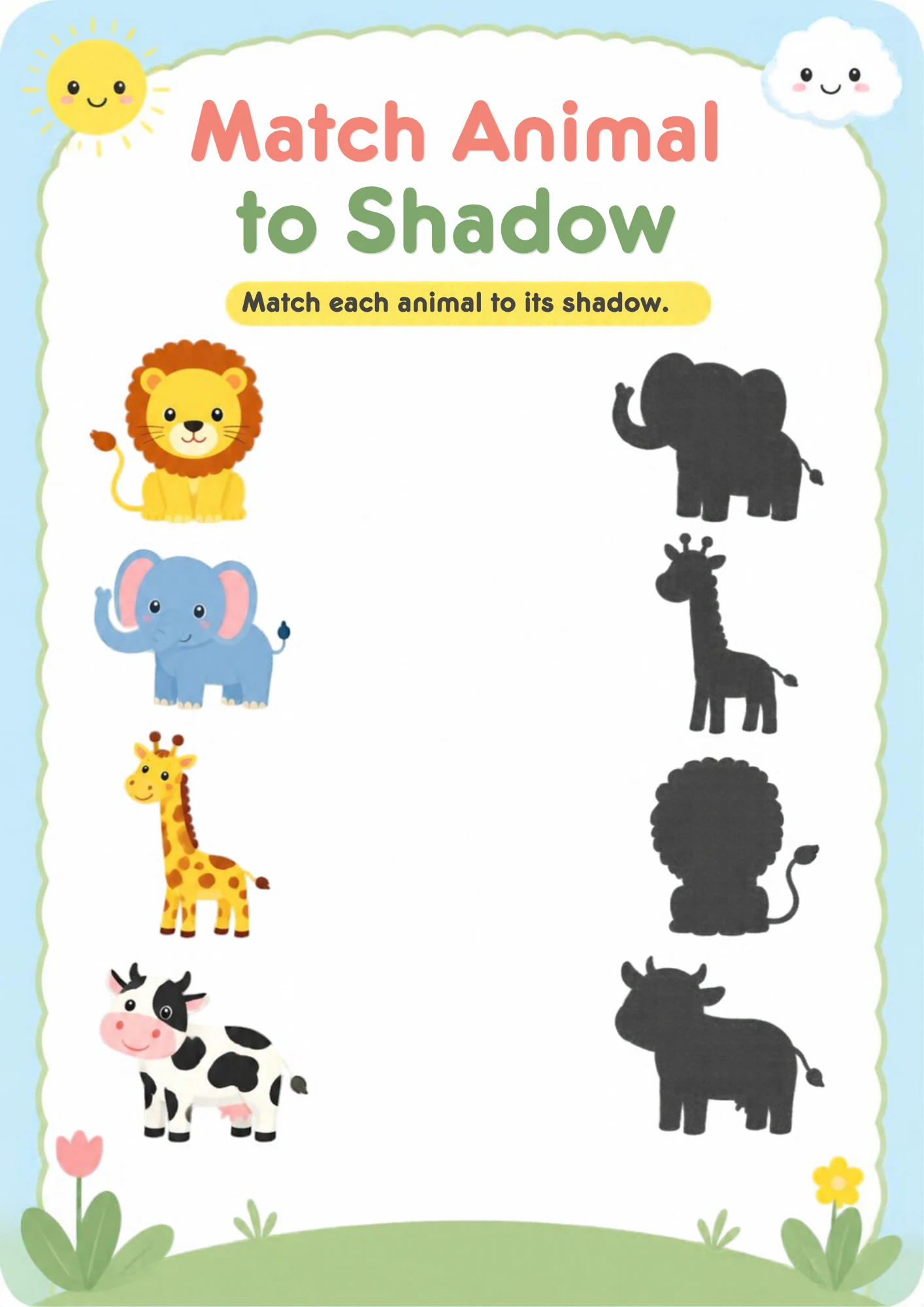
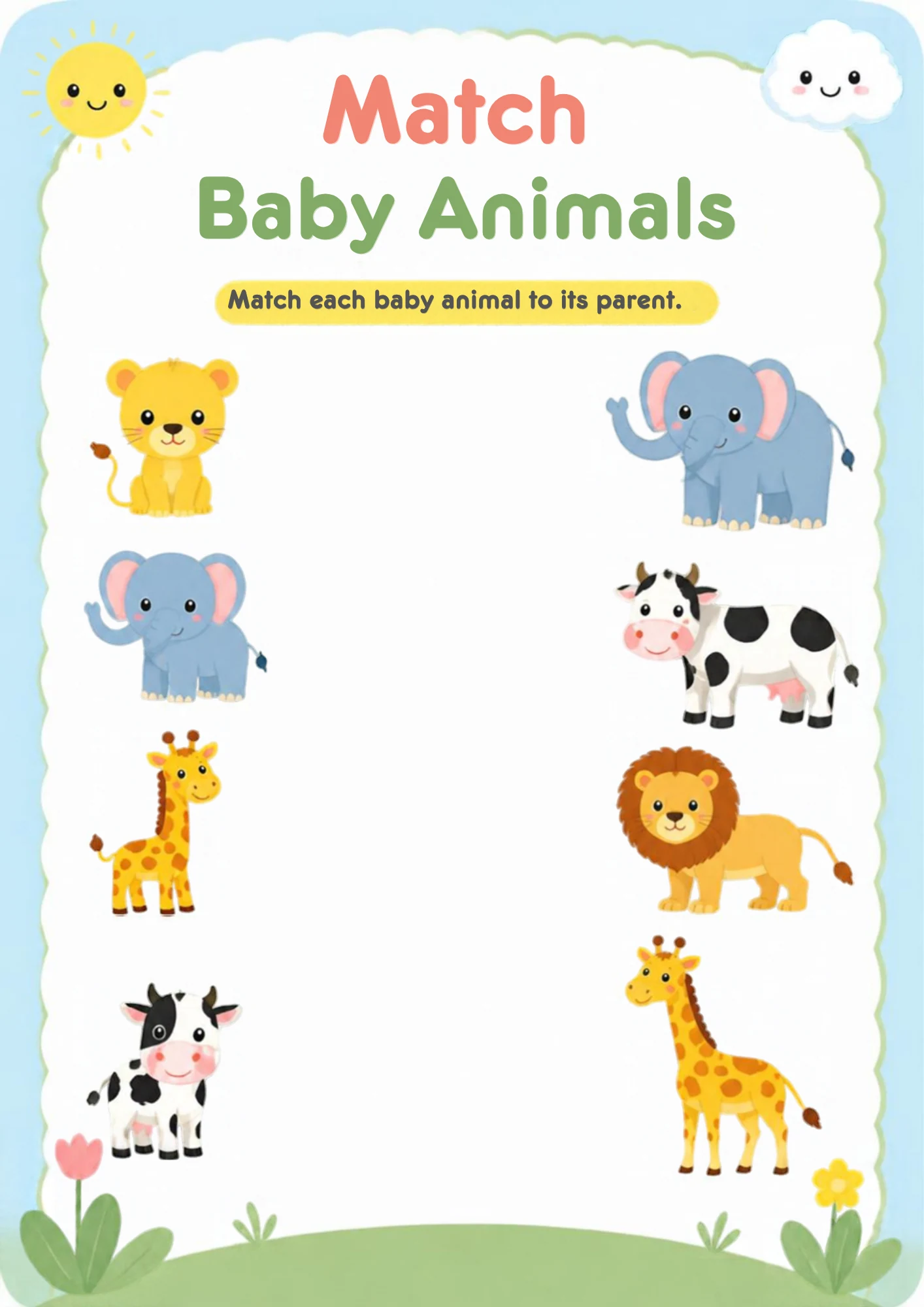
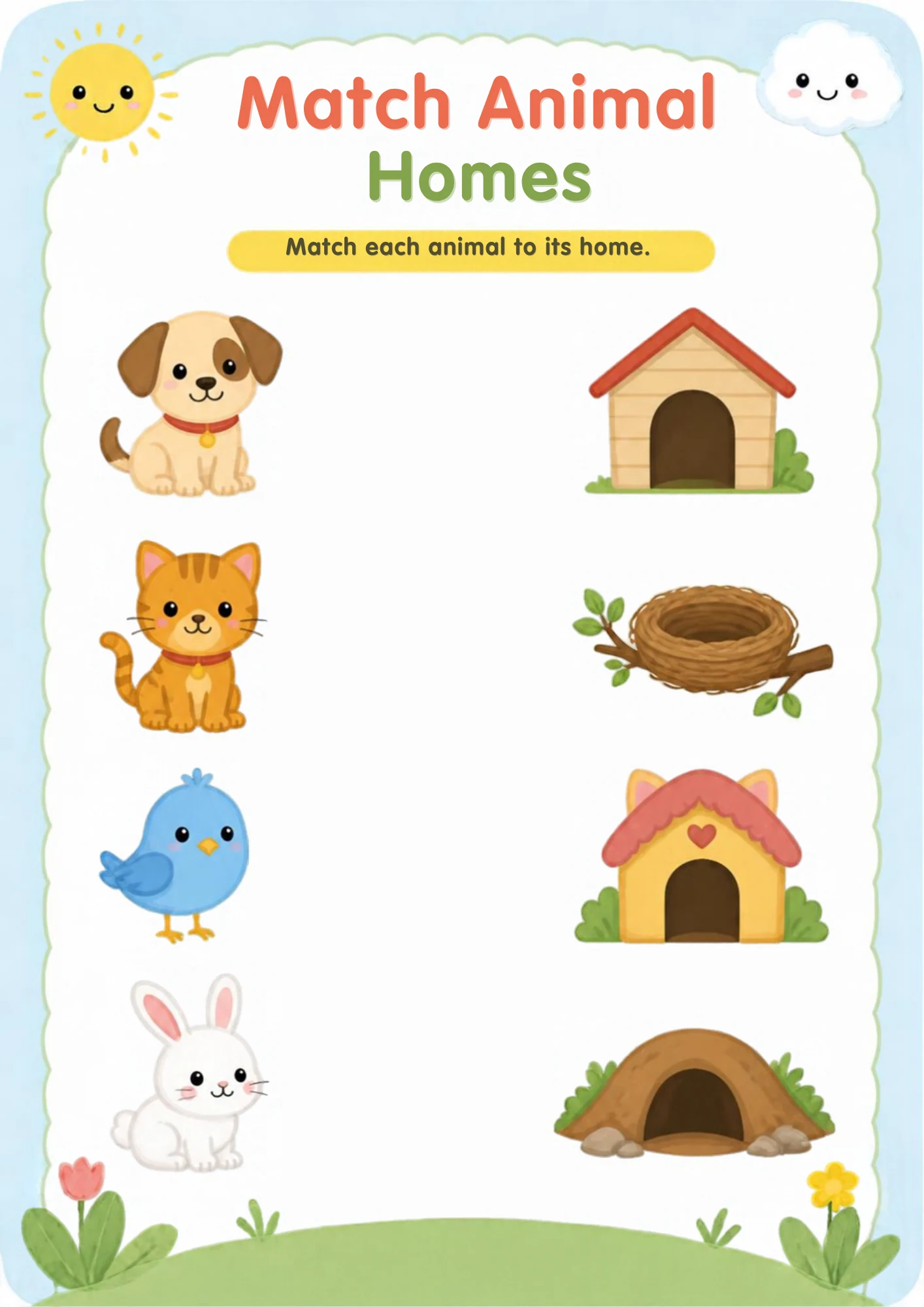
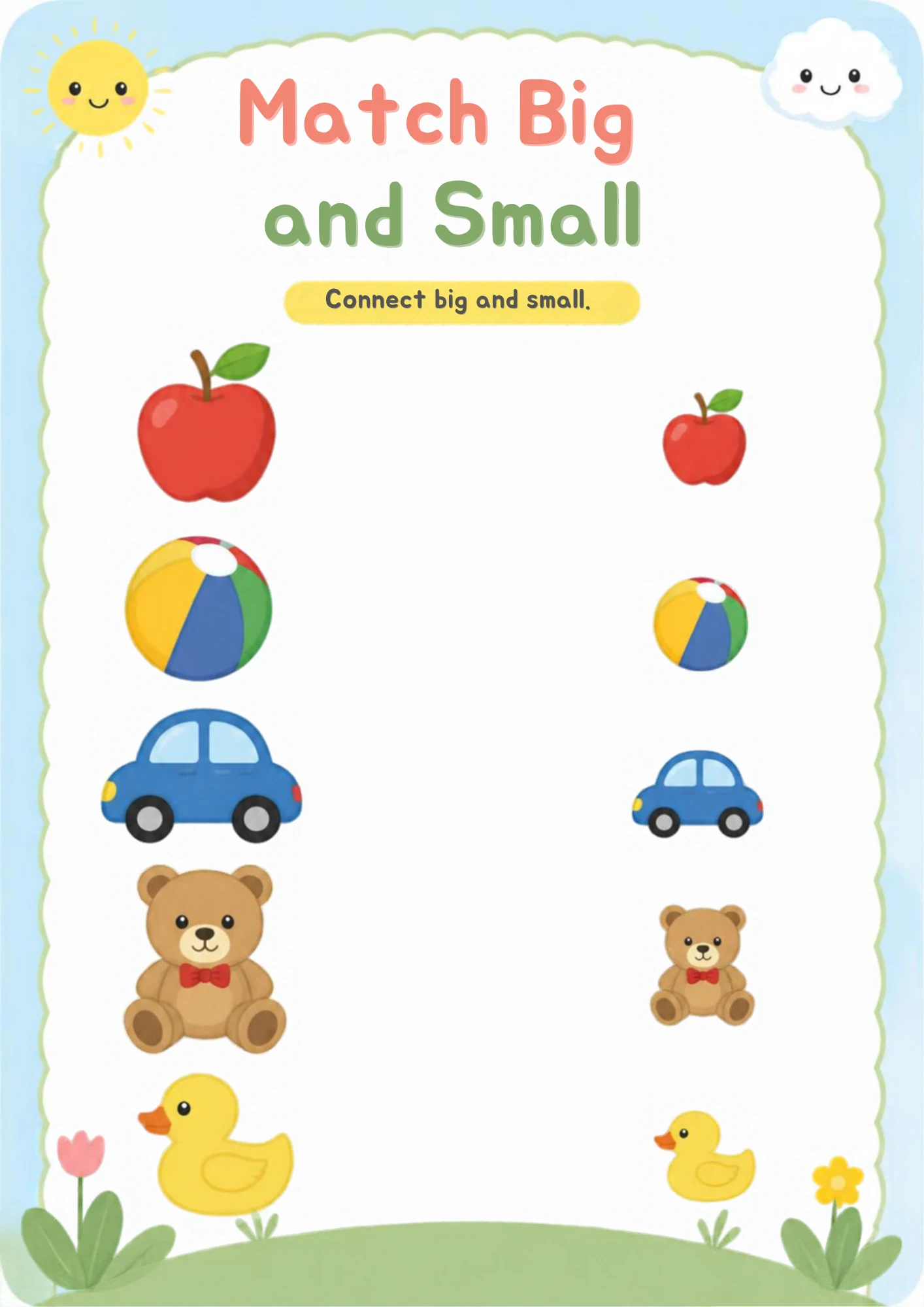
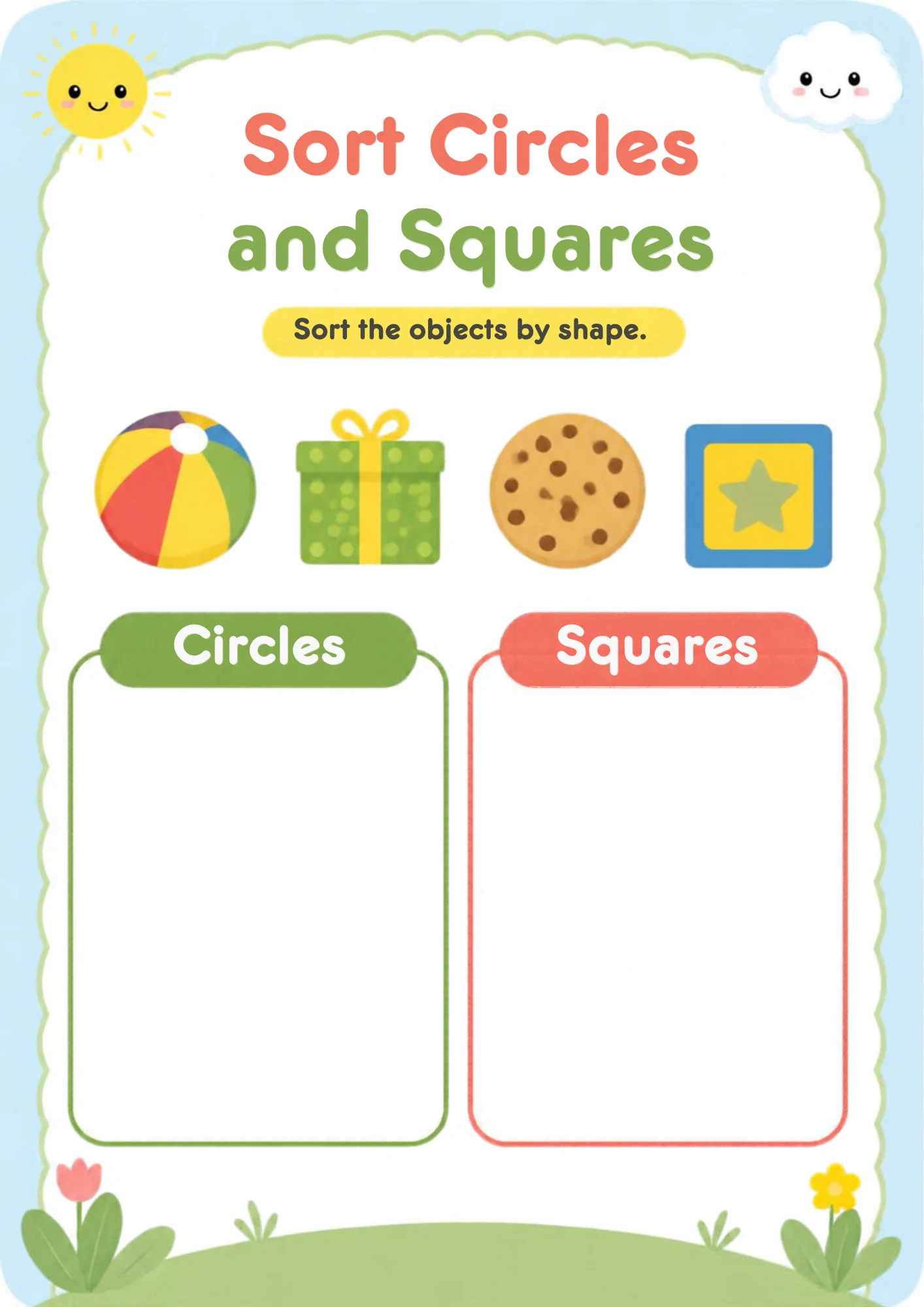
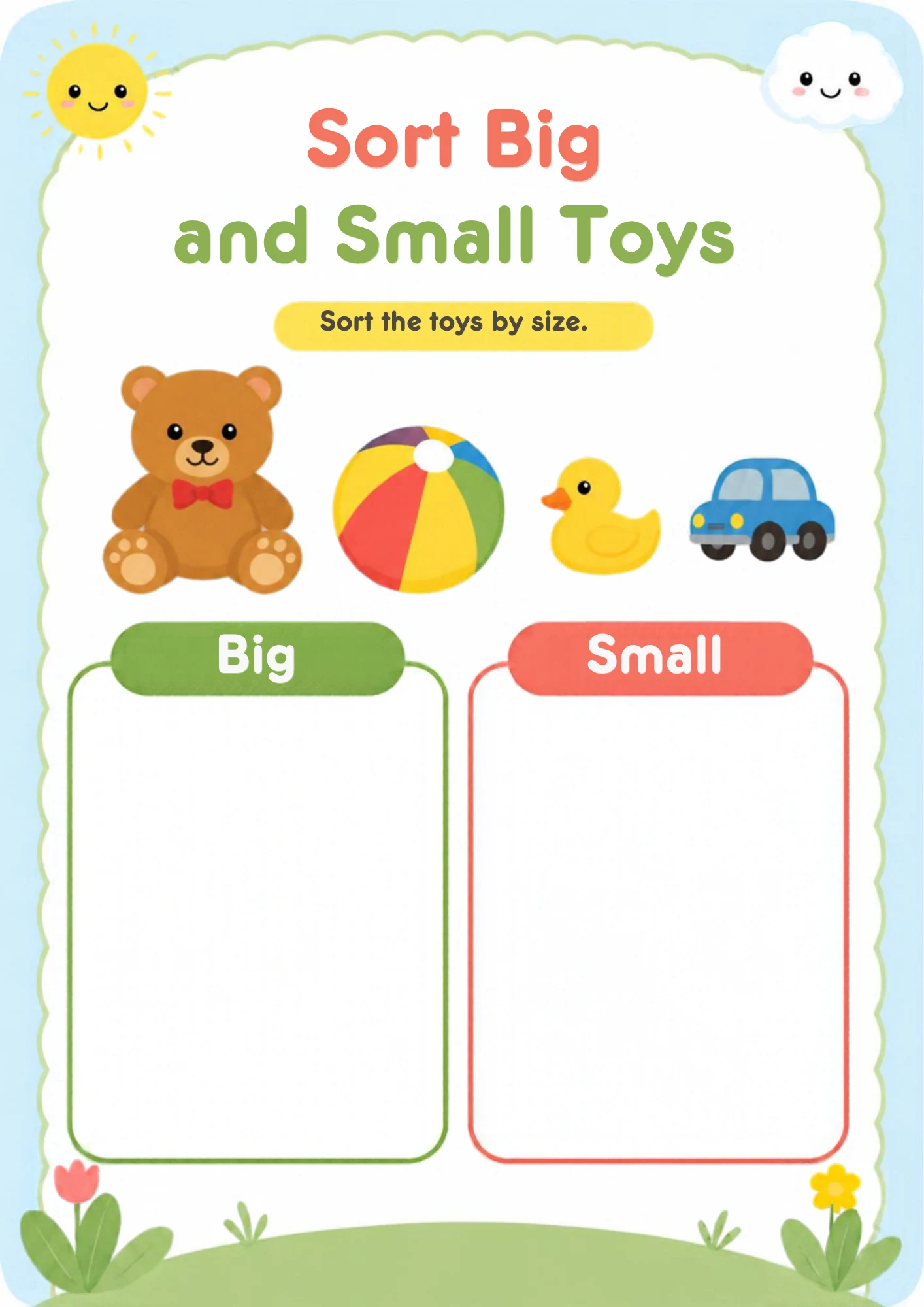
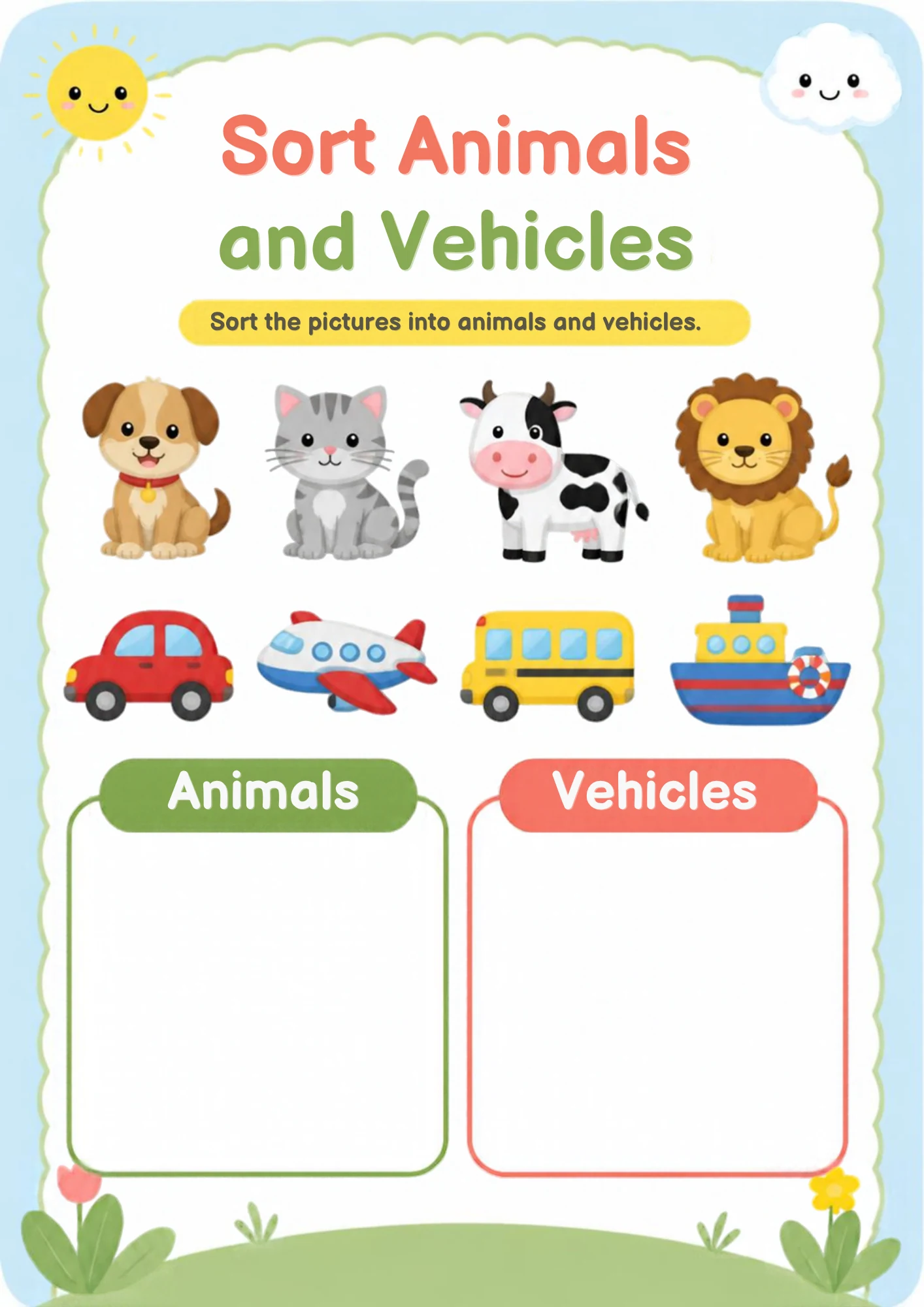
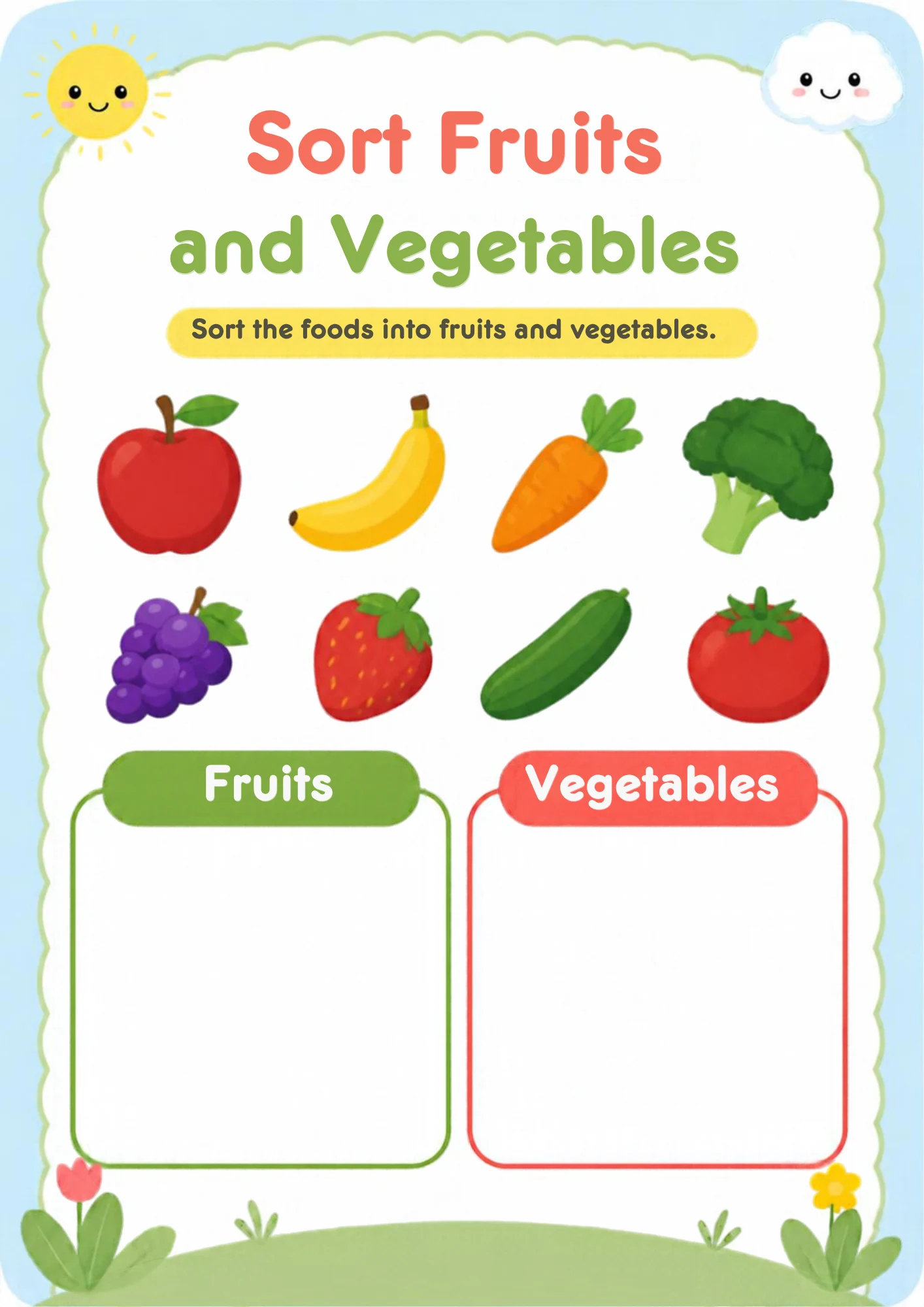
Print the matching and sorting cards from the flashcards library, two to a page, and cut them out together.
02
Make the pairs
Lay the cards out and find the pairs that are the same. Say “same!” every time a pair lands — the word and the match grow up together.
03
Sort into groups
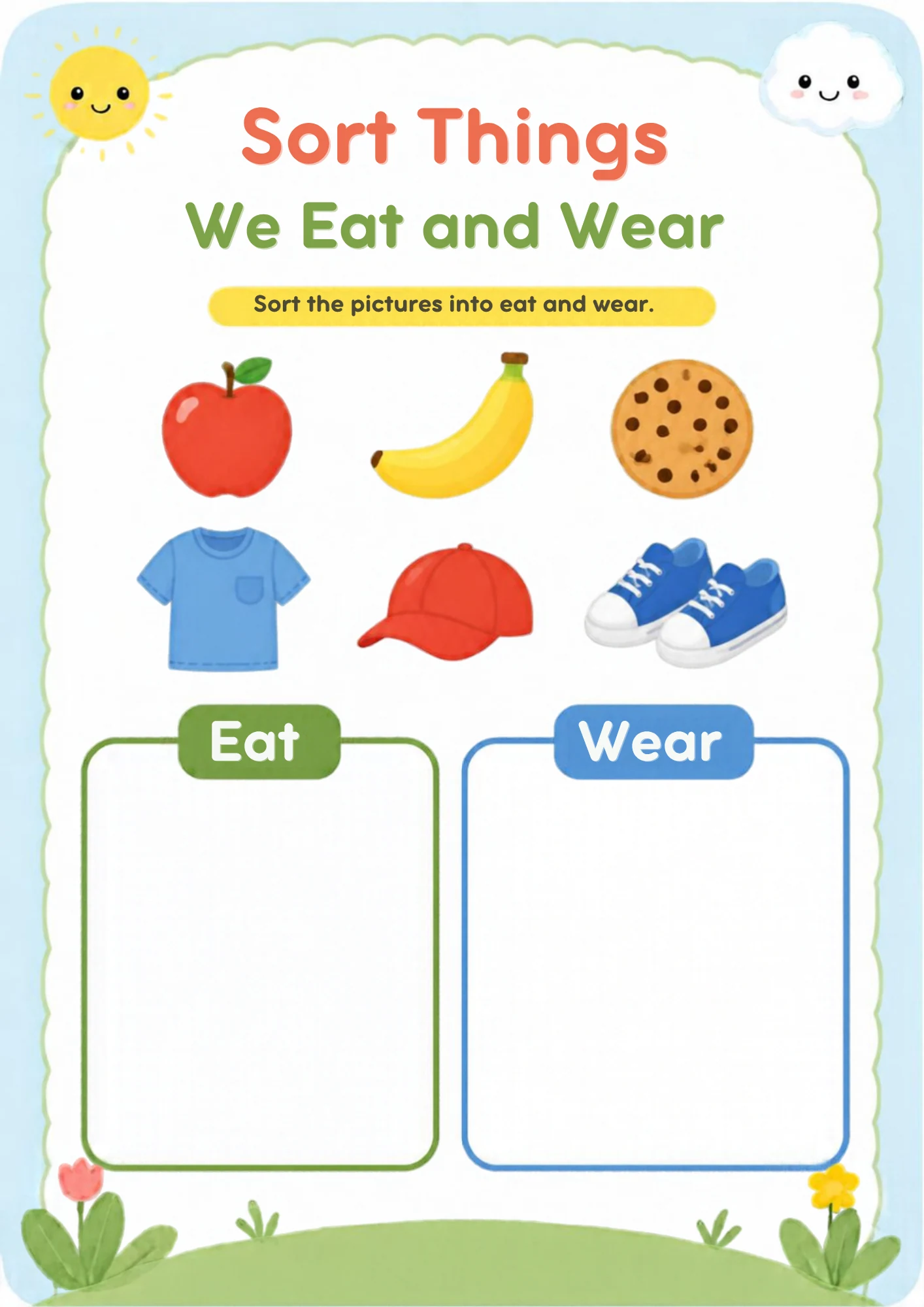
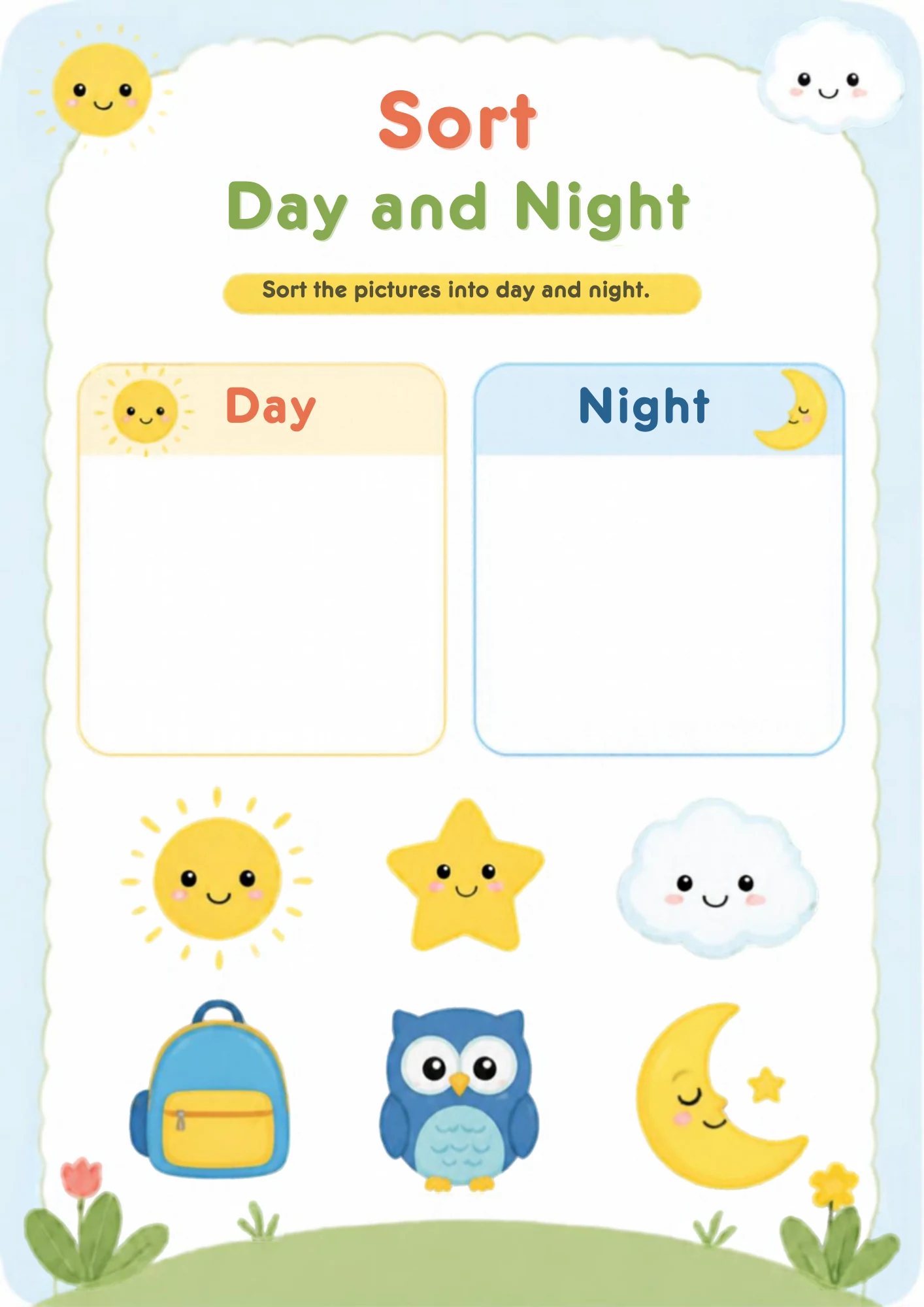
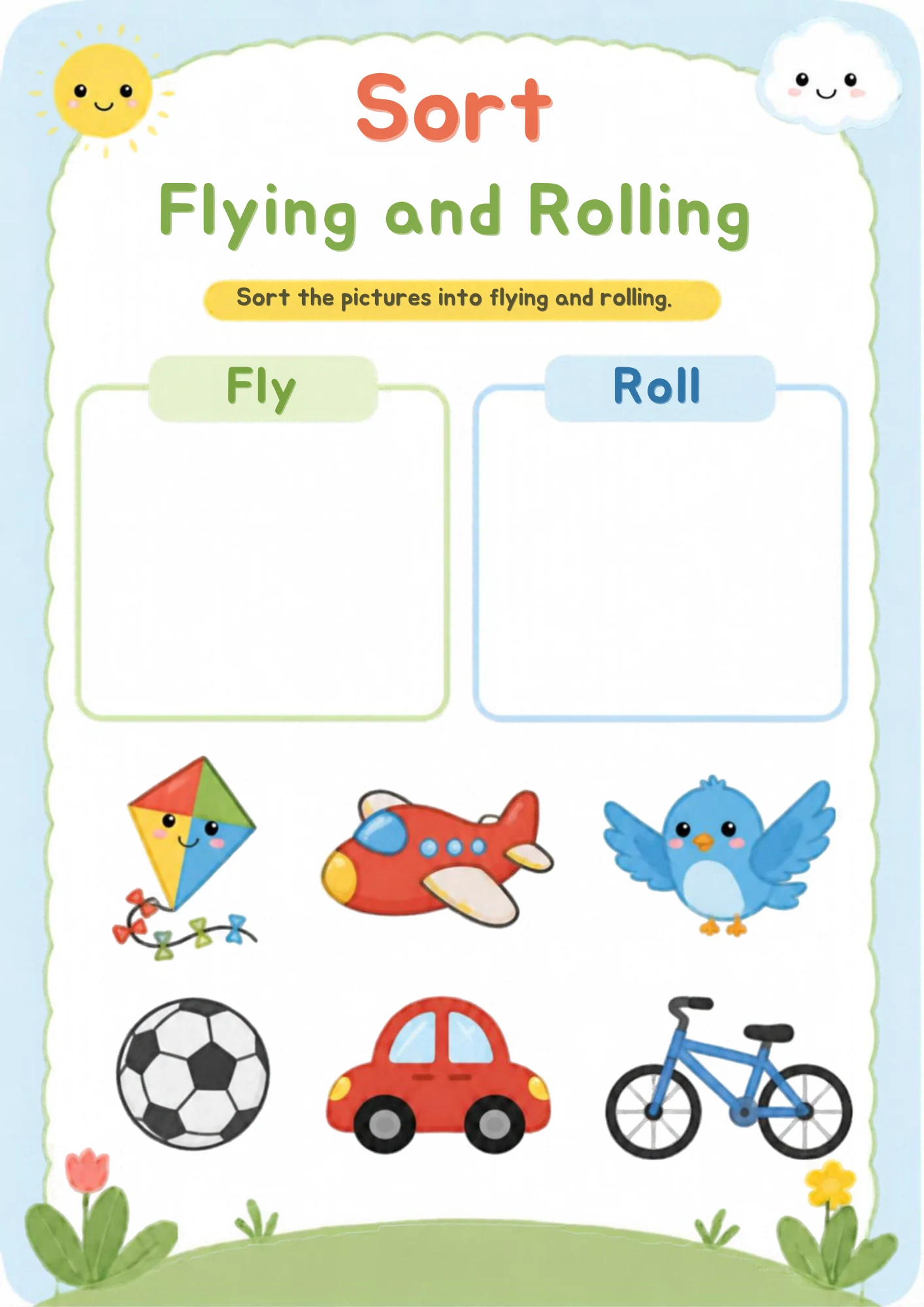
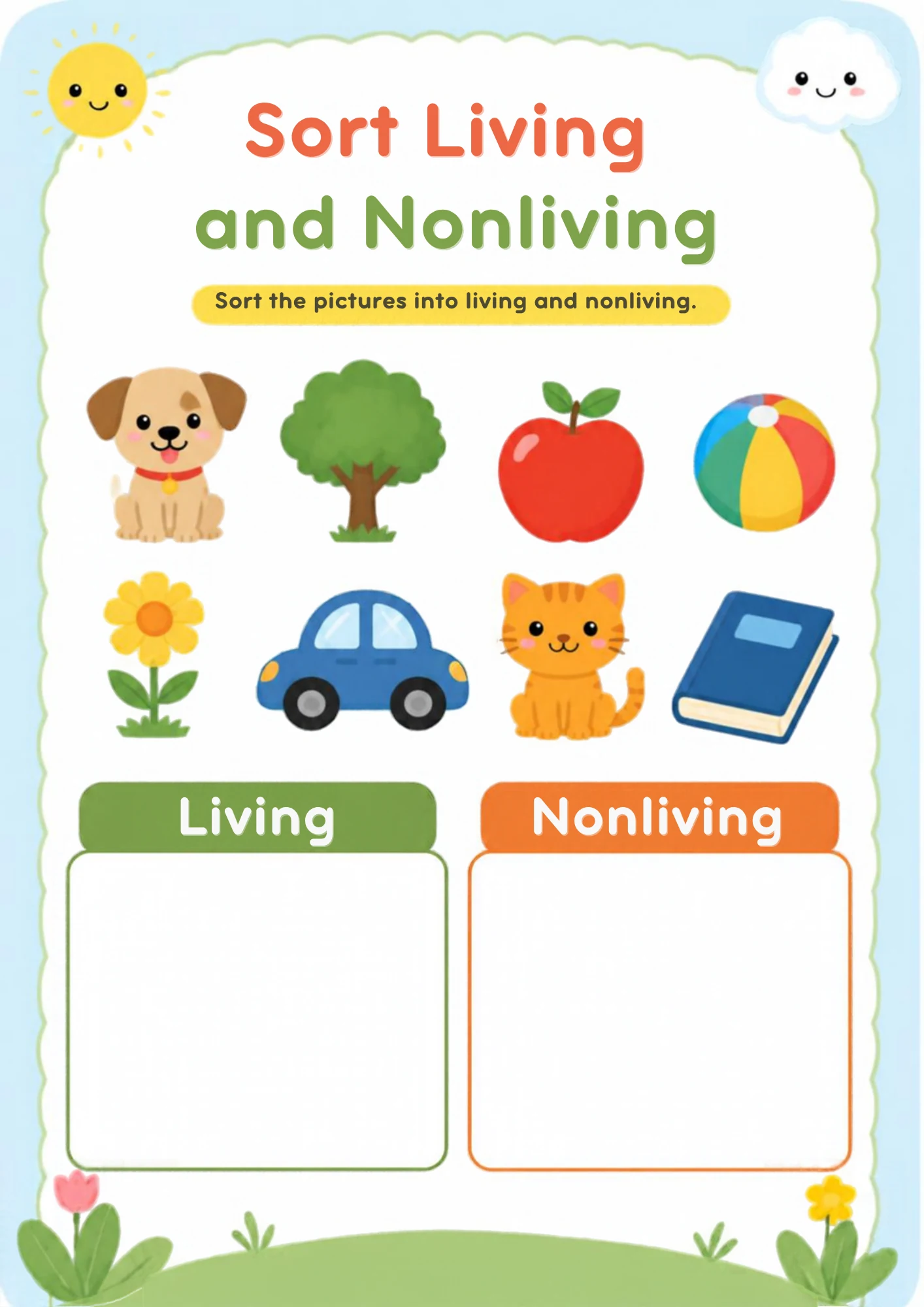
Sort the rest into little groups — animals here, cups there. Sorting is the quiet thinking work of this whole class.
04
Find the different one
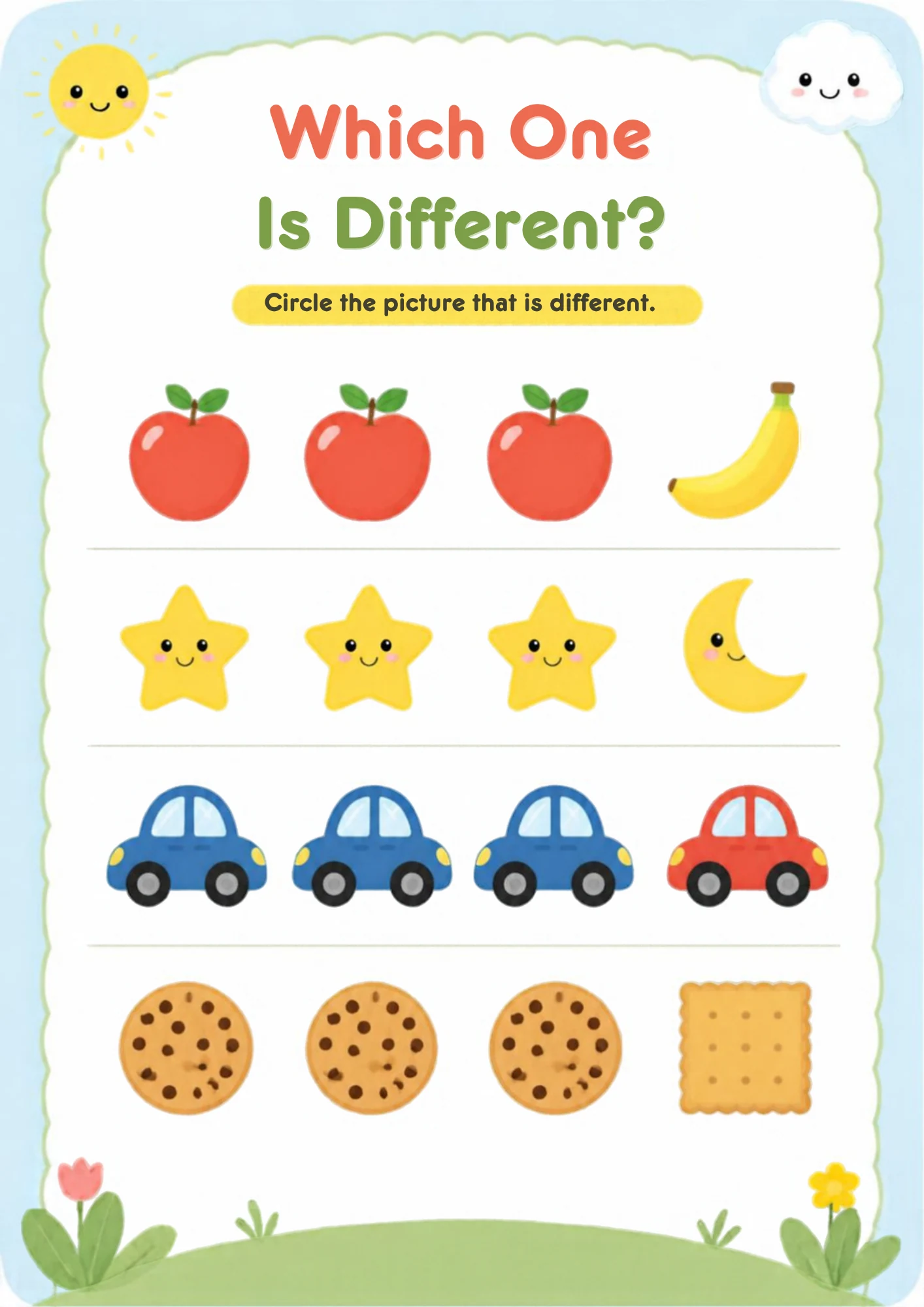
Line up three cards that match and one that does not, then ask “which one is different?”. Swap roles and let your child fool you.
Every card page has a Write & Color layer: your child can draw right on the card with a finger, a stylus or the mouse, then save the finished work. Nothing is uploaded anywhere.
MATCHING & SORTING ACTIVITIES
Match, sort and draw — right on the sheet.
Thirty-one big, friendly activity sheets made for two-year-old hands: your child solves each one straight on the picture — drawing the matching lines, circling the twins and sorting the groups with a finger, a stylus or the mouse. Pencil, colors, eraser, undo and redo included, and every child’s drawing is saved for them in My Classroom so they can come back and carry on where they left off.
Let’s find things that belong together. The class continues in real life with ordinary household objects — pick one or two during the day and keep it playful. Nothing to buy, nothing to collect and nothing to prove.
A matching hunt
Find two matching socks.
Find two spoons.
Put two red toys together.
Find two things that are the same shape.
Put toy animals together.
Find one object that is different from the others.
Stay close by and follow your child’s lead. Any noticing counts — finding two matching socks together is a complete class.
TEACHER NOTE
One last word from class.
“Matching happens everywhere. Try noticing things that are the same, different or belong together during your day.”
— Your Kiddo School teacher
A NOTE FROM THE PRINCIPAL
For the grown-ups.
There’s no need to turn matching into a test. Notice patterns together during play, tidying up, getting dressed and everyday routines.
Nice matching and sorting together. However many rounds you played, however long it took, that was the whole class — and stopping early is allowed too.
Sit together where your child can see and reach. Start with the same-and-different cards, say what you see out loud, and pause — the pause is where your toddler answers in their own way.
The tap games use big numbered buttons under each picture. Read the question, then let your child tap. A wrong tap is simply a chance to look together; the class never shows a score, a cross or a fail.
Sorting language stays simple: same, different, match, together. You do not need category words like fruit or animal — although hearing them in passing is a bonus, not a lesson.
When the on-screen games are done, take the class off screen: match the socks, sort the spoons, find the toy that is different during tidy-up time.
There is no need to finish every section in one sitting, and no need for your toddler to name every color or shape.
Age ranges are a guide. Kiddo School age ranges are guides, not tests or developmental deadlines. Children learn at their own pace.
Your feedback helps us make Kiddo School better. This is feedback about the activity, for the grown-ups who make it — it is never about a child.
Comments from our school community
FLASHCARDS
Prefer printed cards?
The cards from this class also live in the flashcards library — every card has its own page with the picture, the words to say together and a download button, ready for away-from-screen time.






Comments from our school community