
Match Circle — a step-by-step lesson for grown-up and child
This lesson moves matching into shapes: one circle waits above, a row of shapes sits below, and a travelling finger is all the tool the job needs.
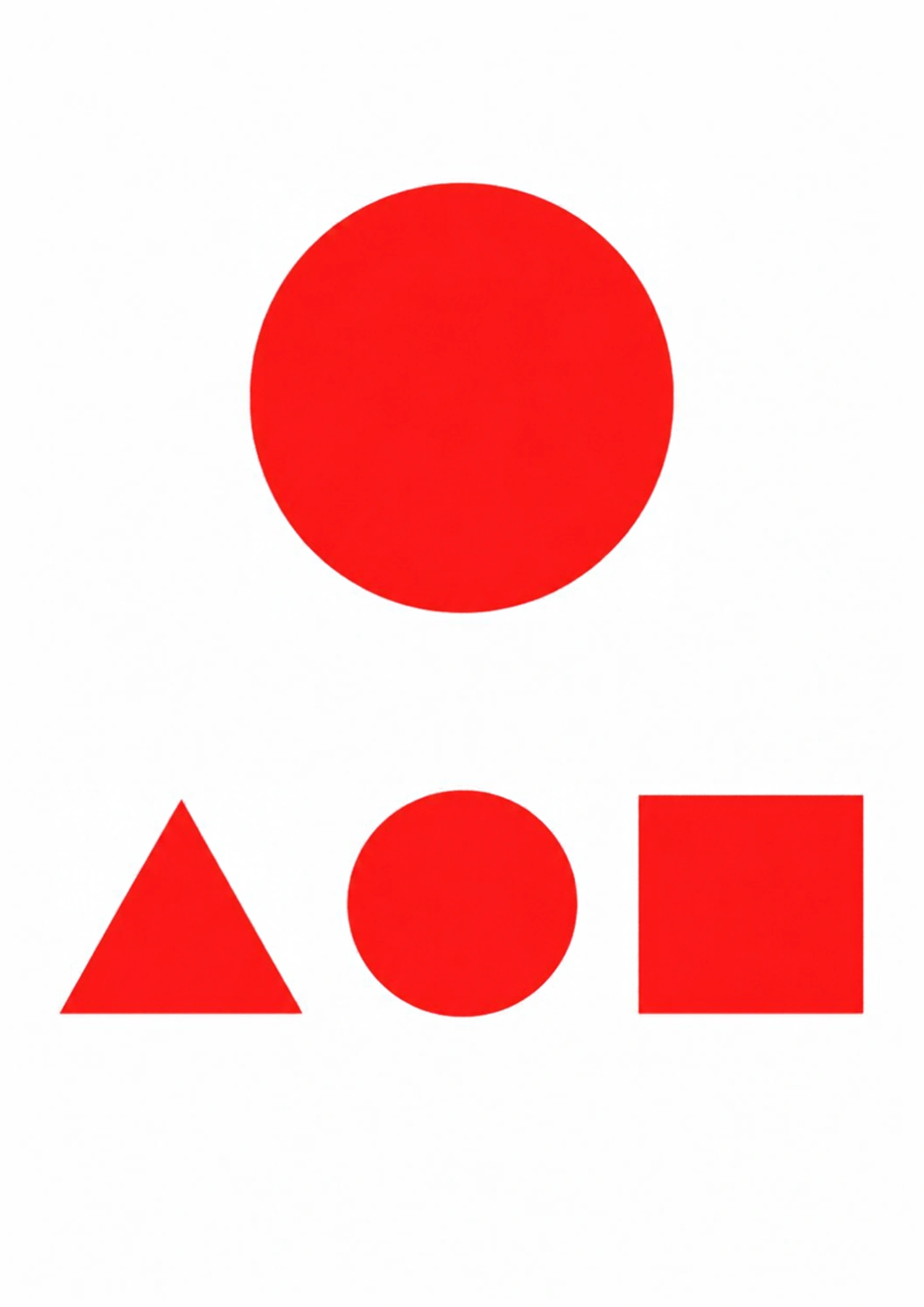
What is this?
A circle is the shape with no corners and no stops — one smooth edge, all the way around. It is the first shape most toddlers recognise and the easiest to match by feel.
What does it mean?
Tracing turns looking into knowing: a finger that walks the edge of a circle is measuring it. Shape matching by trace comes weeks before shape naming, and both are welcome.
What does the child need to know?
The answer is a point, a tap, or a finger that lands on the twin and stays. If other shapes get toured first, that is not wandering — that is comparing, and it is exactly the point.
Why this matters
Circles run the world: plates, lids, wheels, buttons, the sun in every drawing. A matched circle is a shape skill your toddler can rehearse at every meal.
What it teaches
Shape matching, edge-tracing with one finger, and visual search through near-miss shapes — the close cousins that make the real match satisfying.
Words to learn
circleroundmatchtraceedgefind
Say this to your child
“"A circle! Round and round and round — no corners. Can you find the circle below? Trace it with me… round and round. Same! Two circles, a matching pair."”
Step by step
- Show the card and trace the top circle with one slow finger, saying the journey out loud: round and round, no corners, no stops.
- Sweep the row below together, tracing each shape briefly: this one has corners… this one has corners… where is the circle?
- Let your toddler take the tracing turn — their finger, their pace, your quiet company. The match usually lands when the finger lands.
- Confirm the match with a double trace: top circle, bottom circle, same journey twice. Say it simply: circle and circle — match.
- Hunt one real circle before the lesson ends: a plate, a lid, a wheel — traced too, so the shape leaves the card and enters the room.
Look closer at the picture
The card shows a circle matching activity with basic shape choices — one circle to match and other shapes nearby. Ask your toddler to trace the big circle first, then find which shape below shares its round edge.
Ask your child
"Can you trace the circle?" "Where is the other circle?" "Does this one have corners?" "Can you find a round plate?"
What your child can say or do
Expect a tracing finger more than a word: a slow trip around the chosen shape is the answer in motion. Round may arrive as roun or wah-wah — the shape is clearly known even when the word is not.
Out in the real world
Round things beg to be traced: the rim of a cup, the edge of a bowl, the face in the mirror. One traced circle a day keeps this shape in working memory all week.
Try it together
Circle dinner: before the meal, trace one round thing on the table together — plate, rim, lid — and say circle. Three days of this and your toddler will start the tracing without you.
Understanding check
Show the card cold and ask for the circle’s twin. A direct point passes; a point that starts at a square then corrects itself passes better — the comparison ran and the answer improved.
Parent tips
The finger is the teacher here — keep your own finger slow and your voice slower. If two shapes get chosen cheerfully, trace both and let the edges disagree: corners or no corners, the circle wins.
Staying safe
No safety angle beyond the usual: this is a sitting, tracing, table-top game. Keep cups of tea on the far side of the table — the only circles a two-year-old should not trace are the hot ones.
This lesson pairs with the Match Circle flashcard in the library — print it, show it, keep it on the fridge. Back to Matching & Sorting (Toddler 4).