
Big — a step-by-step lesson for grown-up and child
This lesson opens the concept pairs with the easiest win: big, said with wide arms and a big voice. Your toddler compares the card with the real things nearby, and the word grows into a gesture.
What is this?
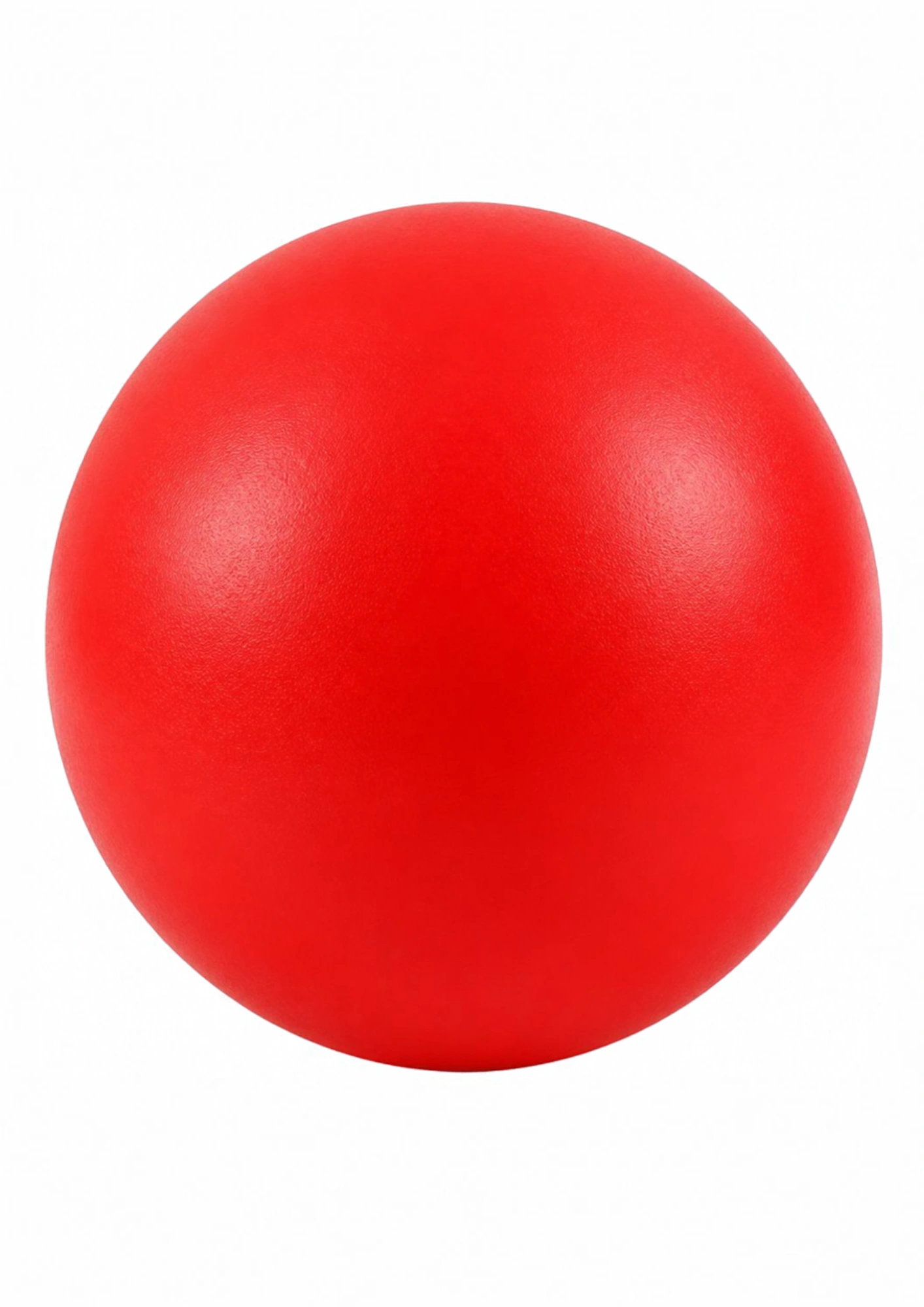
Big is a size word — it points at the larger of two things. Alone it floats; next to something small it lands. The card shows one large object filling the frame, so the word has a whole picture to live on.
What does it mean?
Size words only make sense as comparisons, and the body teaches them first: arms stretched wide are a toddler’s definition of big long before the word is. Gesture and word grow up together here.
What does the child need to know?
Expect the arms-out gesture first, a big-bee! second, and the clean word last — every stage counts as the lesson working. At this age, understanding shows up in the pointing, not the pronunciation.
Why this matters
Big hides in every room: the big chair, the big door, the big dog next door. A word this findable gets rehearsed all day, and the pair-card (small) makes it sharper whenever you show them together.
What it teaches
Size vocabulary, comparison-making, and gesture-word pairing — the first abstract idea a toddler owns, taught entirely with arms.
Words to learn
bigsmallwidegiantarmsstretch
Say this to your child
“"Biiig! Look at this — arms out wide, big! Can you stretch big like me? Now look: this ball is big… this one is not so big. Where is the big one? Yes! Big arms for the big ball."”
Step by step
- Show the card and fill yourself with it: stretch your arms out wide and say biiig — the whole body pronouncing the word.
- Invite the copy: can you stretch like this? Big arms! Let your toddler’s body answer before their mouth does.
- Bring two real objects — one big, one small — and lay them side by side. Touch the big one: big! Touch the small one and shake your head gently: not big.
- Let your toddler take the pointing turn: where is the big one? A hand landing on the larger object is the whole concept, arrived.
- Hunt one big thing per day this week — the big chair, the big ball, the big door — always with arms out, so gesture and word stay welded.
Look closer at the picture
The card shows a large object demonstrating the concept big for toddlers — one big thing, filling the whole picture. Ask your toddler to stretch their arms wide like the big thing takes up all the room.
Ask your child
"Can you stretch out big?" "Which one is the big ball?" "Where is something big in this room?" "Is the chair big or is the button big?"
What your child can say or do
Arms wide first, always — the gesture is the answer for months. Words arrive as bee, beeg or a proud BIG! with everything they own stretched out. Some toddlers answer by grabbing the bigger of two objects; the grabbing is the comparison made visible.
Out in the real world
Big lives everywhere your toddler looks: the big spoon, the big step, the big dog at the fence. One arms-out big per outing keeps the word stretching along with them.
Try it together
Big-small race: set two balls, two cups, two books on the rug and call the sizes — big! — and let your toddler slap the winner. You point and name, they pounce; the body learns what the mouth will say.
Understanding check
Hold up the big card beside the small card and ask for the big one. An instant reach, an arms-out, or a point at the large card all pass. Then try it with real spoons — transfer from picture to kitchen is the gold star.
Parent tips
Put your whole face into the word: biiig. Exaggeration is not silliness here — it is the teaching. Show the pair back to back, big then small, because opposites explain each other faster than either explains alone.
Staying safe
No safety angle here beyond the usual floor-games rule: the comparing objects stay bigger than a toilet-roll tube and softer than a bruise. The stretching, at least, is risk-free.
This lesson pairs with the Big flashcard in the library — print it, show it, keep it on the fridge. Back to First Concepts (Toddler 2).