
Welcome to the Kitchen.
The busiest room in the house, card by card: the everyday things a three-year-old already uses, the helper tools a four- or five-year-old can start with, the grown-up tools older kids love to name and the chef’s knife that teaches the kitchen’s biggest rule — knives are for grown-ups. Every tile below opens its own step-by-step lesson.
Little cooks, real tools, one big rule.
The Kitchen is a bonus class, kept beside the main learning path: the regular classes stay the core sequence, and this one is for families with a small cook at the counter. Thirty-five cards name the busiest room in the house, and every tile below opens its own step-by-step lesson — the tool, the job it does, the words to say and one thing to try at the real counter.
Every card carries an age pill, and the pills are the pacing: Ages 3 and up for the everyday things kids already use — the spoon, the fork, the plate, the mug, the bowl, the fridge; Ages 4–5 for the helper tools — the whisk, the rolling pin, the ladle, the measuring cups, the oven mitt; Ages 6 and up for the grown-up tools kids this age don’t use yet but love to name — the garlic press, the box grater, the mortar and pestle; and one card that is grown-ups only, the chef’s knife, which stays on the wall to teach the kitchen’s biggest rule. Nothing needs to be rushed — the pills do the pacing.
Kitchen Helper.
The class game is three steps: the child finds the item — in the drawer, on the counter, in the picture pile; says its name — out loud, proud, with the whole kitchen listening; then sorts the cards into two piles: I can use it and Grown-ups only. Every child’s piles are a little different, and the arguments are the best part — a four-year-old who claims the whisk but hands over the grater has just run the whole safety curriculum in one sitting.
Sorting by hand leads to sorting for real: the hot-check (which cards get HOT? drop a toy oven mitt on each — the kettle, the saucepan, the frying pan, the baking tray), the sharp check (peeler, grater, blender blades — grown-up tools, sharp and careful), and the mine pile that grows a real little cook. The card names the tool; the kitchen uses the tool; the recipe does the rest.
Knives are for grown-ups. Hot means don’t touch.
Two rules live in this class, and they are taught out loud, kindly and often. Knives are for grown-ups — the chef’s knife stays on the card because hiding sharp things makes them fascinating, while naming them makes them understood; the child’s own tools are real: the butter knife, the board, the banana to slice. Hot means don’t touch — the kettle, the saucepan, the frying pan and the baking tray are the hot family, and every one of their lessons teaches the same sentence: hot, don’t touch, grown-ups only, step back. The rules are said every time, which is exactly how they stick.
And because rules without jobs get tested, every safety rule here comes with a job: the safety checker who announces the boiling kettle, the beep-watcher who calls the microwave, the safety caller who calls the sizzle. Small hands stay busy; the hot and sharp stay where they belong.
Learn the kitchen, safely, one tool at a time.
Thirty-five cards, one picture each. Tap any picture and it opens its own lesson page — the original artwork on the left, and the step-by-step teaching on the right: the tool, the job, the safety rule where it matters and one thing to try together.
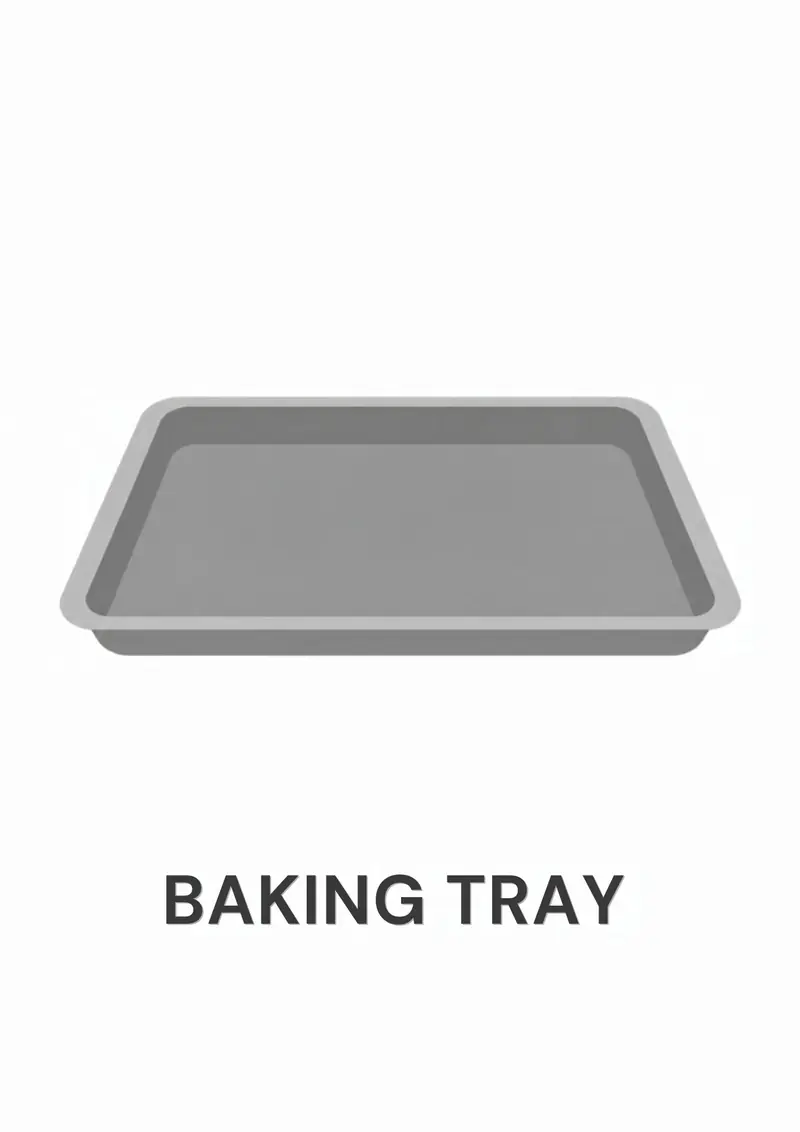 Baking Tray
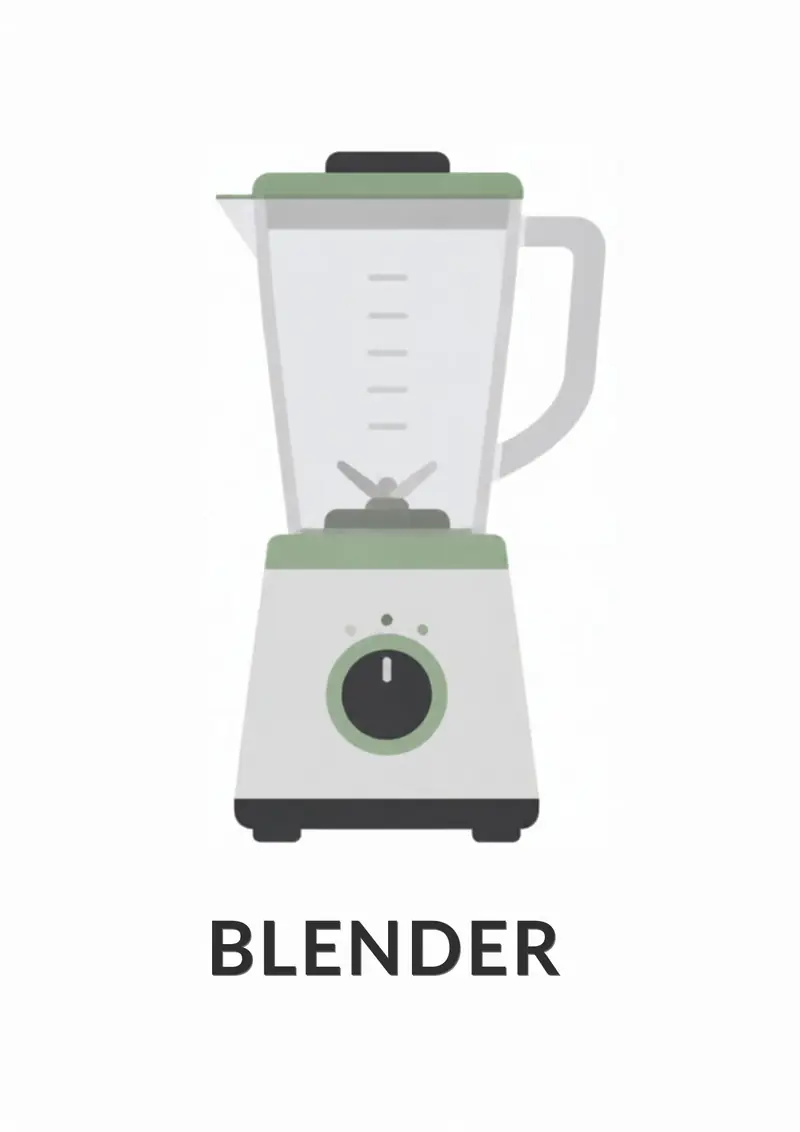 Blender
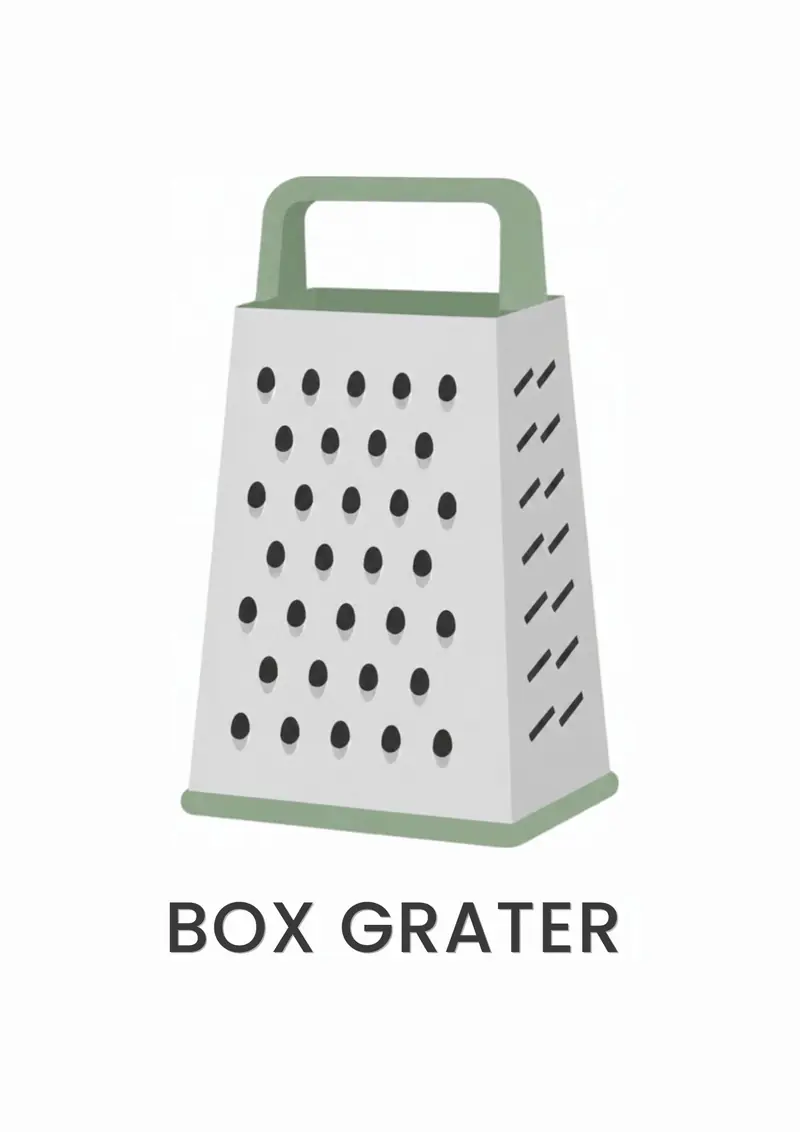 Box Grater
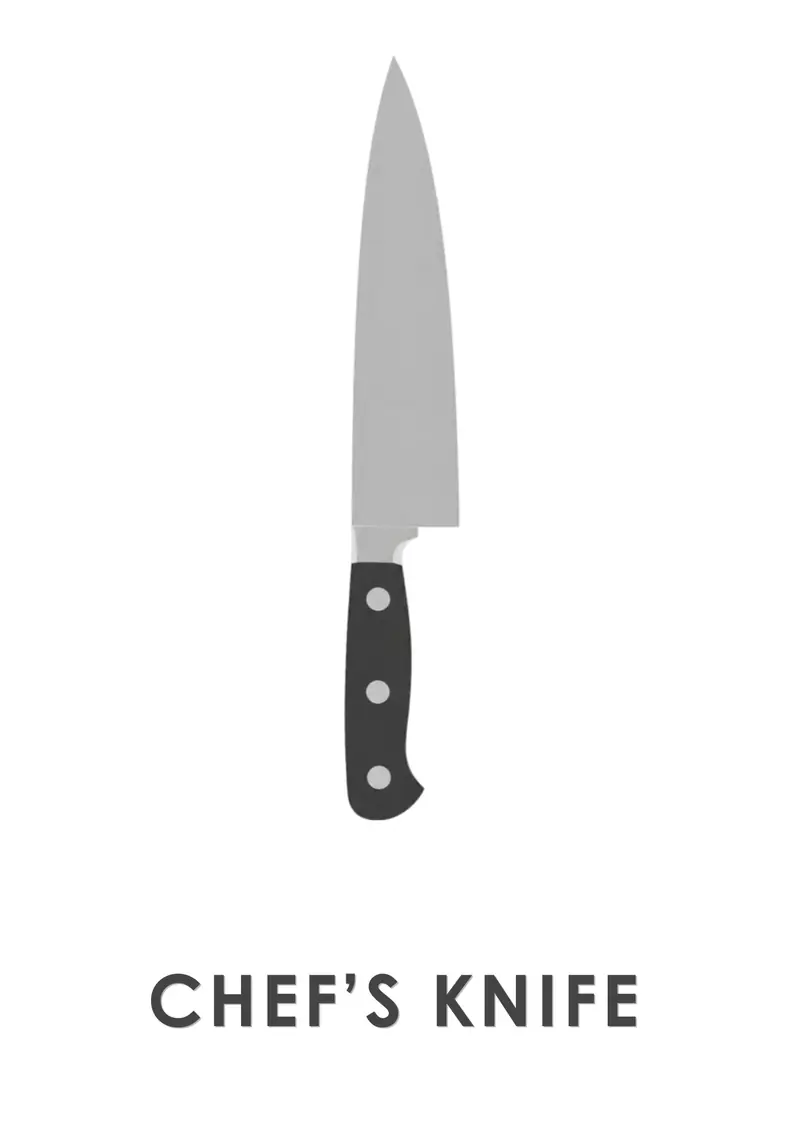 Chef’s Knife
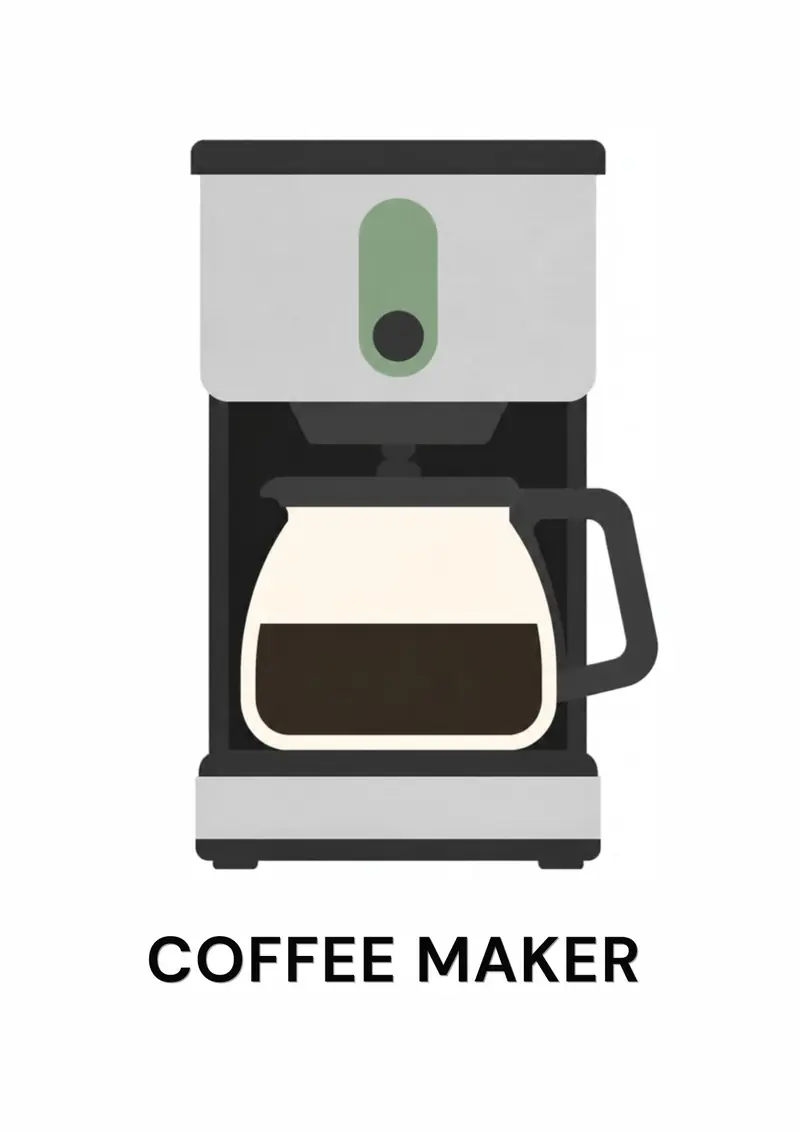 Coffee Maker
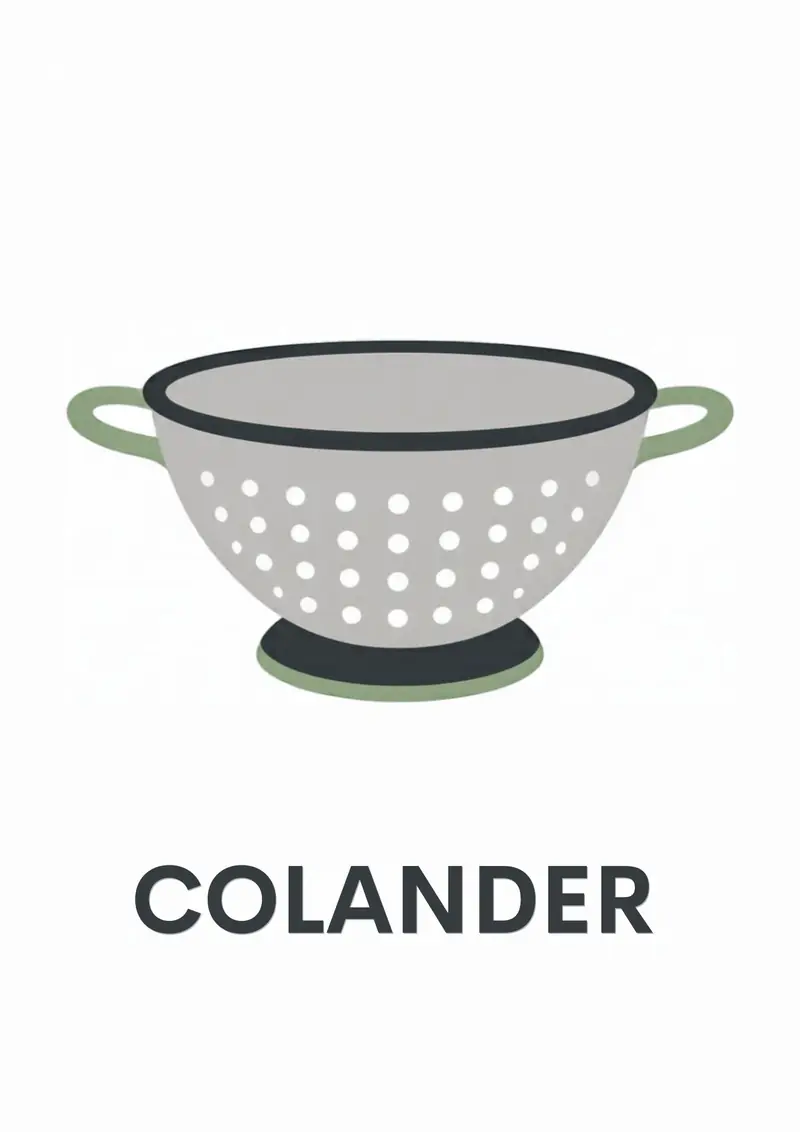 Colander
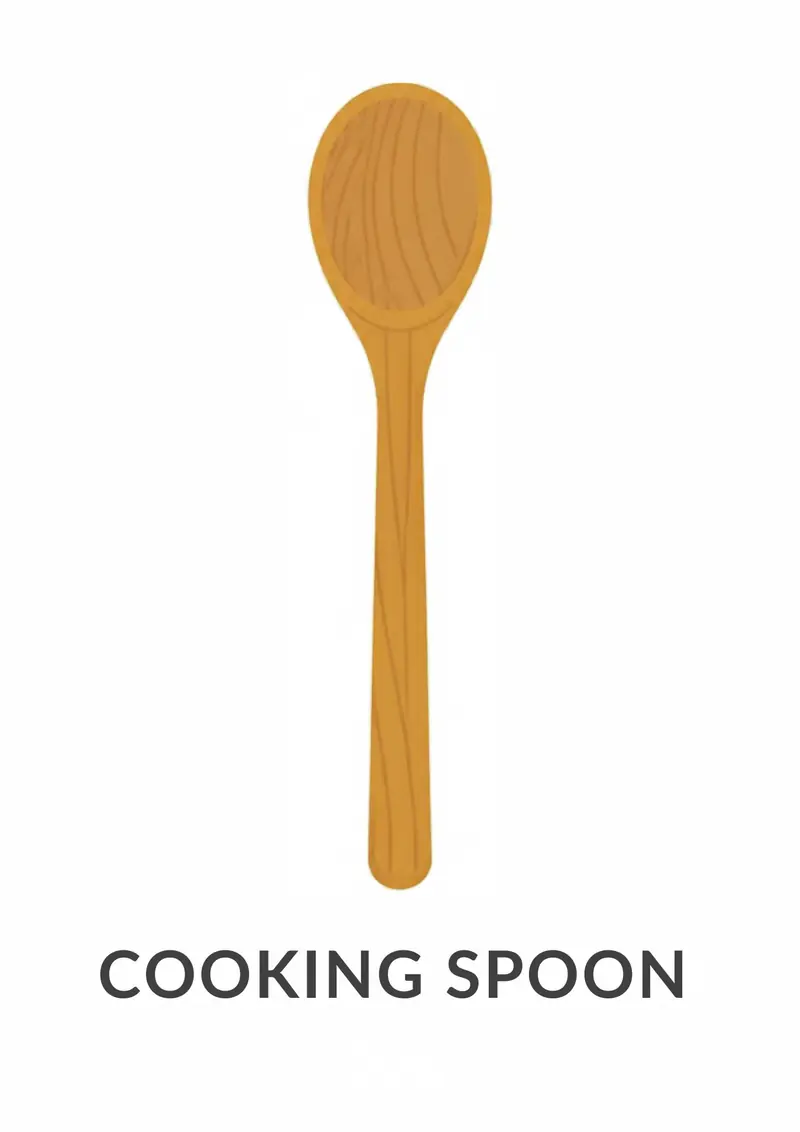 Cooking Spoon
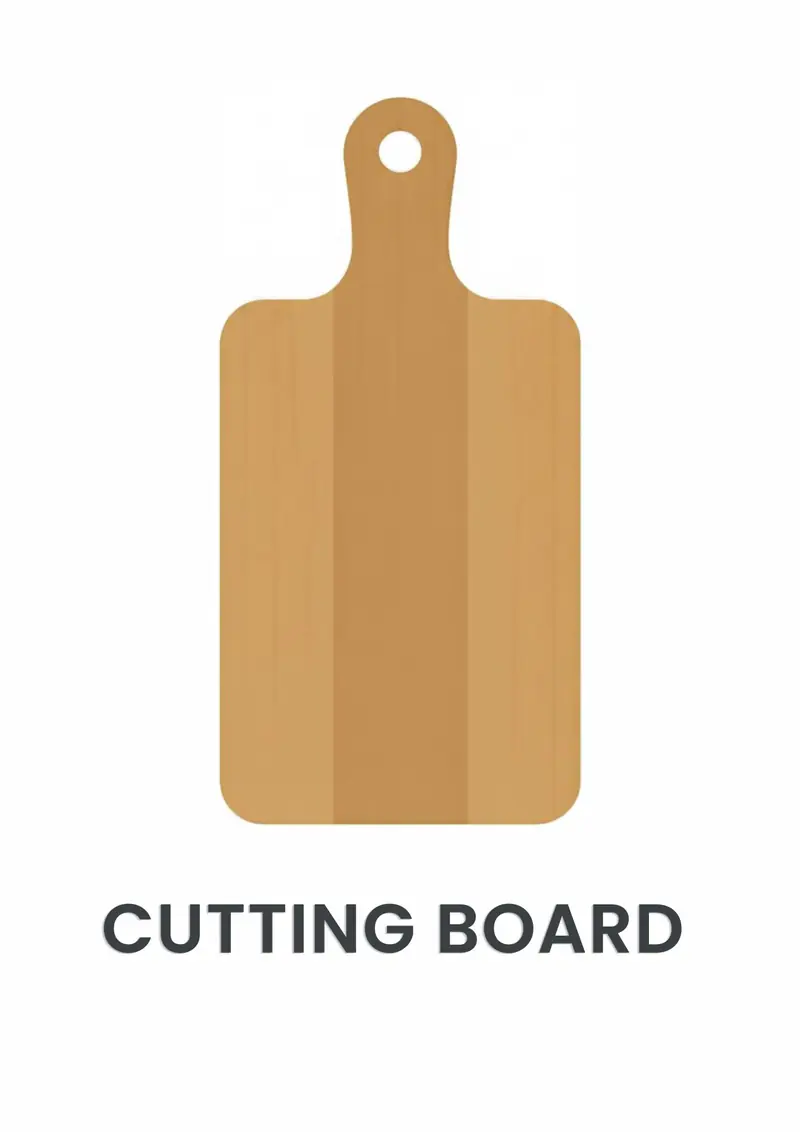 Cutting Board
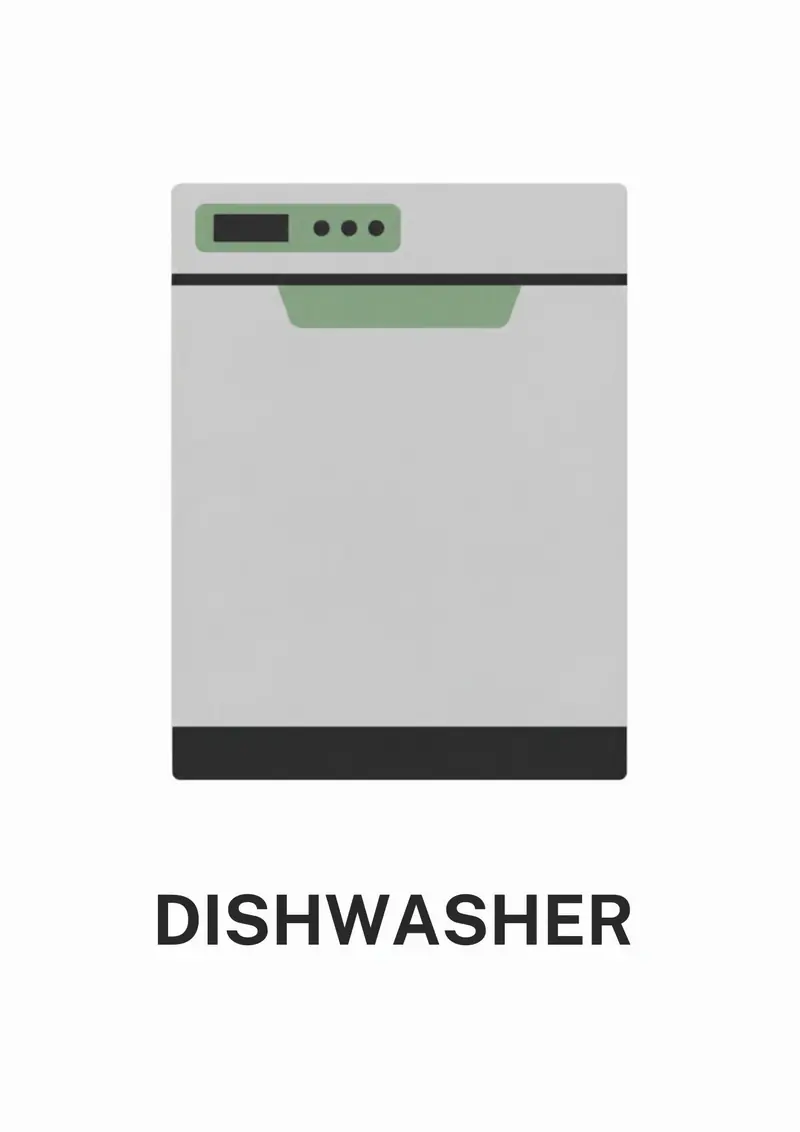 Dishwasher
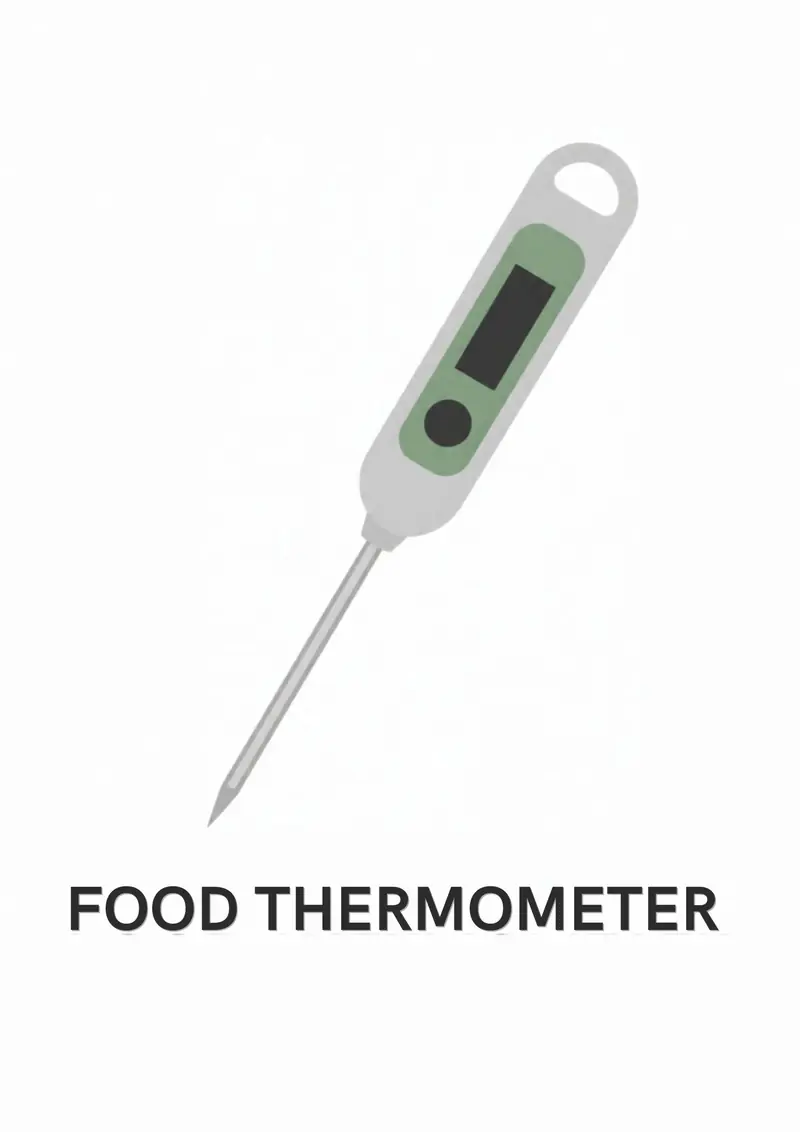 Food Thermometer
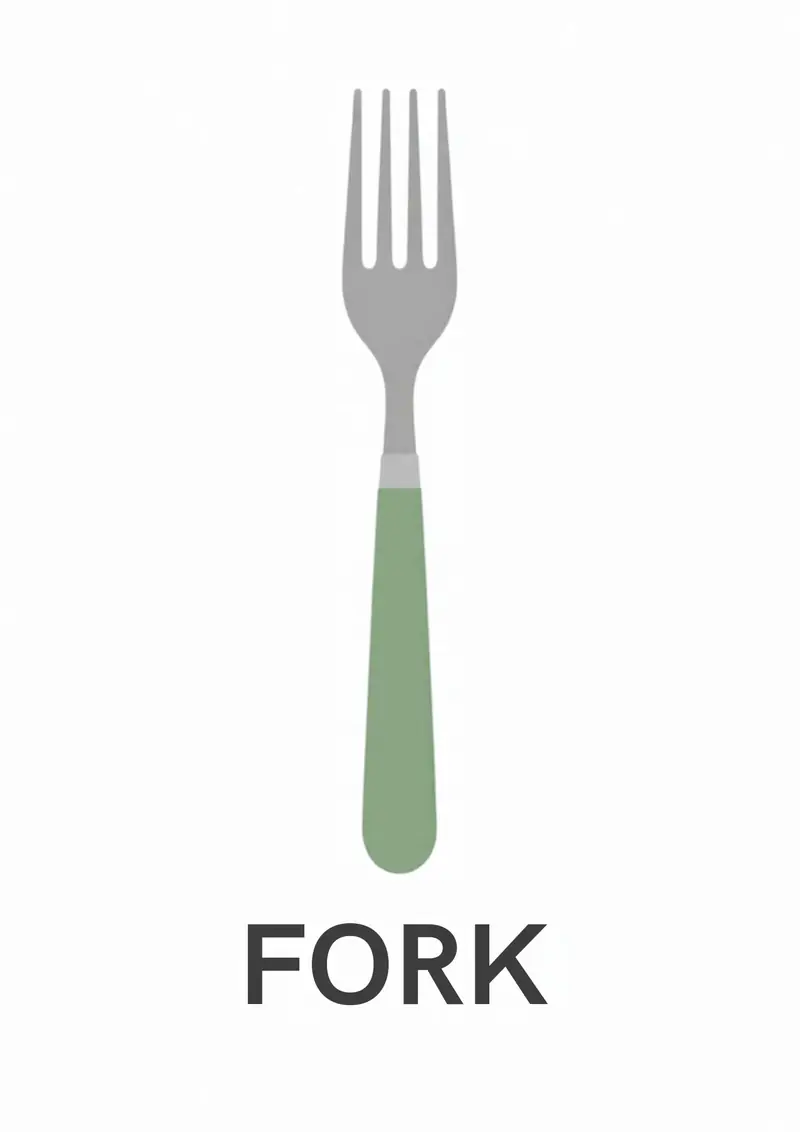 Fork
Fork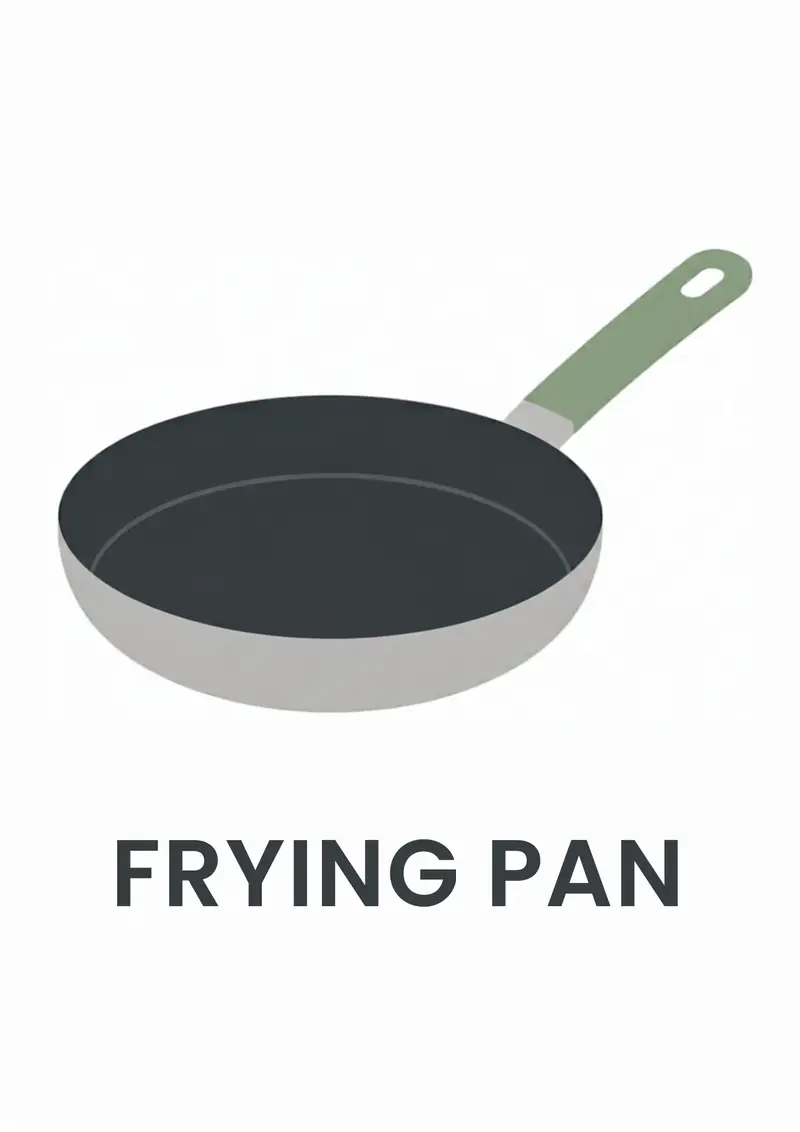 Frying Pan
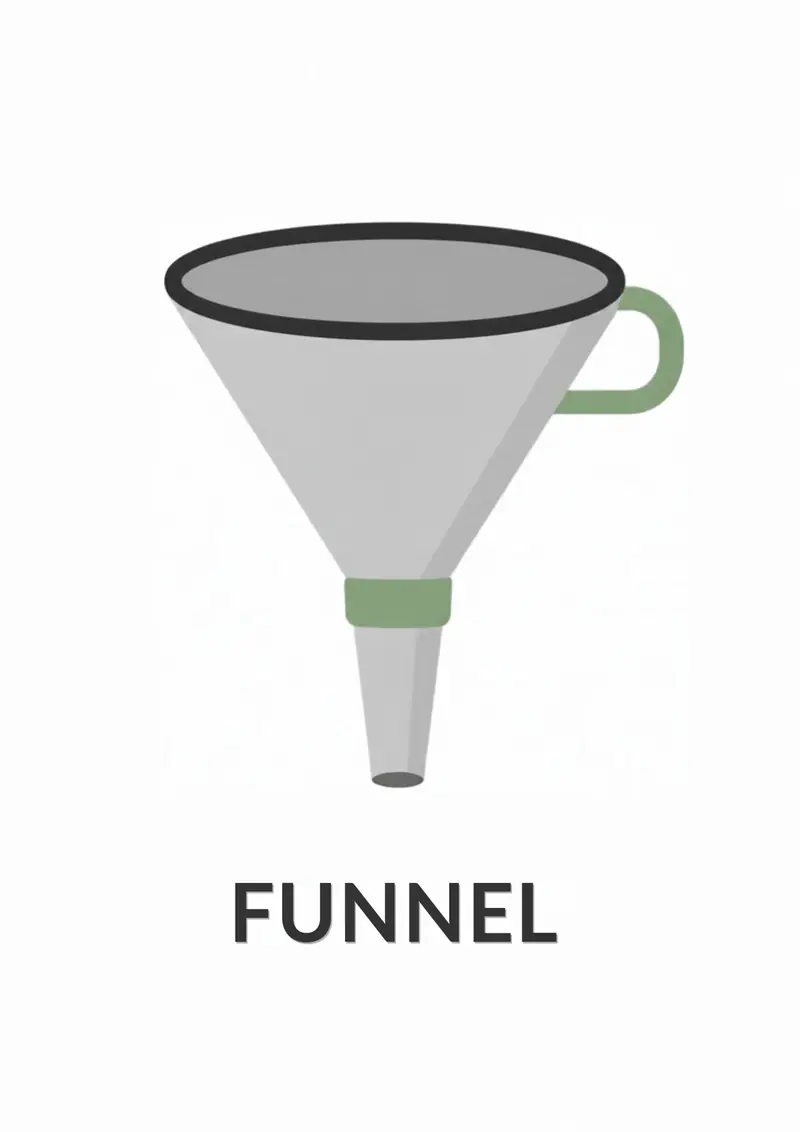 Funnel
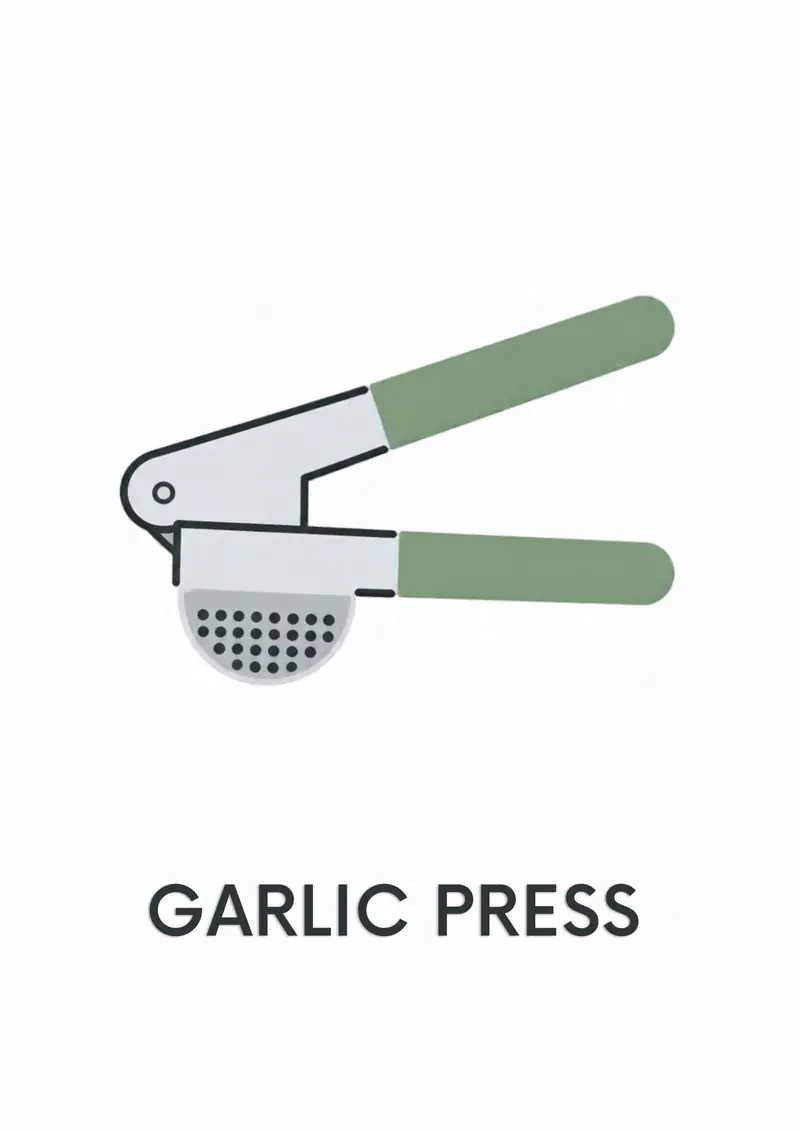 Garlic Press
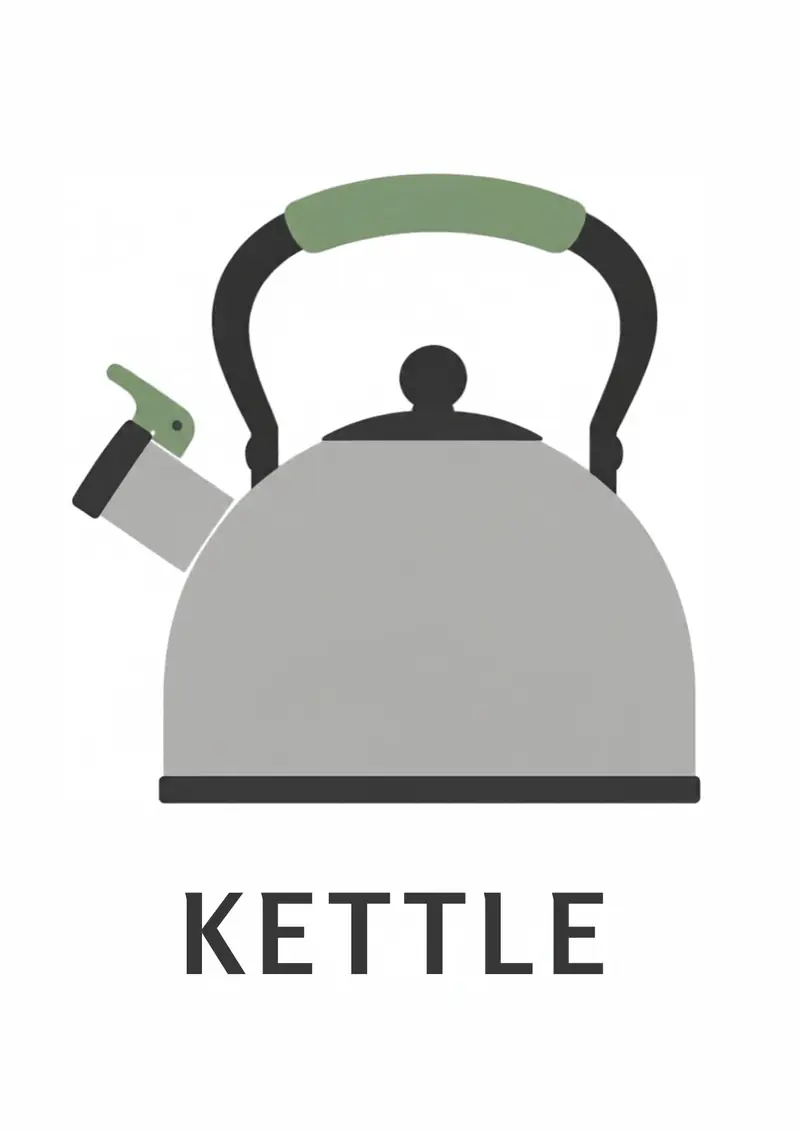 Kettle
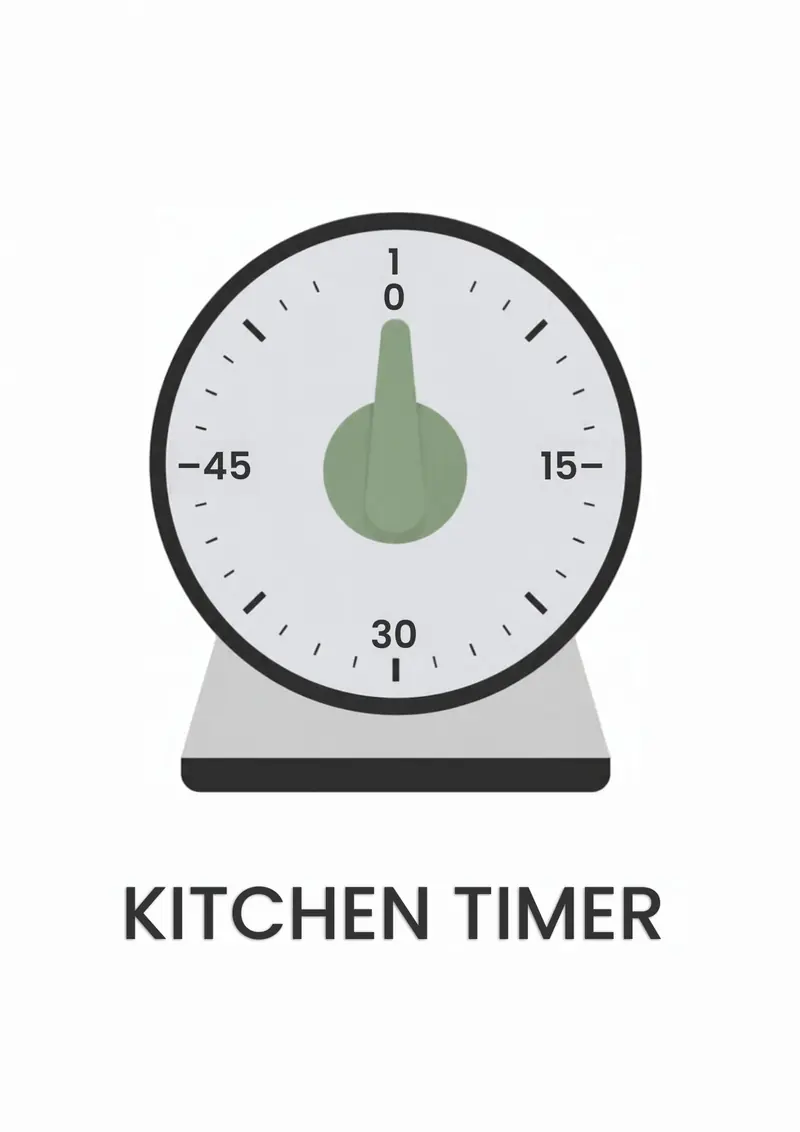 Kitchen Timer
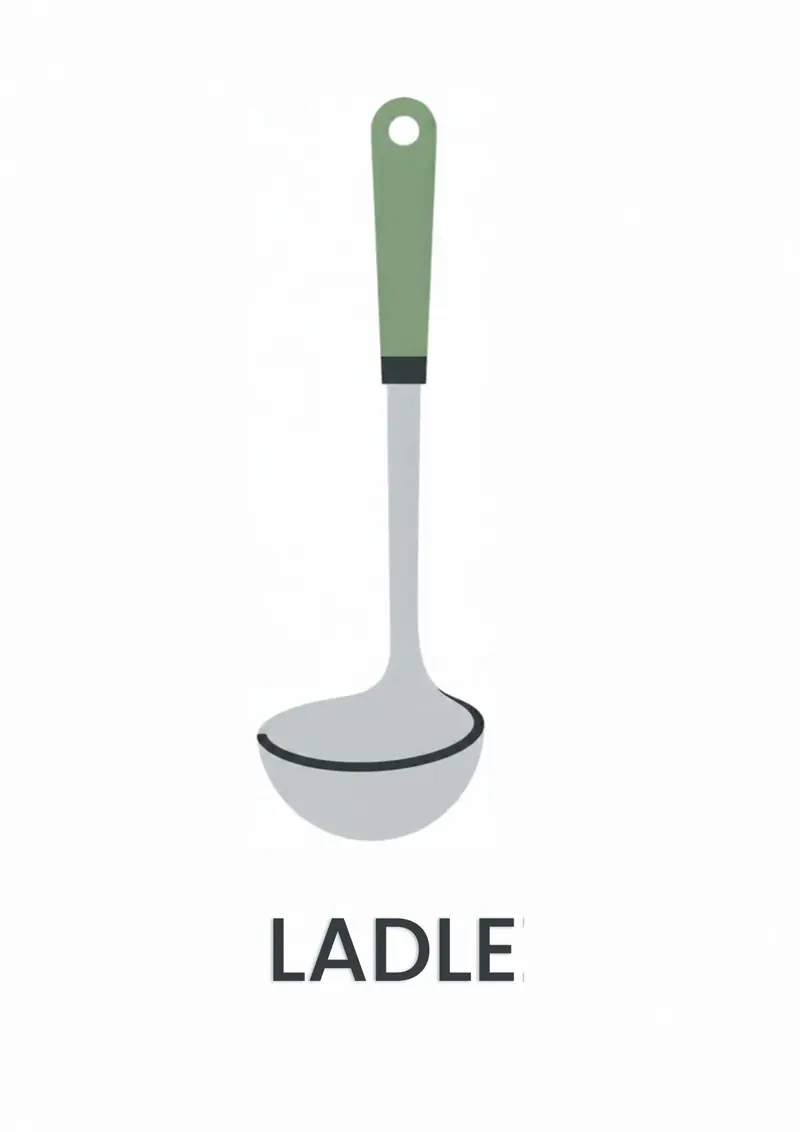 Ladle
Ladle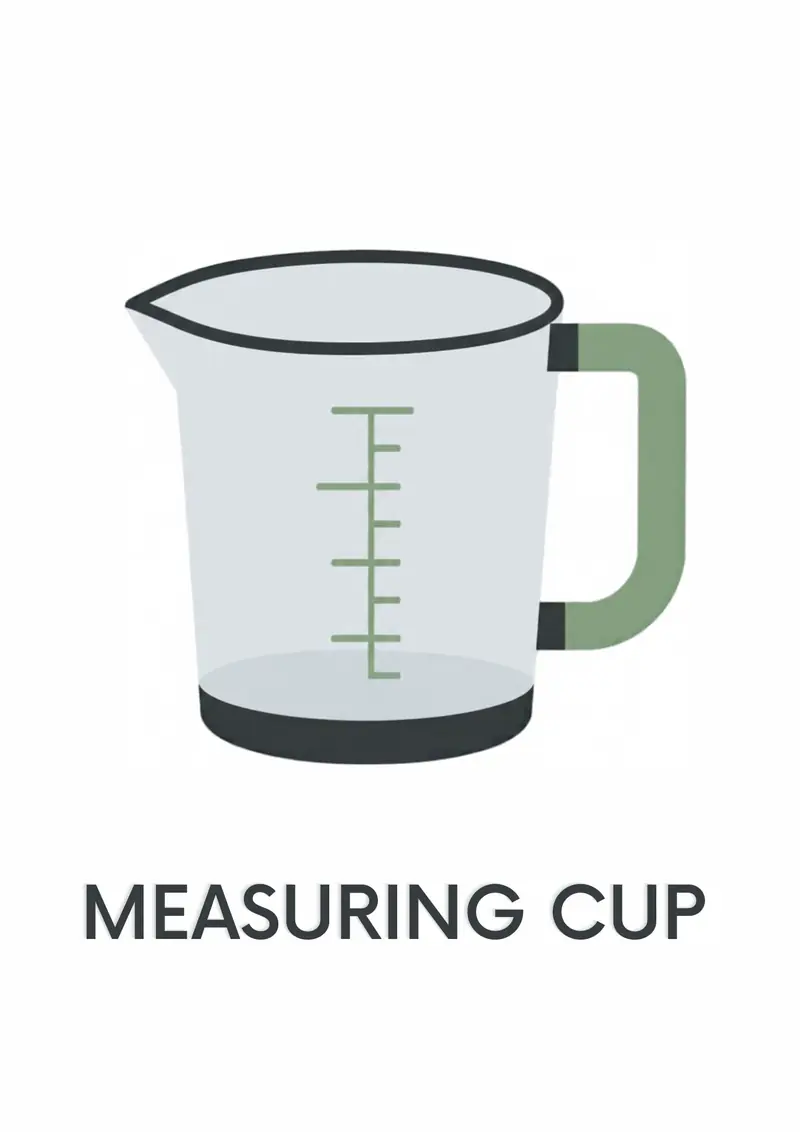 Measuring Cup
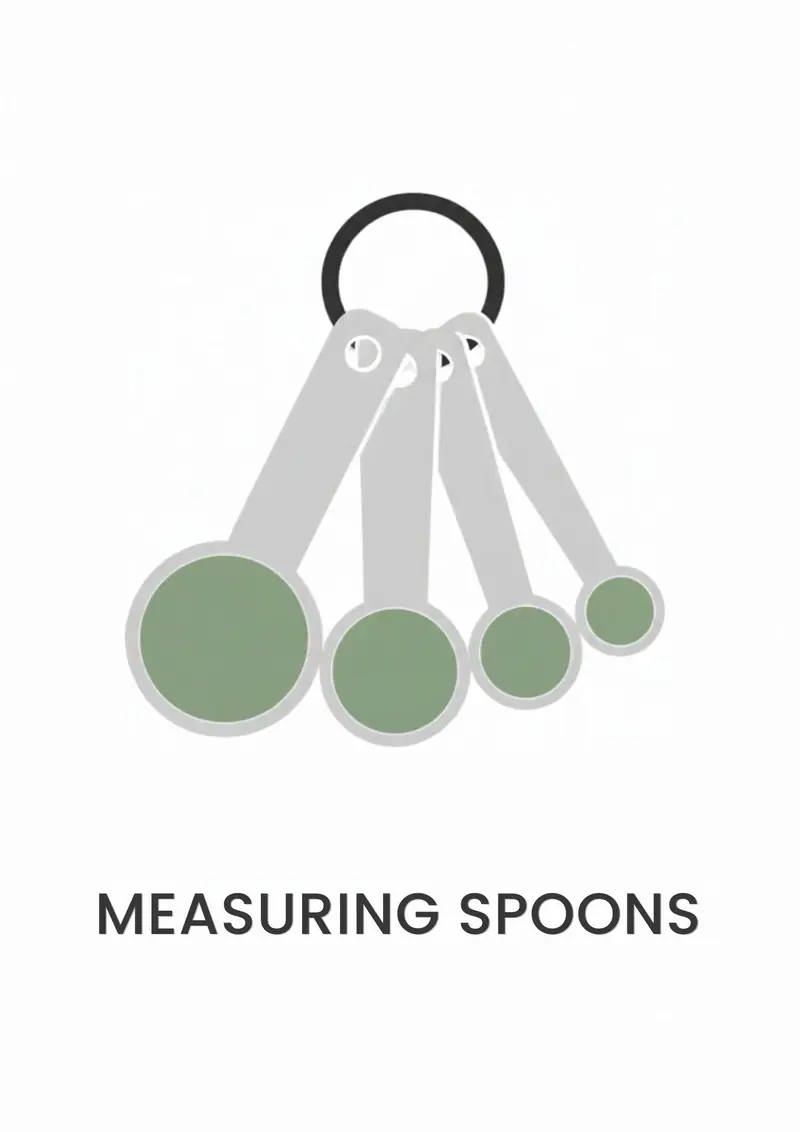 Measuring Spoons
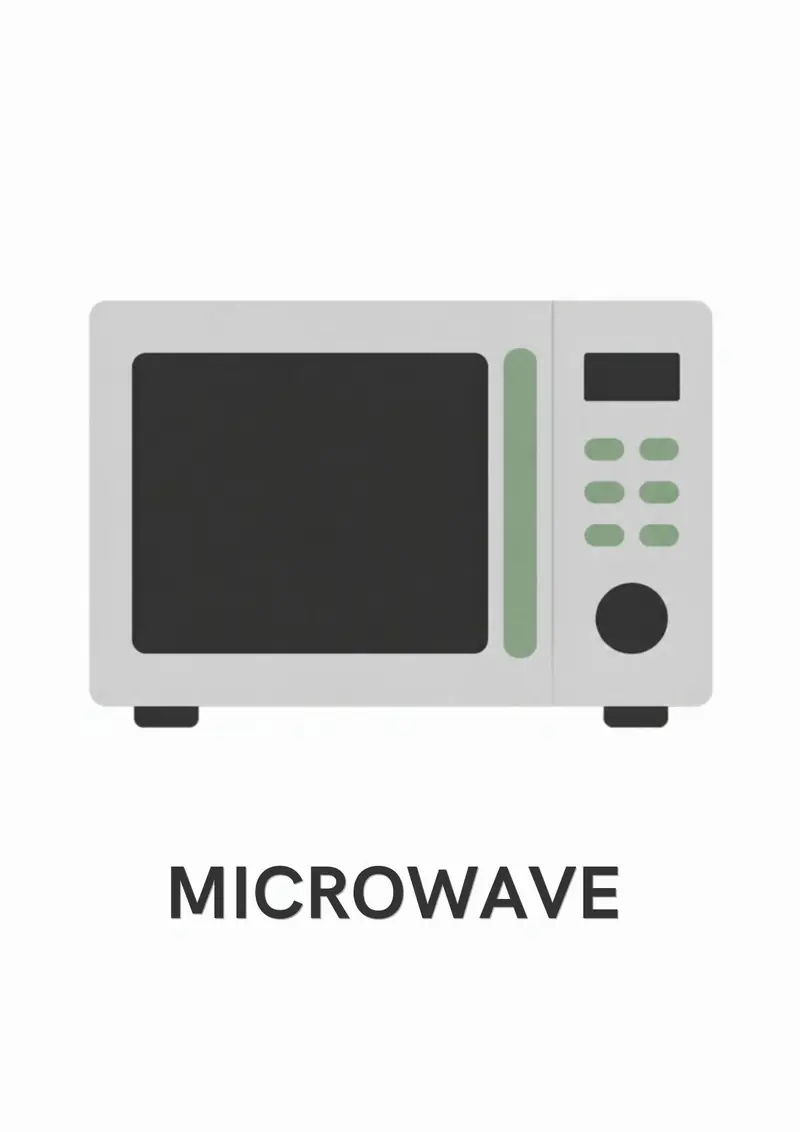 Microwave
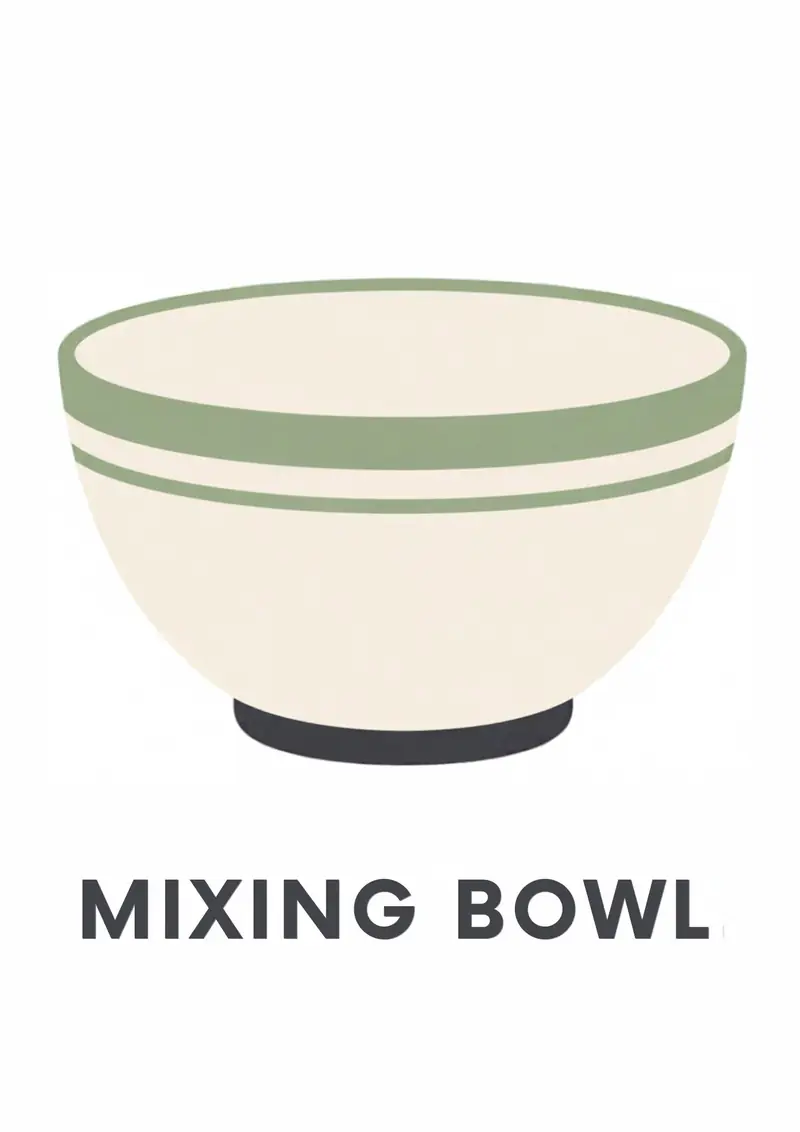 Mixing Bowl
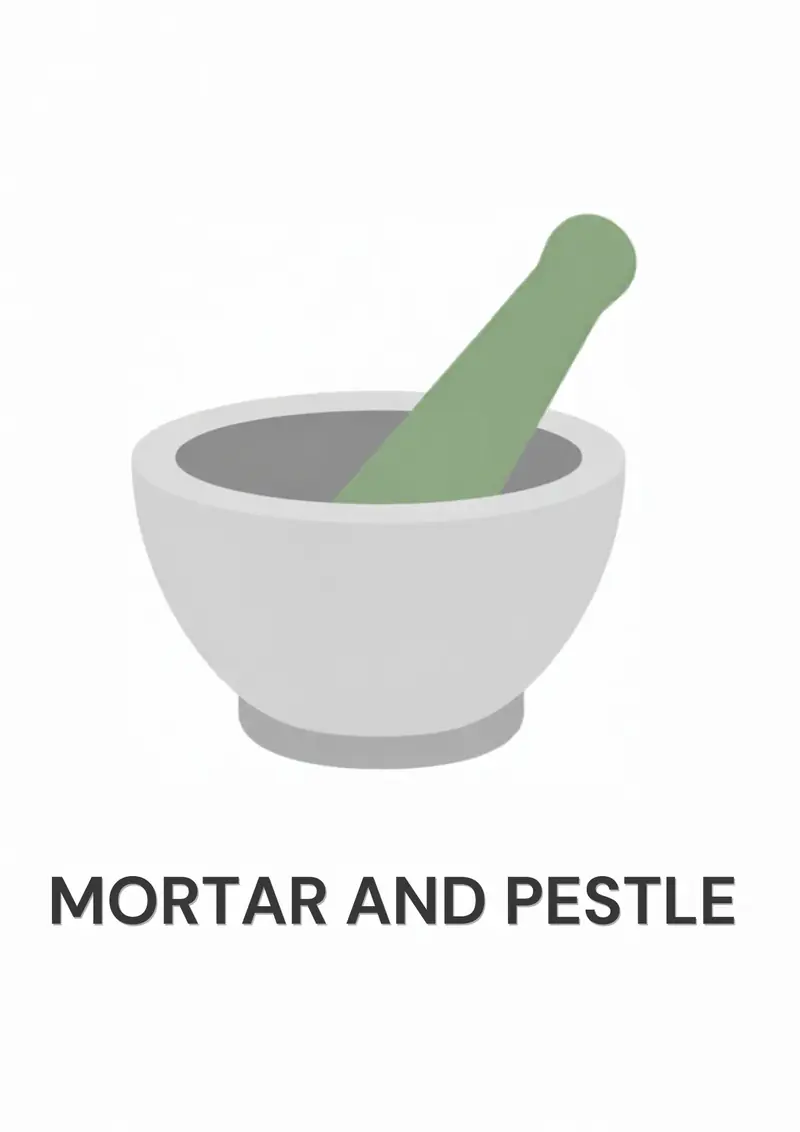 Mortar and Pestle
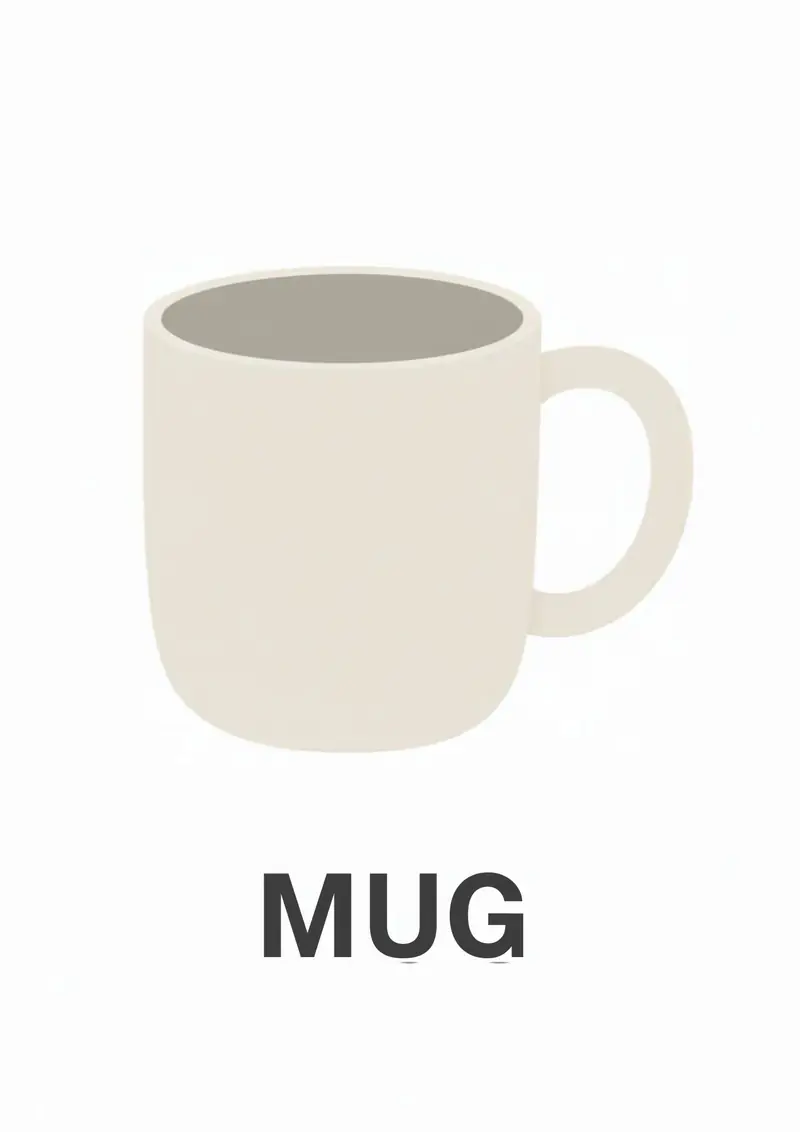 Mug
Mug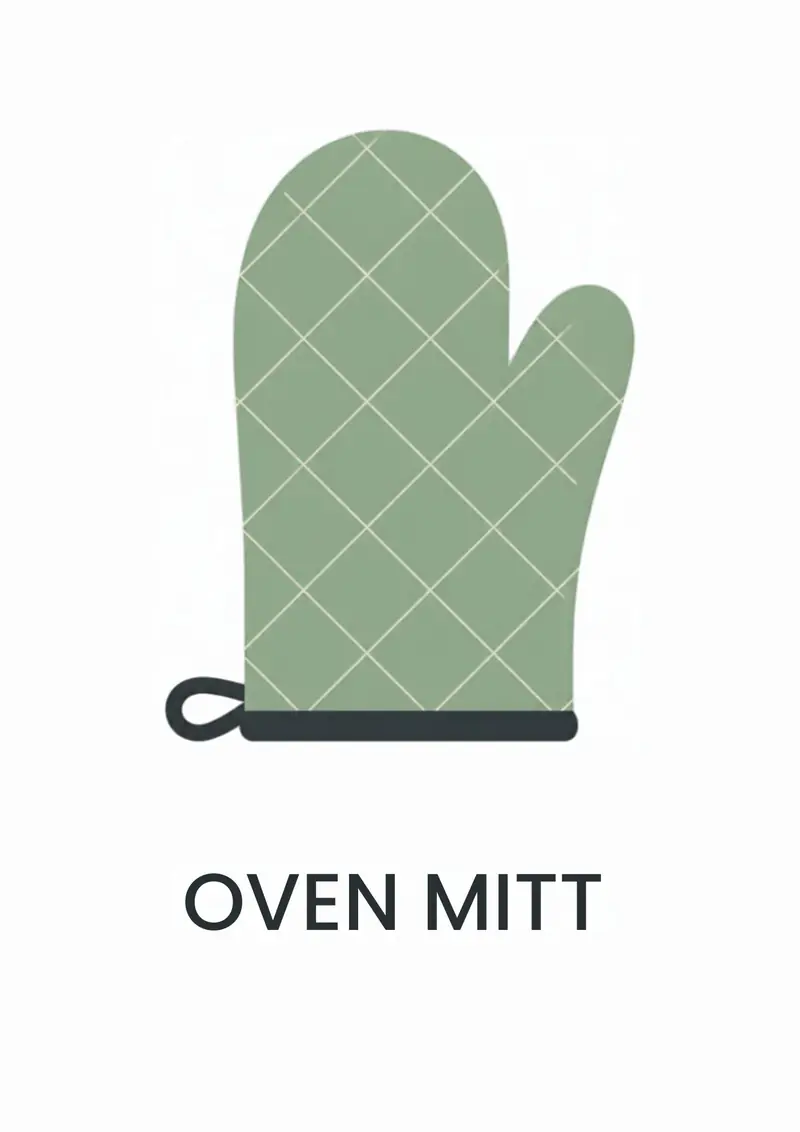 Oven Mitt
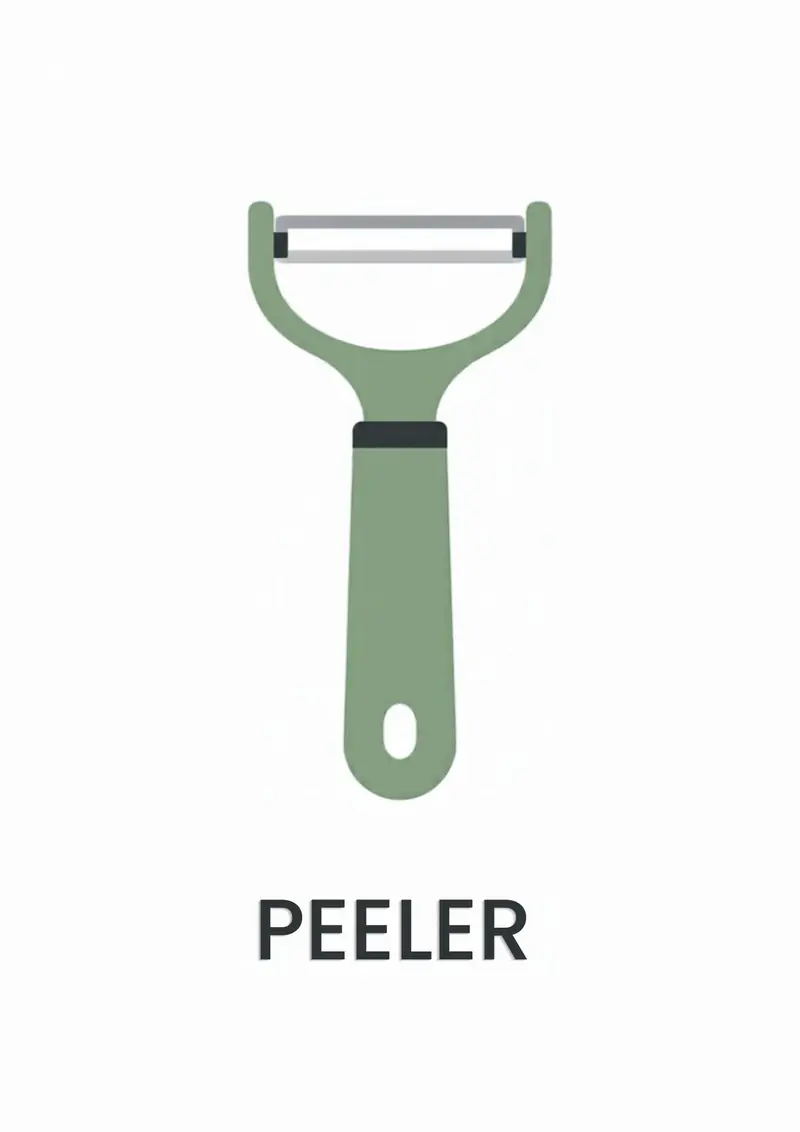 Peeler
 Plate
Plate Refrigerator
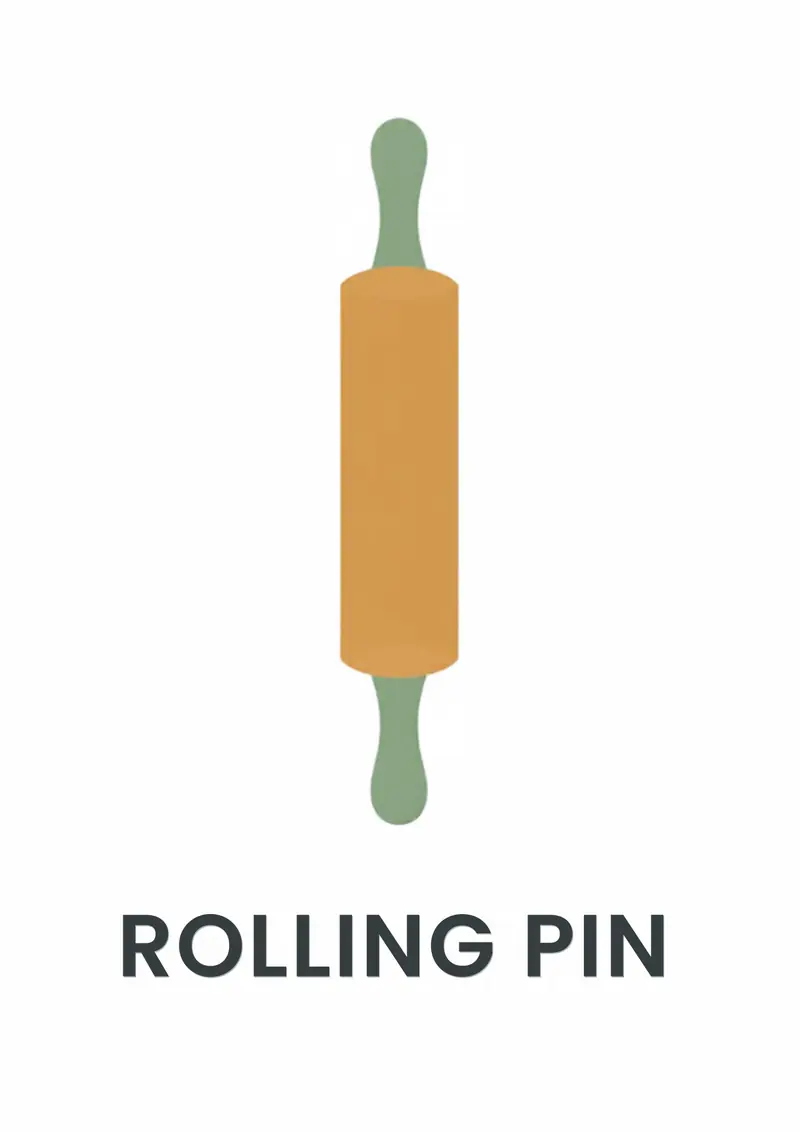 Rolling Pin
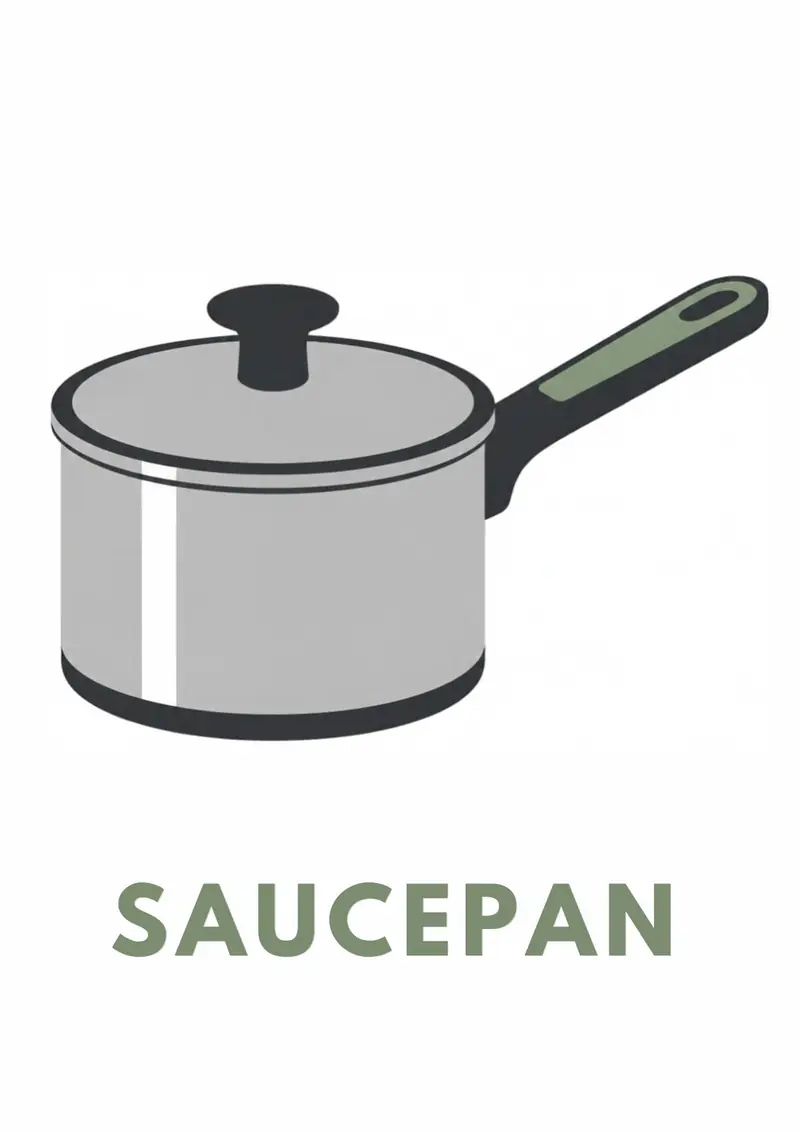 Saucepan
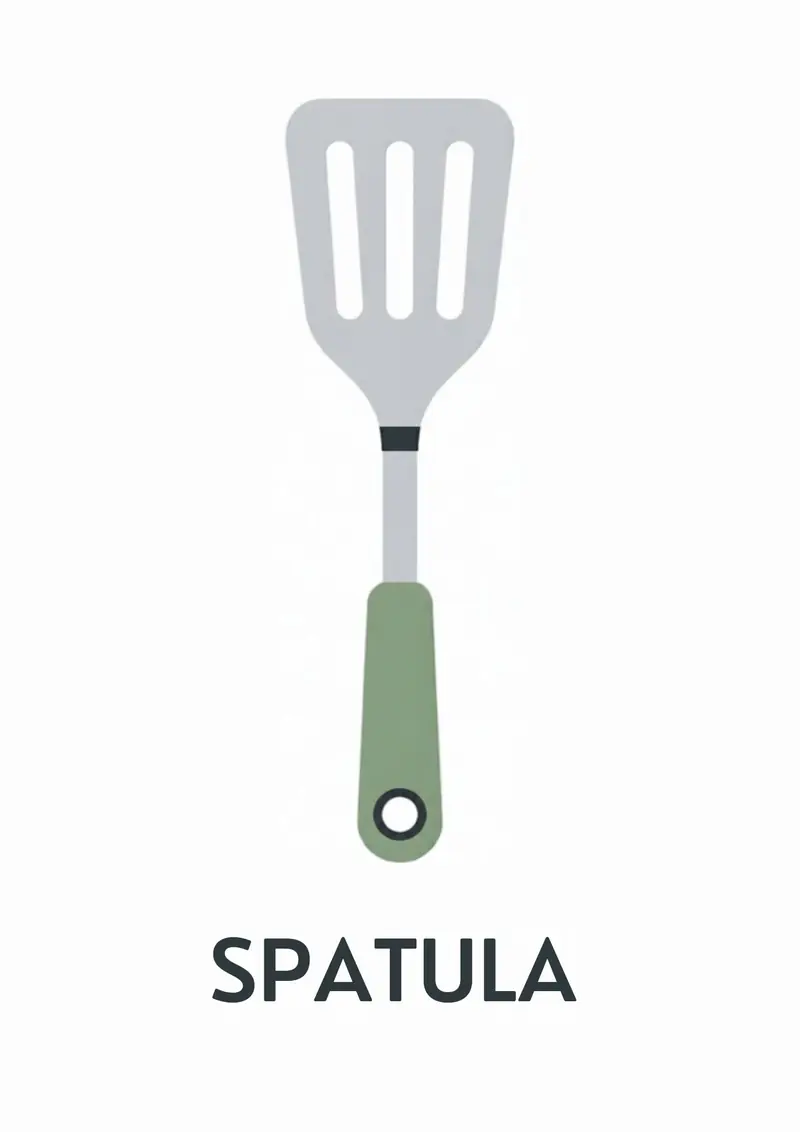 Spatula
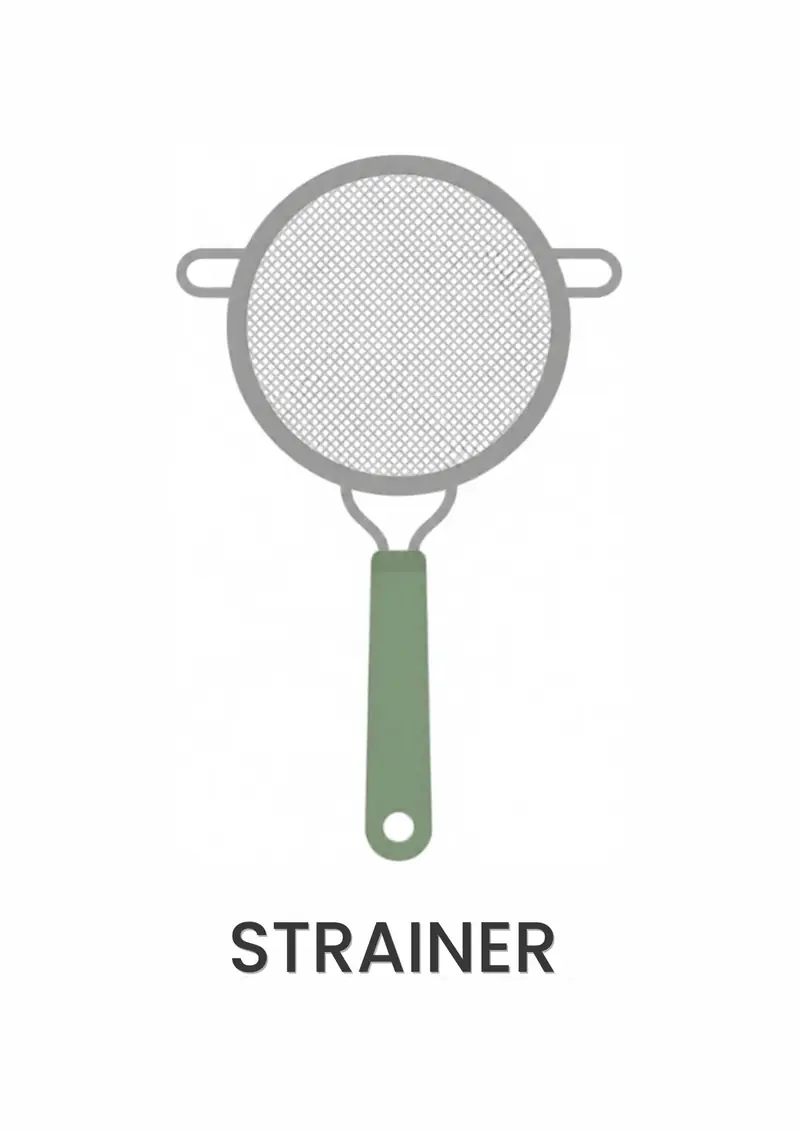 Strainer
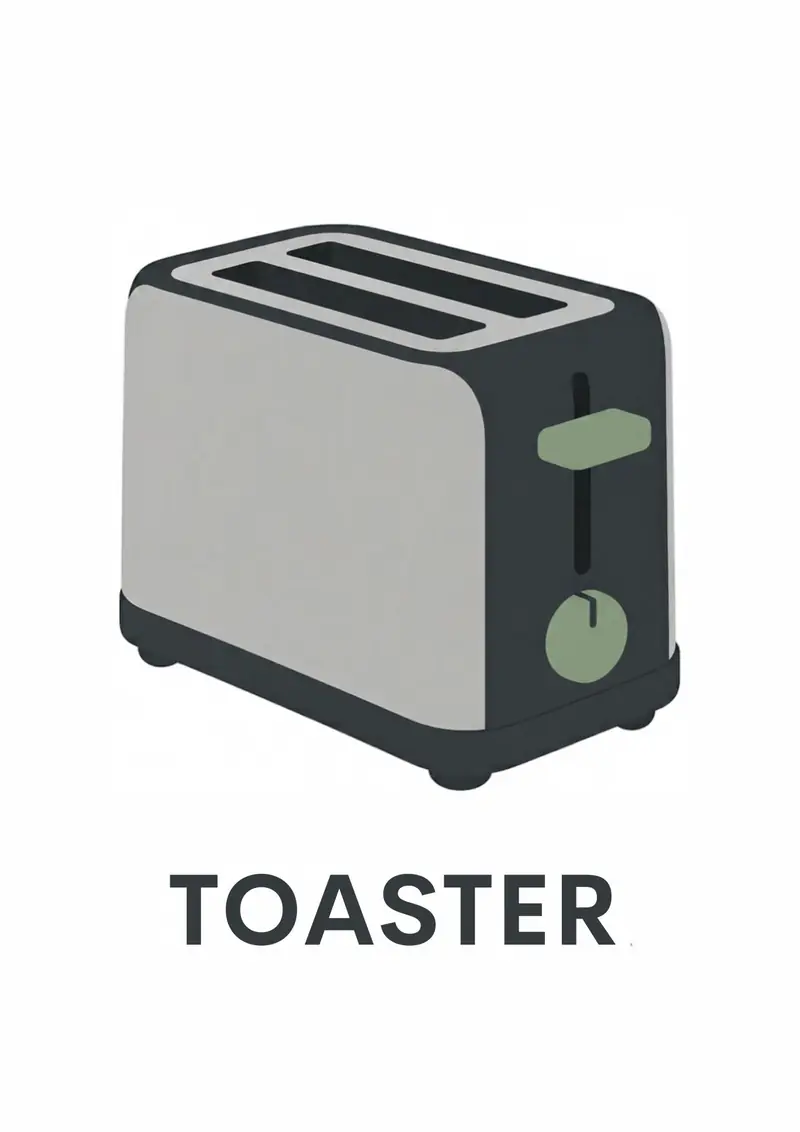 Toaster
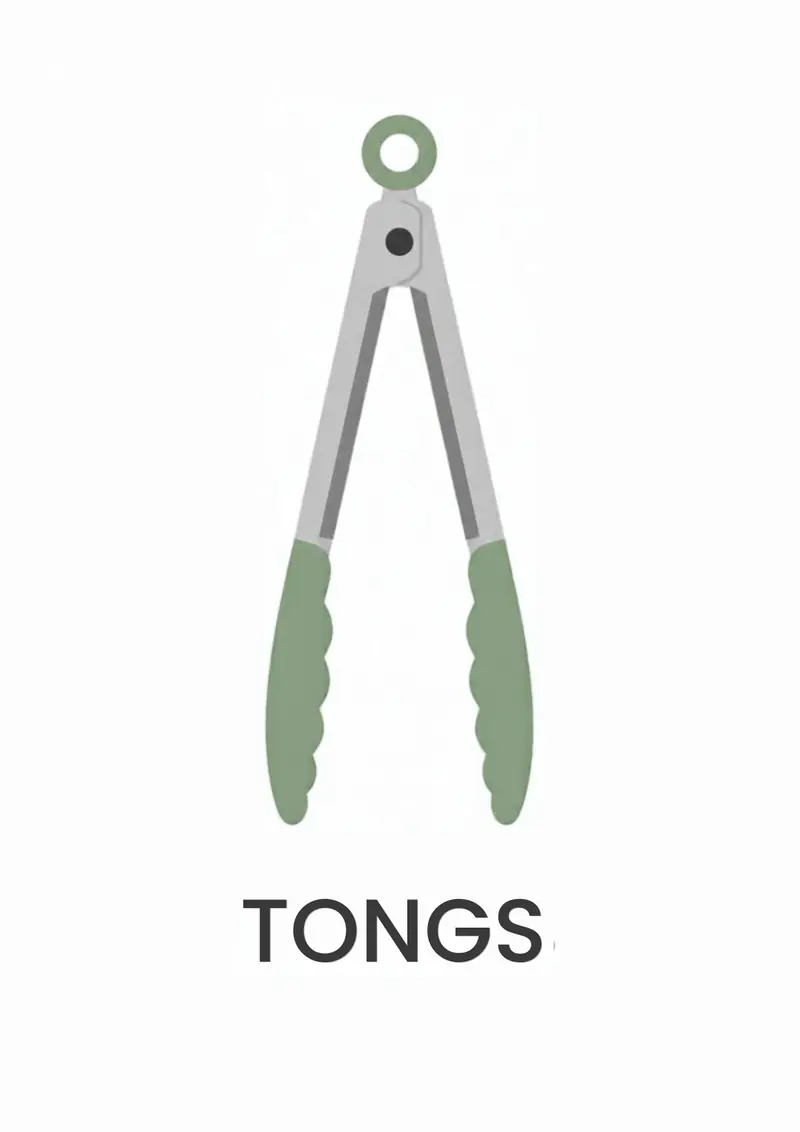 Tongs
Tongs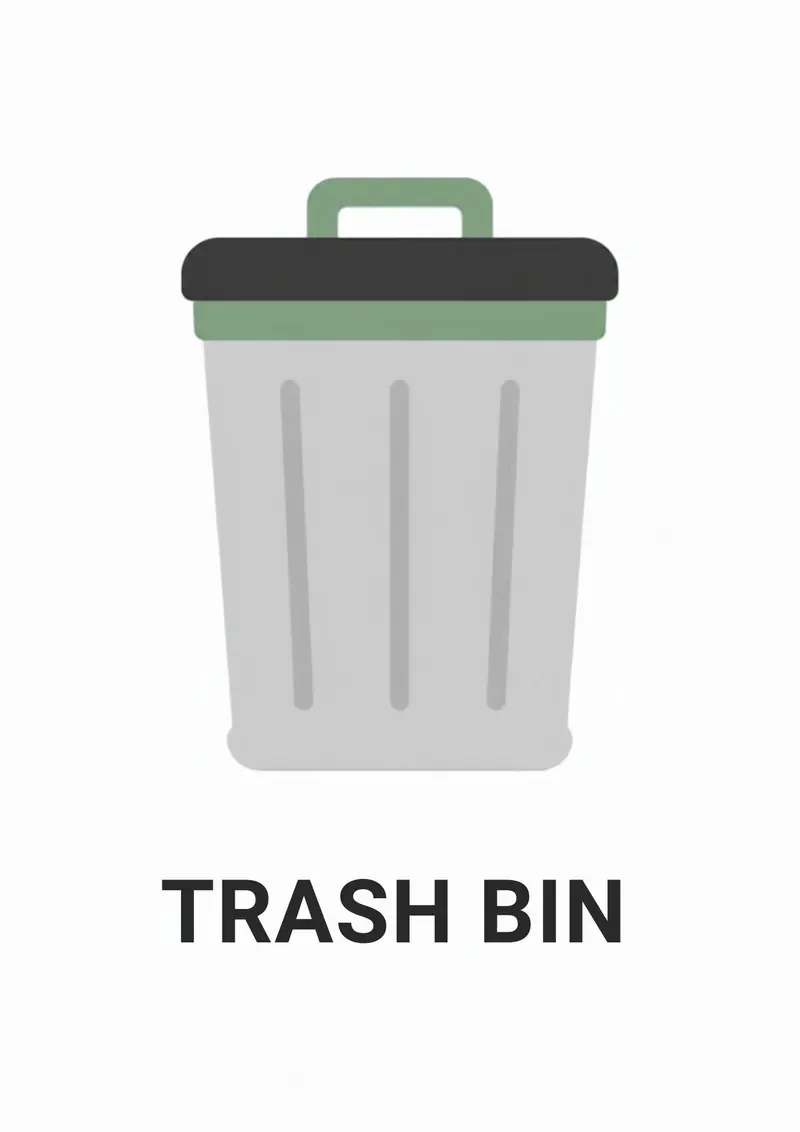 Trash Bin
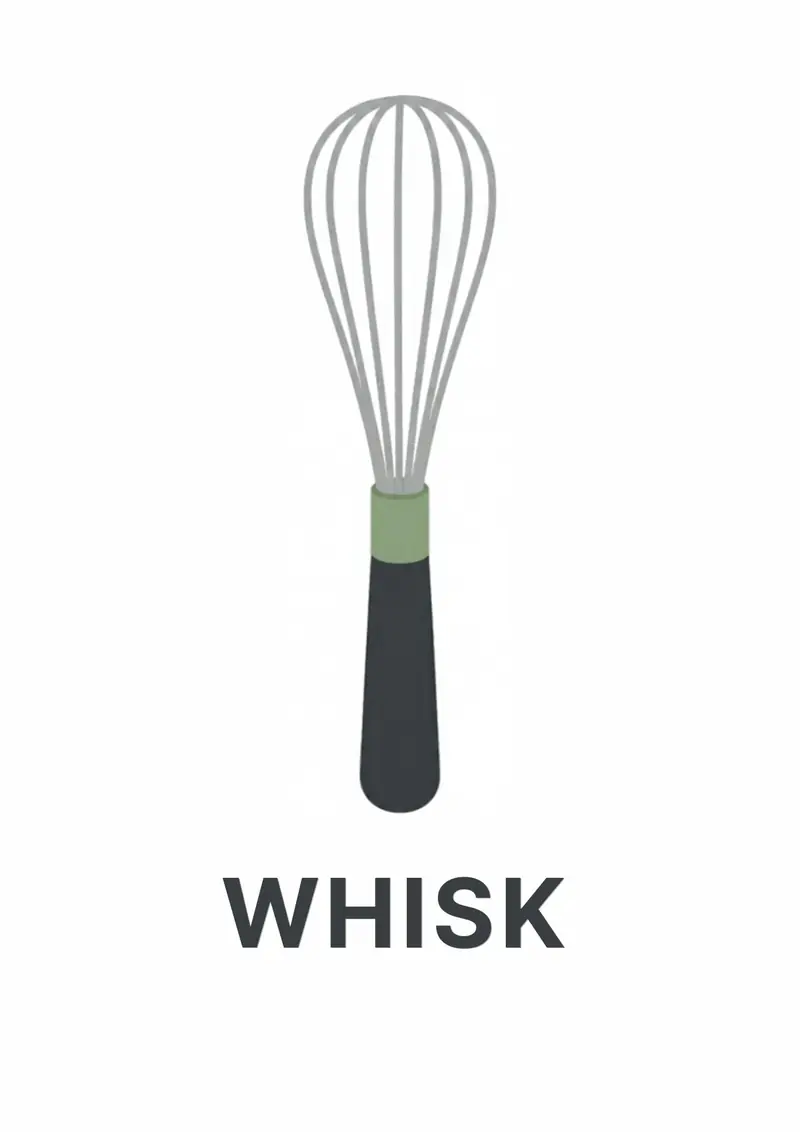 Whisk
WhiskPrint the kitchen cards.
Every lesson has a matching flashcard in the library: the original artwork as a printable card with a download button, print size and short notes for grown-ups. Pair the set with the fruits & vegetables cards for the ingredients and the life-skills cards for the hand-washing habit before the cooking starts.
Age ranges are a guide, not a test. Follow the pills, follow the recipe, follow the child — and keep the two rules louder than all of it: knives are for grown-ups, hot means don’t touch.
Prefer printed cards?
The cards from this class also live in the flashcards library — every card has its own page with the picture, the words to say together and a download button, ready for away-from-screen time.