
Classroom flashcards.
Thirty cards that name the room school happens in. Eighteen of them are the things your child sees every morning — the backpack, the desk, the whiteboard, the little clock on the wall — and twelve are the good habits every classroom runs on: listening, raising a hand, sharing, saying please and thank you, walking feet inside. Point at the card, then find the real thing; say the habit, then try it today.
Every card in the set.
Each card has its own page, and every card shows its age pill — start with the group that fits your child today.
The things a school day uses. Name the card, then find the real one in your home or classroom — the desk, the clock, the wastebasket, the crayons.
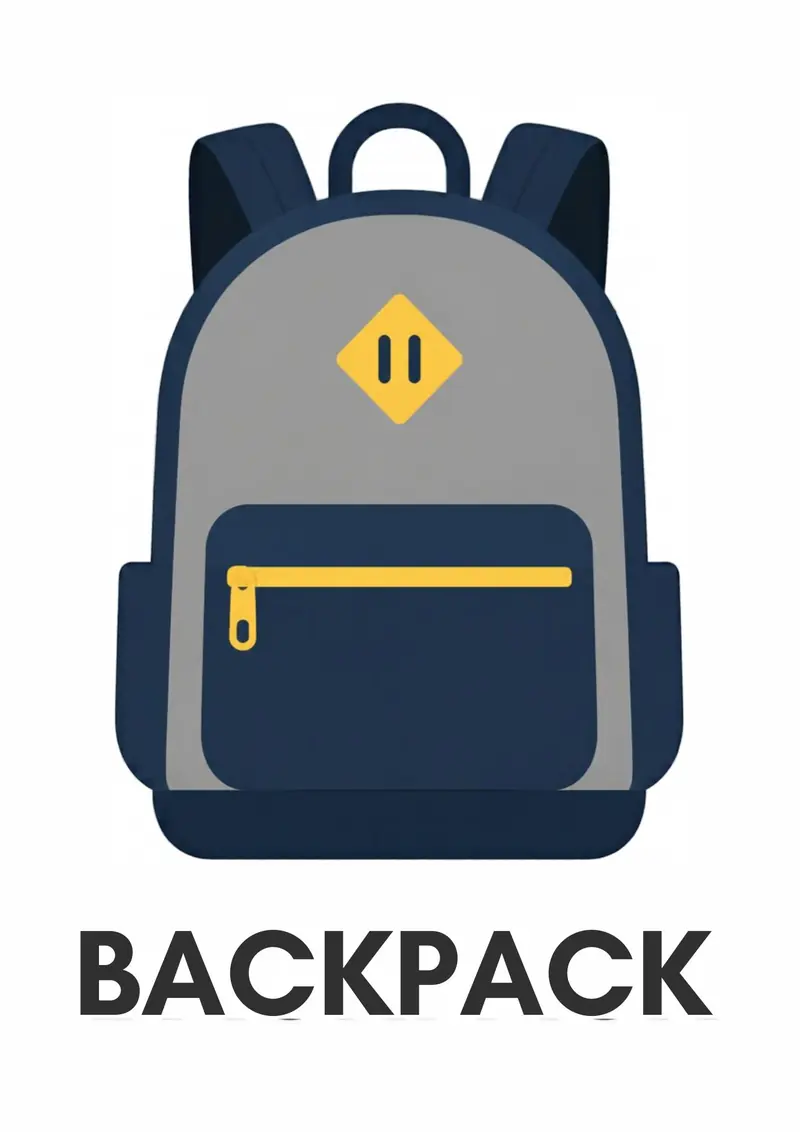 BackpackCard 1 of 30Ages 2+Classroom object
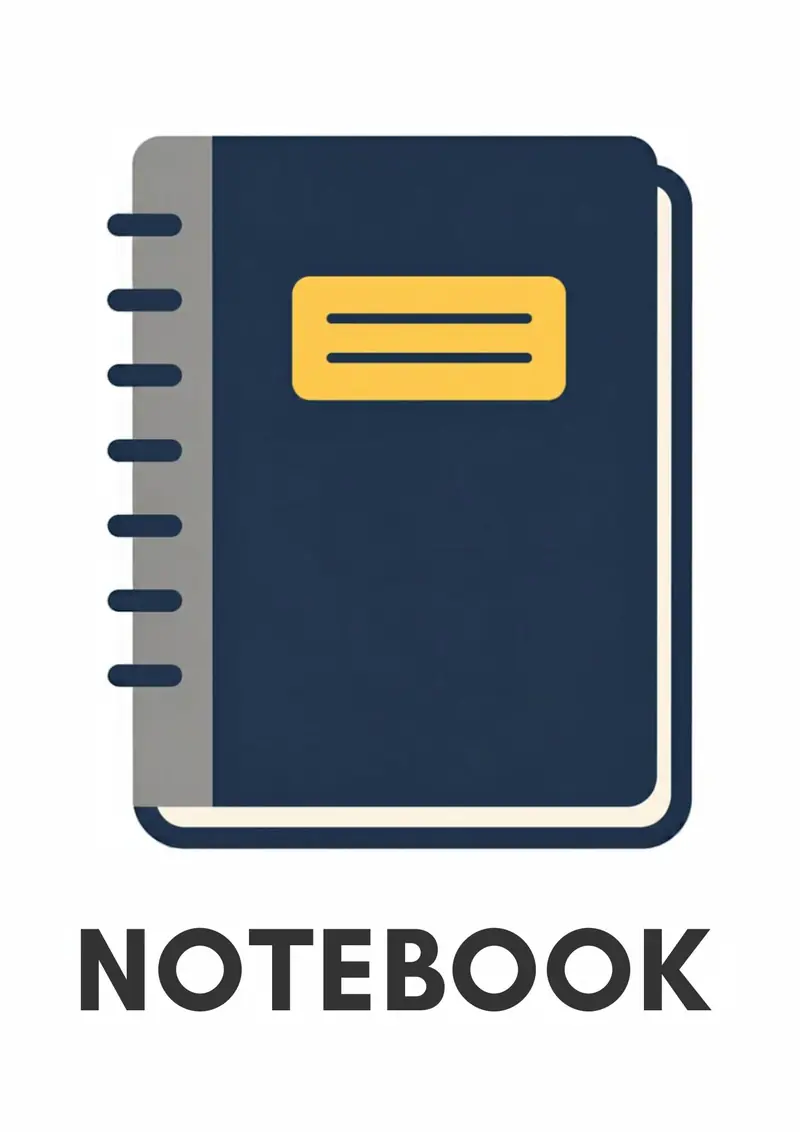 NotebookCard 2 of 30Ages 2+Classroom object
 PencilCard 3 of 30Ages 2+Classroom object
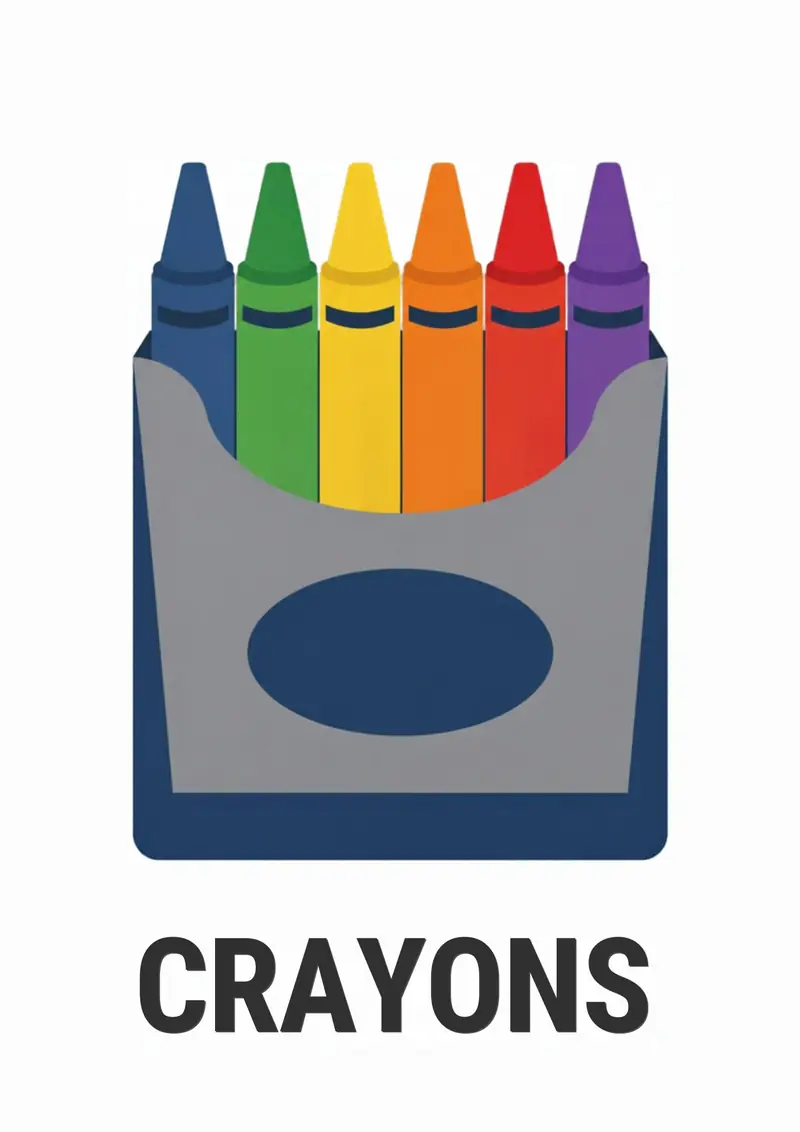 CrayonsCard 4 of 30Ages 2+Classroom object
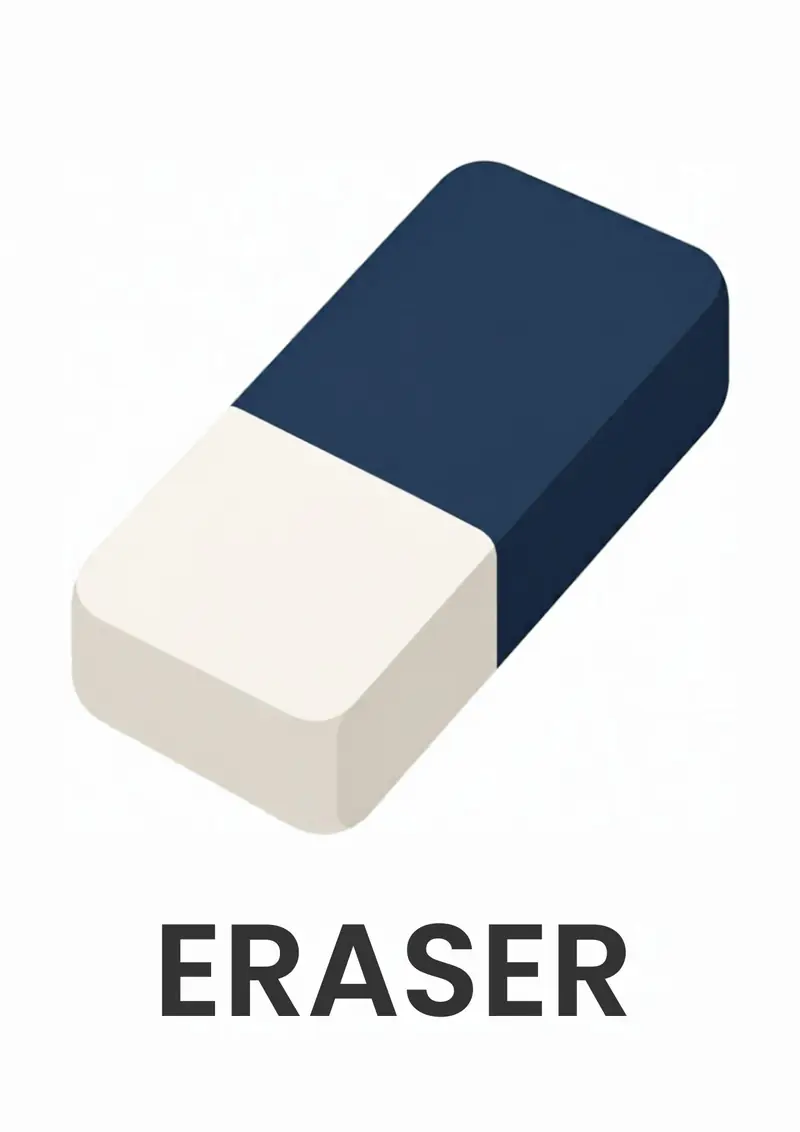 EraserCard 5 of 30Ages 2+Classroom object
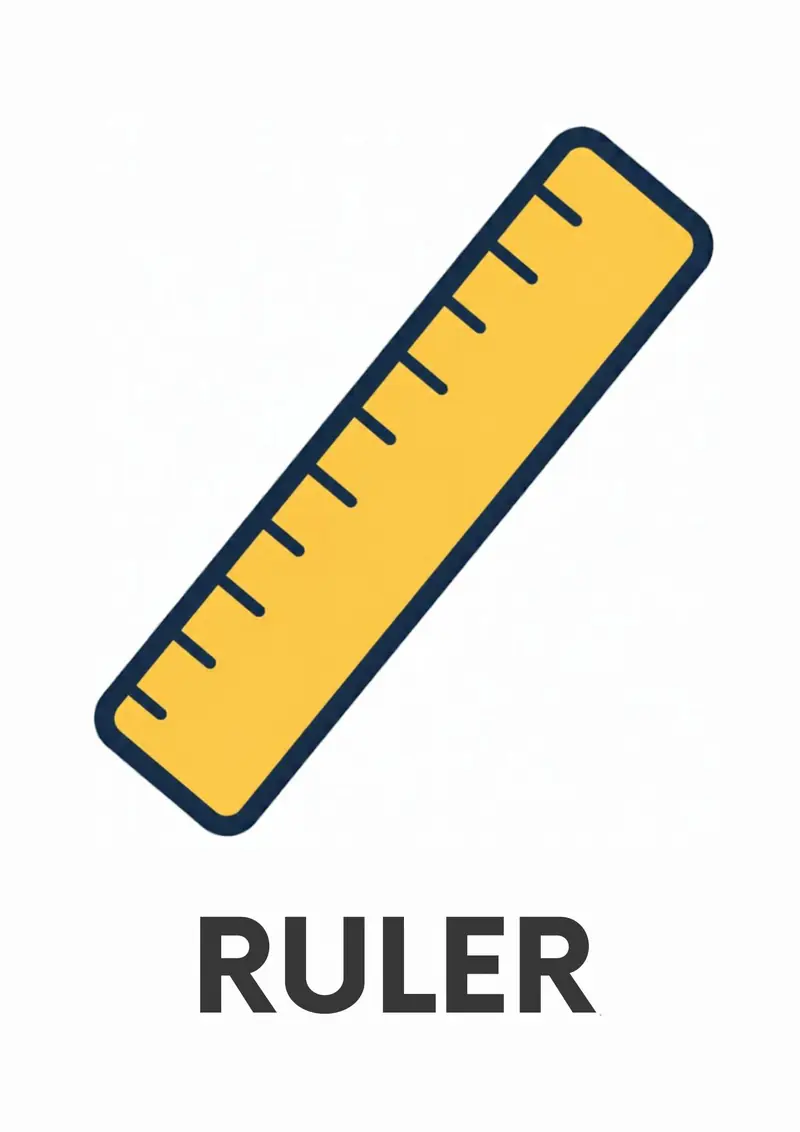 RulerCard 6 of 30Ages 2+Classroom object
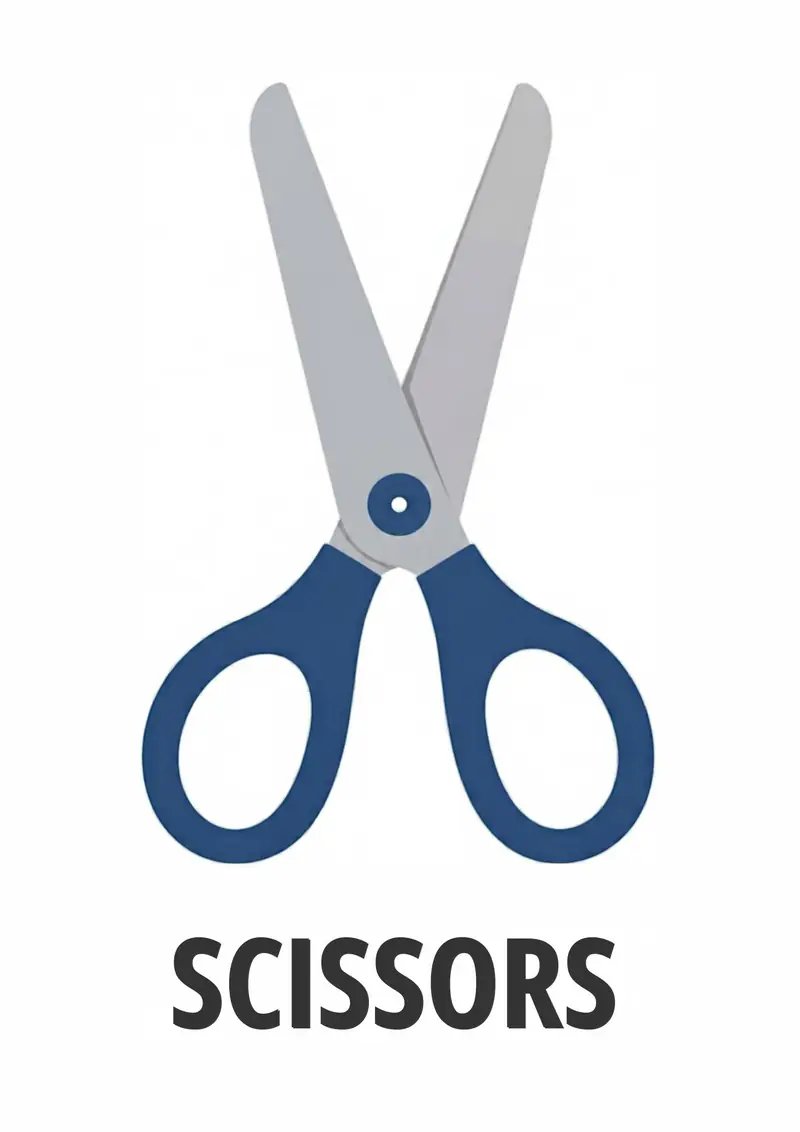 ScissorsCard 7 of 30Ages 3+Classroom object
 GlueCard 8 of 30Ages 3+Classroom object
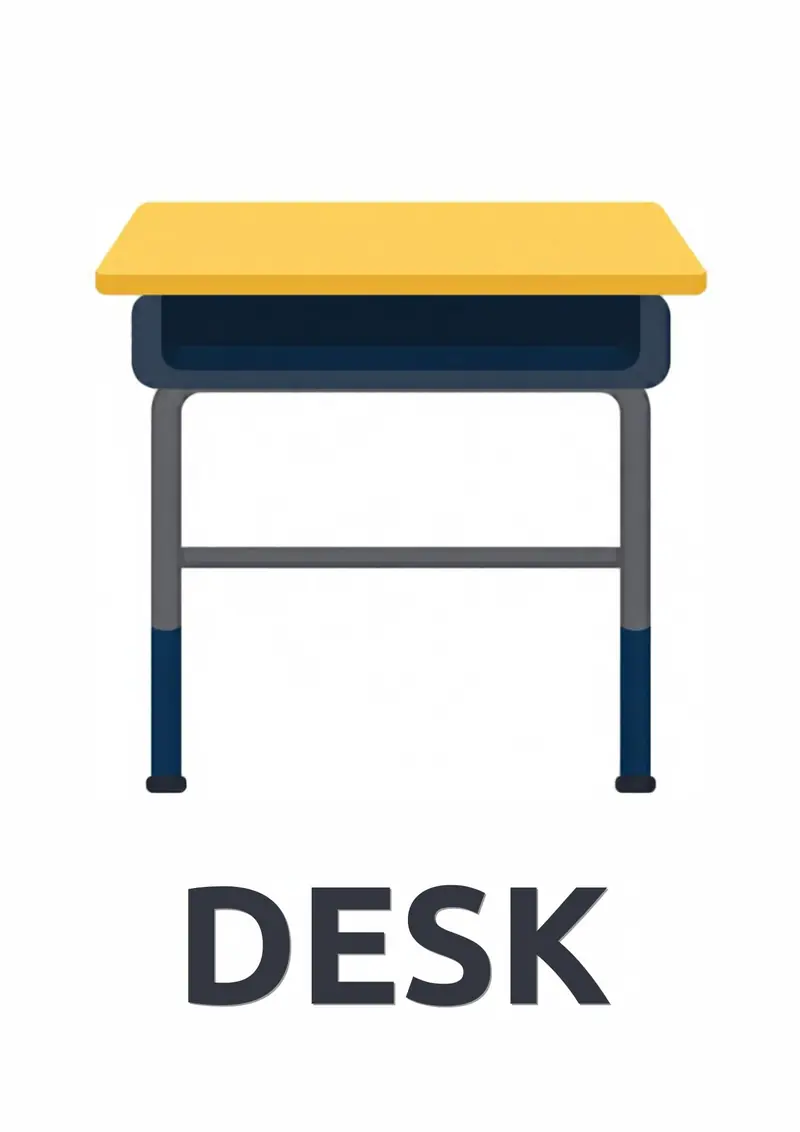 DeskCard 9 of 30Ages 2+Classroom object
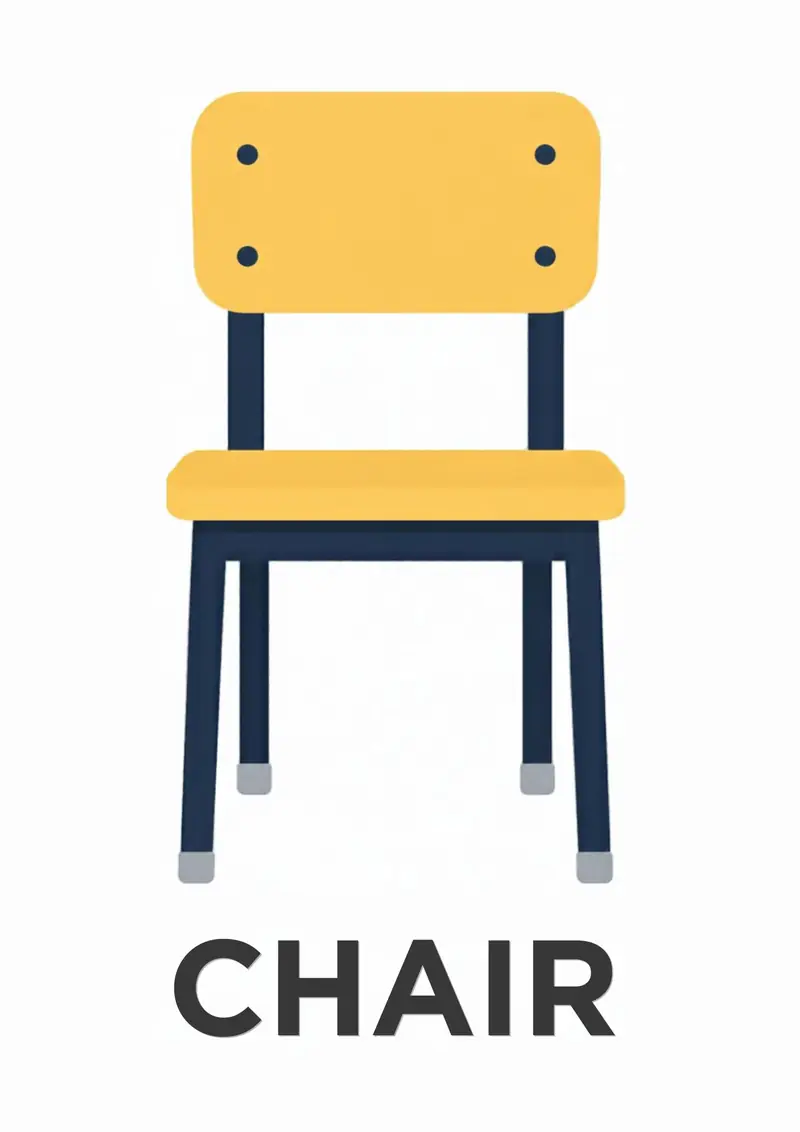 ChairCard 10 of 30Ages 2+Classroom object
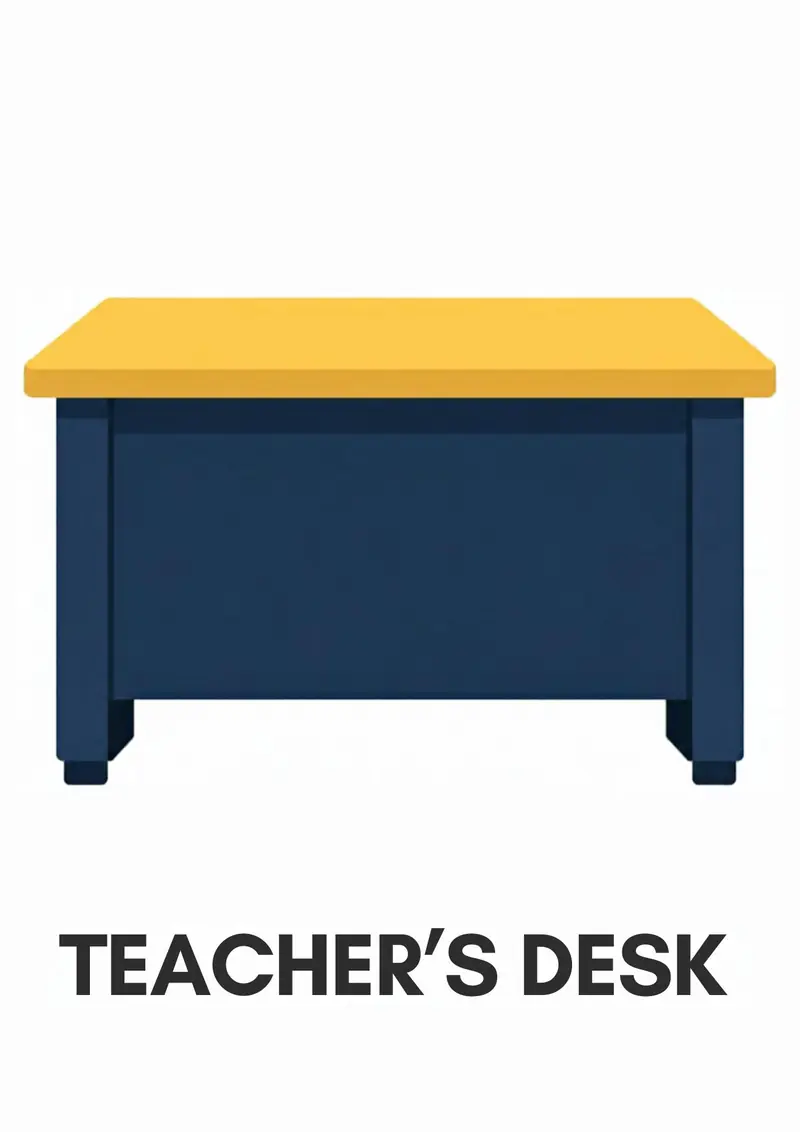 Teacher’s DeskCard 11 of 30Ages 3+Classroom object
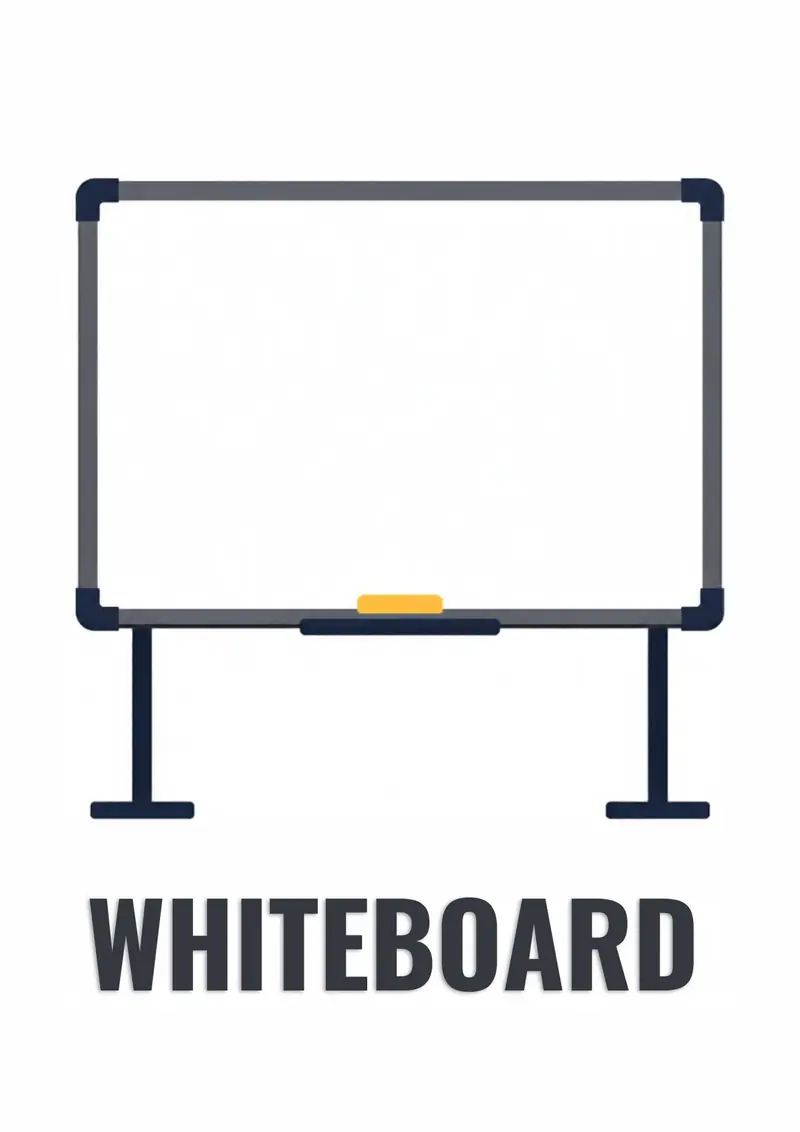 WhiteboardCard 12 of 30Ages 3+Classroom object
 BookshelfCard 13 of 30Ages 2+Classroom object
 GlobeCard 14 of 30Ages 3+Classroom object
 MapCard 15 of 30Ages 3+Classroom object
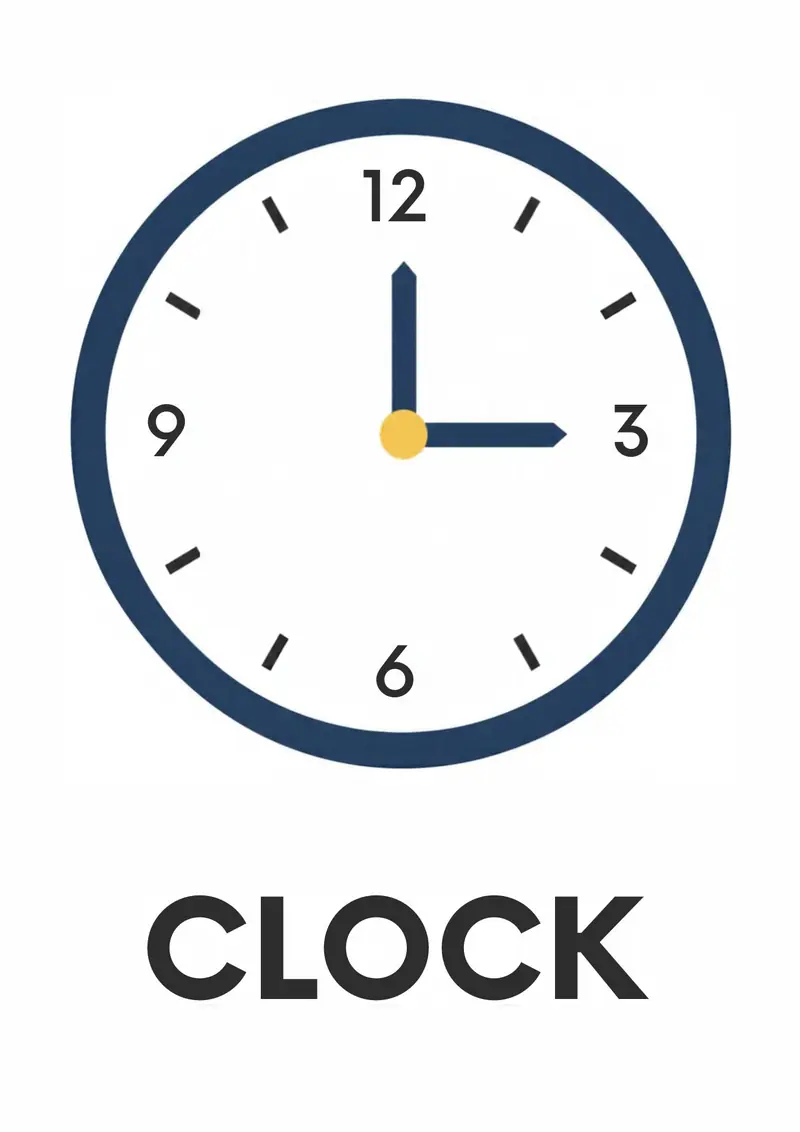 ClockCard 16 of 30Ages 3+Classroom object
 ComputerCard 17 of 30Ages 3+Classroom object
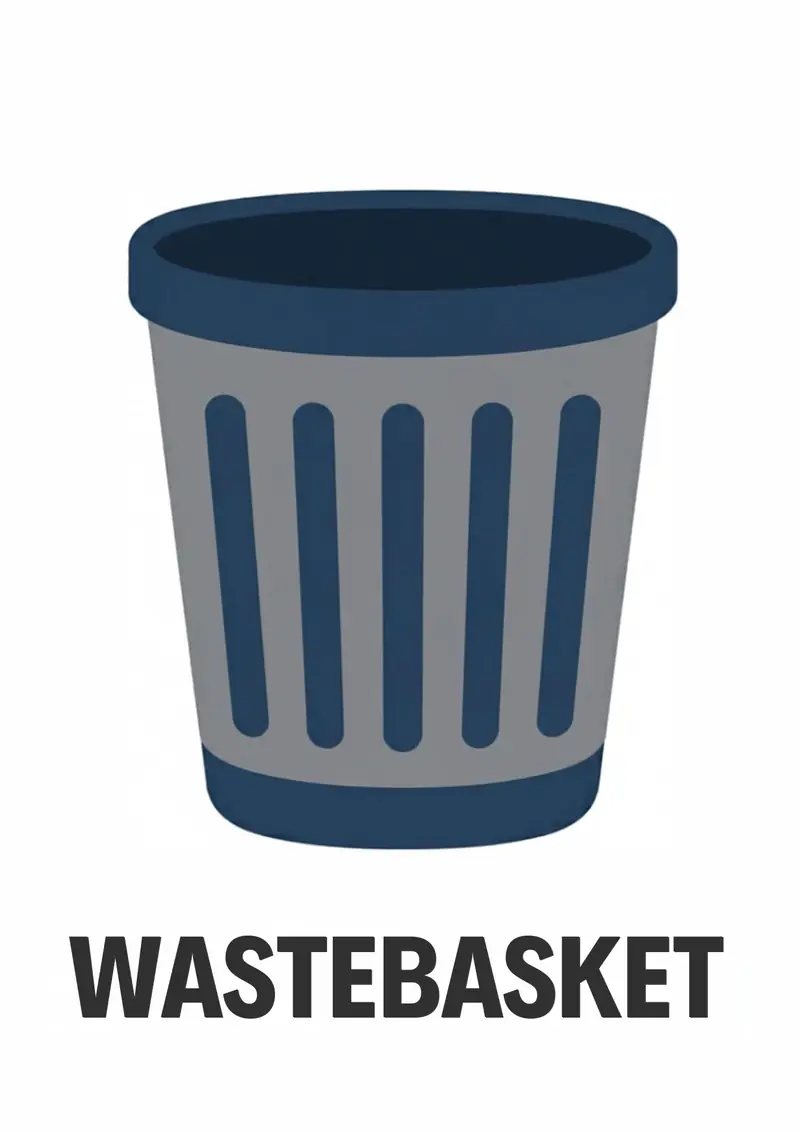 WastebasketCard 18 of 30Ages 2+Classroom object
The rules, phrased as things to do. Pick one card a week, act it out together, and praise it loudly whenever you catch your child doing it for real.
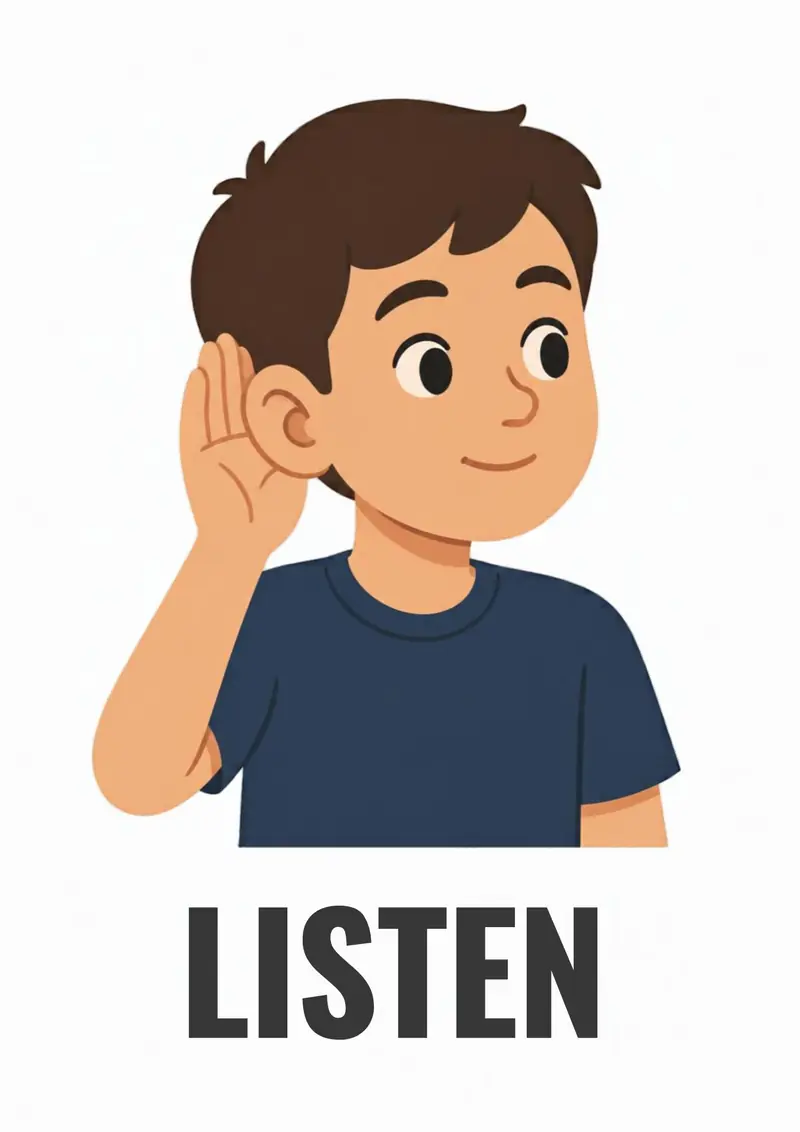 ListenCard 19 of 30Ages 3+Good habit
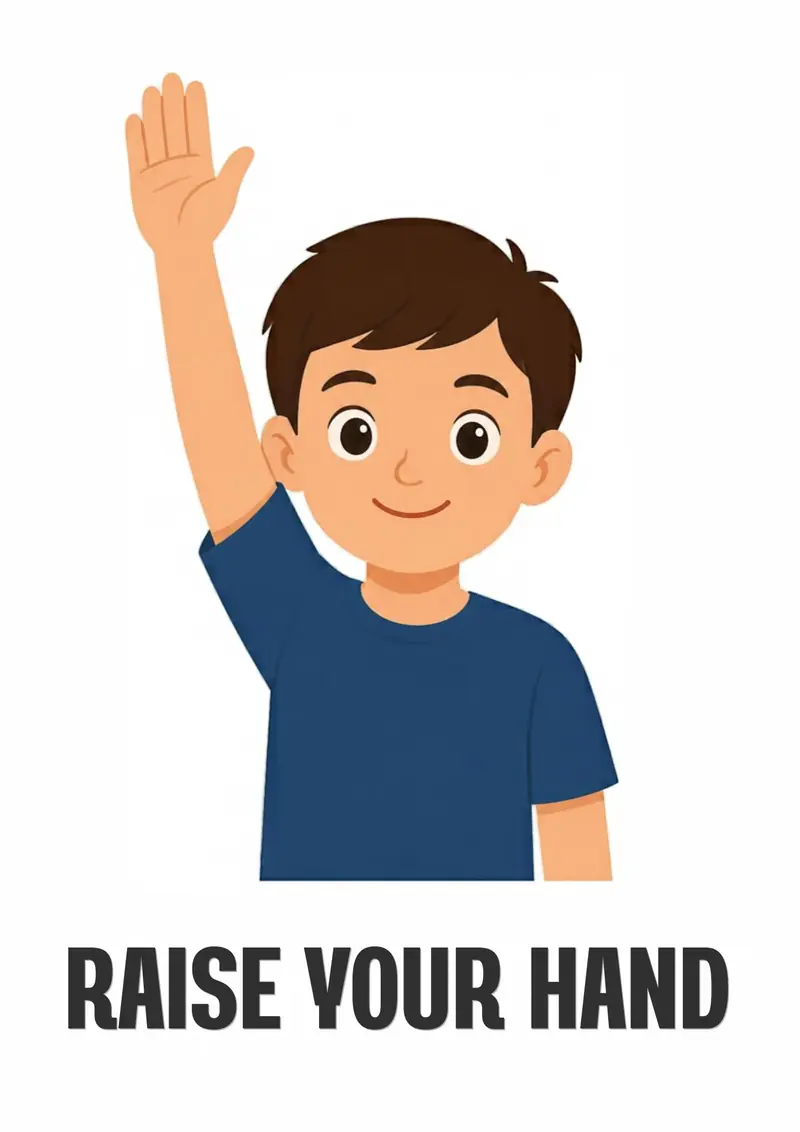 Raise Your HandCard 20 of 30Ages 3+Good habit
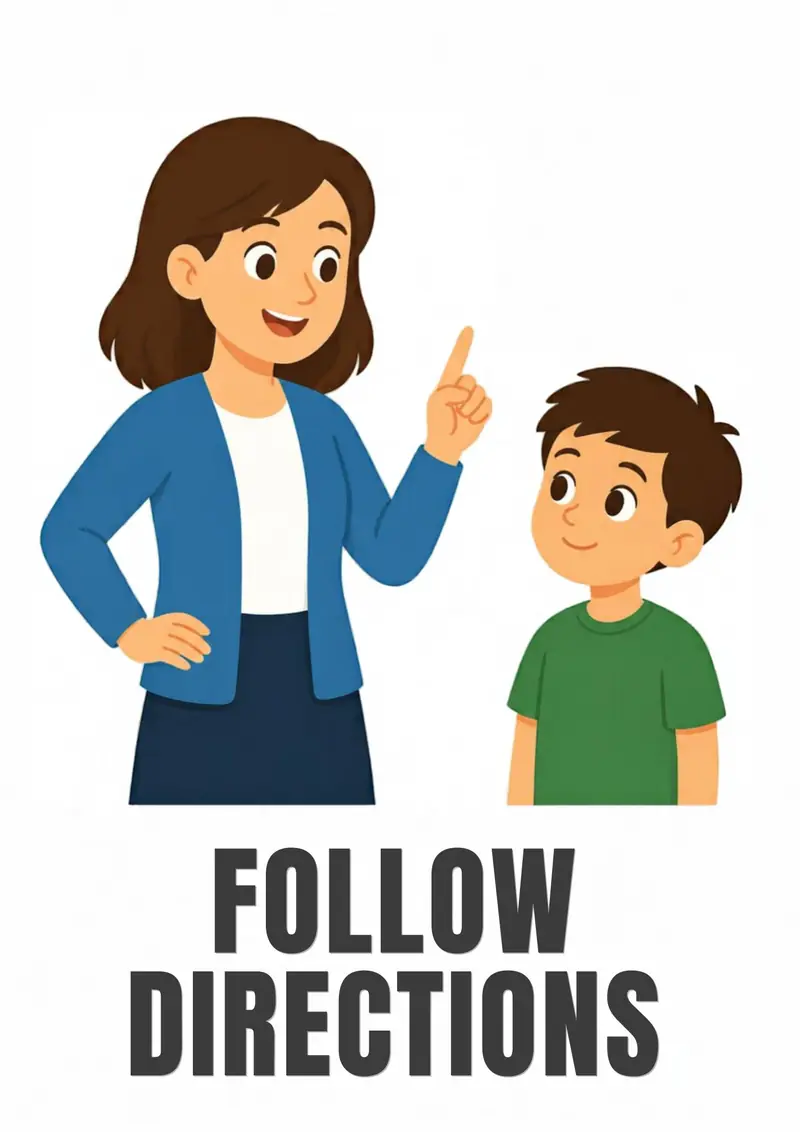 Follow DirectionsCard 21 of 30Ages 3+Good habit
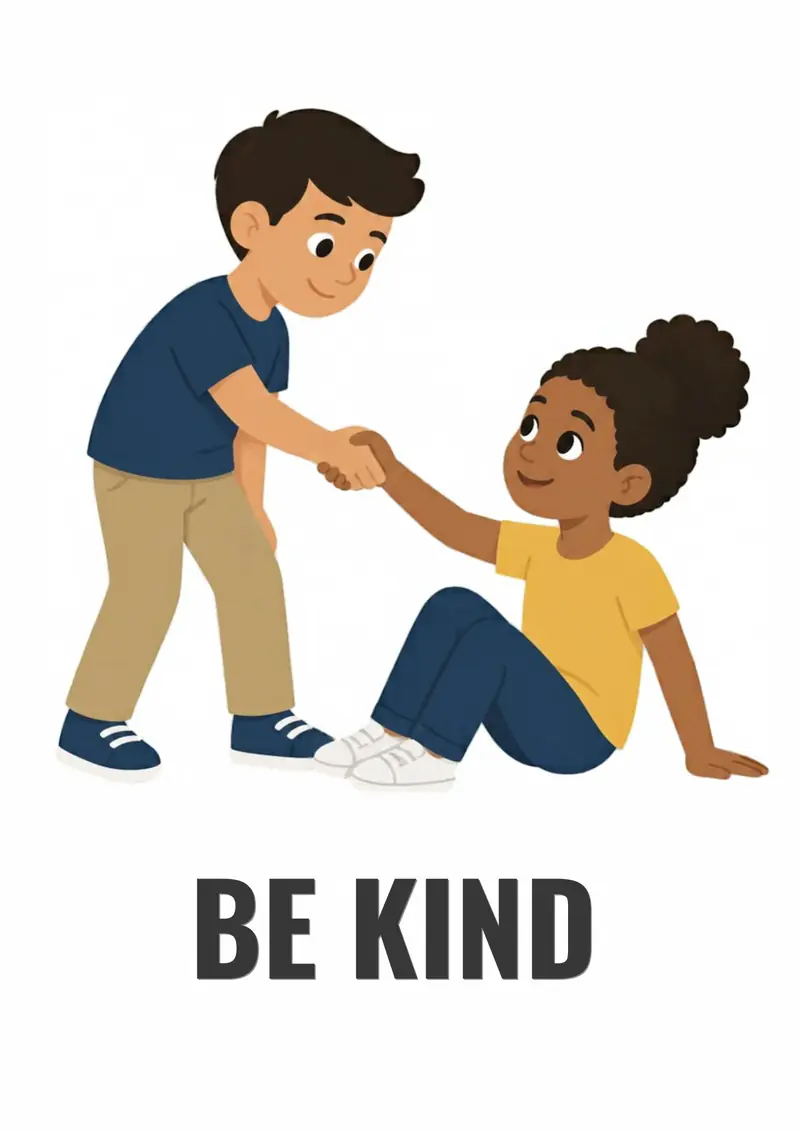 Be KindCard 22 of 30Ages 3+Good habit
 ShareCard 23 of 30Ages 3+Good habit
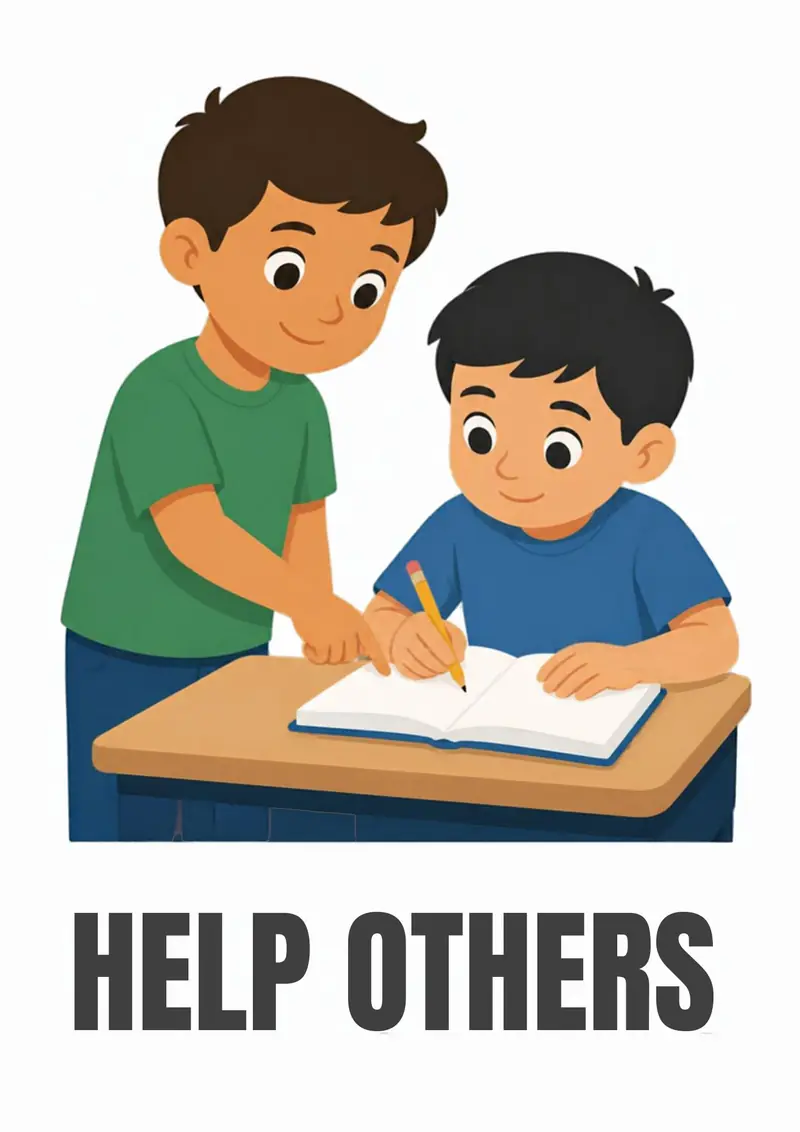 Help OthersCard 24 of 30Ages 3+Good habit
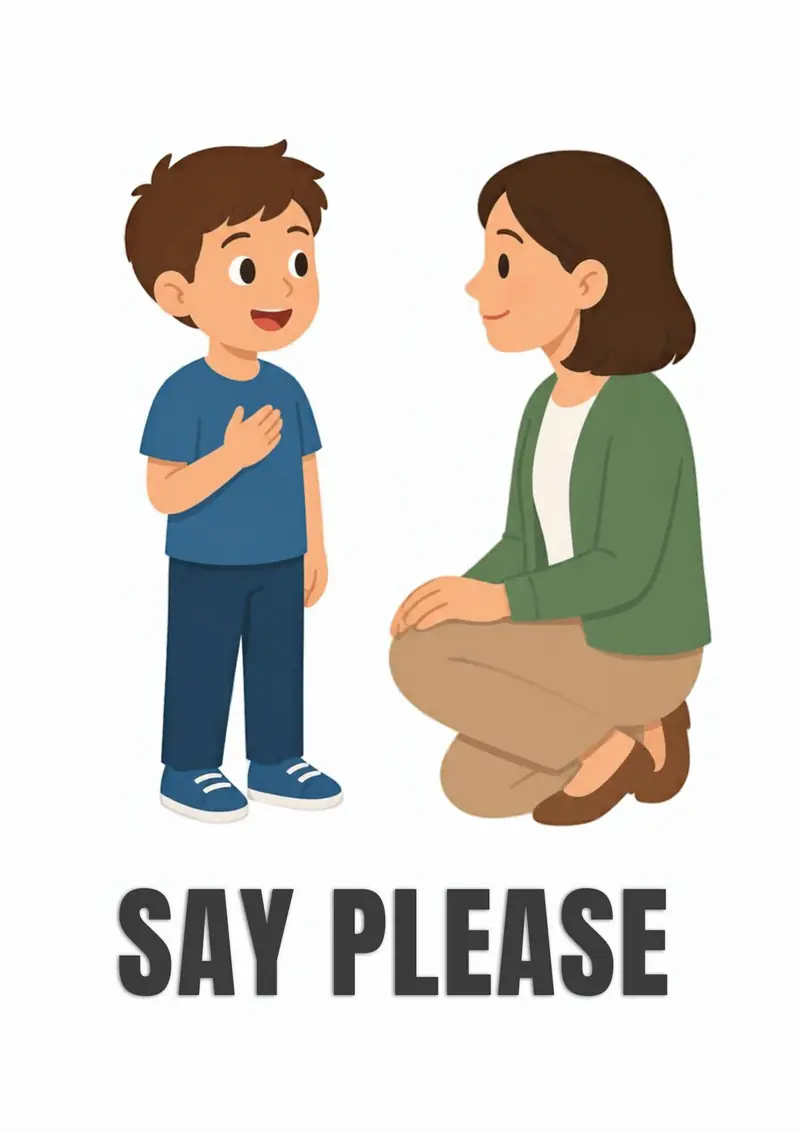 Say PleaseCard 25 of 30Ages 3+Good habit
 Say Thank YouCard 26 of 30Ages 3+Good habit
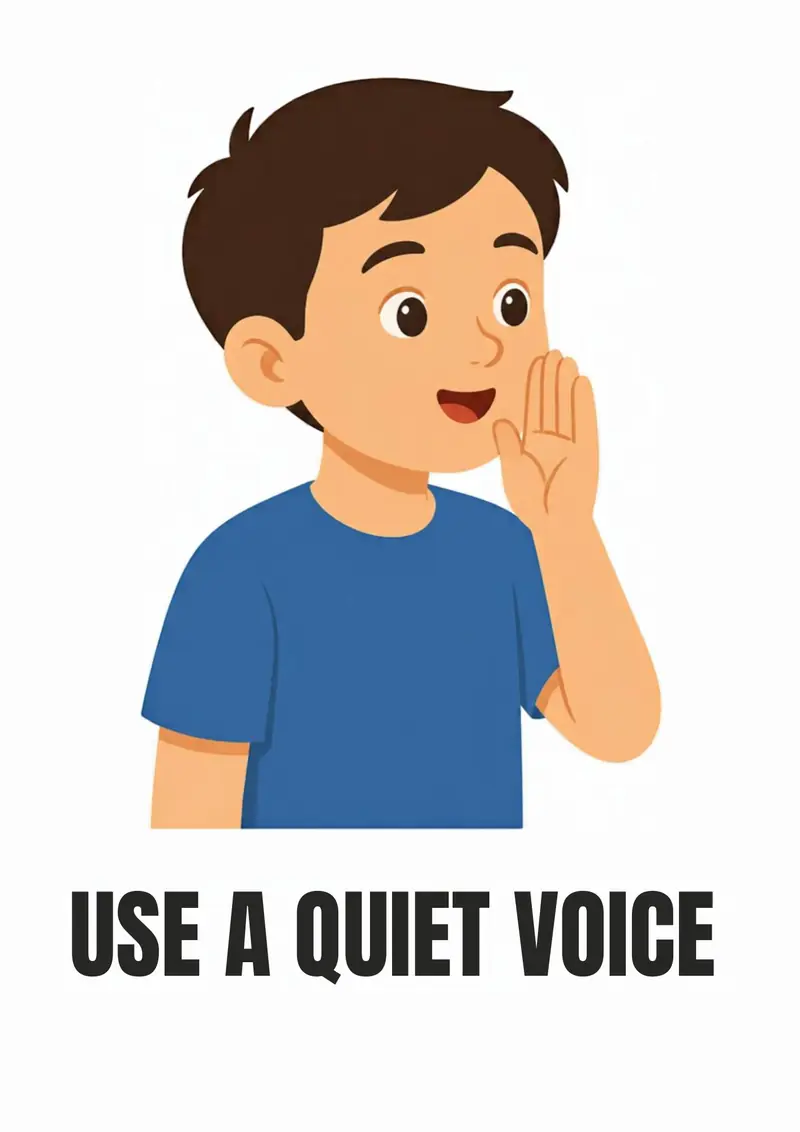 Use a Quiet VoiceCard 27 of 30Ages 3+Good habit
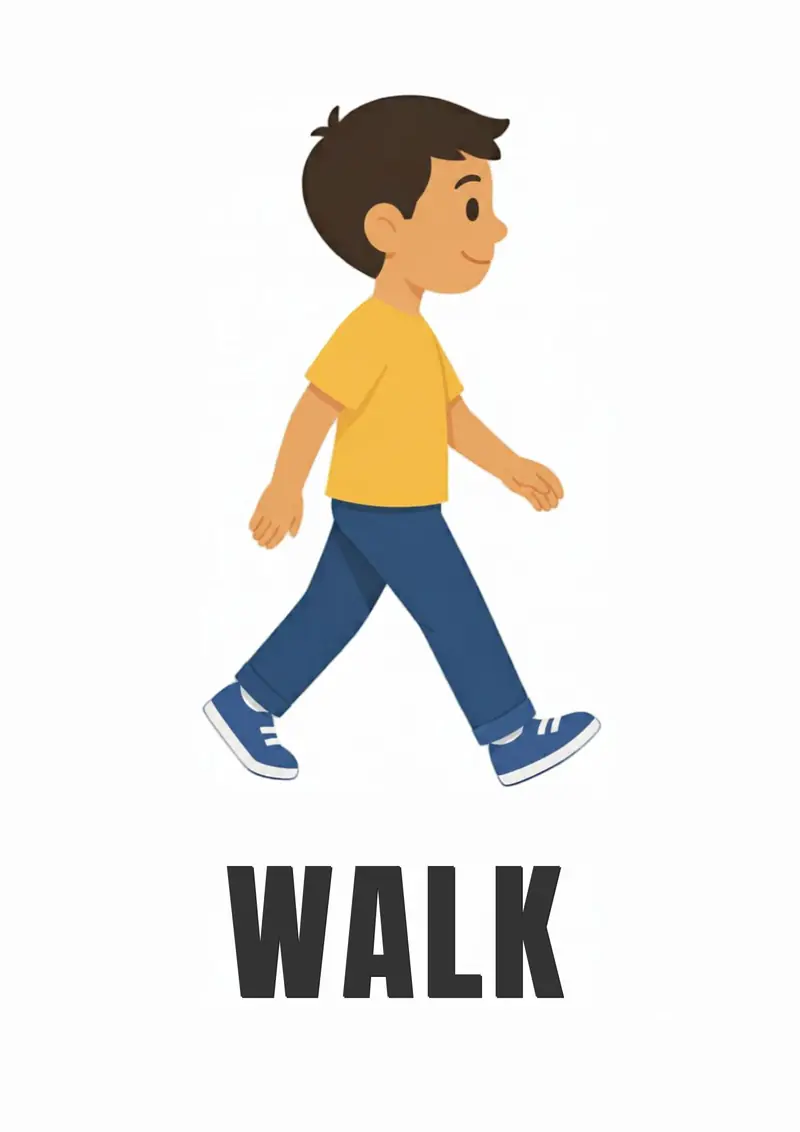 WalkCard 28 of 30Ages 3+Good habit
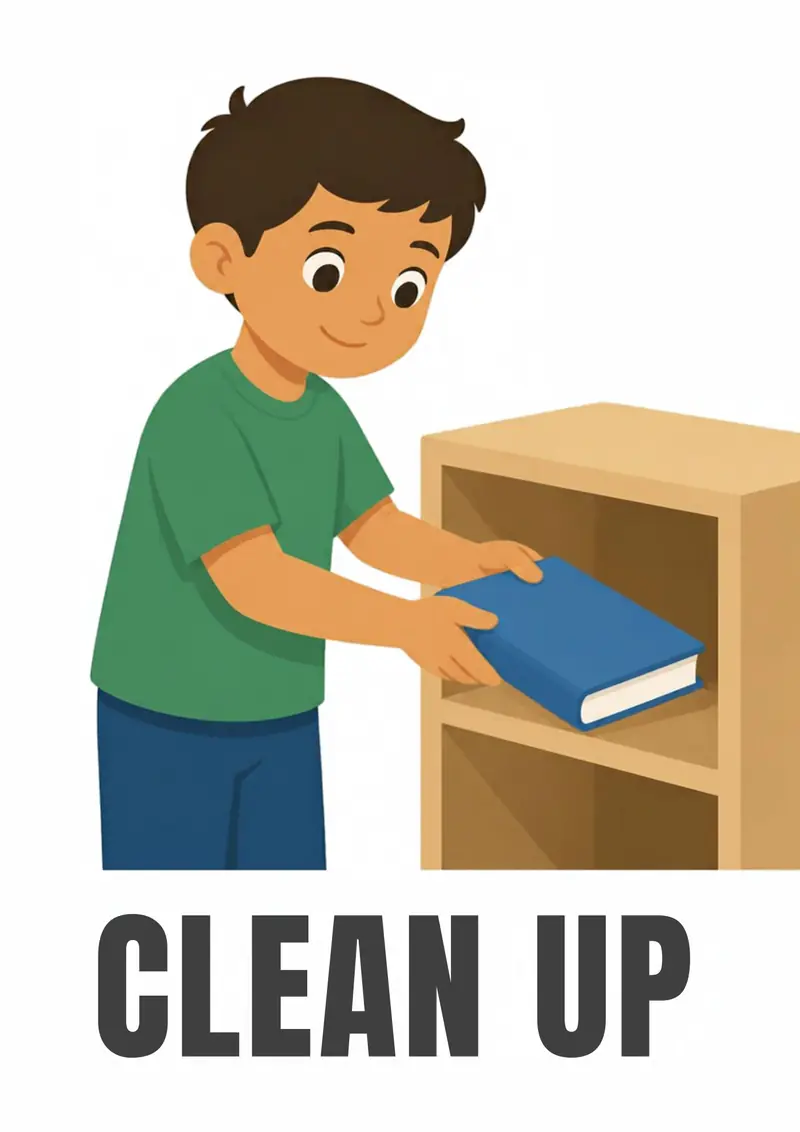 Clean UpCard 29 of 30Ages 3+Good habit
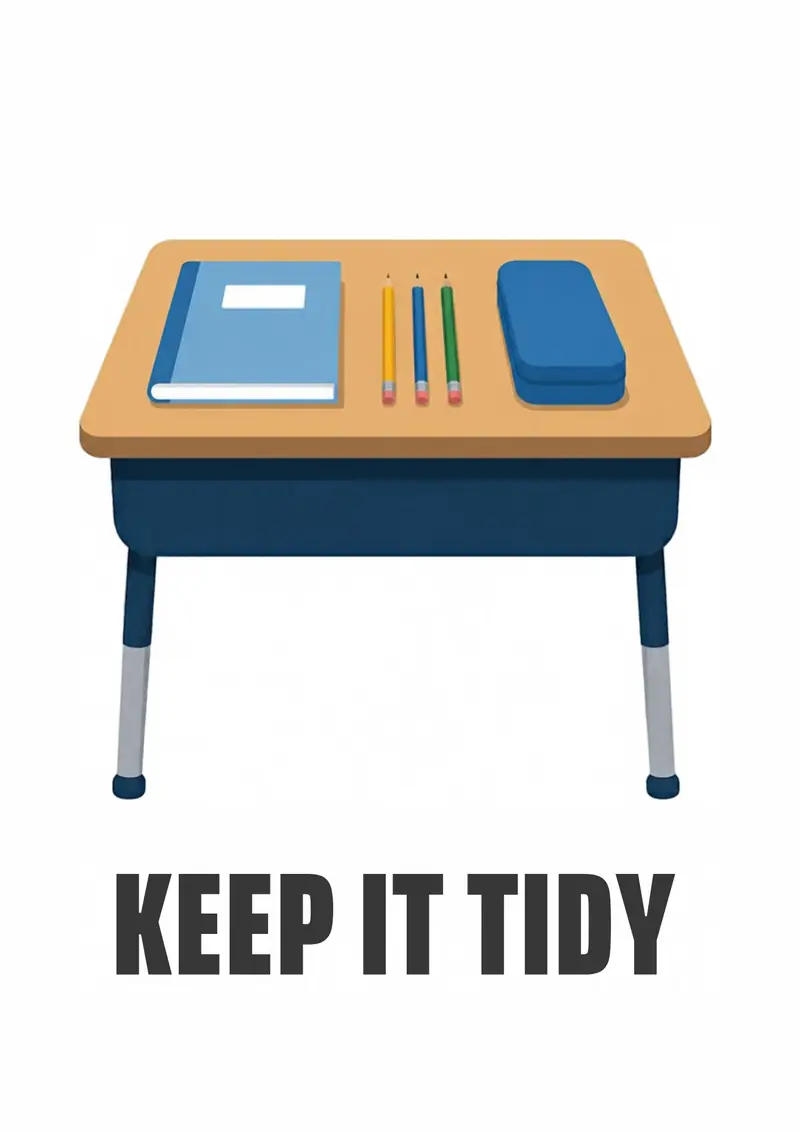 Keep It TidyCard 30 of 30Ages 4+Good habit
Four ways that work.
You do not need a plan or a printer schedule. Pick one idea, try it for two minutes and see what happens.
- 01
Name it, then find it
Pick an object card, say its name, then hunt for the real thing — the clock on the wall, the backpack by the door. Real-object matching is how the words stick, and the hunt is the whole game.
- 02
One habit a week
Spread the good-habit cards face up and let your child choose the week’s habit. Act it out once, then catch them doing it for real and name the card out loud — "that was SHARING!"
- 03
Pack the backpack
Use the backpack, notebook, pencil and crayons cards as a packing list for the real bag. Each card checked off is one thing packed by your child, not for them.
- 04
Set up a mini classroom
Line up a chair and a desk, stand a book beside them, and let stuffed animals be the class. Your child plays teacher with the cards — explaining a rule is the fastest way to learn it.
Print the set, download a card.
Every card page has its own download button with the full-size image. This set is printed straight from its class page.
Families of cards that pair well.
How did it go?
One tap, no writing, no name. Pick the face that matches how it went — reactions are counted instantly and stay anonymous.
Parent reviews.
A different thing from the quick faces above: a star rating for the grown-ups, plus an optional line about how it went. Every review is read by the school office before it appears.
No parent reviews yet — yours could be the first.
Parent comments.
How did you use this page Share the game, the moment or the trick that worked in your house. Comments are read by the school office before they appear, and they are about your ideas — never about your child.
No parent comments yet — yours could be the first.