
Toddler Room flashcards.
Thirty-five cards that name the world a toddler actually lives in: the toys on the mat, the cup and the high chair, the crib and the night-light, the potty and the toothbrush, the shoes and the socks and the little table and chair. Every card carries an age pill and a room-area pill, so a parent can tell in one glance whether tonight is a play-time card, a sleepy-time card or a care-time card.
Every card in the set.
Each card has its own page, and every card shows its age pill — start with the group that fits your child today.
The toys a toddler reaches for first — roll them, stack them, scribble with them, read them.
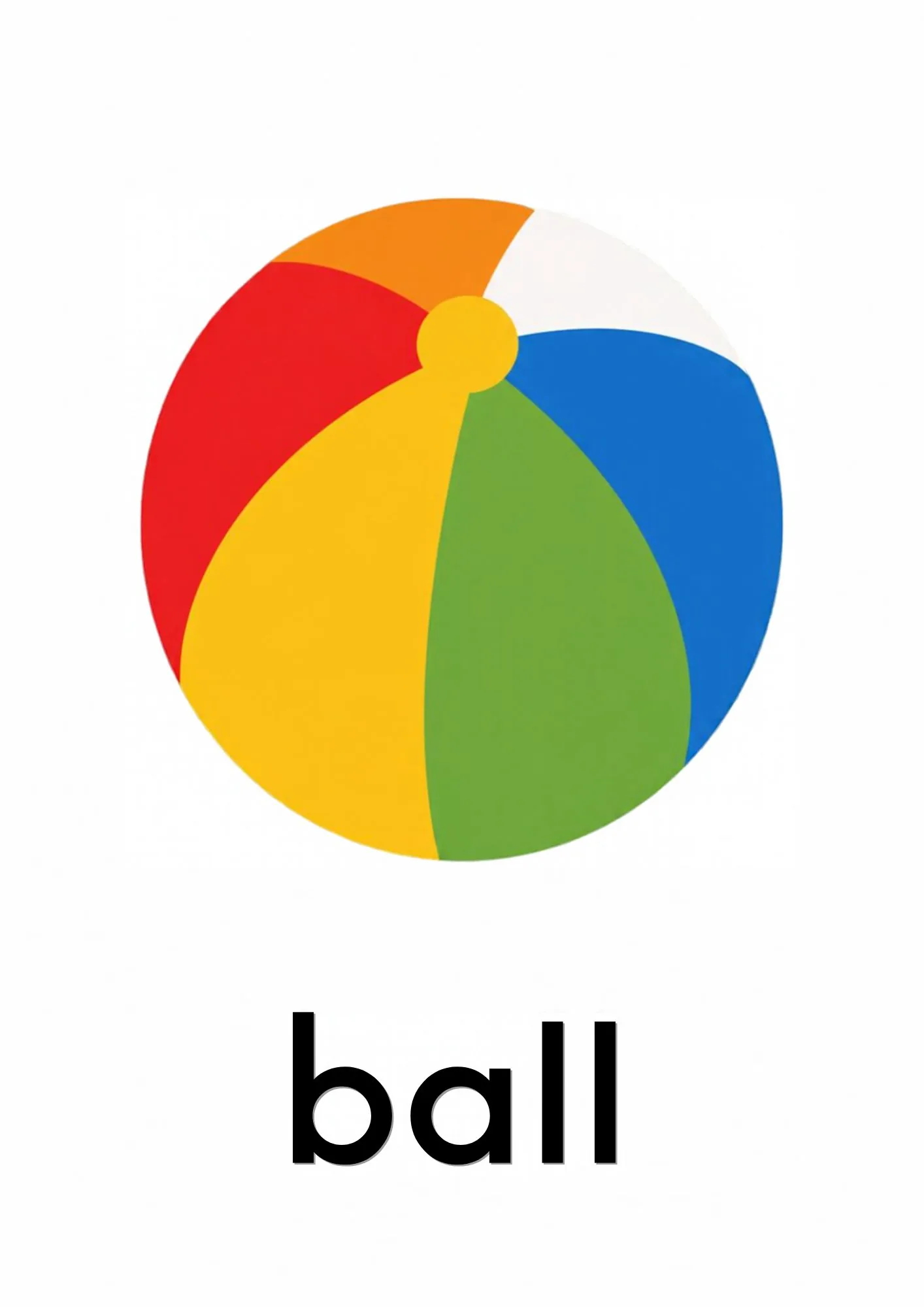 BallCard 1 of 35Ages 1+Play time
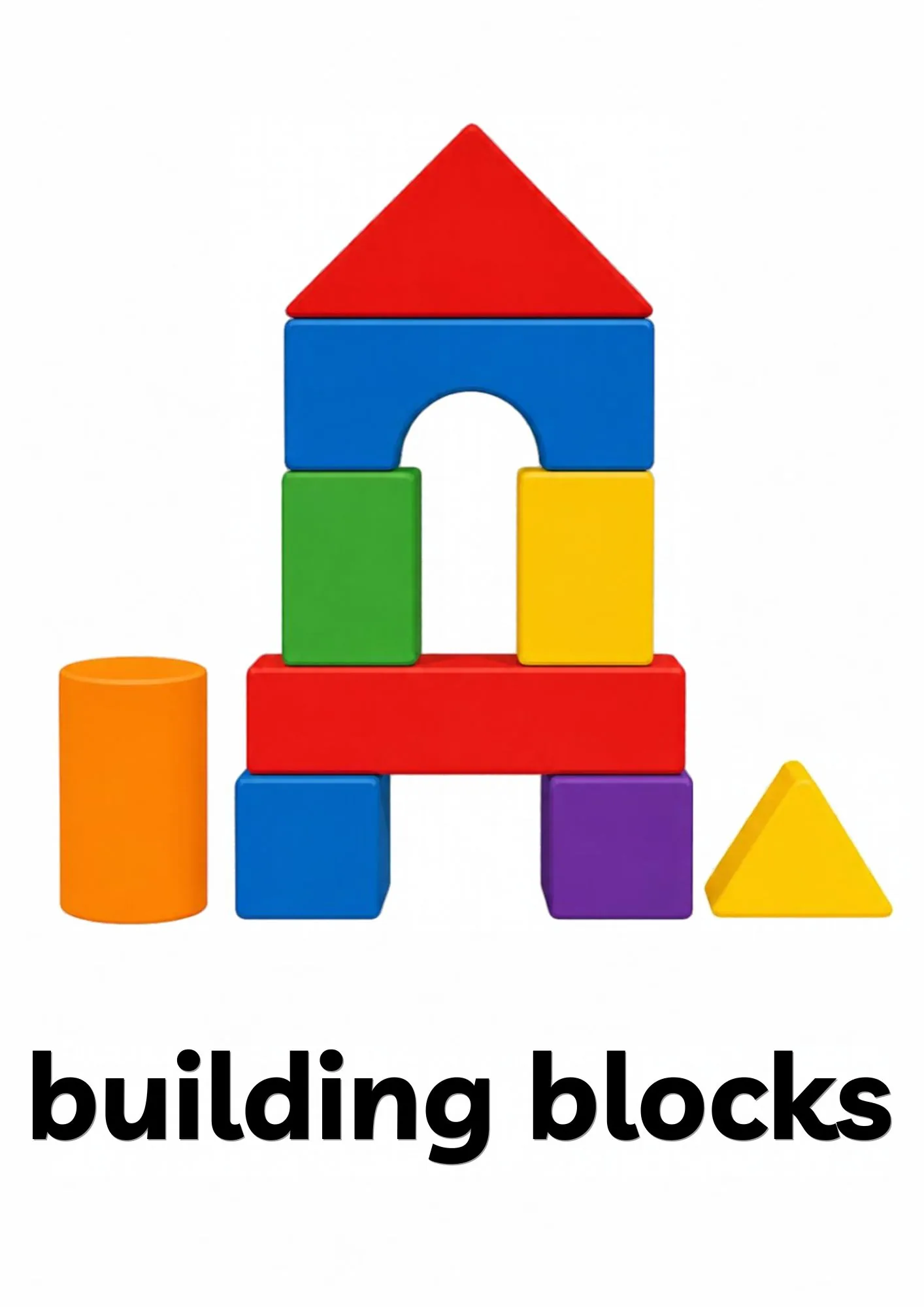 Building BlocksCard 5 of 35Ages 2–3Play time
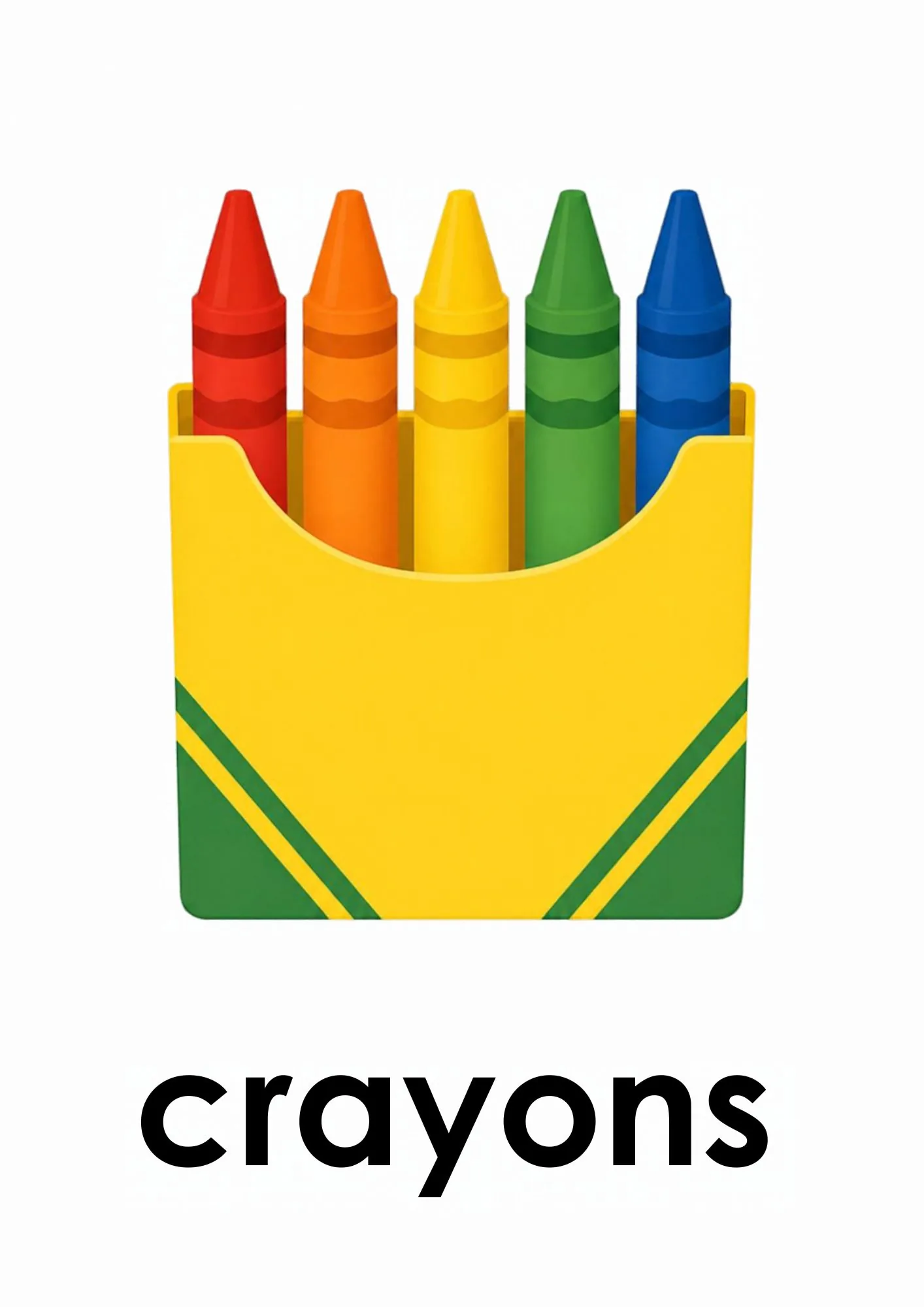 CrayonsCard 8 of 35Ages 2–3Play time
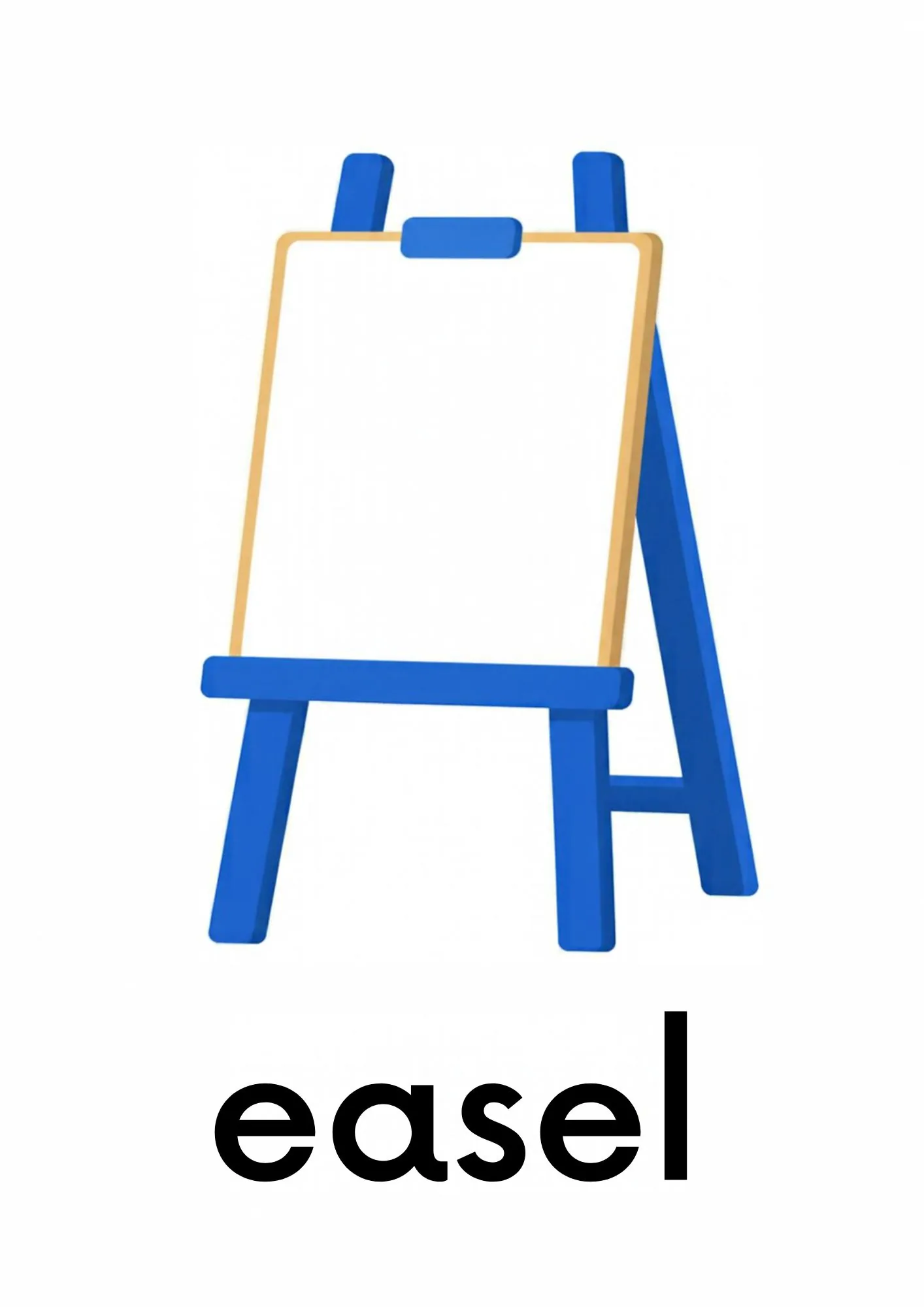 EaselCard 11 of 35Ages 2–3Play time
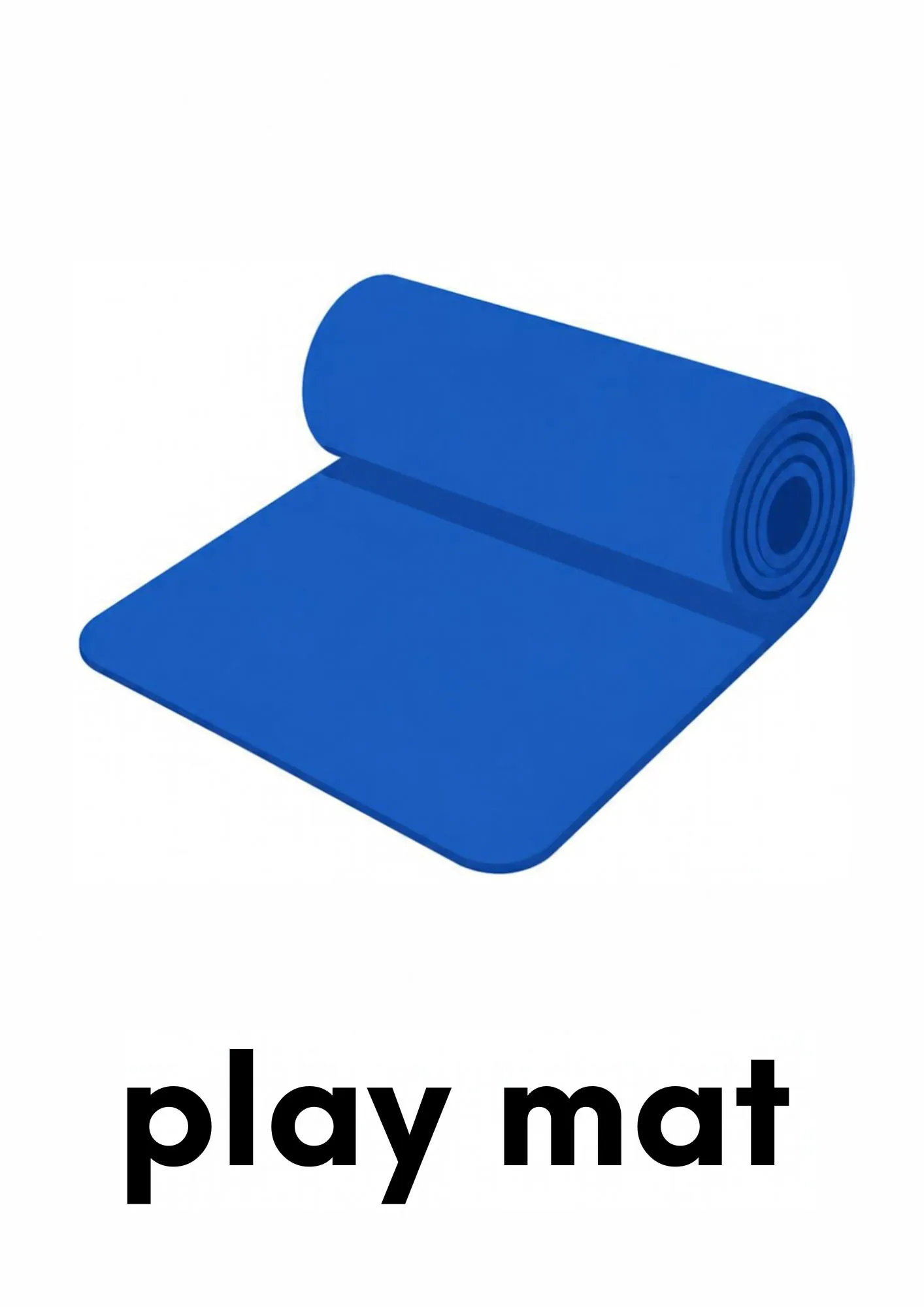 Play MatCard 19 of 35Ages 1+Play time
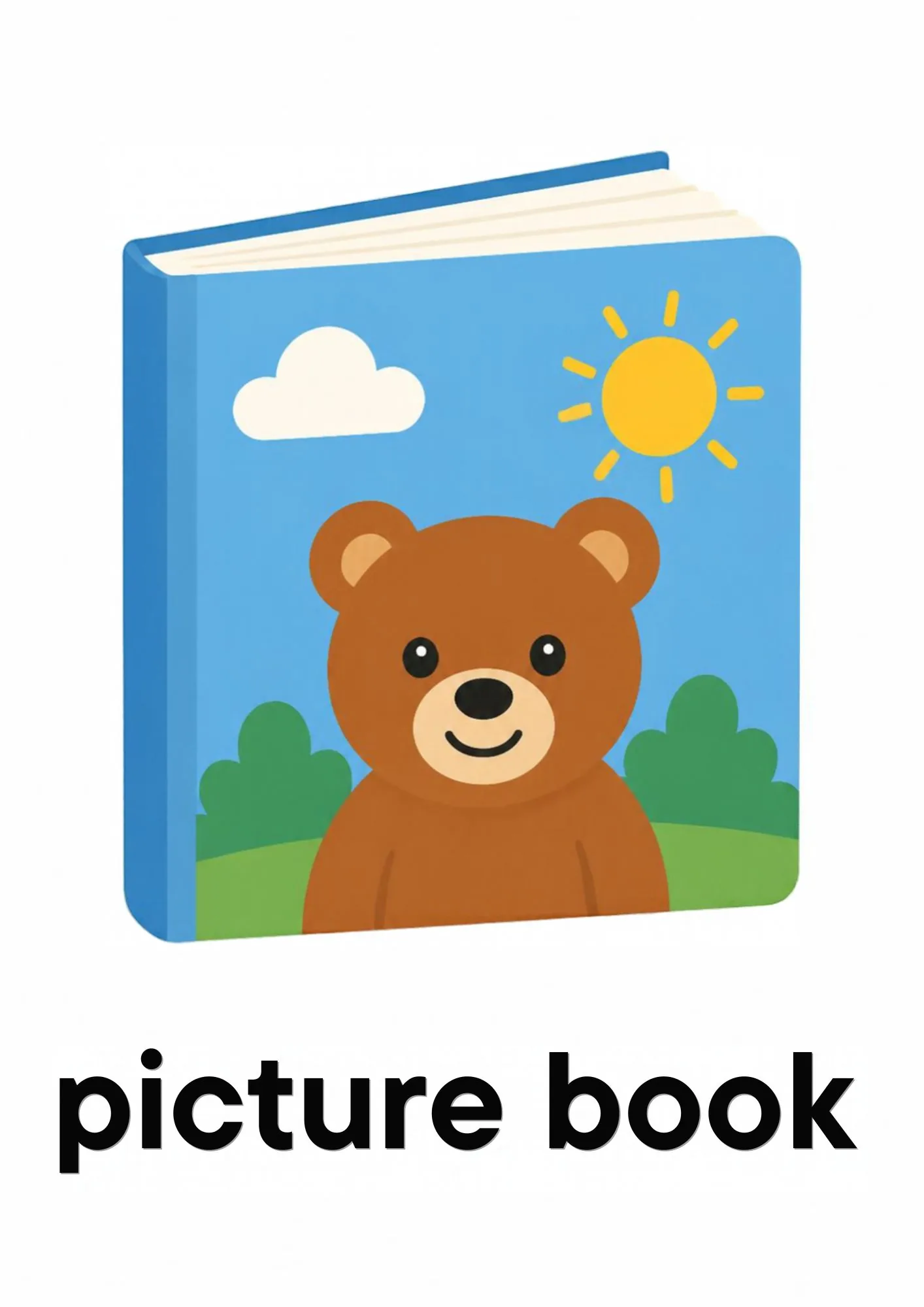 Picture BookCard 17 of 35Ages 1+Play time
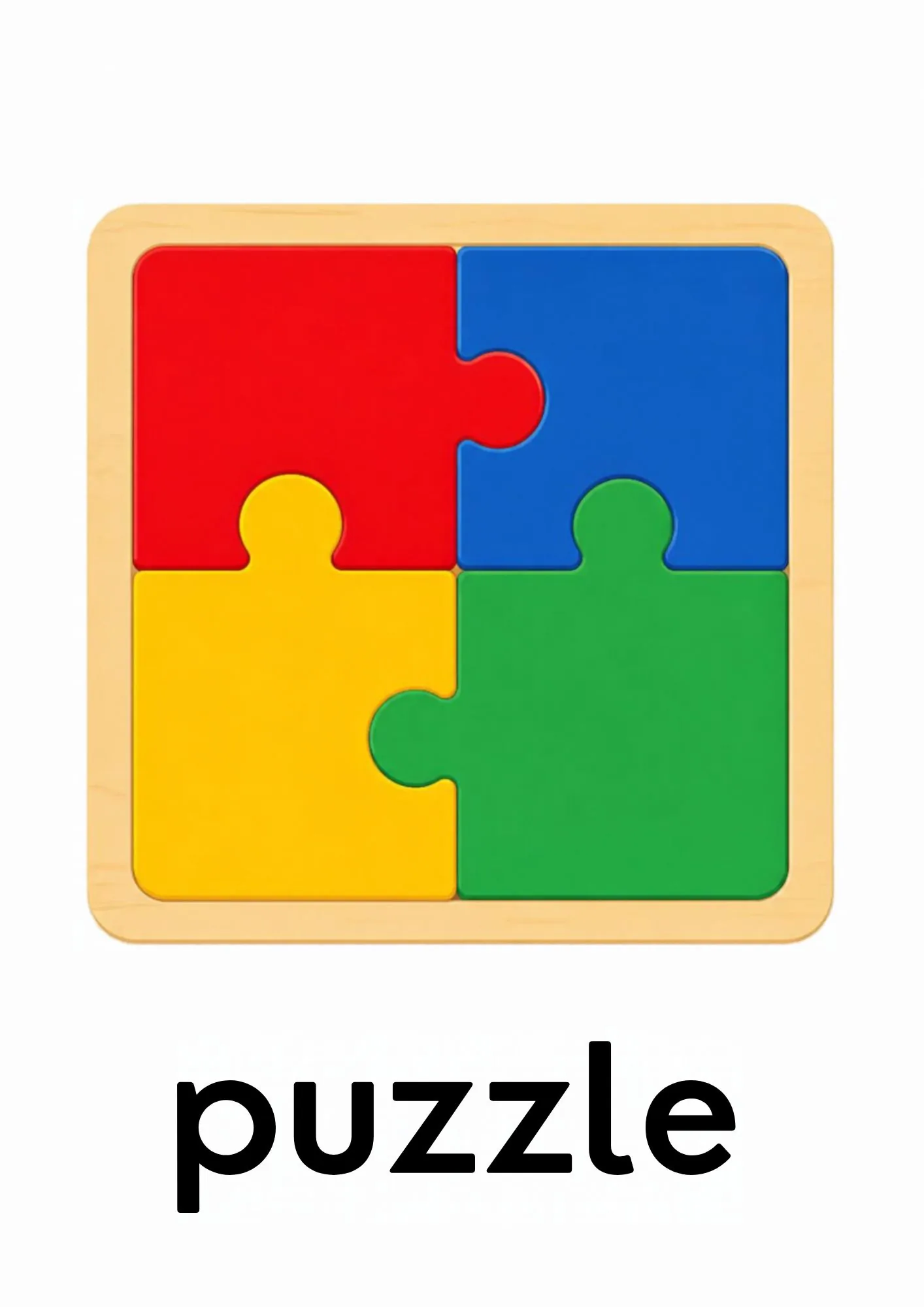 PuzzleCard 21 of 35Ages 2–3Play time
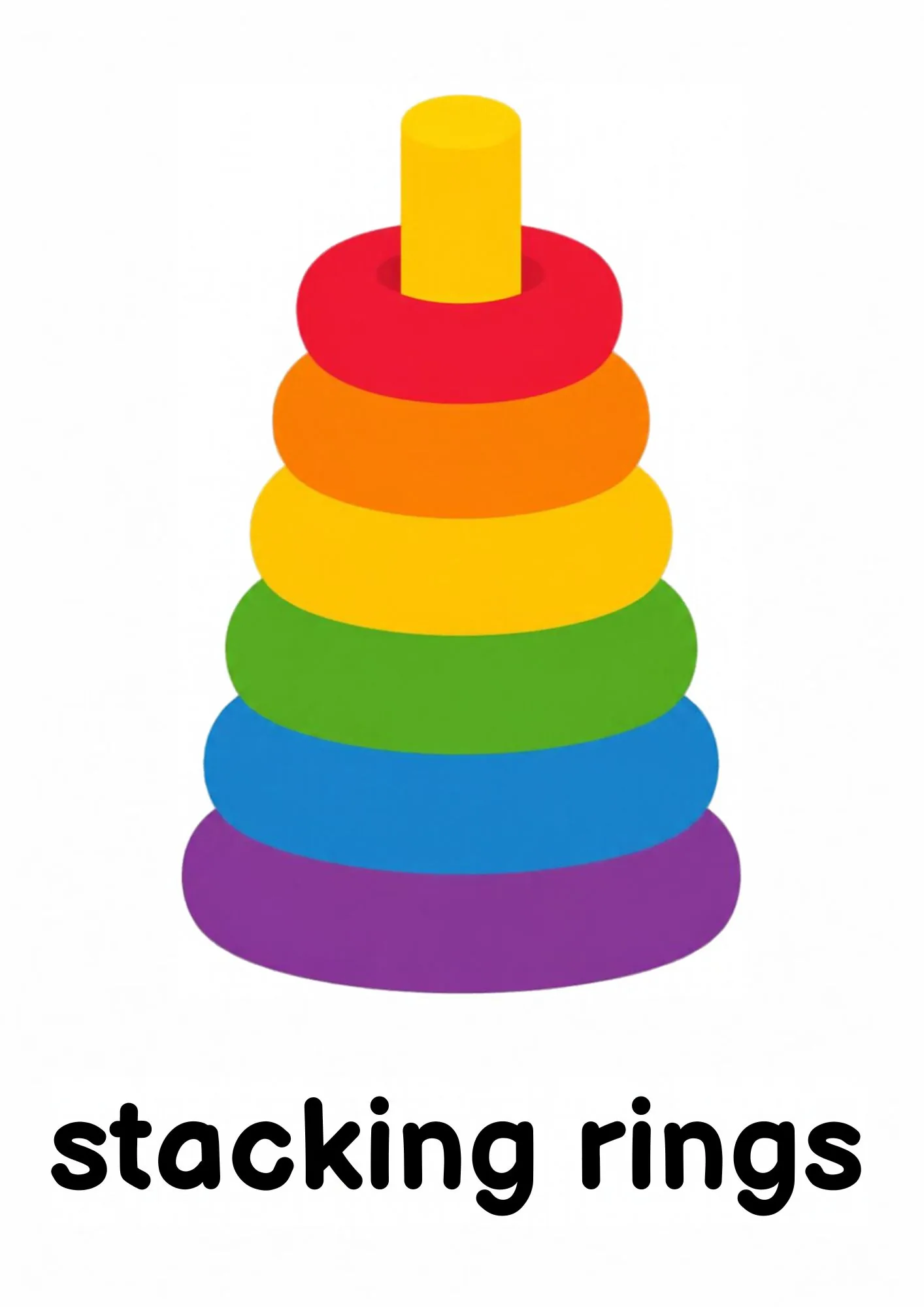 Stacking RingsCard 26 of 35Ages 2–3Play time
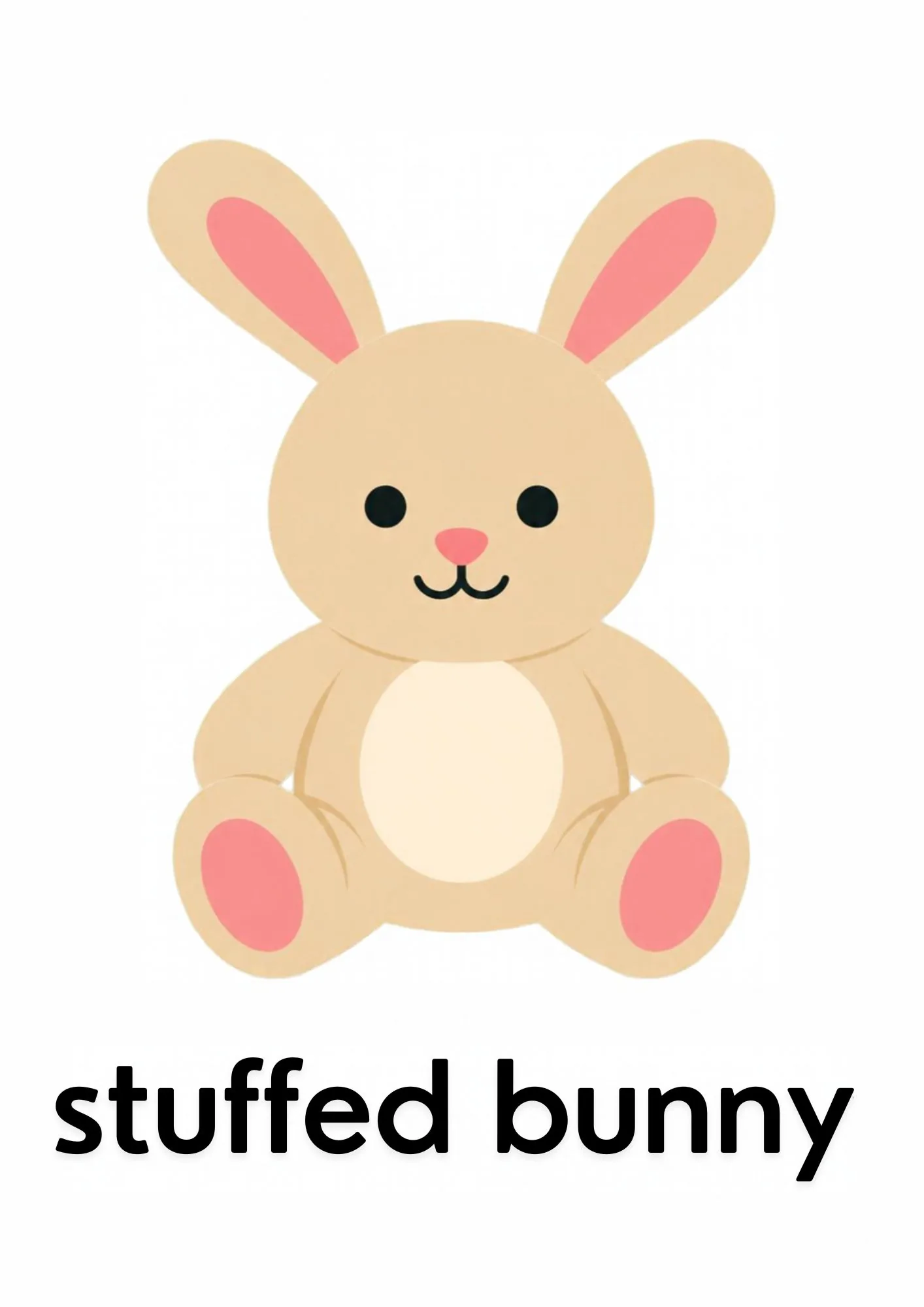 Stuffed BunnyCard 28 of 35Ages 1+Play time
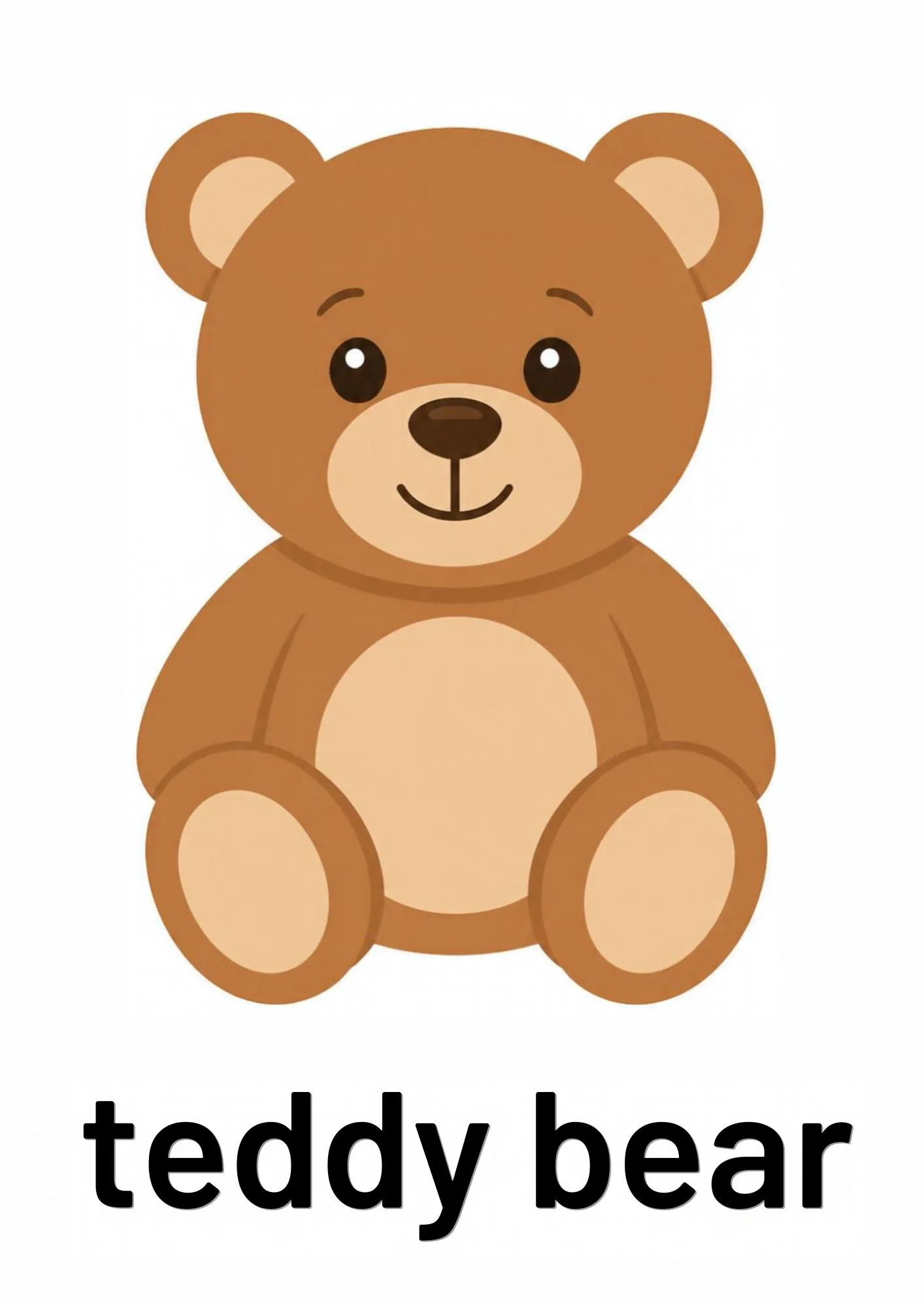 Teddy BearCard 30 of 35Ages 1+Play time
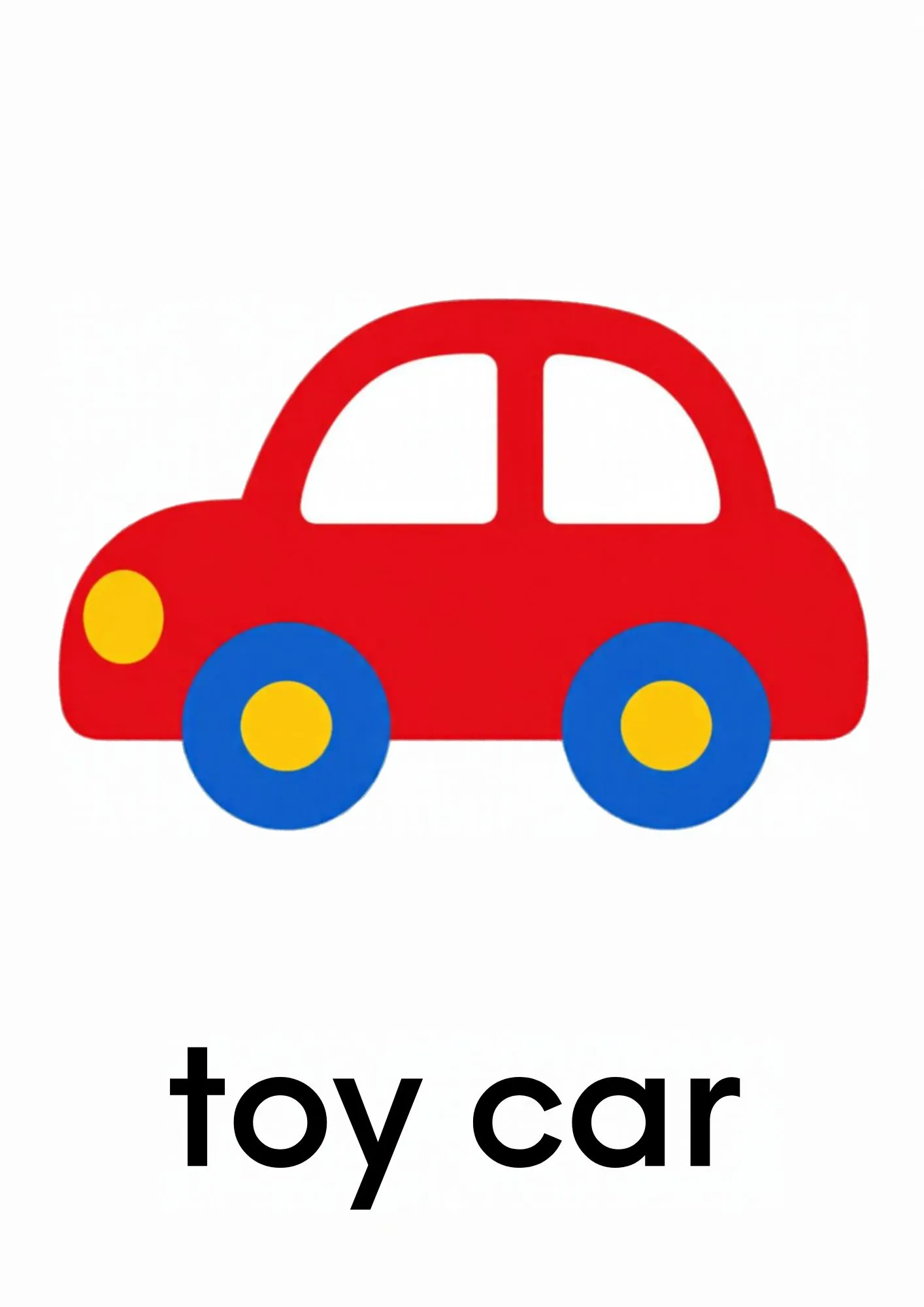 Toy CarCard 33 of 35Ages 1+Play time
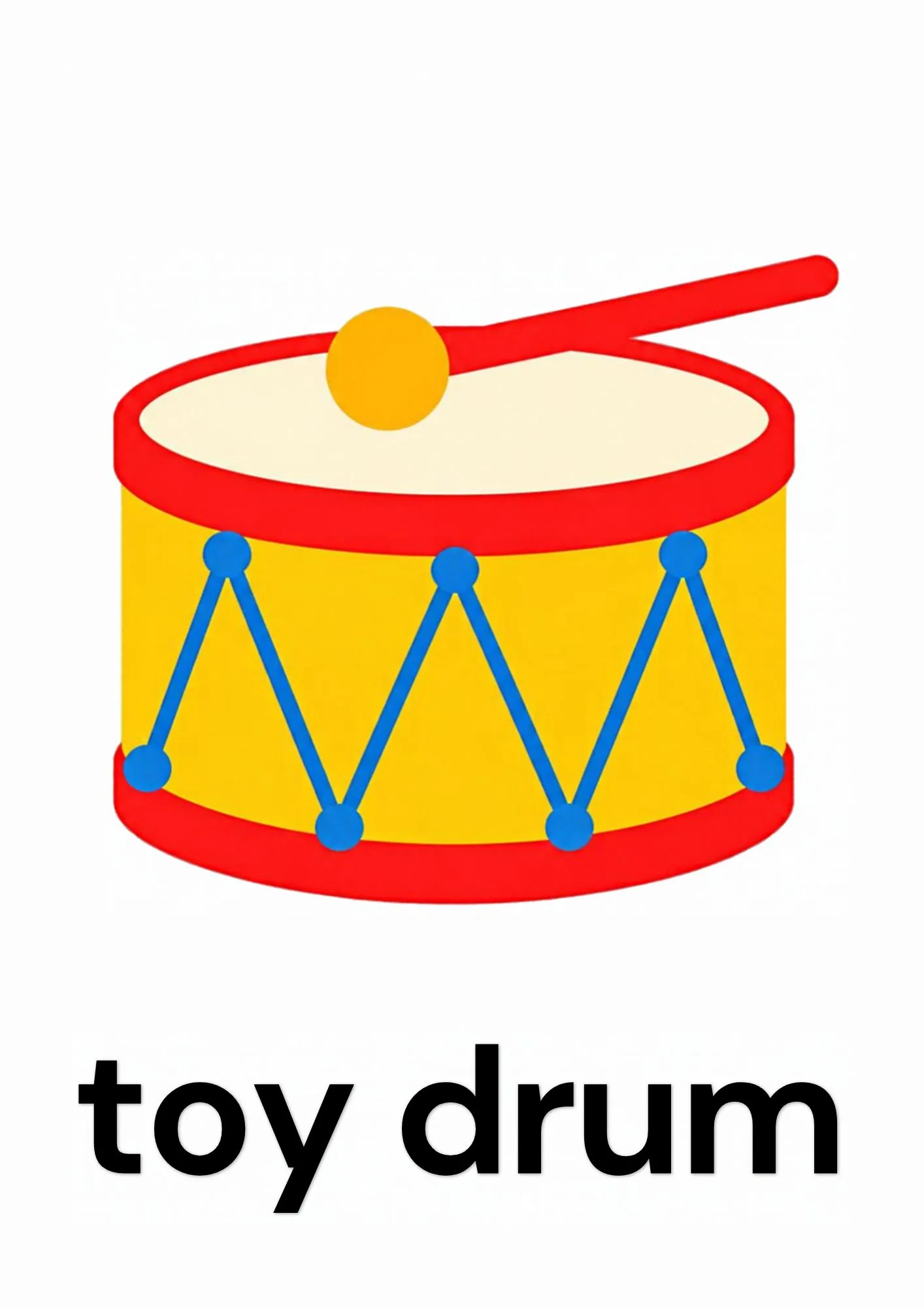 Toy DrumCard 34 of 35Ages 1+Play time
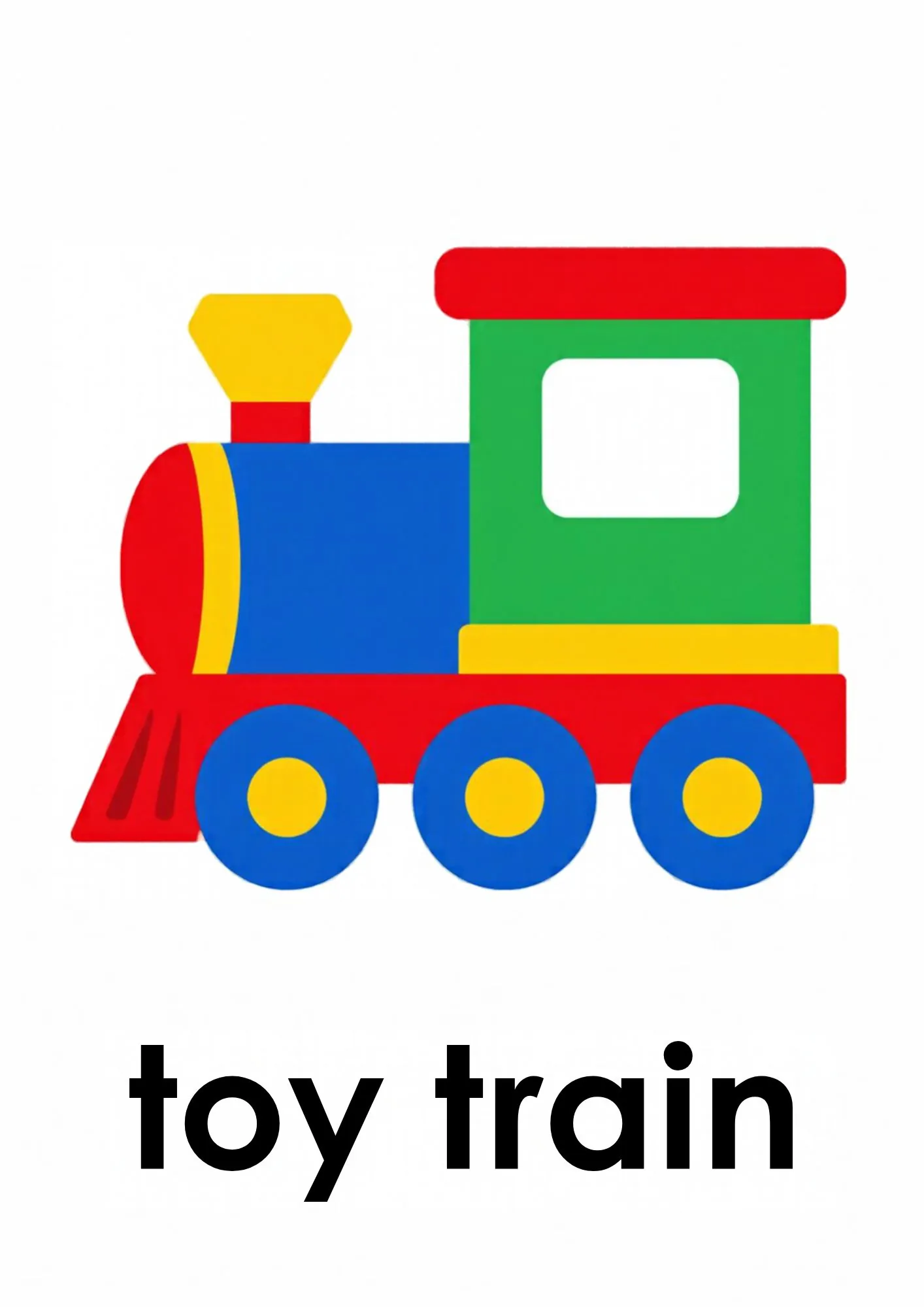 Toy TrainCard 35 of 35Ages 1+Play time
The bottle, the cup and the chair where meals happen — naming them makes sitting down easier.
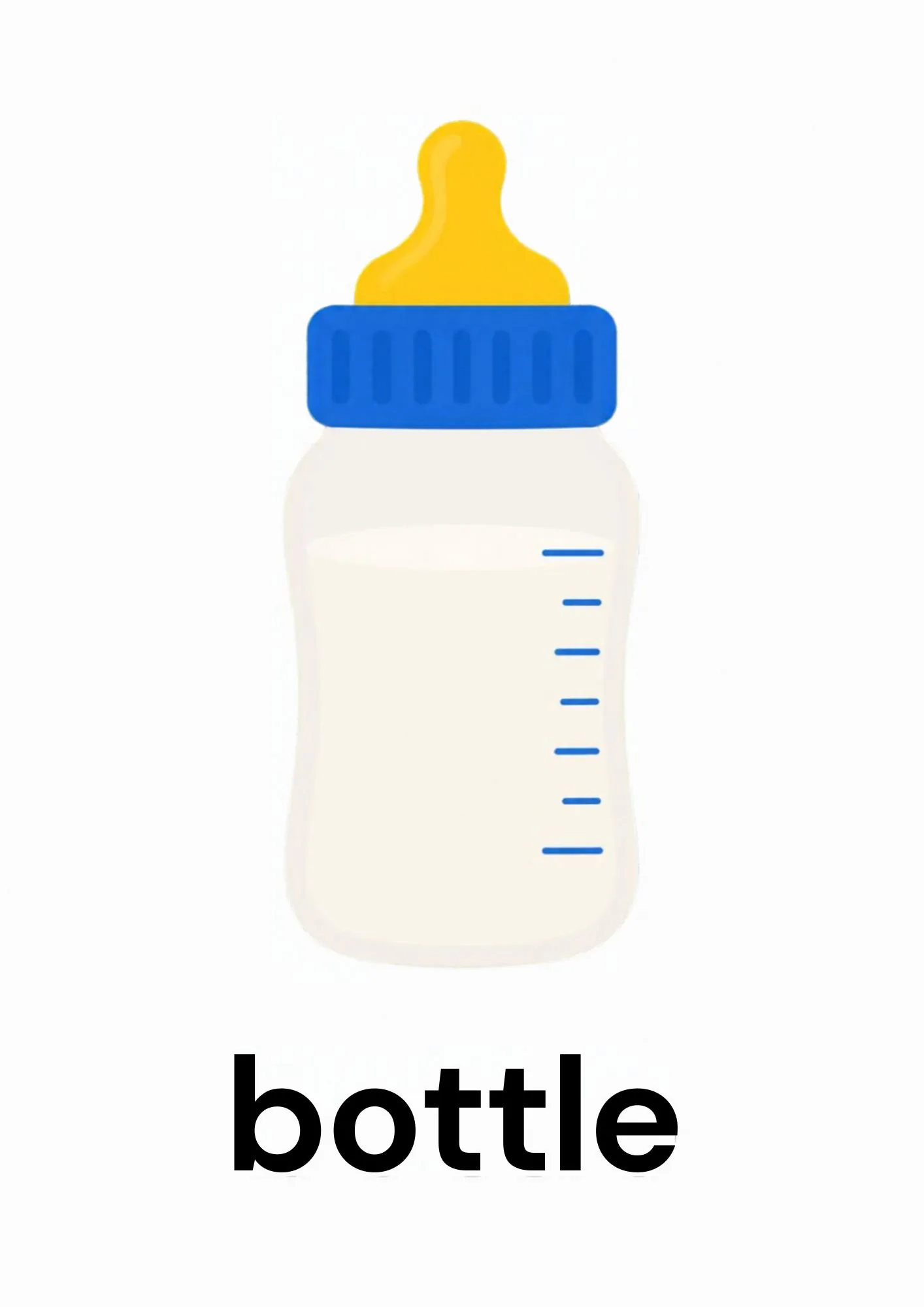
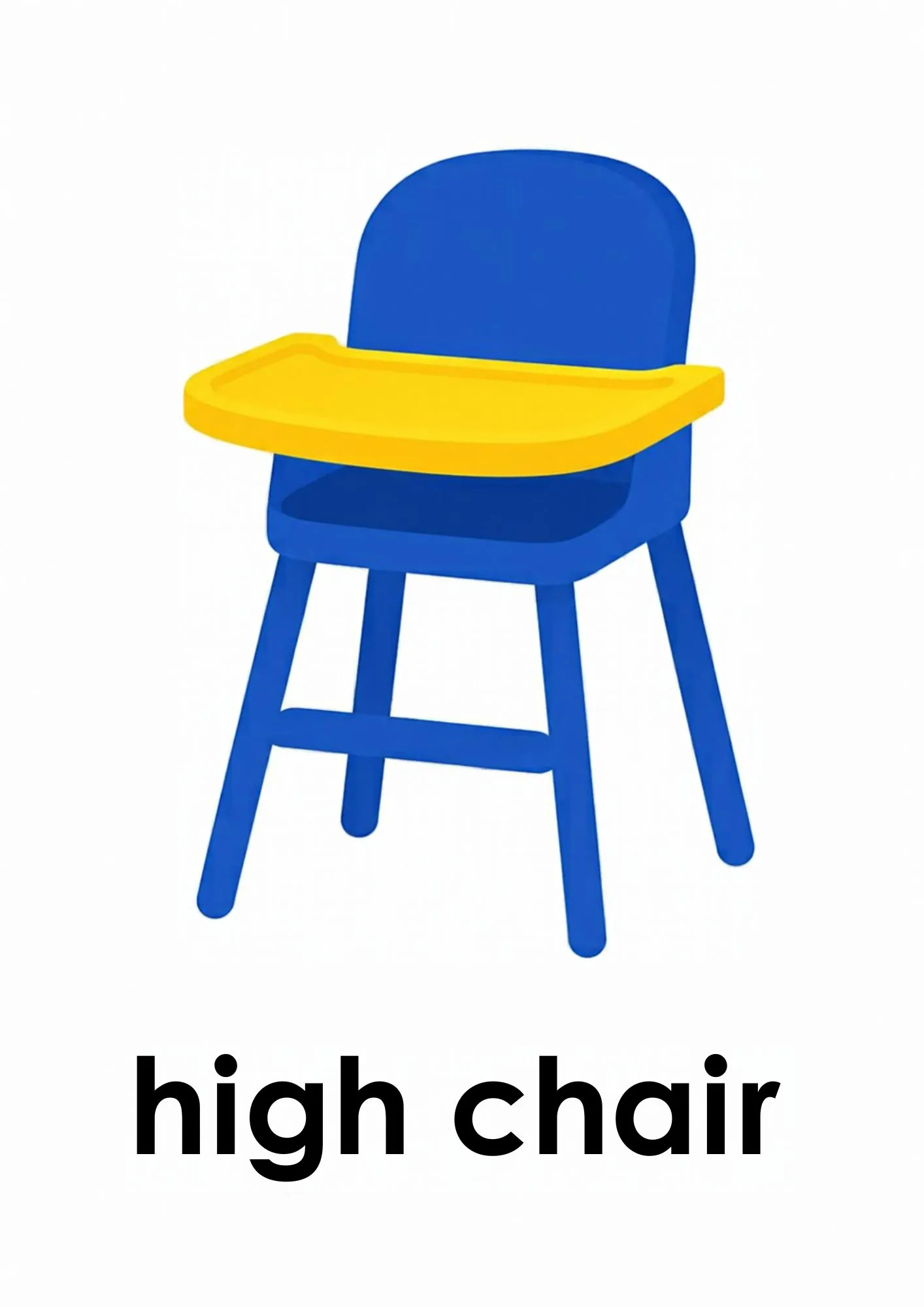
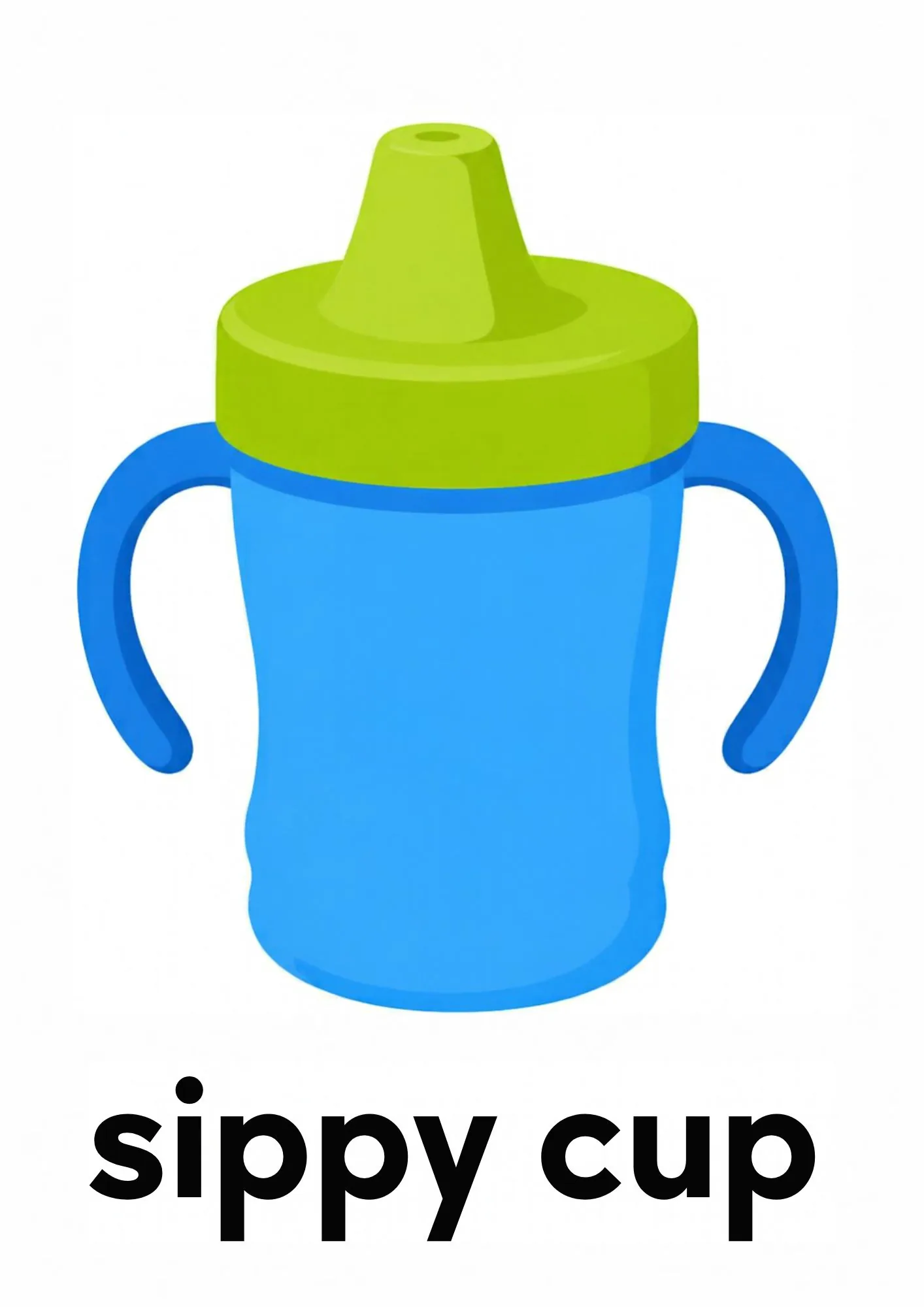
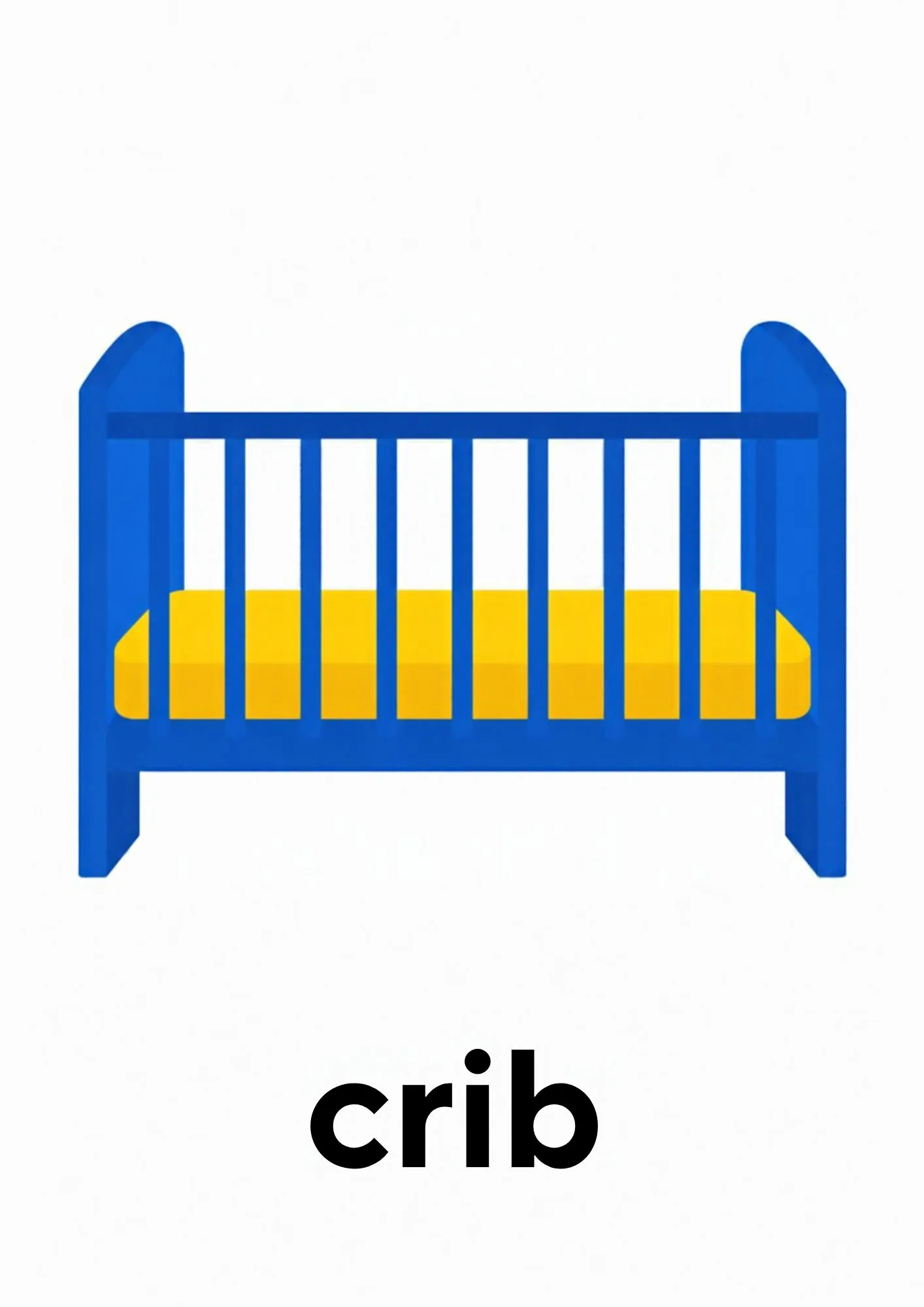
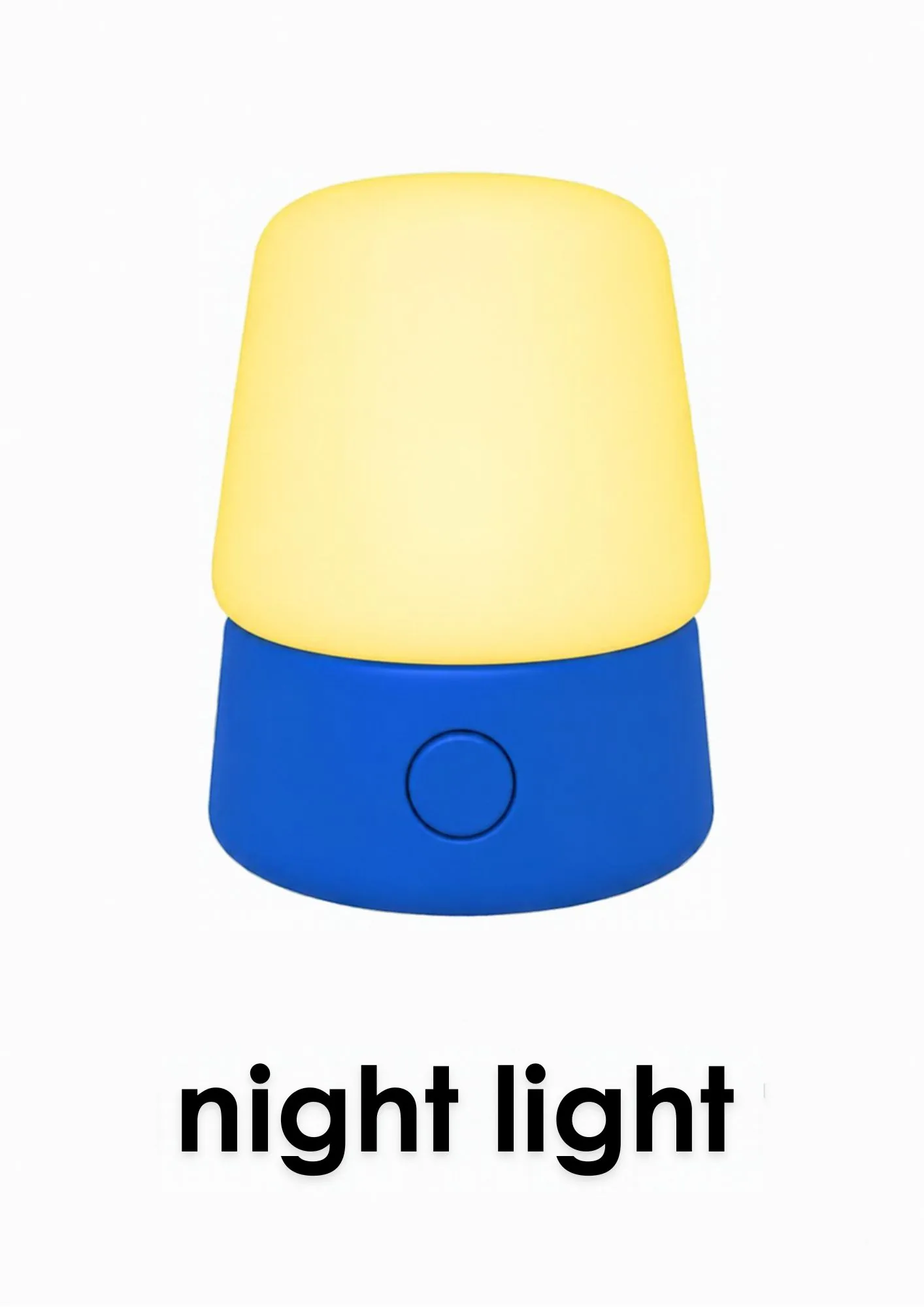
The crib corner: the words that make bedtime predictable, and predictable means calm.
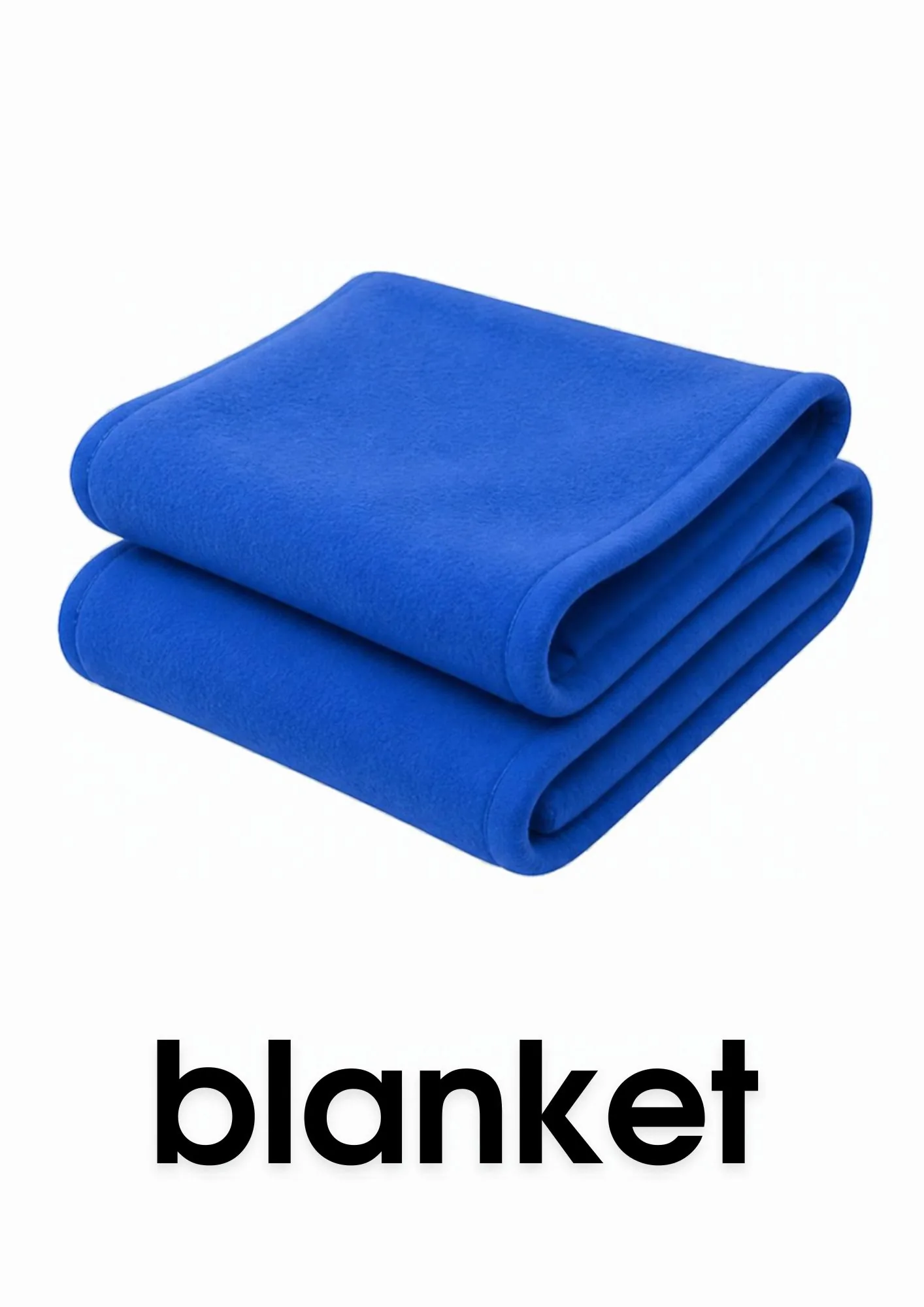
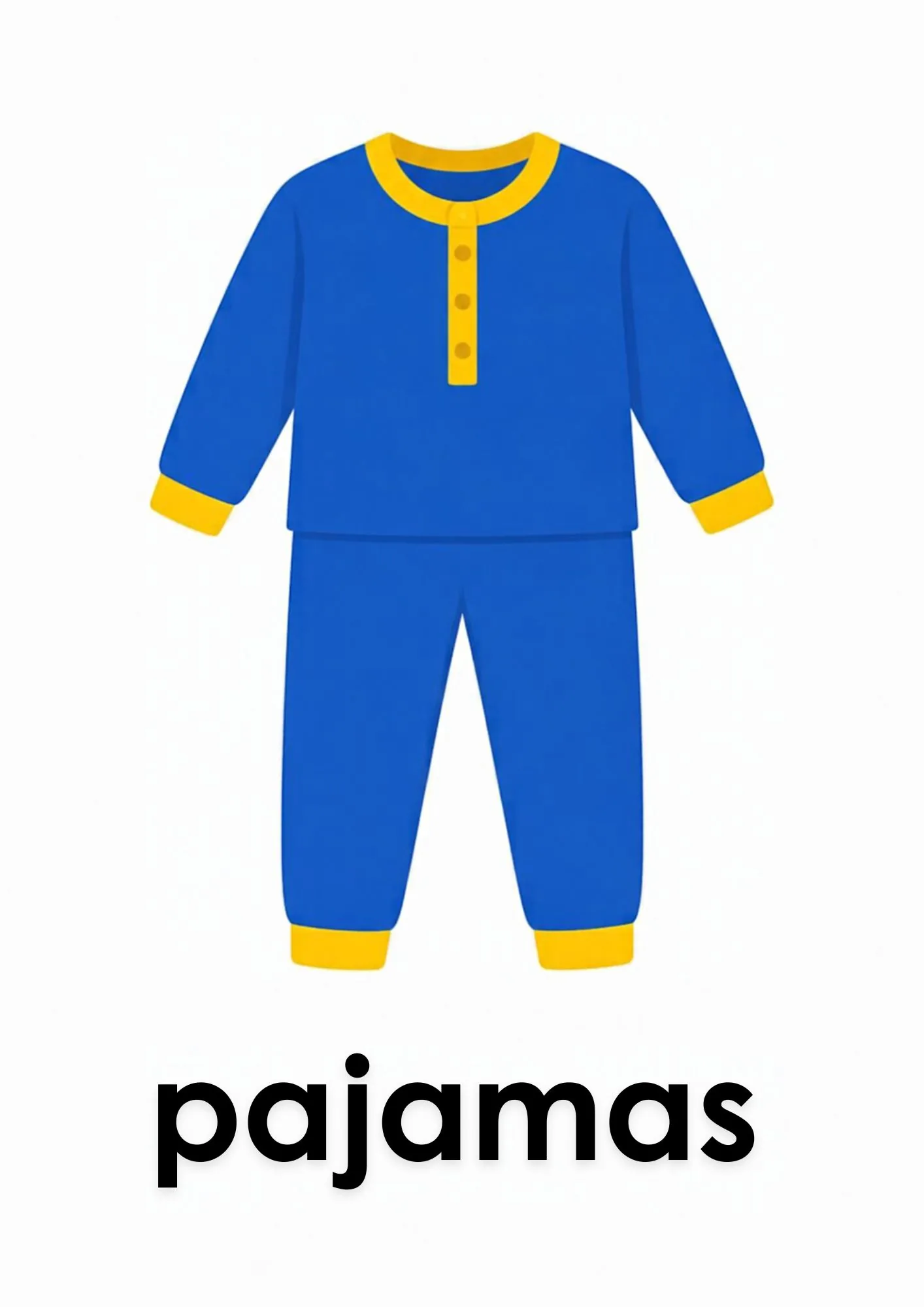
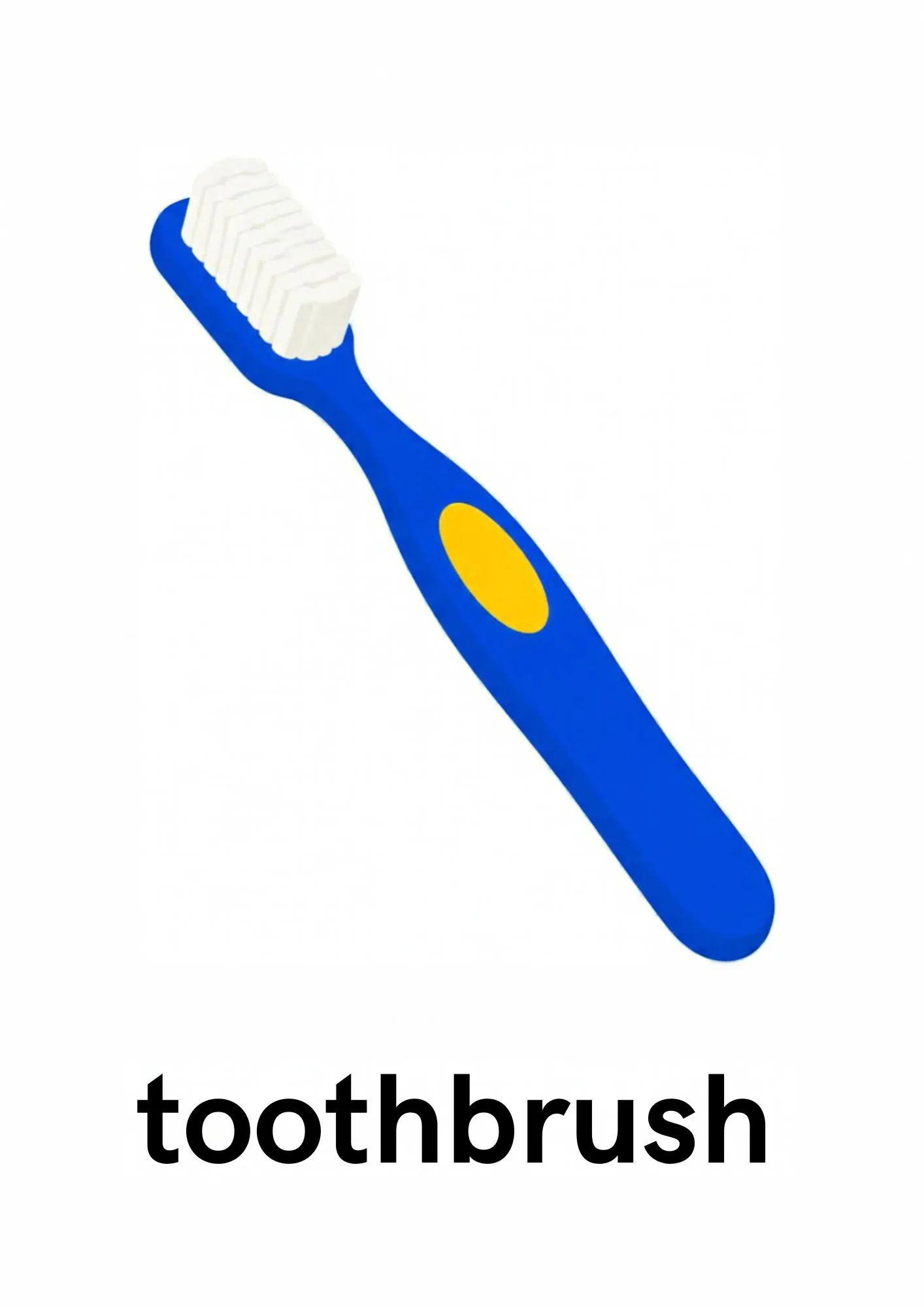
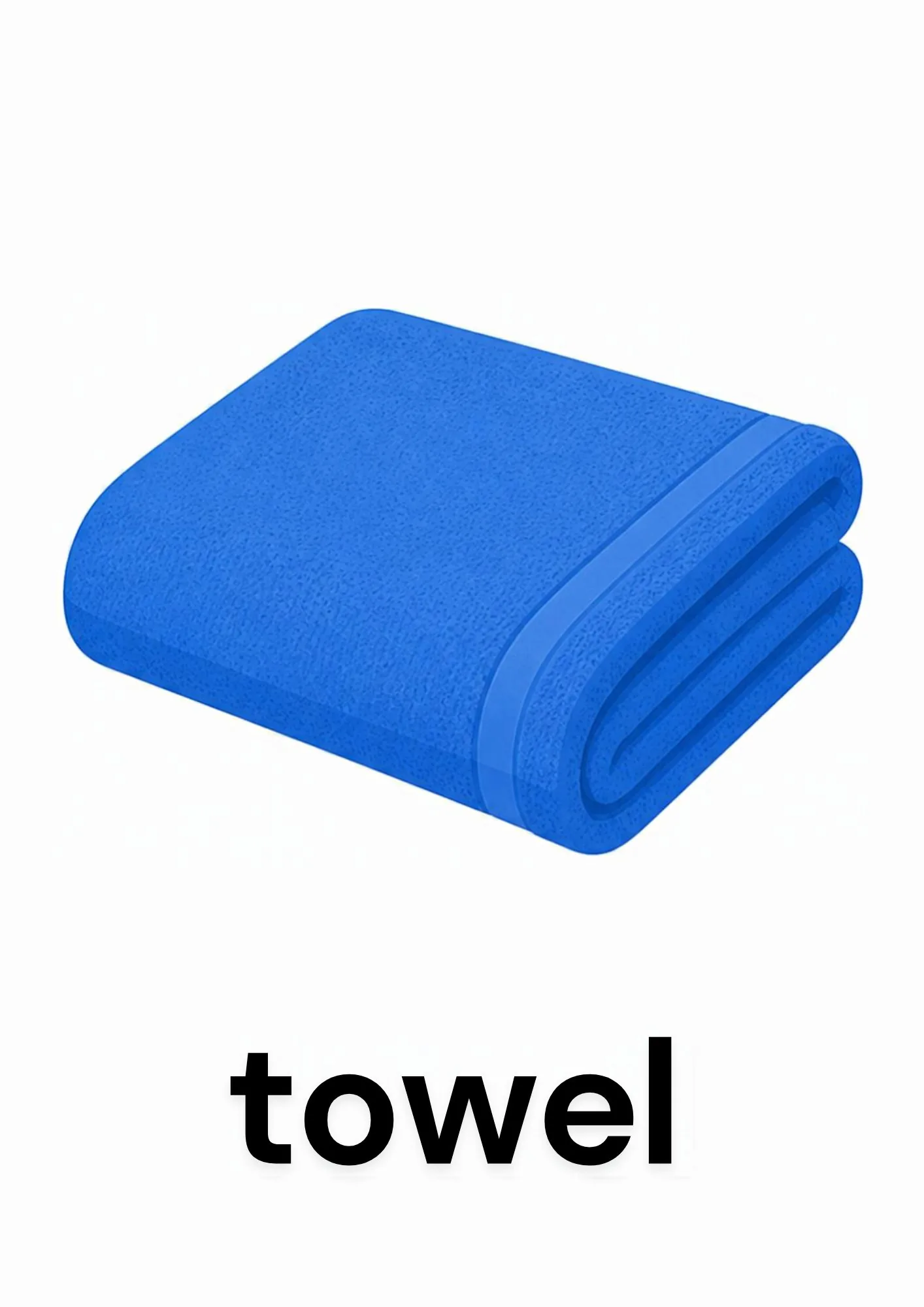
The routines — diaper changes, hand-washing, hair, teeth and the potty. Naming the steps is half of cooperation.

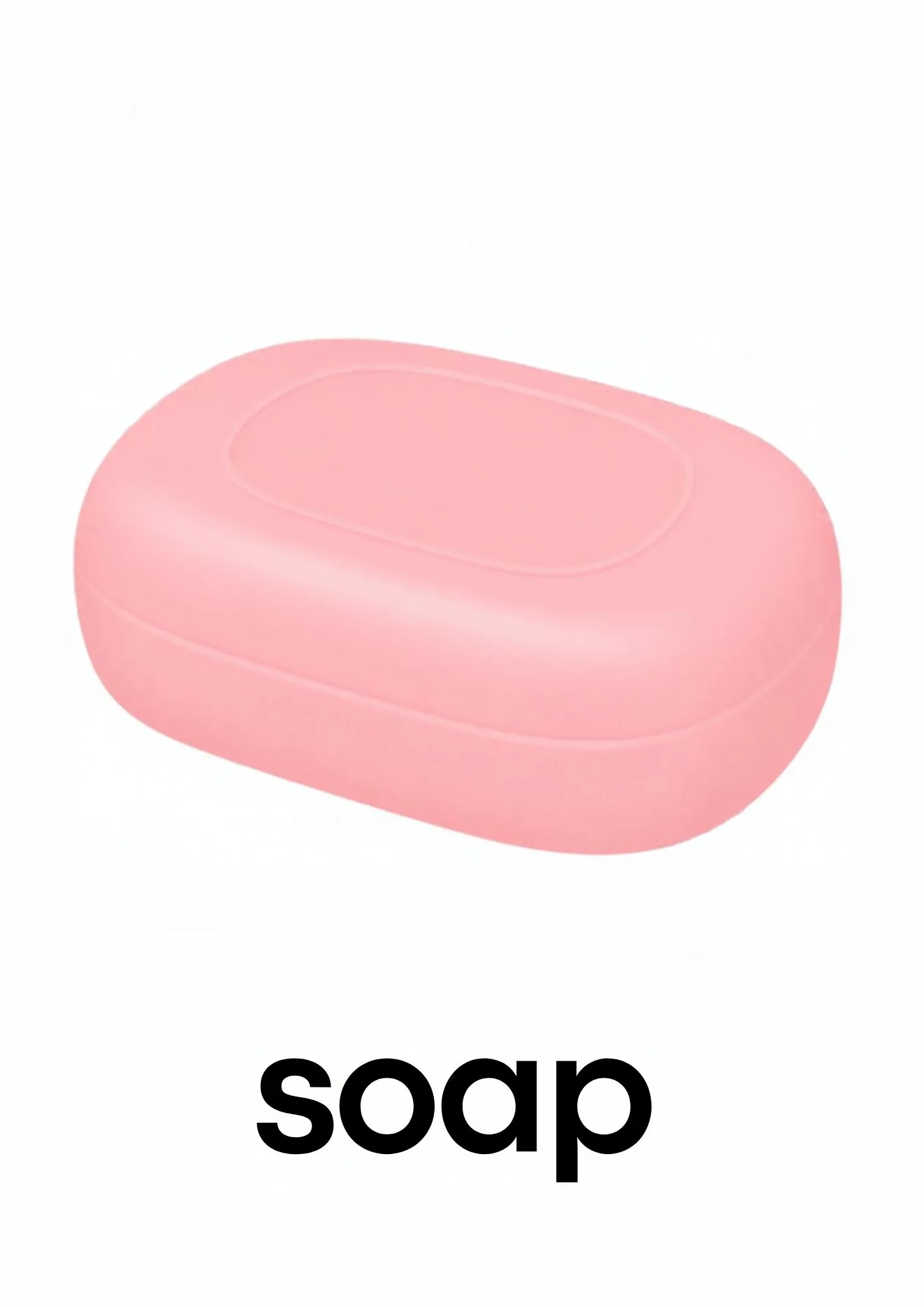
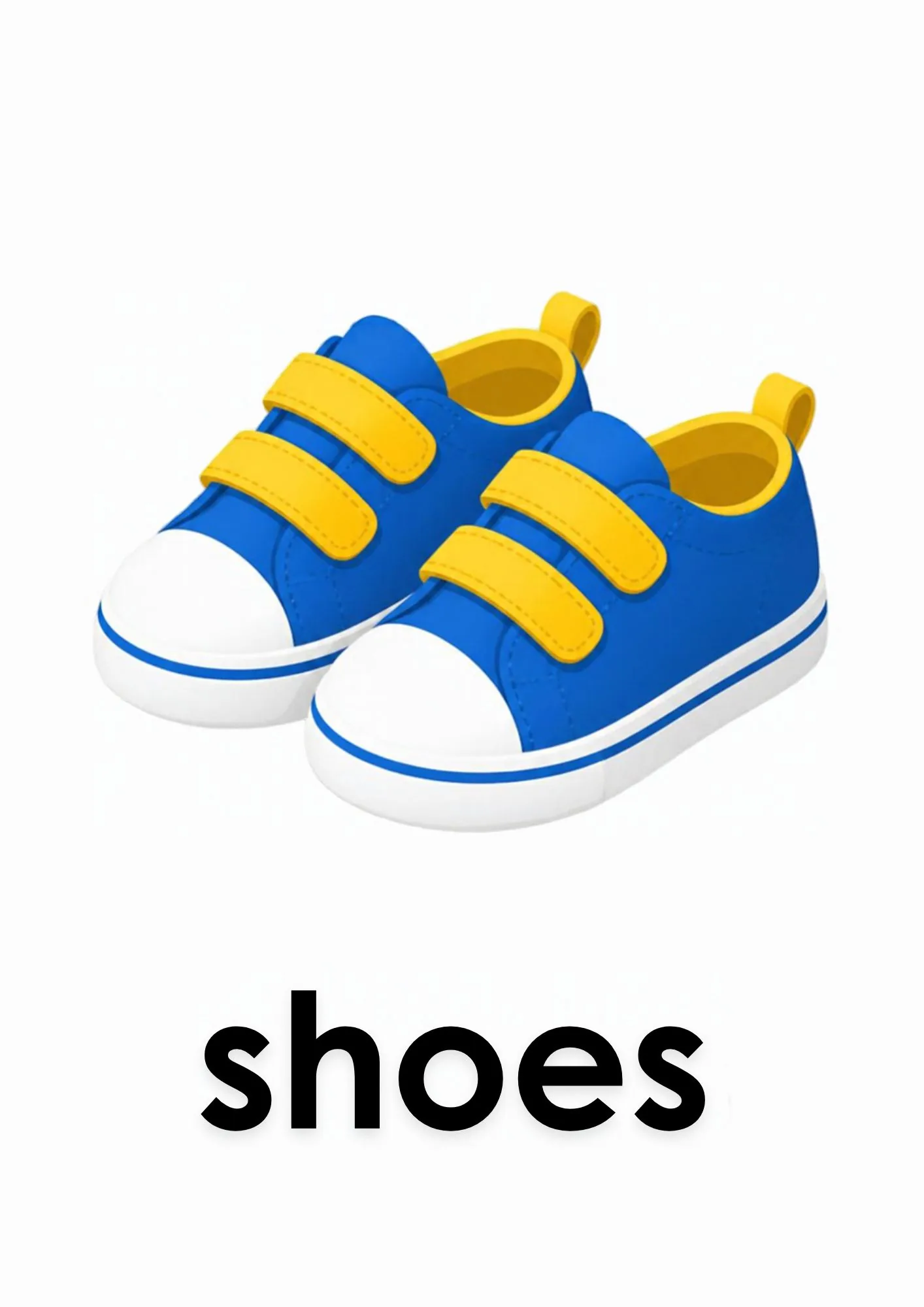
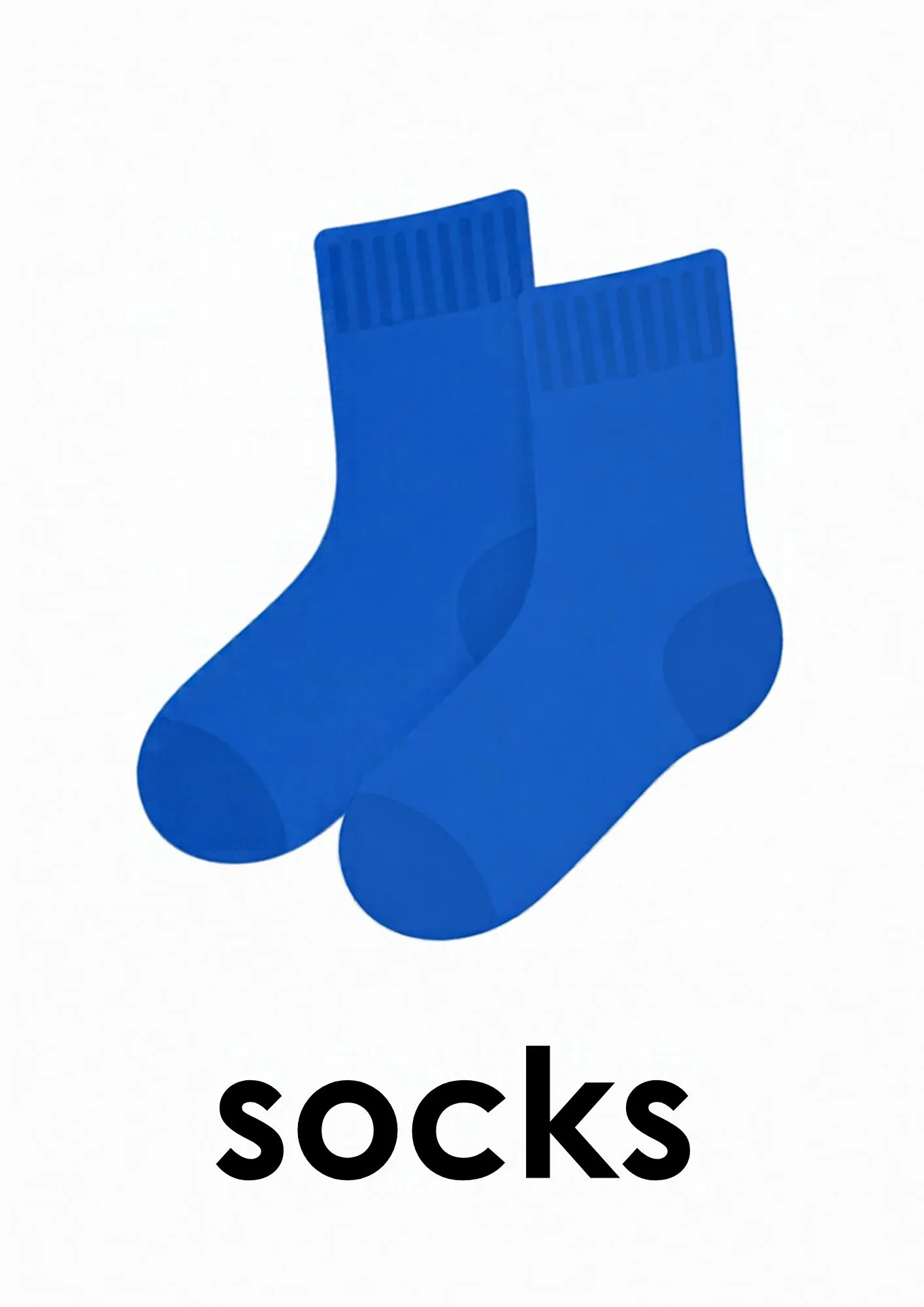
Shoes and socks — the first clothes a toddler learns to name and partly to put on.
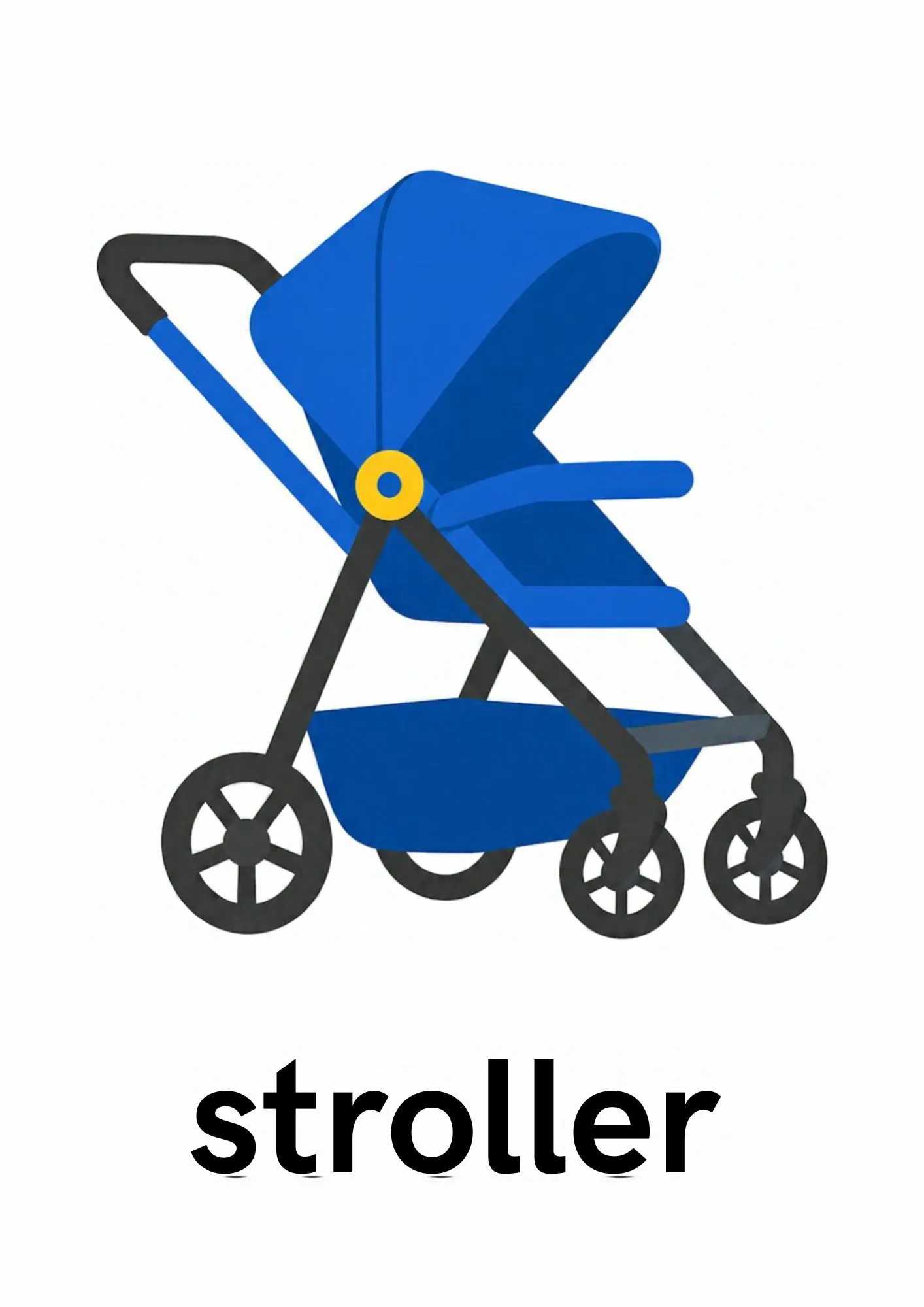
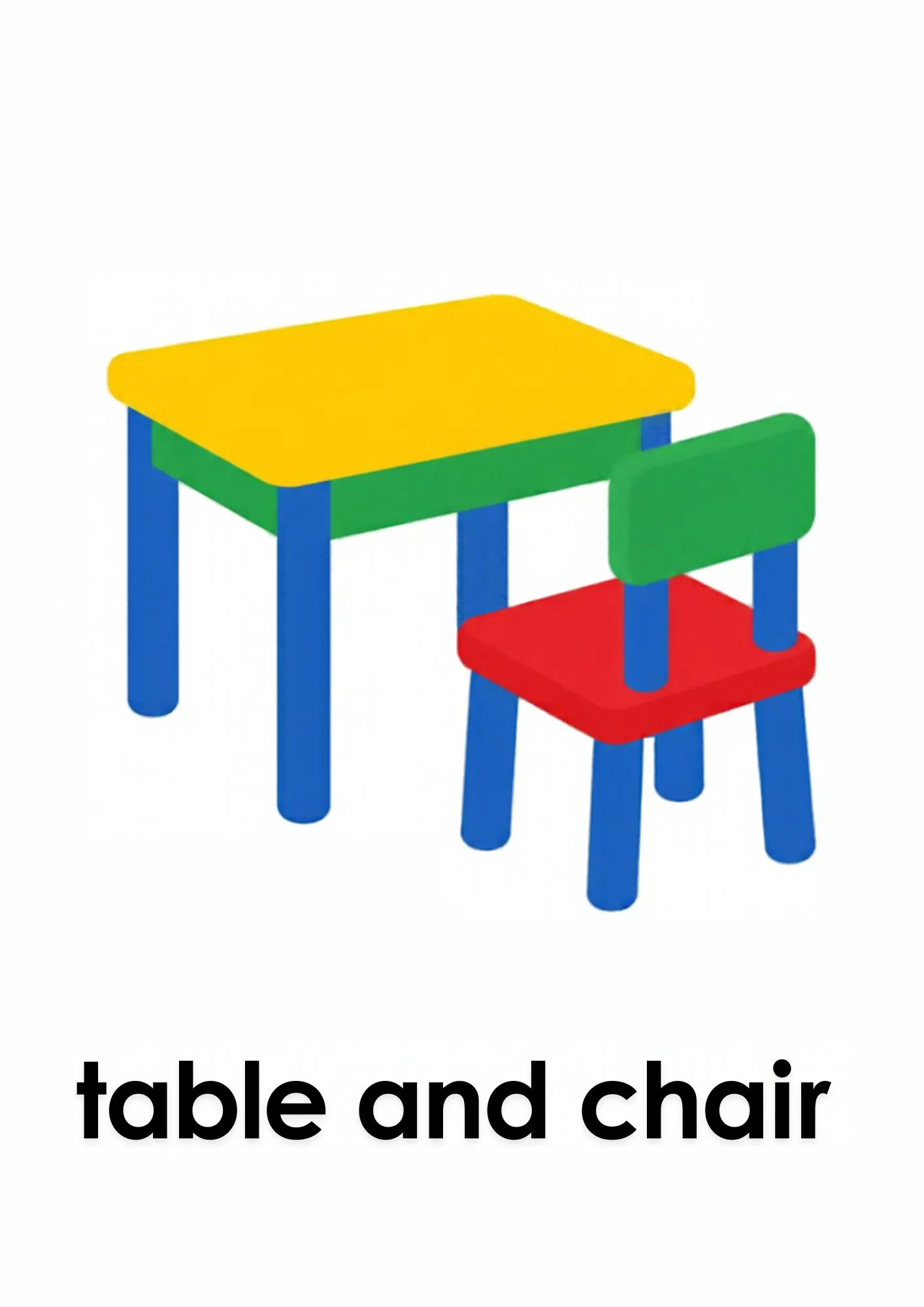
The furniture and the basket and the stroller by the door — the rest of the room, named.
Four ways that work.
You do not need a plan or a printer schedule. Pick one idea, try it for two minutes and see what happens.
- 01
Find it in the room
Pull a card, say the word, then walk to the real thing together — the actual ball, the actual crib. Toddlers learn words by pointing at what they love, and every card is something they touch every day.
- 02
Sort by the room’s areas
Three piles: toys, mealtimes, sleep. Sorting by where things belong is a real two-year-old skill — and it tidies the actual room afterwards, which is the sneakiest bonus in this set.
- 03
Name the routine, do the routine
The care cards are routine cards: pull the toothbrush card before brushing, the soap card at the sink, the pajamas card at bedtime. The card becomes the warning that the next step is coming — and warnings prevent tantrums.
- 04
Follow the age pills
Every card shows its age pill. Start with the Ages 1+ cards as first words, then grow into the Ages 2–3 cards as routines and pretend play take off. The set grows with the child, one pill at a time.
Print the set, download a card.
Every card page has its own download button with the full-size image. This set is printed straight from its class page.
Families of cards that pair well.
How did it go?
One tap, no writing, no name. Pick the face that matches how it went — reactions are counted instantly and stay anonymous.
Parent reviews.
A different thing from the quick faces above: a star rating for the grown-ups, plus an optional line about how it went. Every review is read by the school office before it appears.
No parent reviews yet — yours could be the first.
Parent comments.
How did you use this page Share the game, the moment or the trick that worked in your house. Comments are read by the school office before they appear, and they are about your ideas — never about your child.
No parent comments yet — yours could be the first.